Google warns against creating 'bite-sized' content for large language models (LLMs) as it may harm search rankings, emphasizing that content should be focused on human readers rather than trying to game the system with artificial content segmentation, which may not be effective long-term.
Google's Danny Sullivan advises against creating bite-sized content specifically for AI and LLMs, emphasizing that such strategies are temporary and that content should primarily be written for humans, as search systems evolve to favor human-centric content.
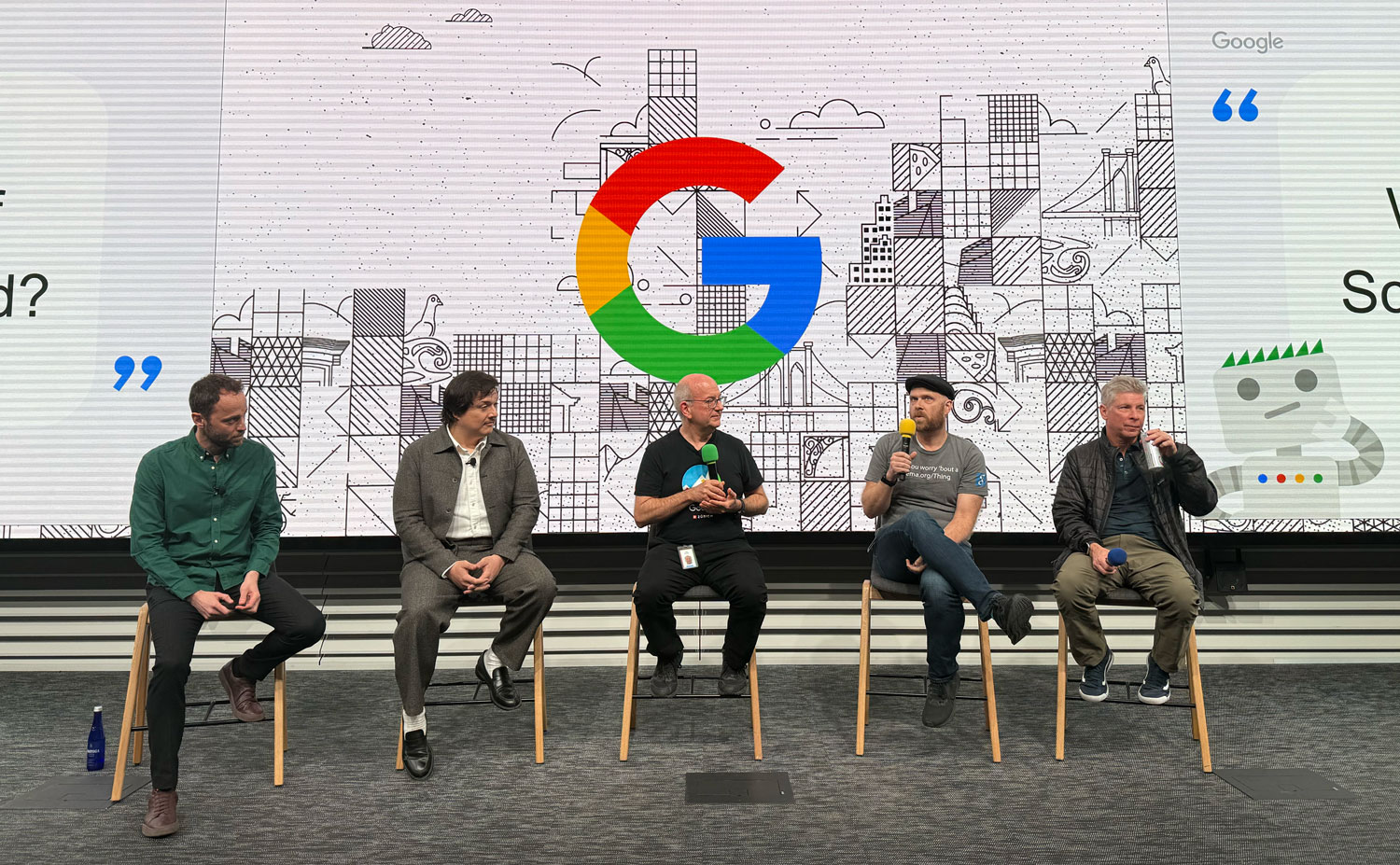
Google's Danny Sullivan and John Mueller emphasized that hiring an AEO/GEO or purchasing AI-optimization tools is similar to hiring or buying SEO tools, with the key being understanding SEO principles and Google's guidelines first. They advise focusing on creating content for humans rather than solely optimizing for rankings, and caution against tools or practices that go against Google's guidance, as these can lead to penalties. The overall message is that SEO knowledge is crucial, whether doing it yourself or hiring others.
Google's Danny Sullivan advises content creators not to optimize their content into bite-sized chunks specifically for large language models (LLMs), emphasizing that content should be written for users first. He warns that strategies tailored for current LLMs may not work in the long run as search systems evolve, and focusing on human-centric content is the best approach for sustainable success.
Google's John Mueller emphasizes that traditional SEO remains relevant and that understanding actual audience behavior is crucial, especially as AI and generative engine optimization (GEO) become more prominent. He advises marketers to focus on real usage metrics rather than labels, noting that AI is here to stay and impacts how online businesses should strategize their search and traffic efforts.
Google's John Mueller criticized certain SEO content as 'digital mulch,' emphasizing that blogs solely created to rank are unsustainable, and highlighted the importance of genuine, valuable content over superficial SEO tactics.
Google experts Danny Sullivan and John Mueller emphasize that SEO for AI is fundamentally the same as traditional SEO, focusing on creating authentic, original content across various formats like video and audio. They advise against over-optimization for specific search engines, highlighting that AI search prioritizes quality, engagement, and user-centric content. The key is to produce genuine content that resonates with users, as AI systems are increasingly capable of understanding and ranking original material, making the core principles of SEO still relevant.
Google updated its JavaScript SEO guidelines to emphasize that the canonical URL should be set in HTML whenever possible, and if JavaScript is used, it must set the canonical URL to match the original HTML to ensure proper indexing. Testing with Google Search Console is recommended to verify correct implementation.
Google's Danny Sullivan advises SEOs to focus on traditional SEO practices and content quality rather than dramatic changes for AI search, emphasizing that technical SEO has become less critical due to advanced CMSs, and that prioritizing AI-specific SEO efforts currently offers minimal returns.
Google's VP of Product for Search highlights the growing importance of PR and high-quality content for AI-driven recommendations, emphasizing that AI search behaves similarly to human research, and that understanding user intent through multimodal and specific queries is crucial for ranking success in the evolving AI landscape.
Google's AI Overviews, introduced in May 2024, are reducing clicks to small business websites by providing direct answers at the top of search results, which impacts traditional traffic and lead generation. While impressions may increase, actual visits decline, prompting businesses to adapt by improving their educational content, managing their online reputation, and exploring alternative traffic sources like video content. Acting now can help small businesses stay competitive in the evolving AI-driven search landscape.
Generative AI tools like ChatGPT are significantly impacting traditional news media by reducing traffic and revenue, prompting publishers to adopt new strategies like GEO and licensing agreements, while raising concerns about content access, legal battles, and the future of journalism in an AI-driven web.
Originally Published 6 months ago — by Hacker News
The article argues that using descriptive link text, including verbs like 'download' or 'get,' is more effective and accessible than vague phrases like 'click here,' as it improves clarity for users, screen readers, and search engines, despite some resistance from marketing perspectives.
Google has begun rolling out its June 2025 core update, which may take up to three weeks to complete, potentially causing fluctuations in search rankings. Website owners and SEOs are advised to monitor ranking changes, traffic patterns, and search console insights, while avoiding reactive adjustments during the rollout. The update aims to improve the relevance and quality of search results across all industries.
Google has begun rolling out its June 2025 core update, which may take up to three weeks to complete. Core updates can significantly impact search rankings, but Google advises creators to focus on producing helpful, people-first content rather than trying to manipulate rankings. The update follows the March 2025 core update and is part of Google's regular schedule of algorithm improvements.