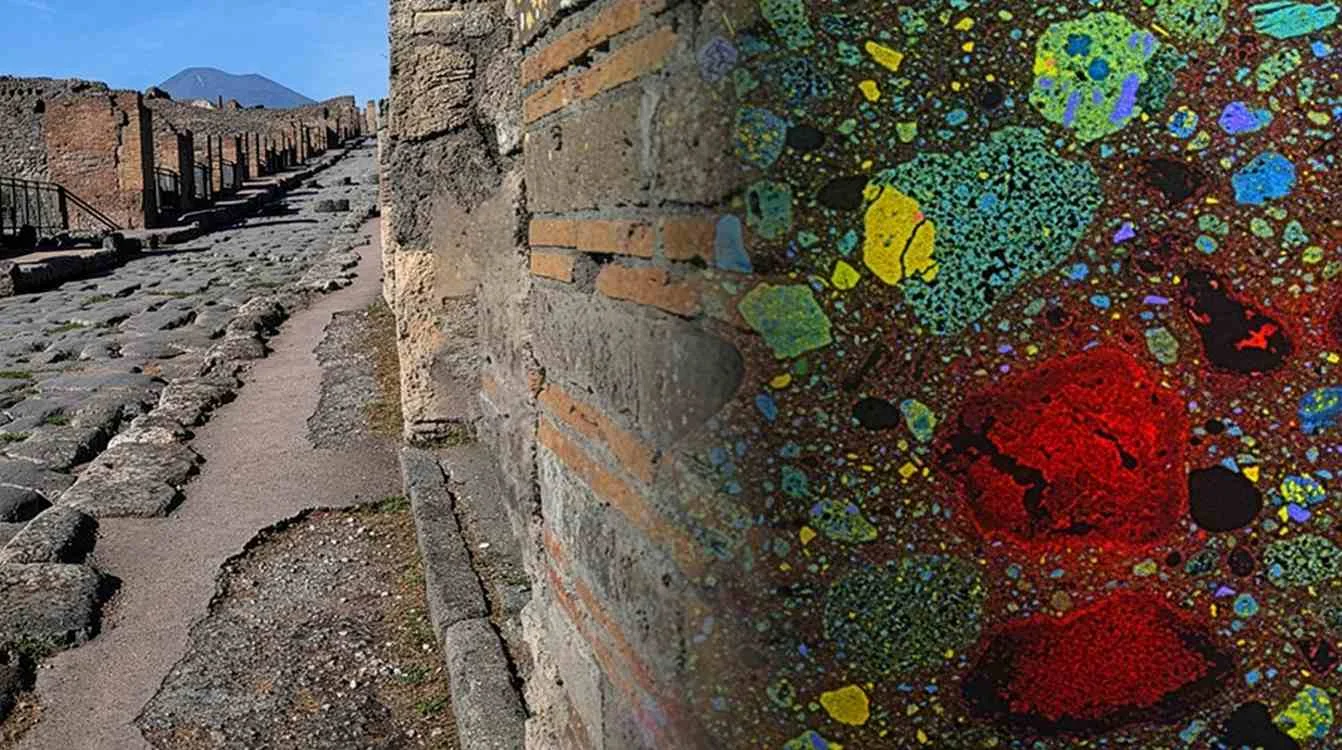
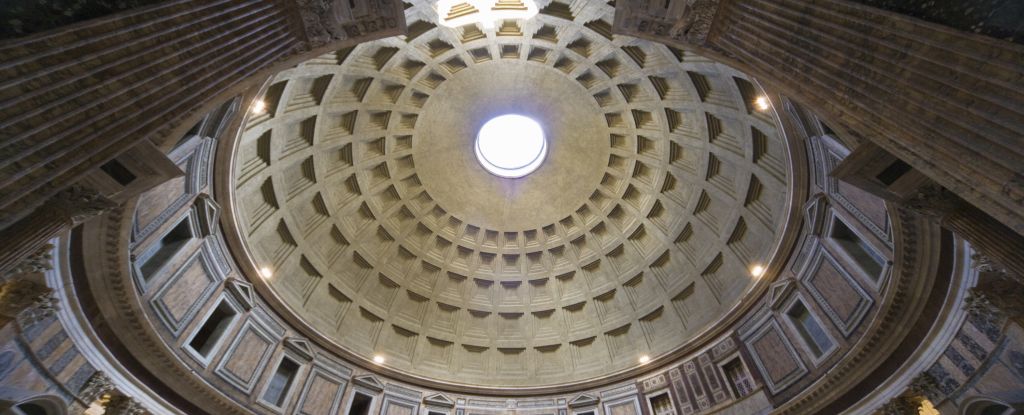
MIT Associate Professor Admir Masic confirms that ancient Rome’s self-healing concrete arose from hot-mixed lime with volcanic ash, a conclusion reinforced by Pompeii findings, and has launched a DMAT company to commercialize durable, self-repairing modern concretes.
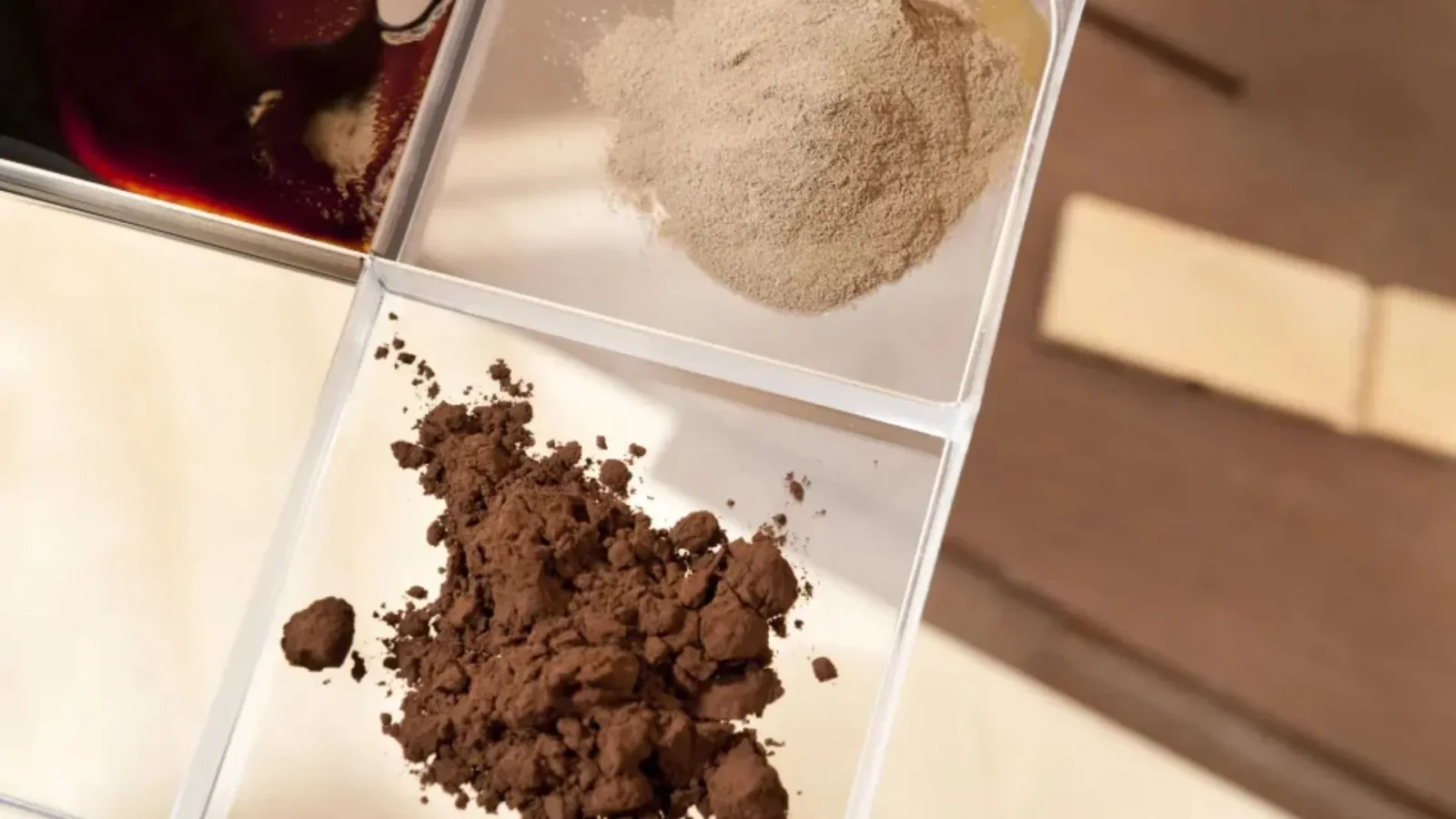
Scientists at Wageningen University & Research unveiled compleximer, a glass-plastic hybrid that combines plastic-like toughness with glass’ moldability. It stays bound via physical charge interactions rather than chemical cross-links, allowing high-temperature shaping and self-healing when heated with a hairdryer. The fossil-based version exists now, but biobased variants are in development to enable easier repair and potential biodegradability, offering a greener alternative to traditional plastics.
On July 10, 2025, Aries, Leo, Virgo, and Sagittarius are encouraged to confront their inner wounds and embrace their true selves, leading to increased luck and abundance through self-awareness, expression, and healing.
Overwatch 2 director Aaron Keller walked back on the announcement of self-healing changes for Season 9, admitting it was a mistake to discuss the change out of context and assuring that it is just one part of a larger set of changes. The game has faced controversy since the original was replaced by the sequel, and the community is divided on whether self-healing changes are beneficial or detrimental to the team-based aspect of the game.
Overwatch 2 is set to undergo significant changes in its next season, including a modified self-healing passive for Tank and Damage heroes, reducing reliance on Support characters. This aims to give non-Support players more control over their health pool and alleviate pressure on Support players. Additionally, potential features such as on-screen health indicators for teammates in PvP modes and other gameplay improvements are being discussed. These changes are part of Blizzard's vision for Overwatch 2 to evolve with new systems and features to better serve its players.
Overwatch 2 is set to introduce a controversial change where every character will receive a self-healing passive ability, previously exclusive to support players. This decision has sparked mixed reactions, with some feeling it undermines the support role's utility. Game director Aaron Keller explained that tank and damage heroes will receive a "tuned-down" version of the passive healing, aiming to give non-support players more control over their health pool. However, Blizzard reserves the right to undo the change if it negatively impacts the game.
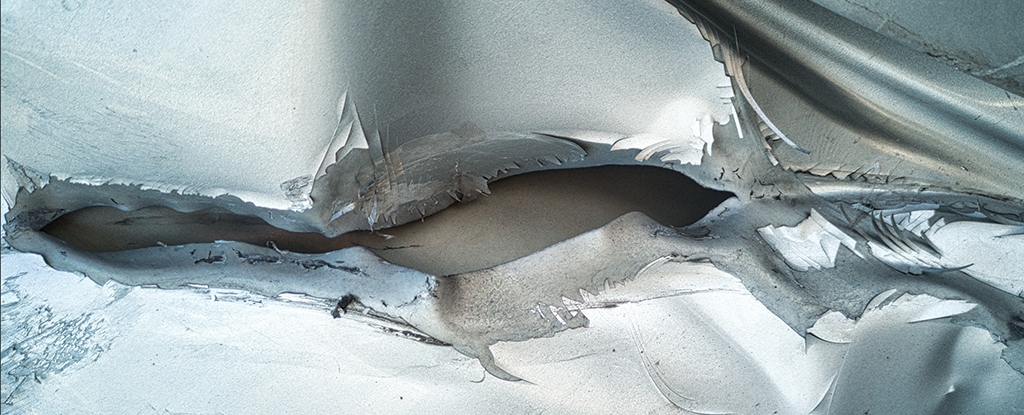
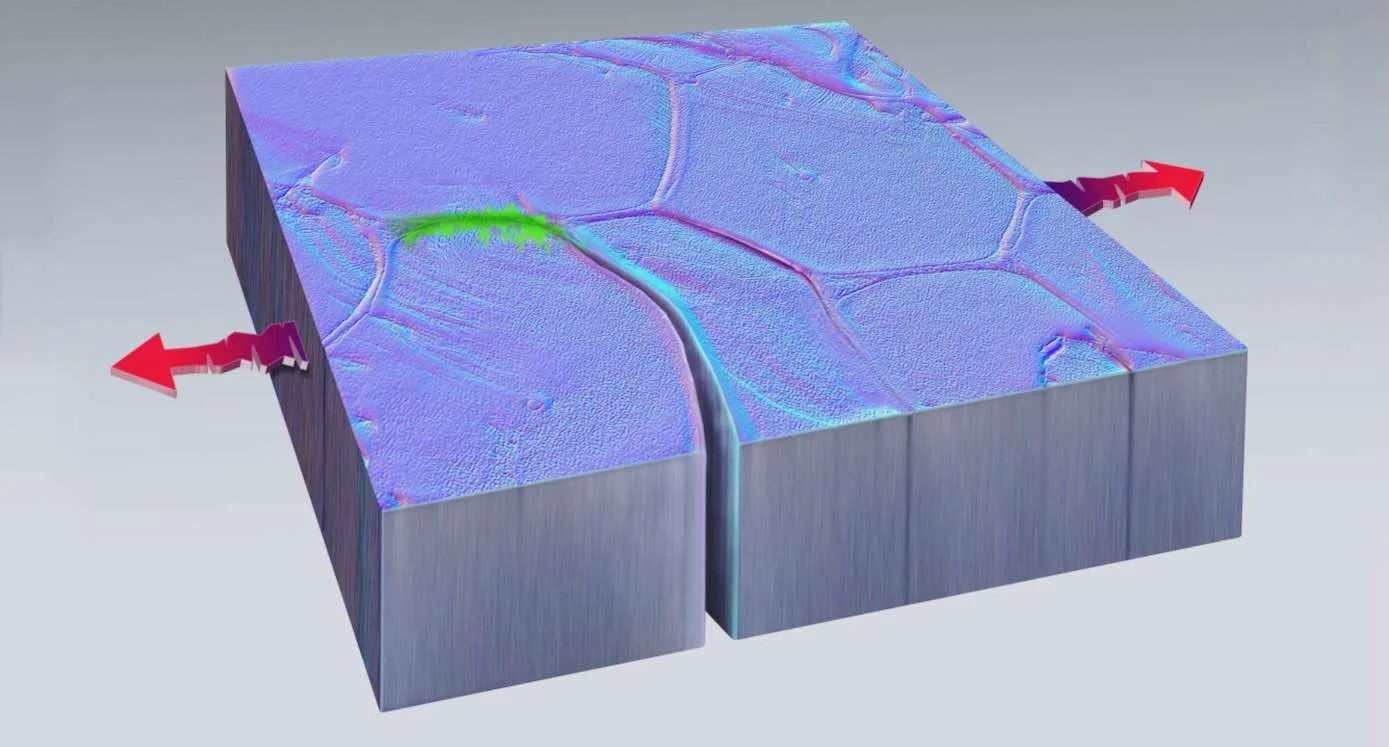
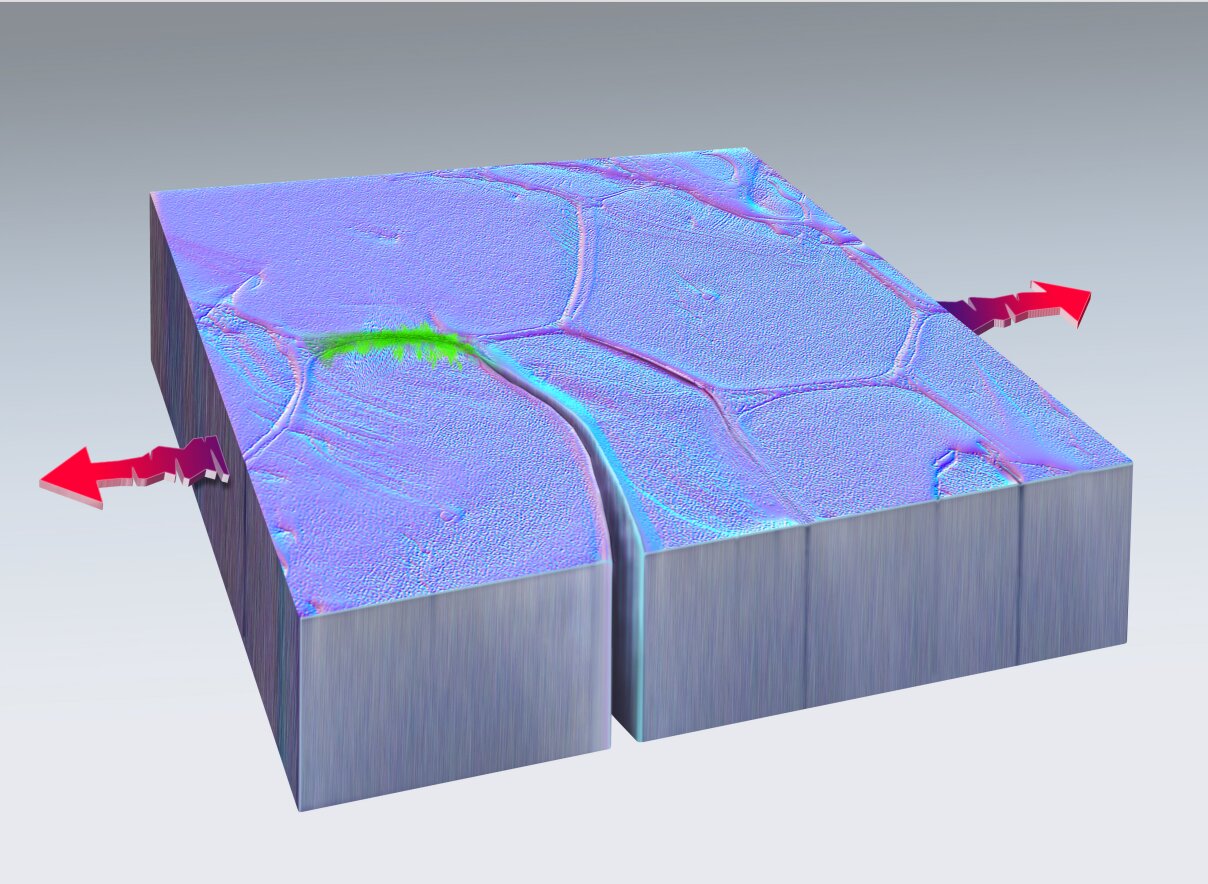
Scientists from Sandia National Laboratories and Texas A&M University have observed a cracked piece of ultra-thin platinum "healing" itself, a phenomenon that could revolutionize engineering. Using a specialized transmission electron microscope technique, the researchers induced fatigue damage in the metal, causing microscopic cracks. Astonishingly, after around 40 minutes of observation, one section of the crack began to mend itself. The researchers are now focused on understanding the mechanism behind this self-healing process and its potential applications in engineering.
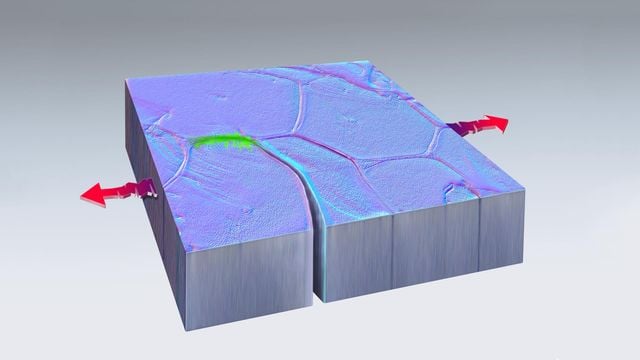
Scientists have observed a metal healing itself for the first time, a phenomenon that could revolutionize engineering. Using a specialized transmission electron microscope technique, researchers witnessed a crack in a 40-nanometer-thick piece of platinum mend itself after about 40 minutes of observation. The self-healing process occurred at the nanoscale and was driven by the shifting boundaries of tiny crystalline grains inside the metal. The discovery could have significant implications for repairing structures, machines, and devices, although further research is needed to understand and harness this self-healing ability in conventional metals and typical environments.
Researchers at Beihang University have observed self-healing in synthetic diamonds at room temperature. By creating nanotwinned diamond composites (ntDC) and inducing cracks, the team found that the presence of specific carbon atoms allowed for healing as they bonded with each other. The healed samples exhibited a tensile strength of 34%. This discovery could lead to the development of more durable diamonds for various applications.
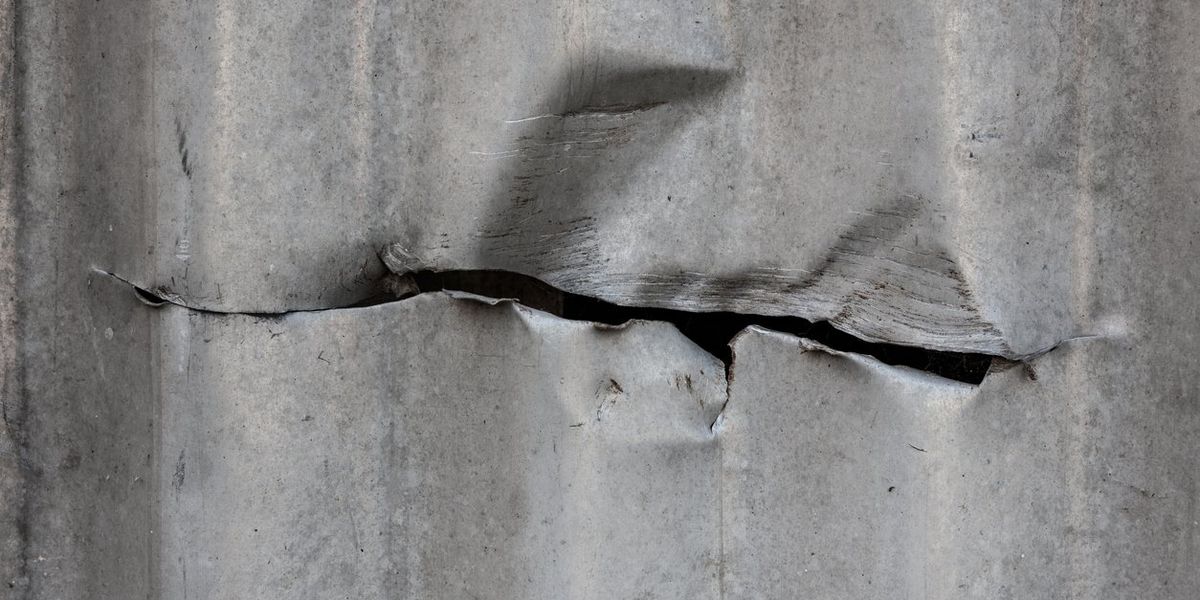
Scientists from Texas A&M University and Sandia National Laboratories have discovered that metal can self-repair microscopic cracks through a process called cold welding, without the need for heat or electricity. This breakthrough could have significant implications for engineering, as fatigue in metal components is responsible for 90% of mechanical failures. By understanding how metal microstructure affects healing, researchers hope to develop materials that are more resistant to fatigue damage. While self-healing materials have been explored in plastics and concrete, this is the first observation of self-healing in metals at room temperature under vacuum conditions. Practical applications are expected to take at least a decade to develop.
Scientists have observed metal repairing itself after cracking, a discovery that could lead to the development of self-healing structures and robots. The mechanism currently only works on a few metals and at small scales, but it could have applications in industries such as aerospace and automotive. The process, known as "cold welding," involves the compression and fusion of crack flanks at the nanoscale. However, further research is needed to determine if the process works outside of a vacuum, if other metals can self-repair, and if larger metals can be coaxed into healing.
Researchers from Sandia National Laboratories and Texas A&M University have observed metals healing themselves without human intervention, overturning scientific theories. The phenomenon, witnessed for the first time, could lead to an engineering revolution, enabling self-healing engines, bridges, and airplanes that can reverse damage caused by wear and tear. The discovery could have significant implications for safety and longevity in various industries. While the extent of the findings' generalizability remains unknown, the research represents a significant advancement in materials science.
Scientists have observed metals cracking and fusing back together without human intervention, challenging established scientific theories. This discovery could lead to a revolution in engineering, enabling the development of self-healing engines, bridges, and airplanes that can reverse damage caused by wear and tear, making them safer and more durable. The phenomenon was witnessed at the nanoscale level and could have significant economic implications, as failures due to fatigue damage cost billions of dollars annually. While self-healing materials have been created before, the idea of self-healing metals was largely considered science fiction until now. Further research is needed to determine the practical applications and generalizability of this discovery.
Researchers at Sandia National Laboratories have made an unexpected discovery while studying the performance of metals under repeated stress. They observed a piece of metal that had cracked begin to fuse itself back together without any external intervention. This self-healing phenomenon, never seen before in metals, could have significant implications for engineering. The researchers believe that if harnessed, this ability could prevent fatigue damage and catastrophic failures in structures such as bridges and airplanes. The findings confirm a theory proposed in 2013 by Michael Demkowicz, who argued that metals should be able to autonomously cold-weld fatigue cracks together. Further research is needed to understand the conditions that promote this self-healing behavior in metals.
Researchers from MIT have discovered the secret behind the durability of ancient Roman concrete. Contrary to previous beliefs, the team found that the Romans used a technique called "hot mixing," which involved directly mixing quicklime with pozzolana and water at high temperatures. This method resulted in the formation of lime clasts, which gave the concrete remarkable self-healing abilities. When cracks formed, water reacted with the lime clasts to form calcium carbonate, effectively gluing the crack back together. The team is now working on commercializing this more durable concrete as an environmentally friendly alternative.