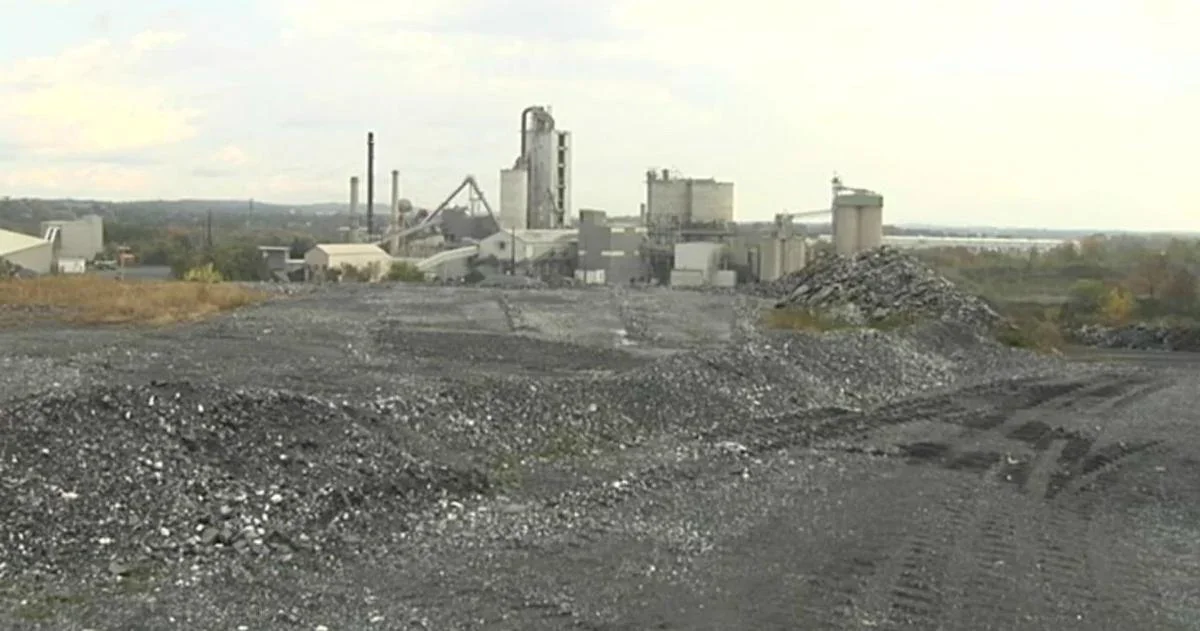
Keystone Cement, a 100-year-old company in Pennsylvania, is being acquired by Virginia-based Titan America in a $310 million deal, marking its second ownership change in less than a year and expanding Titan's presence in the Mid-Atlantic region.
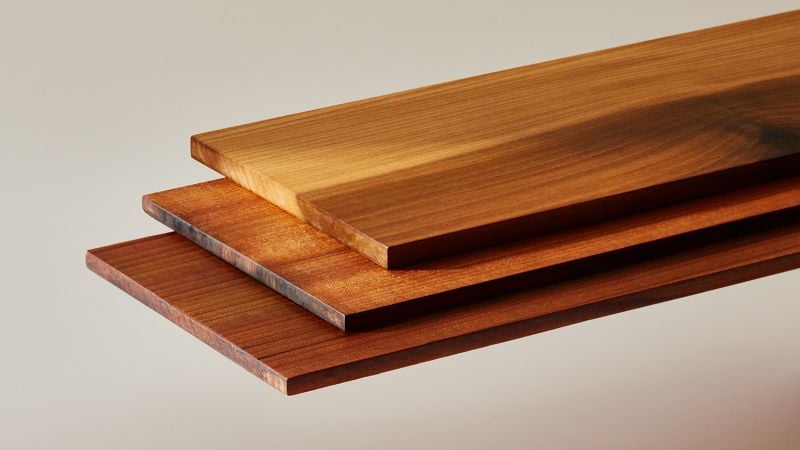
Scientists have developed 'Superwood,' a new engineered wood that is up to 10 times stronger than steel and significantly lighter, with potential applications in construction and furniture, offering a more sustainable alternative to traditional materials.
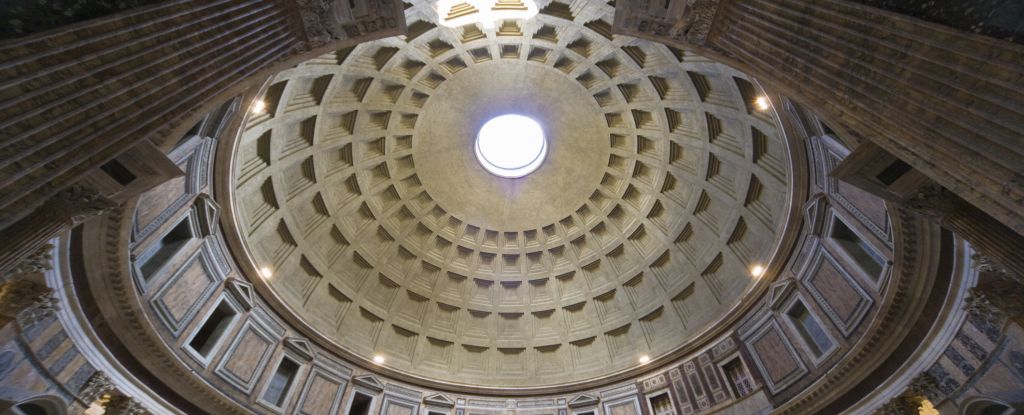
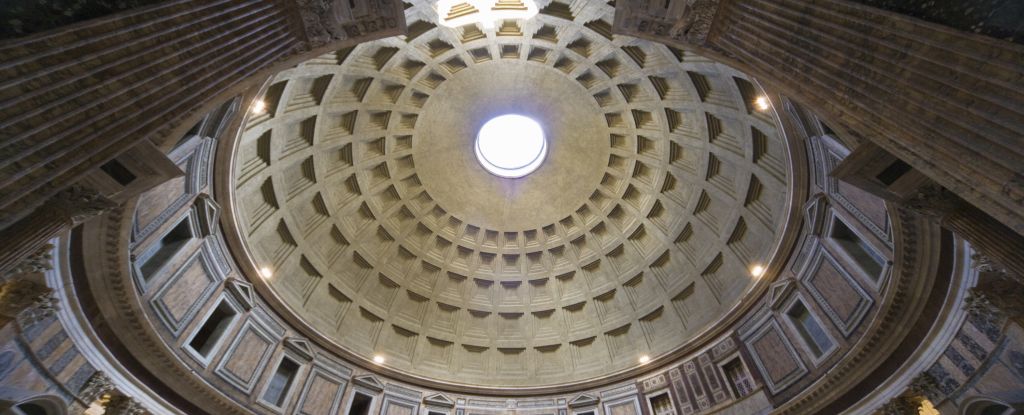
A team of researchers led by MIT has discovered that ancient Roman concrete, known for its durability, was likely made using a technique called "hot mixing" that involved combining quicklime directly with pozzolana and water at high temperatures. This method not only produced high-temperature-associated compounds that enhanced the concrete's strength, but also gave it remarkable self-healing abilities. The presence of lime clasts in the concrete allowed cracks to be filled with calcite, preventing further damage. The team is now working on commercializing this more durable and environmentally friendly concrete as an alternative to current formulations.
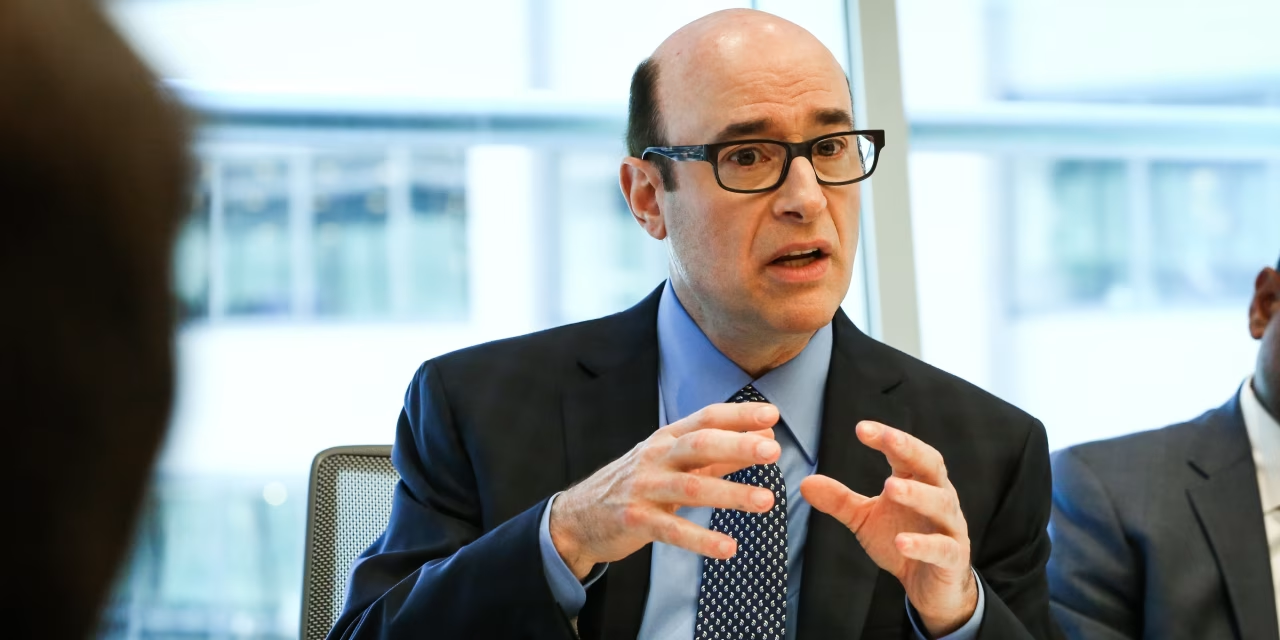
Serial deal maker Brad Jacobs, executive chairman of XPO, is launching a new tech-focused company called QXO, which aims to acquire businesses in the building-products distribution industry. QXO will focus on distributing products such as lumber, doors, windows, and landscaping supplies. Jacobs has a track record of building multibillion-dollar companies through acquisitions in various sectors.
Researchers from MIT have discovered the secret behind the durability of ancient Roman concrete. Contrary to previous beliefs, the team found that the Romans used a technique called "hot mixing," which involved directly mixing quicklime with pozzolana and water at high temperatures. This method resulted in the formation of lime clasts, which gave the concrete remarkable self-healing abilities. When cracks formed, water reacted with the lime clasts to form calcium carbonate, effectively gluing the crack back together. The team is now working on commercializing this more durable concrete as an environmentally friendly alternative.