Nvidia's stock is poised for growth in 2026, driven by its $20 billion Groq acquisition, upcoming CES event, potential H200 chip exports to China, and strong analyst forecasts, with a predicted 41% rise in stock price.
NVIDIA announced a non-exclusive licensing deal with AI chip startup Groq, which includes bringing key Groq personnel to NVIDIA to integrate their low-latency inference technology, viewed by analysts as a strategic 'tech and talent grab' rather than a traditional acquisition, aimed at strengthening NVIDIA's position in AI inference technology amid rising competition.
Nvidia made a $20 billion acquisition of AI inferencing startup Groq to strengthen its position in the growing AI inferencing market, which could help it maintain its leadership in AI technology and continue its explosive growth.
Nvidia's partnership with Groq, focusing on inference technology, highlights the importance of efficient AI inference in scaling AI applications, potentially giving Nvidia an edge in the AI race by accelerating and reducing the cost of deploying large language models.
Nvidia has entered into a licensing agreement with AI chip startup Groq, which includes hiring key Groq personnel, in a move that resembles an 'acqui-hire' valued at around $20 billion. This deal eliminates a potential competitor and grants Nvidia access to Groq's inference technology, strengthening its position in the AI inference chip market amid growing competition and supply chain diversification efforts.
Groq shareholders and employees will receive significant payouts from its $20 billion licensing deal with Nvidia, with most employees joining Nvidia and being compensated in cash or Nvidia stock, while the company continues to operate independently.
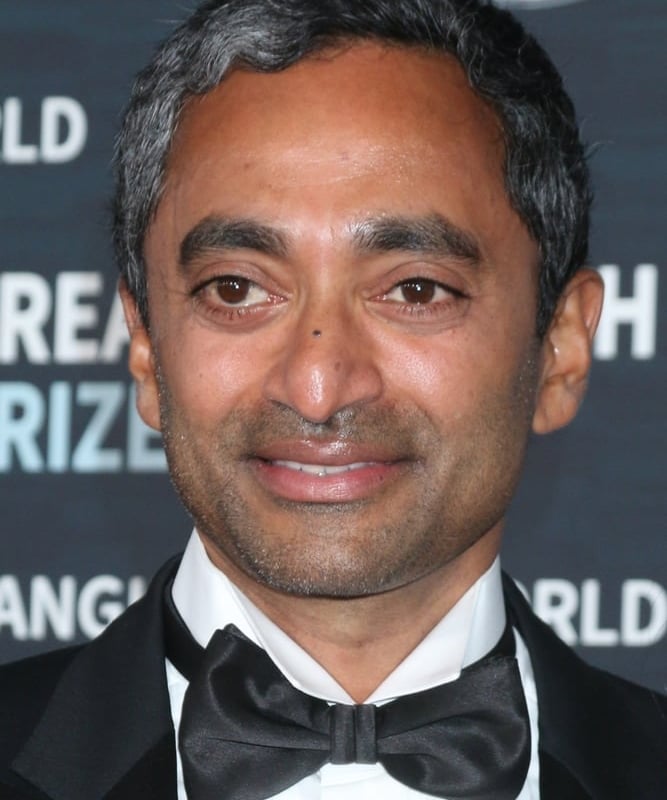
Chamath Palihapitiya, through his firm Social Capital, is set to profit significantly from Nvidia's $20.6 billion acquisition of Groq, a company he early invested in and helped fund, which has now achieved a billion-dollar valuation. Palihapitiya's early backing and board membership have positioned him for a substantial windfall, potentially boosting his net worth beyond $1.2 billion.
Nvidia's licensing deal with AI startup Groq, which involves key leadership joining Nvidia and the startup operating independently, highlights a shift in Silicon Valley where companies are increasingly using licensing agreements instead of traditional acquisitions to acquire talent and technology, reflecting regulatory uncertainties and changing industry practices. This trend is similar to recent deals involving Windsurf, Scale AI, Character AI, Inflection AI, and Adept, which often result in key employees being hired away or licensing agreements rather than full acquisitions.
Jim Cramer highlights NVIDIA's extensive intellectual property and recent strategic moves, including a $20 billion asset purchase from Groq, as factors supporting its potential for growth despite recent stock declines. He emphasizes NVIDIA's technological advantages and upcoming product launches, suggesting it remains a strong investment opportunity, though some AI stocks may offer higher returns with less risk.
Nvidia's purchase of a license from AI chip startup Groq is a strategic move to strengthen its position in AI inference hardware, signaling a shift towards specialized chips for running AI models. While it may threaten Nvidia's high gross margins, the deal aims to preempt competitive threats and adapt to the growing demand for inference chips, similar to Facebook's acquisition of Instagram to secure its social media dominance.
Nvidia has made its largest acquisition to date by purchasing Groq for $20 billion, strengthening its AI capabilities amid rising geopolitical and regulatory challenges, including investigations into its supply chain and potential chip smuggling into China.
Nvidia's strategic licensing agreement with AI startup Groq, including key personnel hires, aims to strengthen its position in AI inference technology, signaling a shift from training to inference workloads and potentially expanding Nvidia's market dominance. The deal, which keeps Groq independent, is viewed positively by analysts as a move to address market share concerns and diversify Nvidia's AI offerings.
Stock markets are on track for weekly gains, with Nvidia's largest acquisition ever involving Groq, and updates on Google account changes, Waymo's service pause due to weather, and rising leather goods prices due to tariffs.
Nvidia has announced its largest-ever purchase by acquiring Groq, an AI chip startup, for $20 billion in cash, aiming to integrate Groq’s low-latency processors into its AI platform, while Groq continues to operate independently. This deal marks Nvidia's biggest acquisition and reflects its strong revenue growth and dominance in AI hardware.
Nvidia has licensed AI inference technology from startup Groq and hired key executives, including its founder, in a move that highlights the trend of acqui-hiring in Silicon Valley, where companies acquire talent and technology without full acquisitions, continuing to invest heavily in AI development.