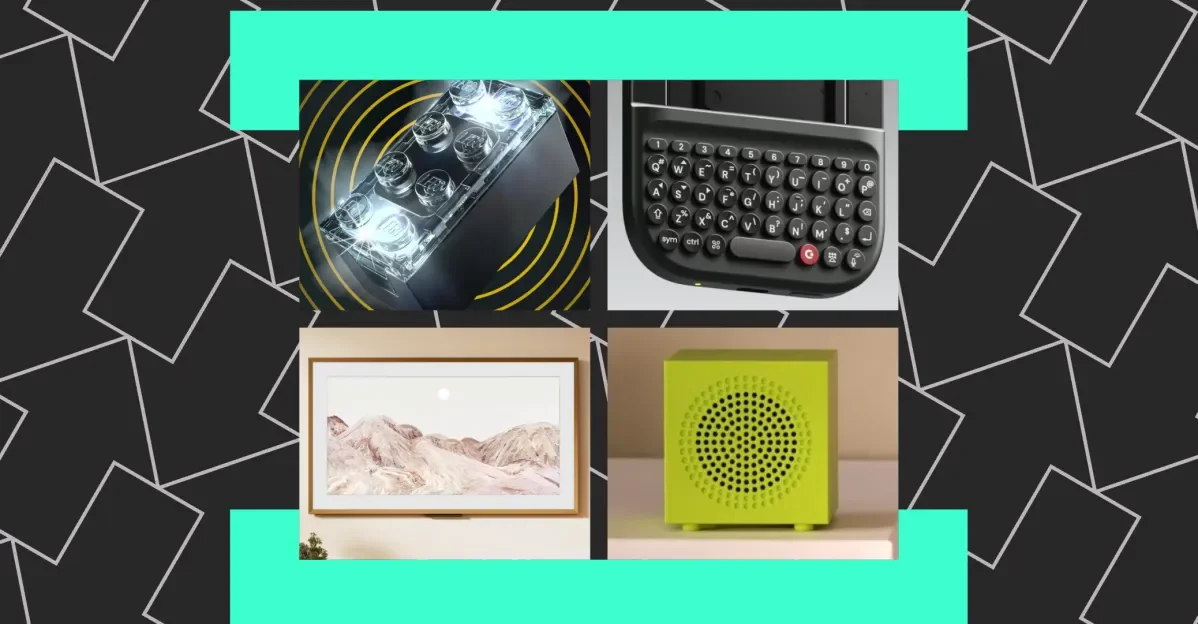
The article highlights the most promising and real gadgets from CES 2026 that are likely to be worth purchasing, including keyboard accessories and tiny Bluetooth speakers, as curated by The Verge's coverage.
In 2026, global expansion of datacenters driven by major tech investments, the widespread deployment of self-driving cars in major cities, AI finding new niches at work, innovative consumer tech with new form factors, and the continued wealth growth of tech billionaires are expected to be key trends shaping the tech landscape.
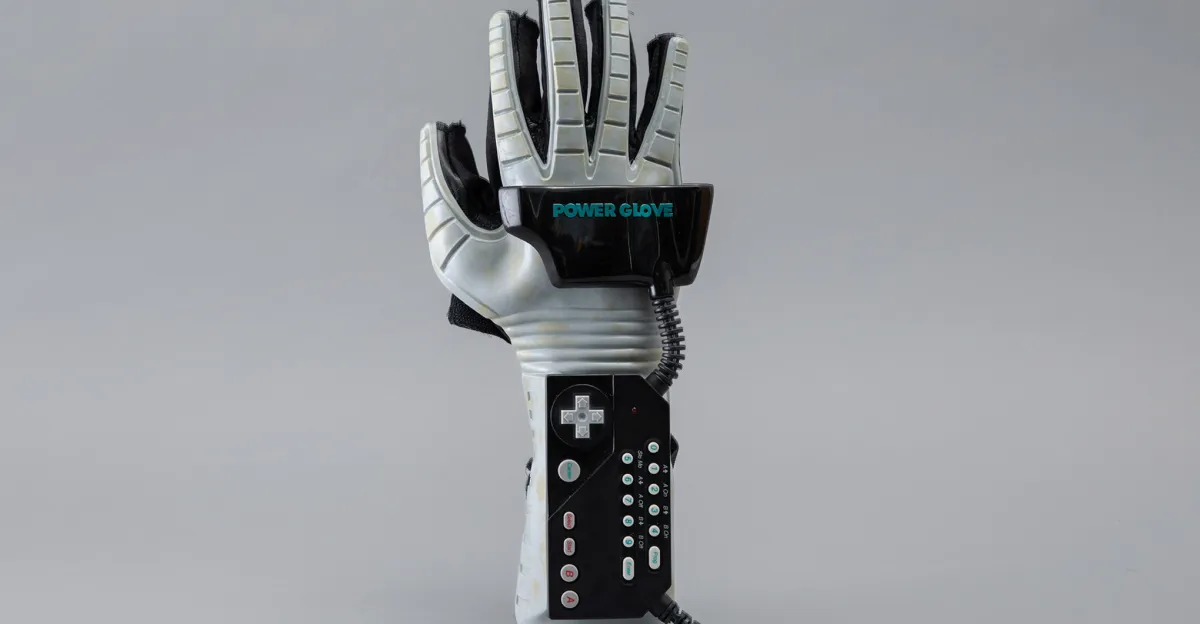
The Nintendo Power Glove, despite being a flawed and ambitious device from the late 1980s, played a significant role in shaping the future of virtual reality and gaming technology, influencing later successful products and industry developments.
The article explores why the Microsoft Zune, despite innovative features and strategic bets, failed to compete with the iPod, highlighting its early social features, broader vision, and the reasons behind its lack of success.
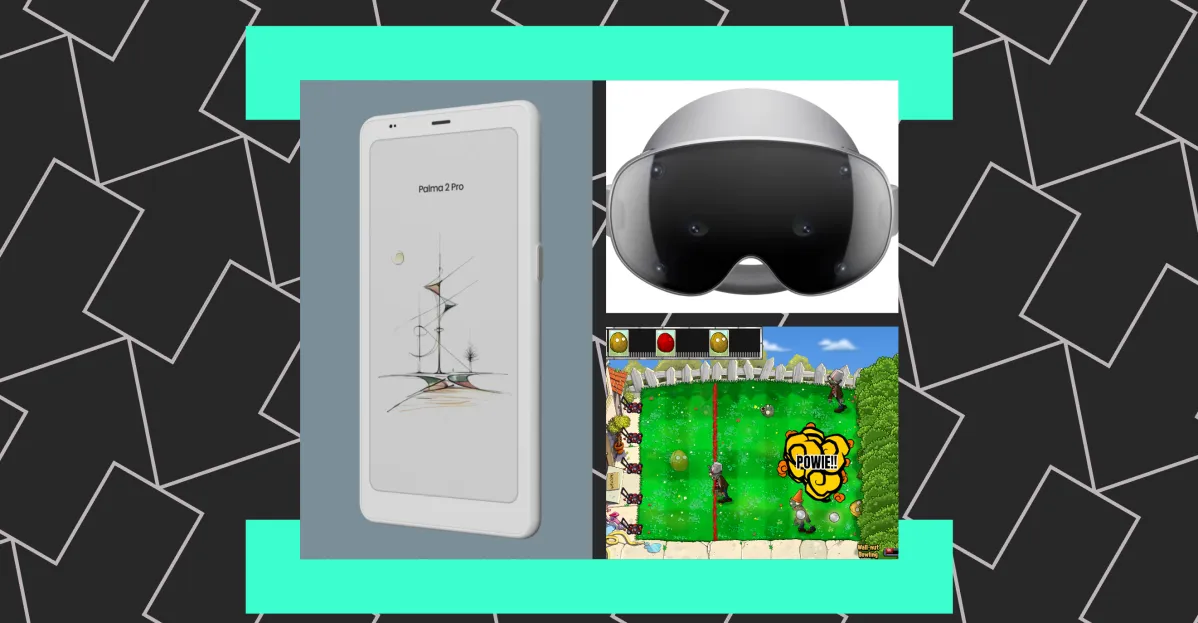
David Pierce discusses the latest update to his favorite e-reader, the Boox Palma 2 Pro, highlighting its significance in the realm of digital reading and consumer tech.
Allison Johnson reviews the Samsung Galaxy Z Fold 7, praising its slim design and usability, and expresses excitement about upcoming trifold phones from Samsung and other brands, seeing them as a promising evolution in large smartphones that combine multiple screens and functionalities without increasing size.
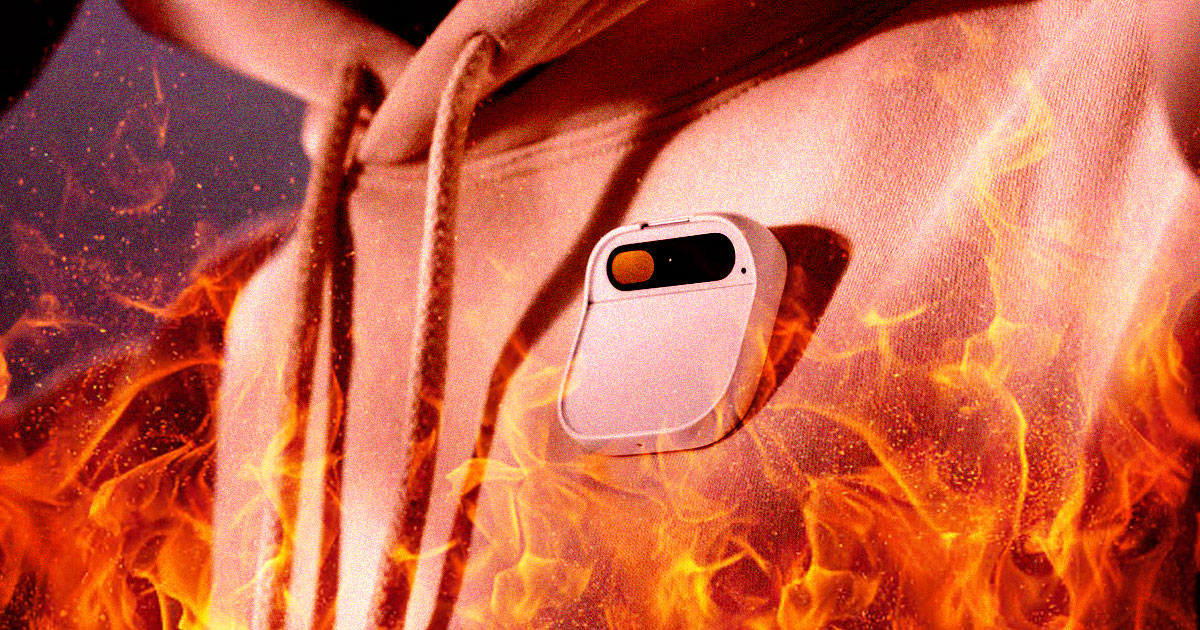
Humane's highly anticipated AI wearable device, the "Pin," has been panned in reviews for its $700 price tag and $24 monthly subscription plan, with critics citing its poor performance, clunky interface, and inability to fulfill basic functions like accurate weather reporting and translation. The device, intended to reduce smartphone usage, has been described as a frustrating and overpriced first-generation product, leading to doubts about the company's future and the potential for improved iterations.
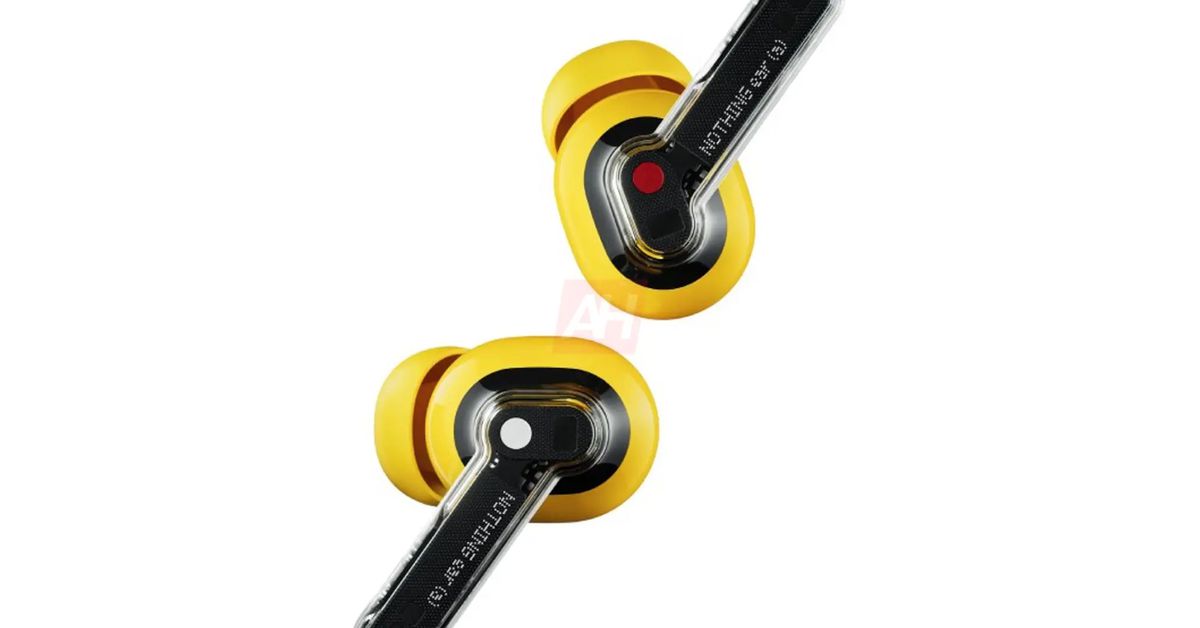
Consumer tech startup Nothing is set to launch its new earbuds, the Nothing Ear and Nothing Ear (a), with a leaked image suggesting a Playdate-inspired yellow color variant for the Ear (a). Both models will feature a clear, square case, come in black and white, and offer water resistance. The Ear will have a 7.5-hour battery life with active noise cancellation off, while the Ear (a) will provide 8 hours. Fast-charging capabilities will also be included. The company will unveil the new earbuds on April 18th, with the Ear priced at €150 and the Ear (a) at €100.
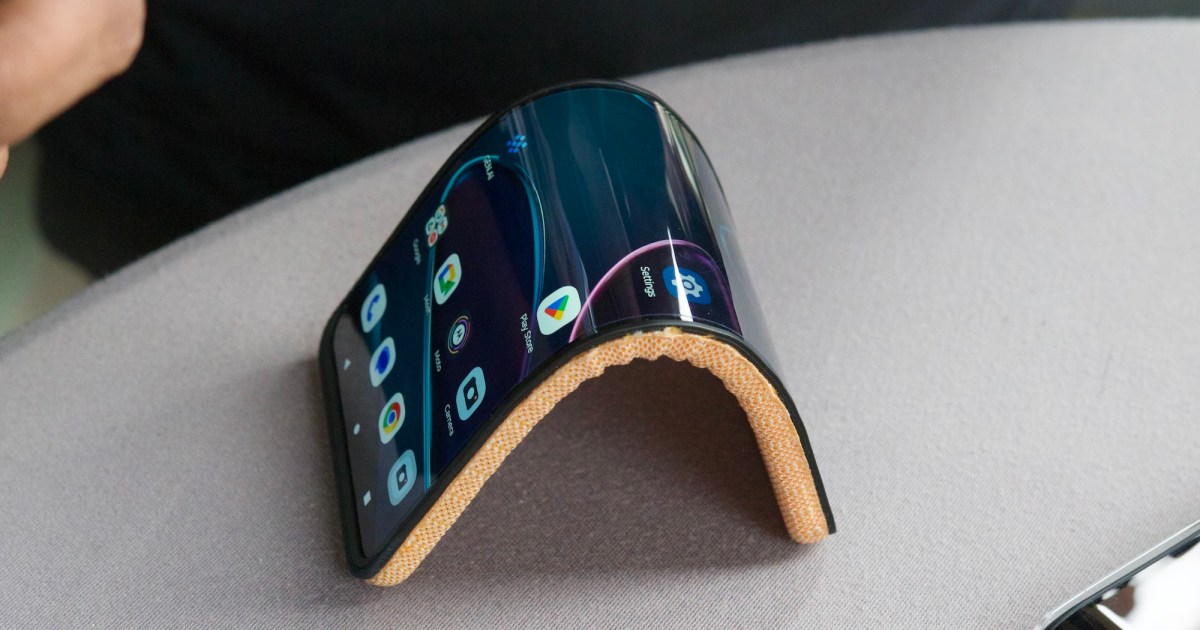
Mobile World Congress 2024 showcased a plethora of mad, crazy, and unexpectedly innovative devices, including concept phones like Motorola’s Adaptive Display Concept and Tecno’s Phantom Ultimate rollable concept phone. The event also featured products like OnePlus’ Watch 2 smartwatch with two processors and two operating systems, Xiaomi’s tech-heavy 14 Ultra smartphone, and HMD Global’s modular phone called the HMD Fusion. The show demonstrated a willingness to experiment, dream up fun products, and devise new ways to engage consumers, dispelling the notion that mobile tech is dull or predictable in 2024.
Boomerang, a Miami-based startup, is using AI and machine learning to revolutionize the lost and found process by matching pictures and descriptions of lost items with those uploaded by customers, aiming to expedite the return of lost items and replace the current system of repeatedly calling customer service desks for updates.
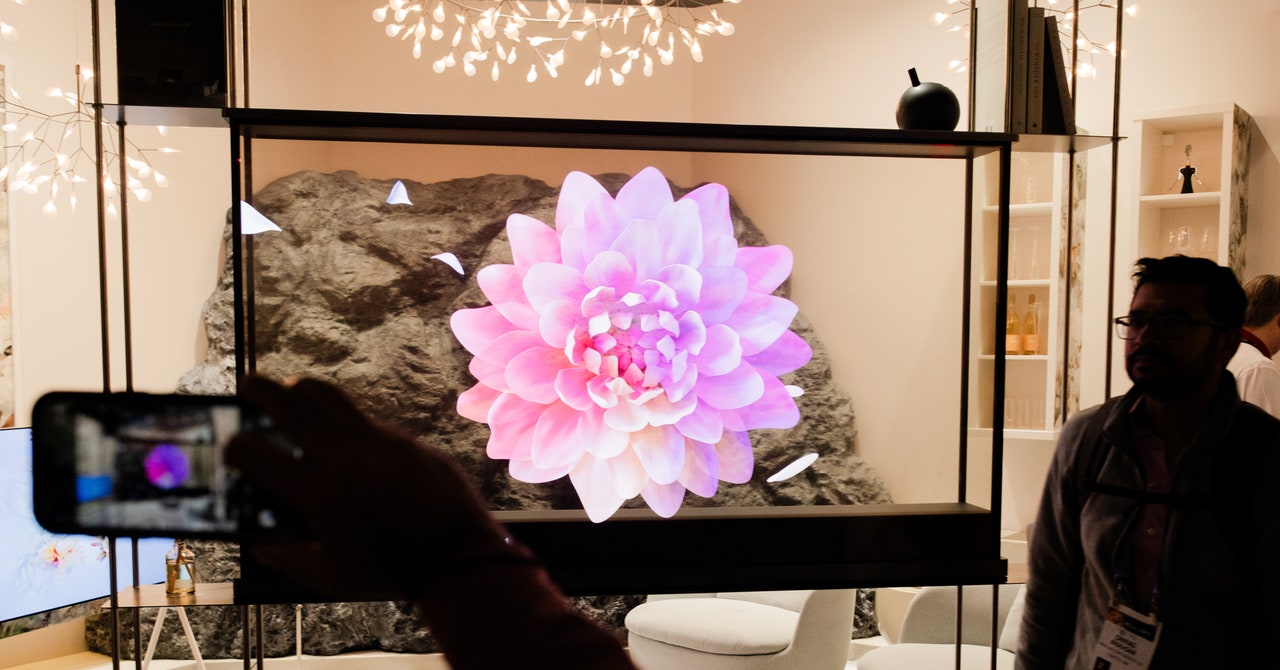
At CES 2024, TV manufacturers showcased new designs aimed at making TVs less prominent in homes, including transparent screens from Samsung and LG, as well as concepts like the Samsung Frame TV and Hisense CanvasTV. While these innovations aim to blend TVs into home decor, the high cost and energy requirements may limit their widespread adoption. Interior designers are also considering how to incorporate these new designs into homes, with some expressing excitement but noting the current limitations. Additionally, companies like Apple and Meta are exploring mixed-reality headsets as potential alternatives to traditional TVs, but experts believe the communal experience of TV viewing will likely ensure their continued presence in homes.
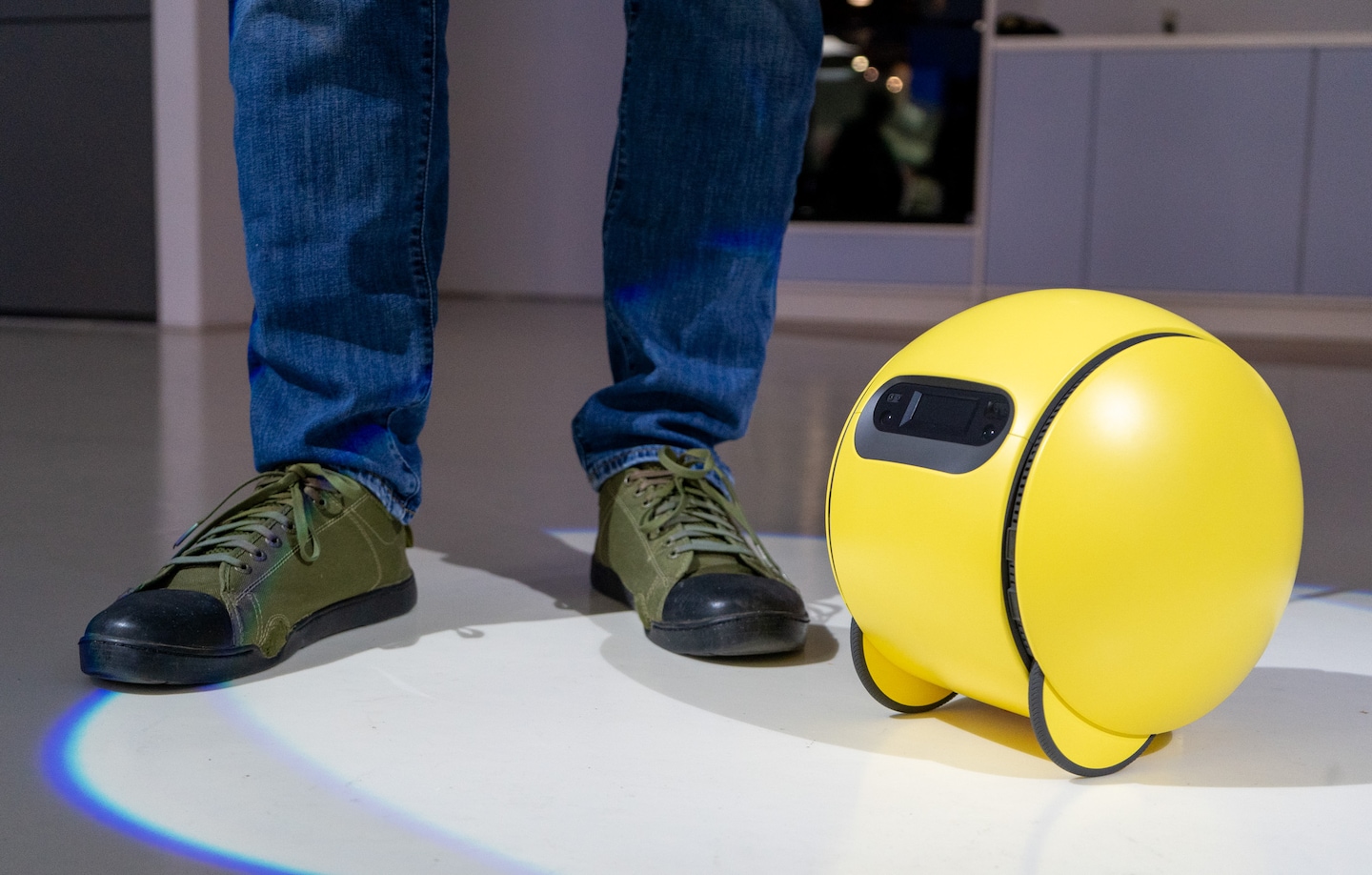
Samsung unveils Ballie, a spherical home robot with AI capabilities and a built-in projector, set for release in 2024. The robot is designed to assist with various tasks around the house, including controlling smart-home devices, projecting content, and providing companionship. Samsung faces competition from LG's AI Agent, signaling a growing interest in home robotics among major tech companies. However, the success of such devices remains uncertain, as previous attempts like Amazon's Astro and Softbank's Pepper have not gained widespread adoption.
Best Buy has launched a significant 3-day sale, offering substantial discounts on a variety of electronics, including Apple devices, OLED TVs, laptops, and more. Some standout deals include LG's 48-inch A2 OLED TV for $549.99, AirPods Pro 2 for $189.99, and 50% off HP's 15.6 Chromebook Plus. The sale ends on Sunday at midnight, and it's a chance for consumers to grab products at prices comparable to Black Friday and Cyber Monday deals.
The article highlights the most disappointing gadgets of 2023, including the HP Spectre Fold, GoPro Hero 12, Lenovo Legion Go, Logitech G Cloud, and Apple HomePod. These products failed to live up to expectations due to various reasons such as subpar performance, design flaws, and lack of innovation. Despite their potential, these gadgets left consumers underwhelmed and wanting more.