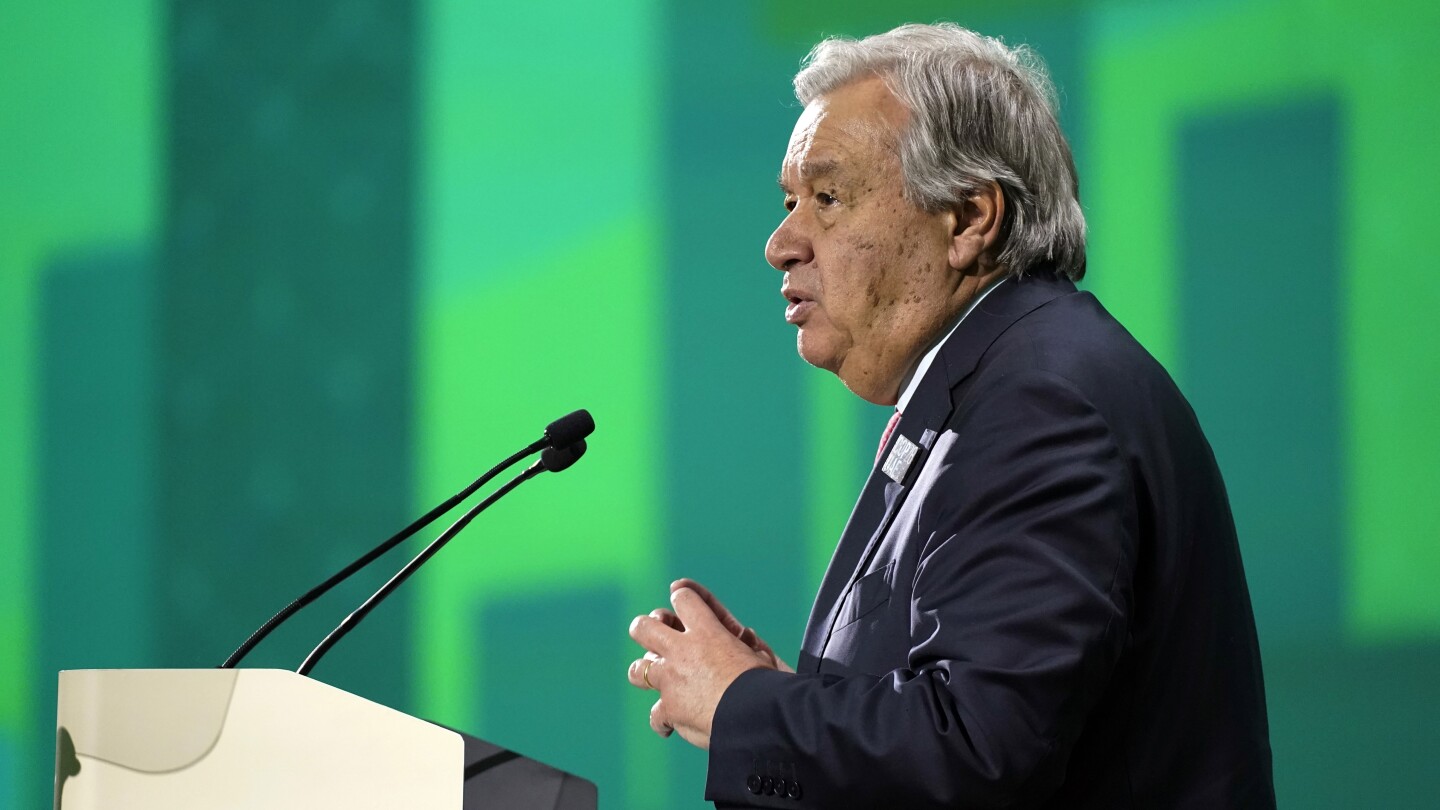
The Secretary-General expresses regret over the US decision to withdraw from certain UN entities but affirms that the UN will continue to fulfill its mandates and responsibilities regardless.
The US has announced it will consider global candidates for the next UN Secretary-General, emphasizing merit over regional rotation, which may upset Latin American countries expecting their turn for leadership. The race, starting with nominations from member states, also faces growing calls for a female leader, with some countries nominating prominent women, while Russia emphasizes merit over gender. The final decision involves the Security Council and the General Assembly, with regional and gender considerations influencing the process.
UN Secretary-General Antonio Guterres has invoked Article 99 of the UN Charter, a rarely used provision, to warn the Security Council of an impending "humanitarian catastrophe" in Gaza and urge an immediate cease-fire. Article 99 allows the secretary-general to bring attention to matters that threaten international peace and security. Guterres believes that the humanitarian system in Gaza is collapsing and warns of a complete breakdown of civil order. Arab and Islamic nations have called for a humanitarian cease-fire, but the US, with veto power, has not supported it. Guterres sees a looming disaster with possible epidemics and mass displacement of Palestinians.
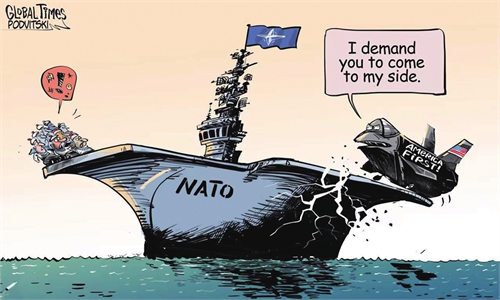
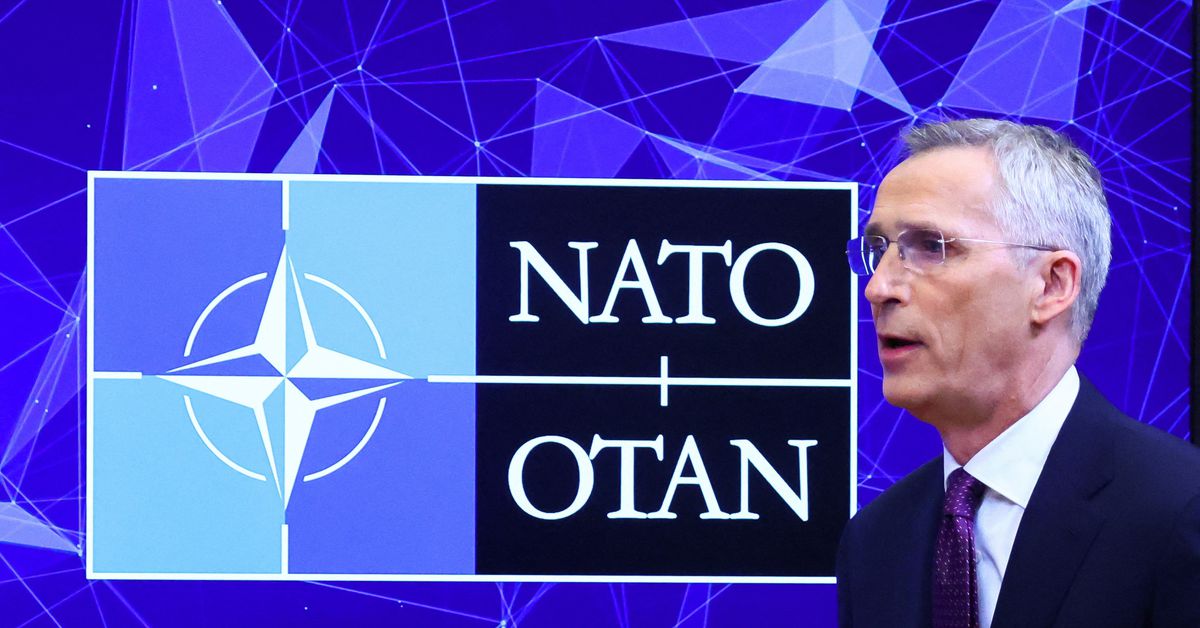
NATO members have failed to reach a consensus on a new successor, highlighting growing divergence within the alliance. As the organization struggles to find common ground on issues such as the Russia-Ukraine conflict and its approach to China, Secretary General Jens Stoltenberg's tenure has been extended for another year. Potential successors have been floated, but none have garnered the support of all NATO members. The delay in selecting a successor is partly due to US President Joe Biden's push for European Commission President Ursula von der Leyen to take the role. The new NATO chief will have to manage differences over NATO's involvement in Asia, with the US advocating for a greater role in countering China while some European countries emphasize strategic autonomy and a focus on the North Atlantic. These divergences are expected to continue to build up and create conflicts among NATO members.
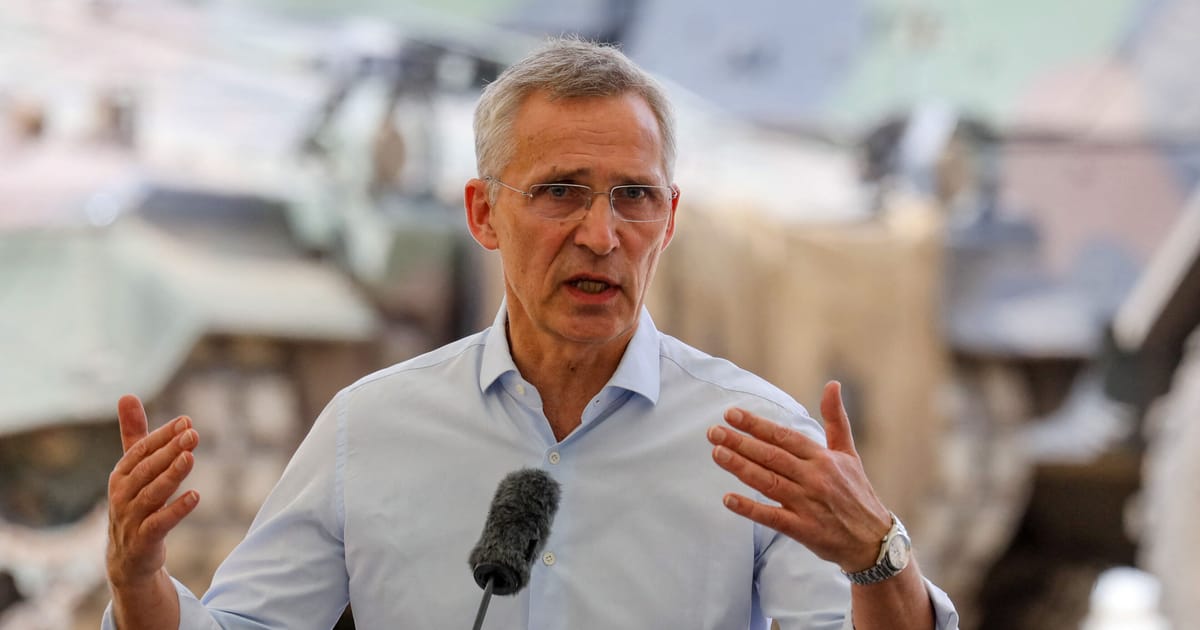
NATO allies have agreed to extend Jens Stoltenberg's term as Secretary-General until October 2024, reflecting the politically sensitive and challenging nature of finding a suitable candidate. Stoltenberg, who has served as NATO chief since 2014, is respected for his calm demeanor and ability to navigate the complexities of the alliance. The decision comes ahead of a NATO summit and highlights the importance of the transatlantic bond in an increasingly dangerous world.
Jens Stoltenberg is expected to be asked to remain as NATO Secretary General for another year, as the alliance has struggled to decide on a replacement ahead of a mid-July summit in Lithuania. Stoltenberg's term has already been prolonged three times and he is due to step down in September after nine years as Secretary General of the military alliance. The Norwegian has broad support among the alliance and continues to be an effective leader.
NATO Secretary-General Jens Stoltenberg is likely to have his term extended as members struggle to agree on a replacement. President Joe Biden and his NATO counterparts are due to choose a successor when they meet for a summit in Vilnius, Lithuania, on July 11-12. However, no candidate has been proposed publicly, and leaders usually decide by consensus on who should be appointed. Biden made it clear to Stoltenberg that he would welcome him sticking around longer. Stoltenberg has been NATO’s top civilian official since 2014.
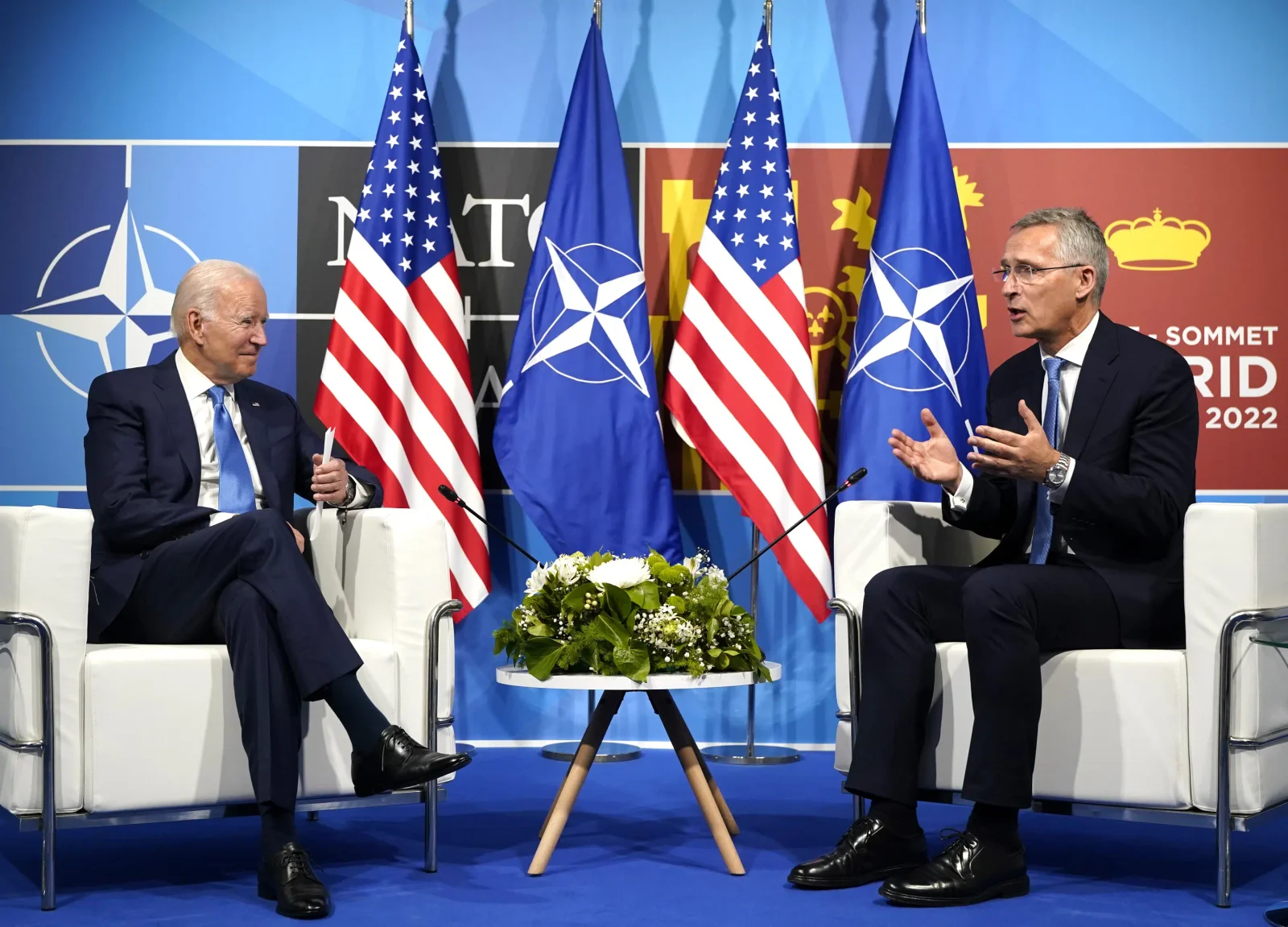
President Joe Biden will meet with outgoing NATO Secretary-General Jens Stoltenberg to discuss the upcoming NATO summit and the search for his successor. The competition to replace Stoltenberg is intensifying as leaders of the 31-member military alliance are set to meet next month for their annual summit in Vilnius, Lithuania. Stoltenberg is in the midst of a tour of NATO capitals to meet with leaders ahead of the summit. The meeting with Biden was rescheduled for Tuesday because the president underwent an unexpected root canal procedure after experiencing dental pain.
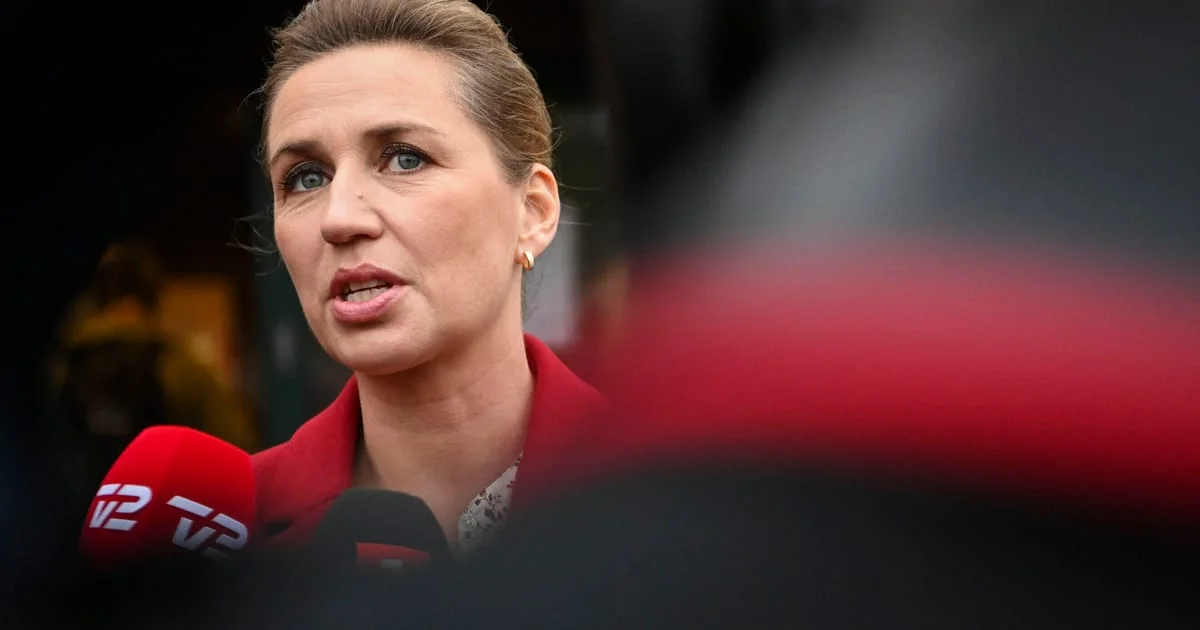
Danish Prime Minister Mette Frederiksen's upcoming visit to the White House has sparked speculation that she could be a serious contender to lead NATO, which traditionally requires Washington's blessing. Frederiksen checks off several boxes, including being a female candidate and a strong Ukraine supporter. However, Denmark's lagging defense spending and the fact that a former Danish Prime Minister previously held the NATO role could be concerns. Other possible candidates include Dutch Prime Minister Mark Rutte, Spanish Prime Minister Pedro Sánchez, British Defense Secretary Ben Wallace, and Estonian Prime Minister Kaja Kallas.