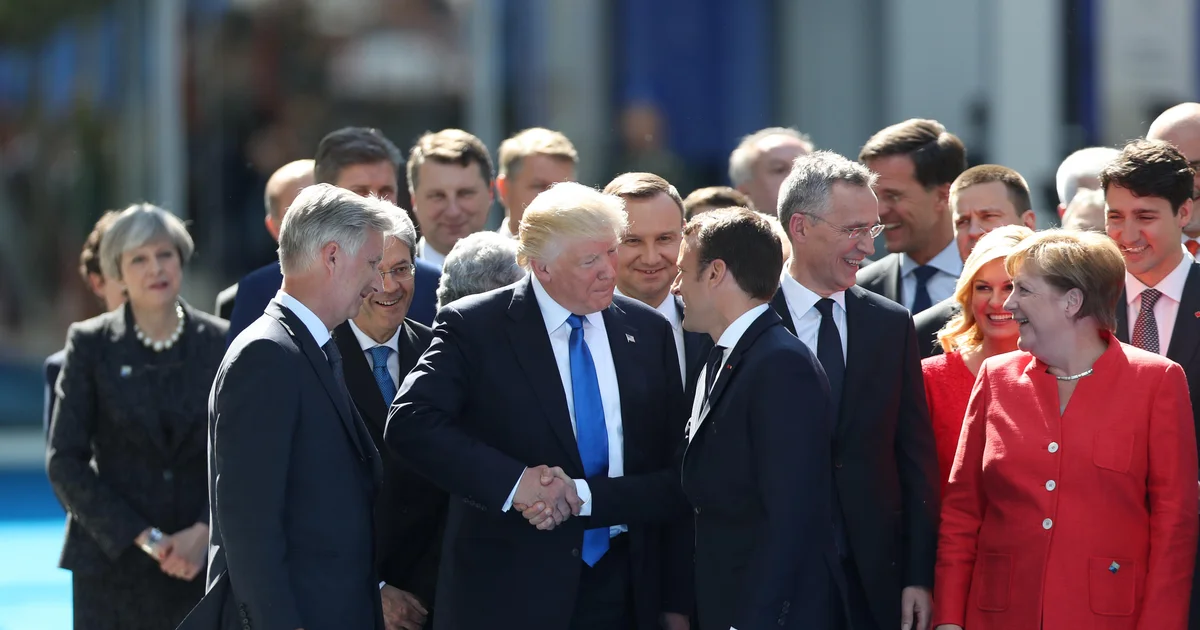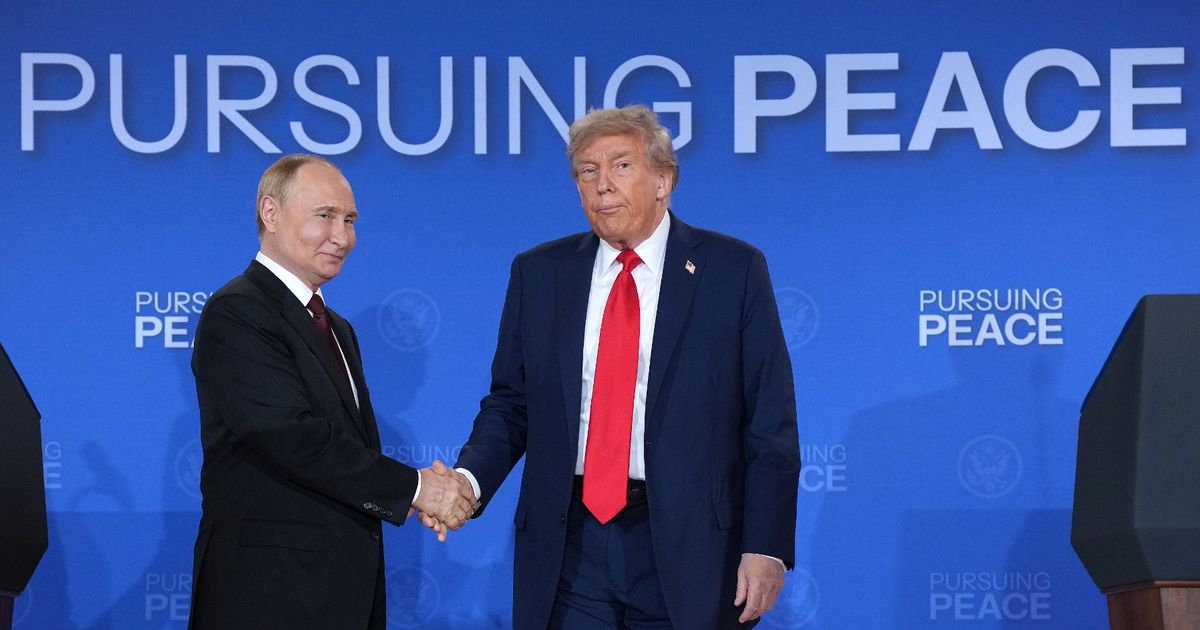
Donald Trump was criticized for allegedly calling Norway's Finance Minister Jens Stoltenberg to discuss his bid for the Nobel Peace Prize, which critics labeled as desperate and embarrassing, amid broader tensions over his diplomatic efforts and threats of tariffs on Norway.
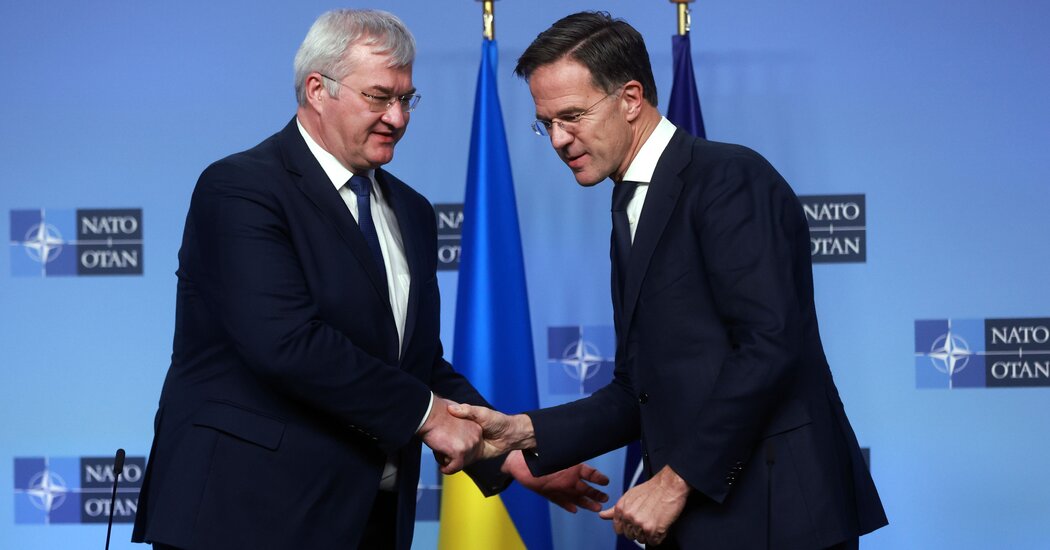
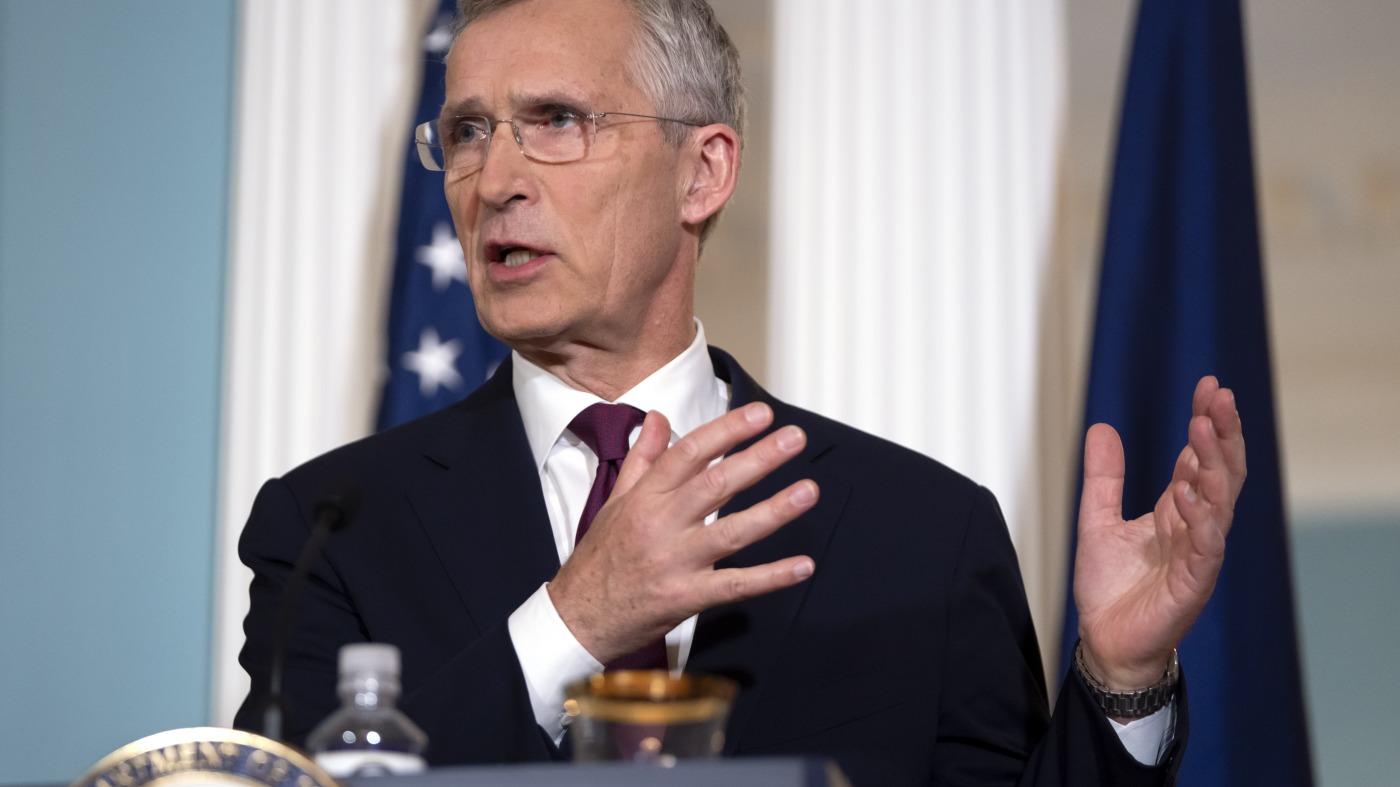
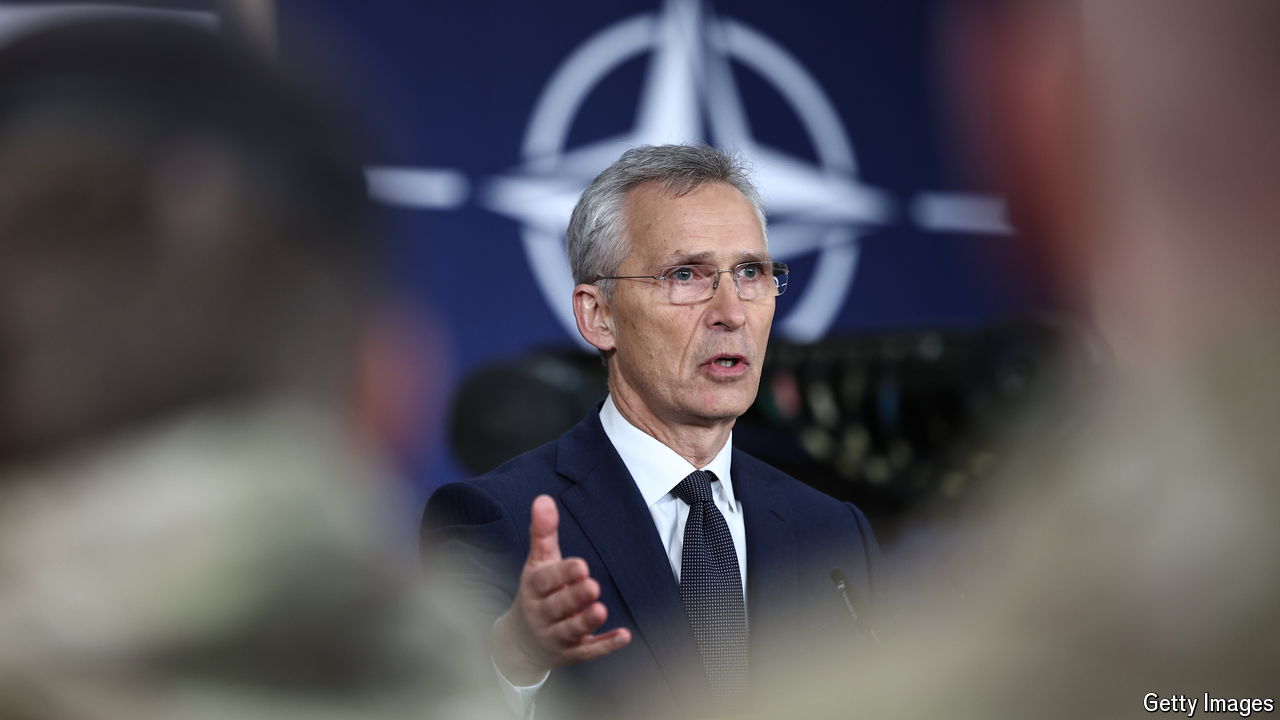
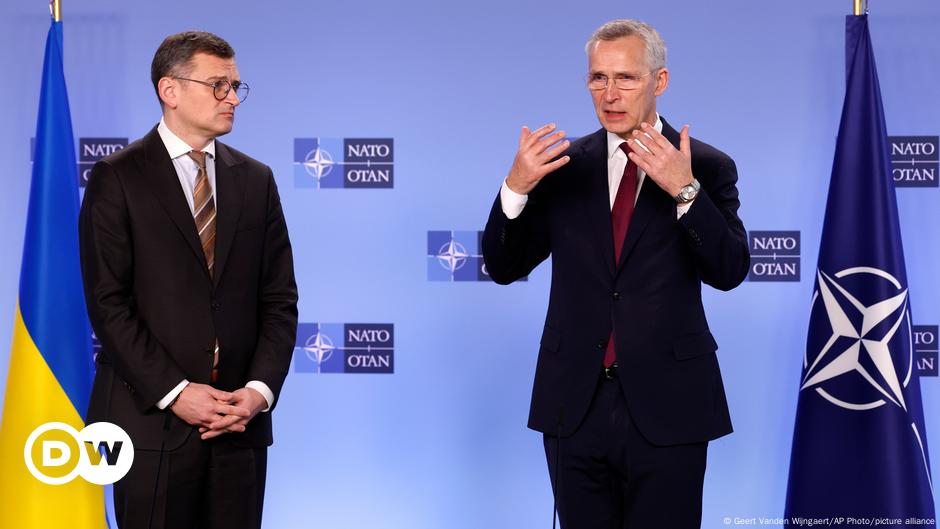
NATO Secretary-General Jens Stoltenberg has called for increased military support for Ukraine, emphasizing the need for more weapons to strengthen its position before any potential peace negotiations with Russia. Stoltenberg's remarks highlight the alliance's commitment to bolstering Ukraine's defense capabilities amid ongoing conflict.
NATO Secretary-General Jens Stoltenberg has called for increased military support for Ukraine, emphasizing the need for more weapons to strengthen Ukraine's position ahead of any potential peace negotiations with Russia.
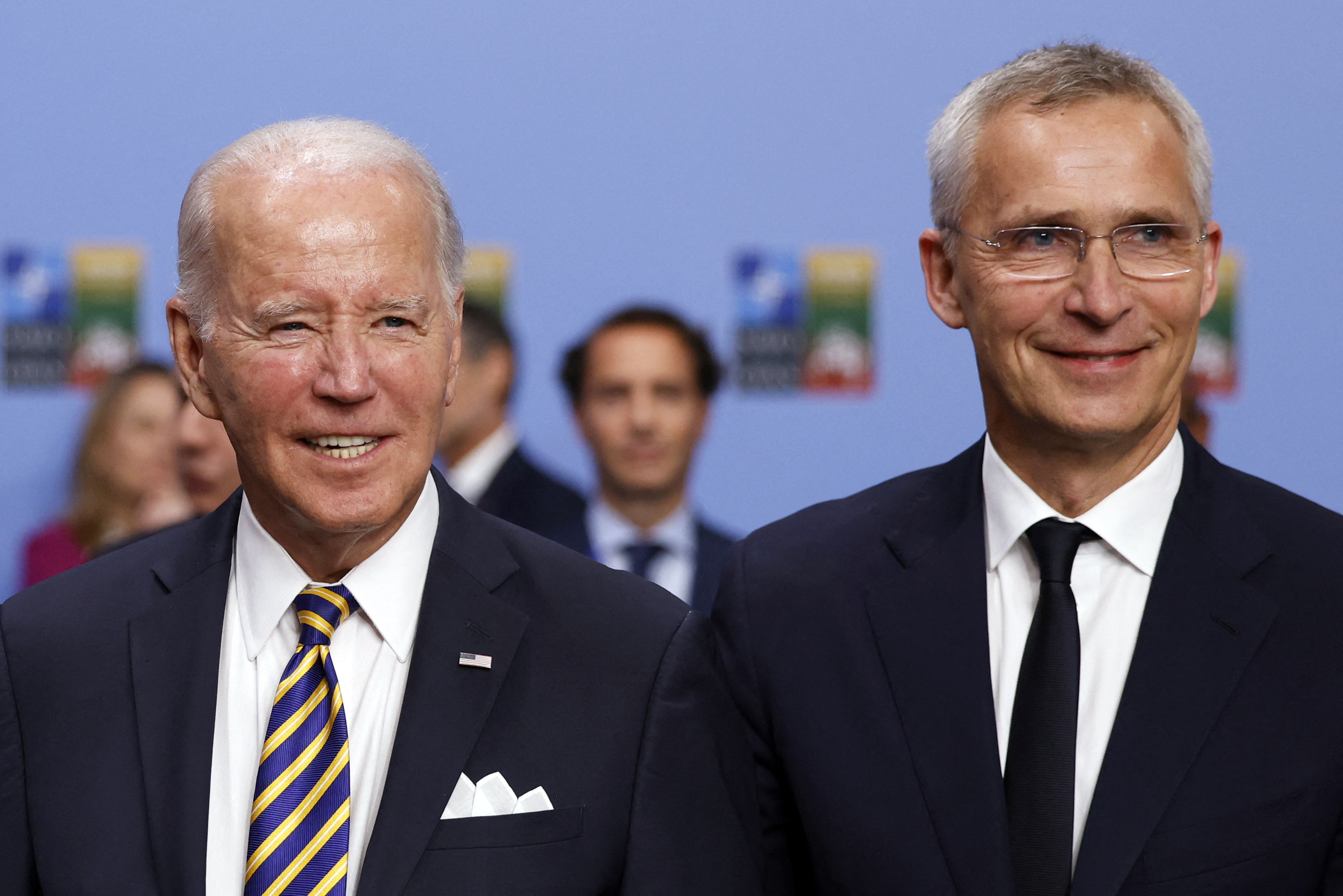
Outgoing NATO Secretary General Jens Stoltenberg emphasizes the importance of unity between North America and Europe amid the ongoing war in Ukraine and rising global tensions. As NATO prepares for its 75th anniversary and a leadership change, Stoltenberg highlights the challenges posed by the alignment of authoritarian powers like Russia, China, North Korea, and Iran. He also addresses the potential consequences for China over its support for Russia and reassures that NATO's unity remains strong despite the rise of populist movements questioning the alliance's relevance.
NATO Secretary-General Jens Stoltenberg and Finnish President Alexander Stubb have stated that Russia poses no immediate military threat to NATO, but emphasized the need to strengthen Ukraine and NATO's own defenses to deter future aggression. They assured that NATO remains the world's strongest military alliance and that there are no plans to deploy NATO troops to Ukraine.
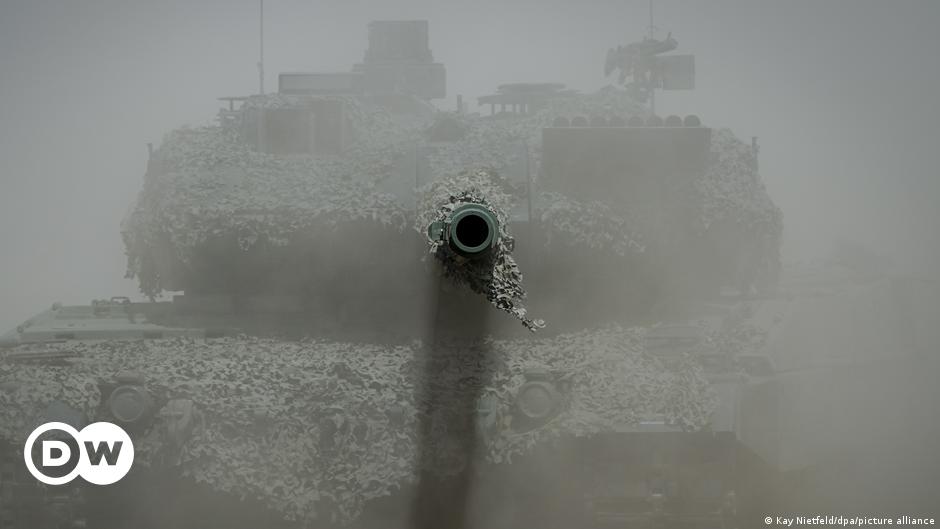
NATO chief Jens Stoltenberg dismissed Russian President Vladimir Putin's warnings about escalating conflict if Ukraine uses Western weapons to strike inside Russia, emphasizing Ukraine's right to self-defense. This follows the U.S. lifting restrictions on Ukraine using American weapons to target Russian forces attacking Kharkiv. While some NATO allies support this stance, others, like Italy, remain cautious due to constitutional constraints.
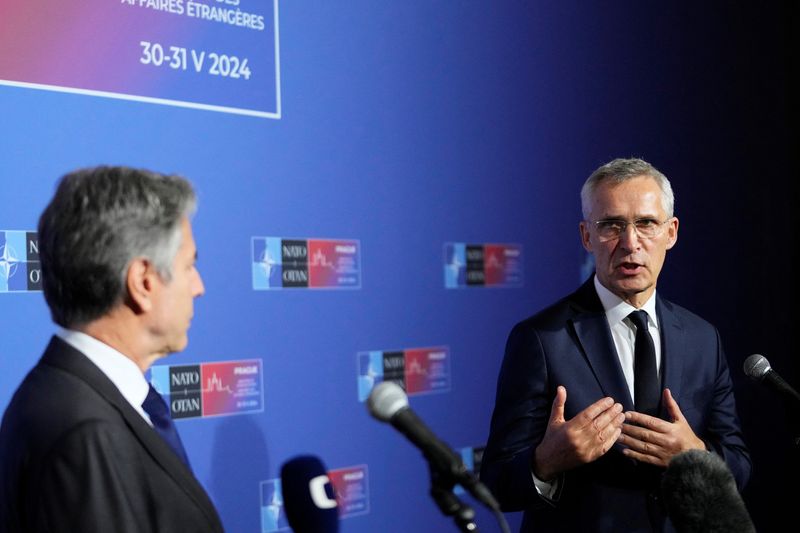
NATO Secretary-General Jens Stoltenberg emphasized the need for continued military aid to Ukraine, asserting that Russia cannot "wait out" the alliance's support. He called for a long-term financial commitment from NATO members and confirmed that NATO will play a greater role in coordinating aid and training for Ukrainian forces. US Secretary of State Antony Blinken also confirmed that the US has authorized Ukraine to use American weapons to strike Russian territory, dismissing concerns about escalation.
NATO chief Jens Stoltenberg dismissed Russian President Vladimir Putin's warnings about escalating the conflict if Ukraine uses Western weapons to strike inside Russian territory. Stoltenberg emphasized that Ukraine has the right to self-defense and that NATO's support does not make its allies parties to the conflict. This comes after the U.S. approved Ukraine's use of American weapons to counter Russian attacks on Kharkiv, with mixed reactions from other NATO members.
With the potential of a second Trump presidency, NATO allies are preparing to boost defense spending and create a shared Ukraine aid fund to reduce U.S. financial burden and maintain alliance stability. NATO Secretary General Jens Stoltenberg has proposed a $107 billion, five-year military aid package for Ukraine. Trump's previous term saw criticism of NATO members' defense spending, and his campaign indicates a continued push for increased contributions. Concerns remain about Trump's unpredictability and potential moves to withdraw or reduce U.S. involvement in NATO, which could destabilize the alliance.
The Kremlin criticized NATO Secretary-General Jens Stoltenberg for suggesting that NATO members should allow Ukraine to use Western weapons to strike deep into Russia, viewing it as a direct confrontation. Russian officials warned that such actions could escalate tensions to the brink of a global conflict, reminiscent of the Cuban Missile Crisis.
NATO chief Jens Stoltenberg has suggested that allies should consider lifting restrictions on Ukraine's use of American weapons to target Russian territory, a stance that contrasts with U.S. President Joe Biden's current policy but is supported by key U.S. lawmakers like House Speaker Mike Johnson. This debate comes as Ukraine faces ammunition and troop shortages, with Ukrainian President Volodymyr Zelensky urging the U.S. to change its stance to better defend against Russian advances.
NATO Secretary-General Jens Stoltenberg has urged NATO allies to lift restrictions on Ukraine using Western-supplied weapons to strike military targets inside Russia, challenging the policy maintained by U.S. President Joe Biden.
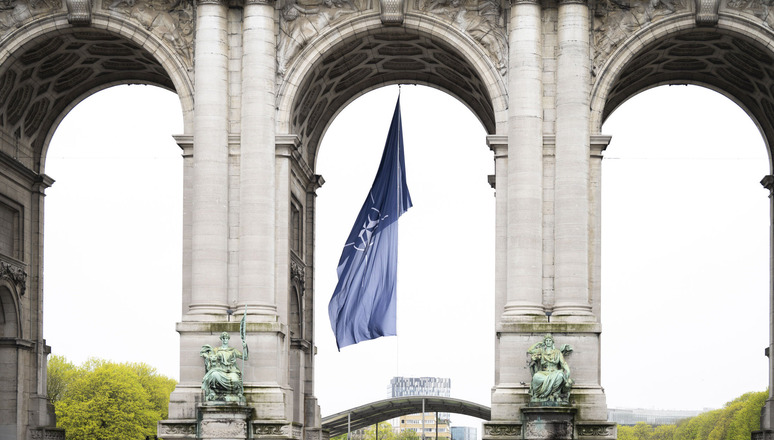
NATO foreign ministers gathered in Brussels to celebrate the 75th anniversary of the Alliance's founding document, the North Atlantic Treaty, with Secretary General Jens Stoltenberg emphasizing the organization's growth and unity. Monuments throughout Brussels are marking the occasion, with the city illuminated in NATO blue and the iconic Manneken Pis statue wearing a special NATO Day costume. Other Allies are also holding events to commemorate the anniversary.
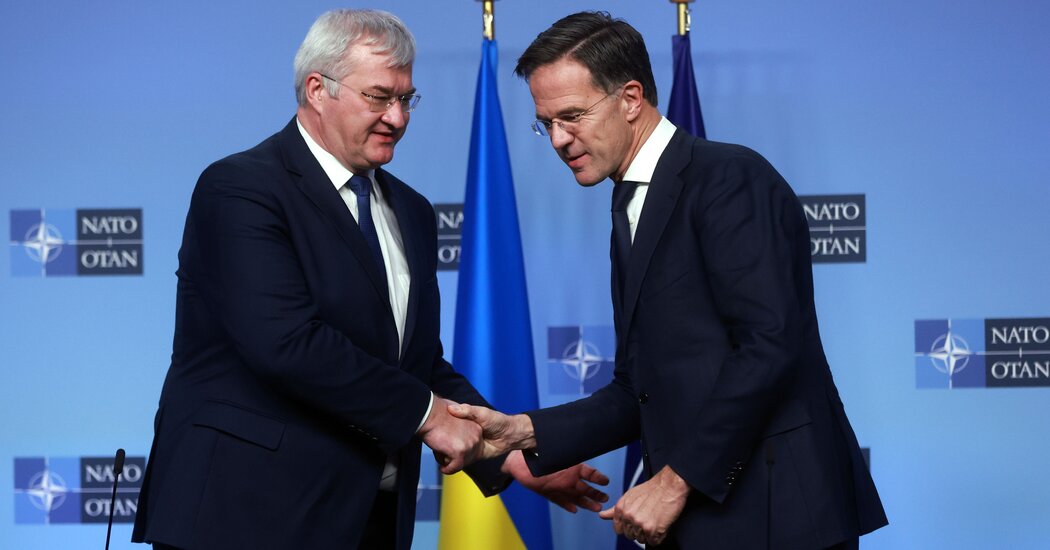
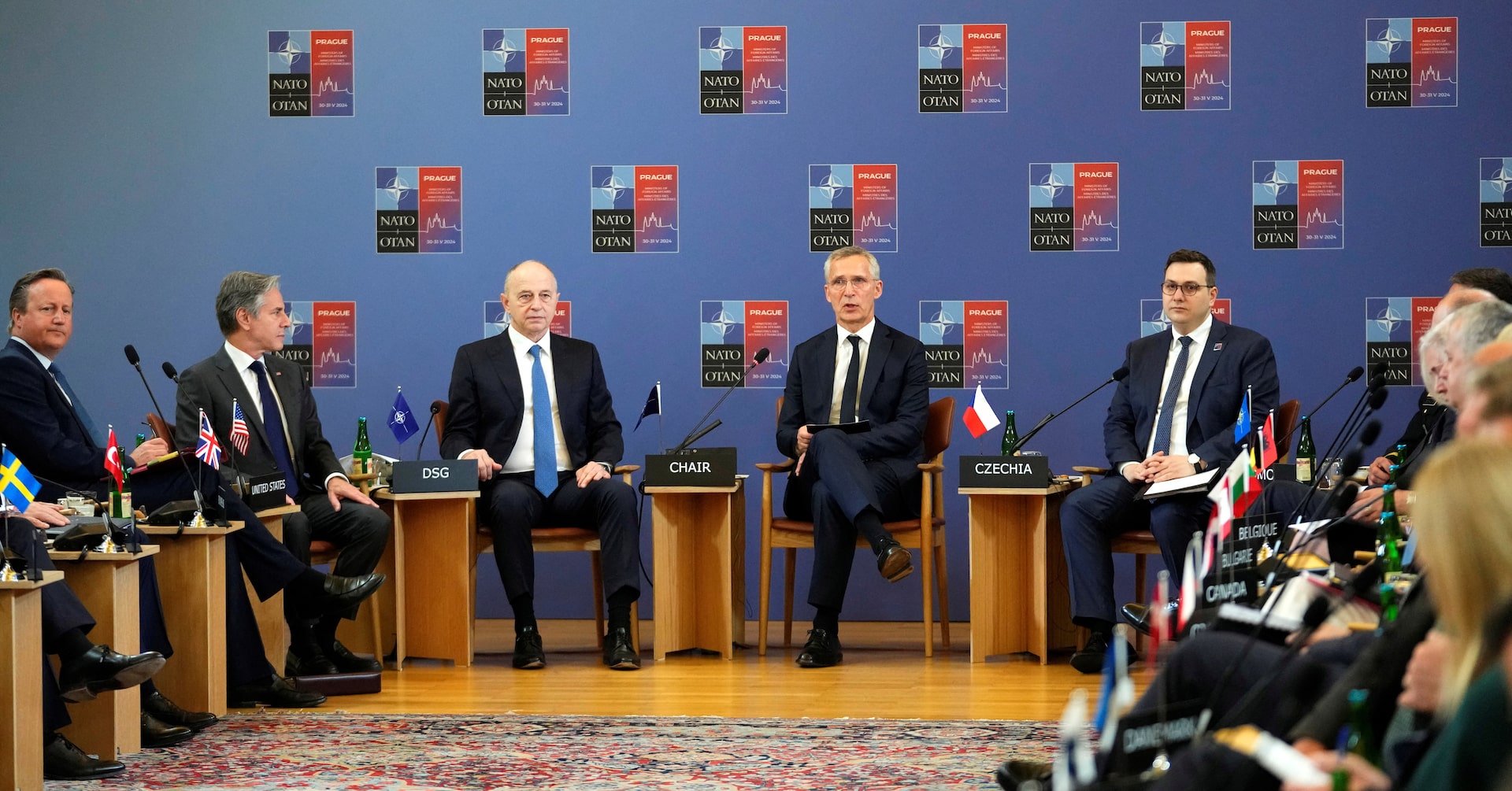
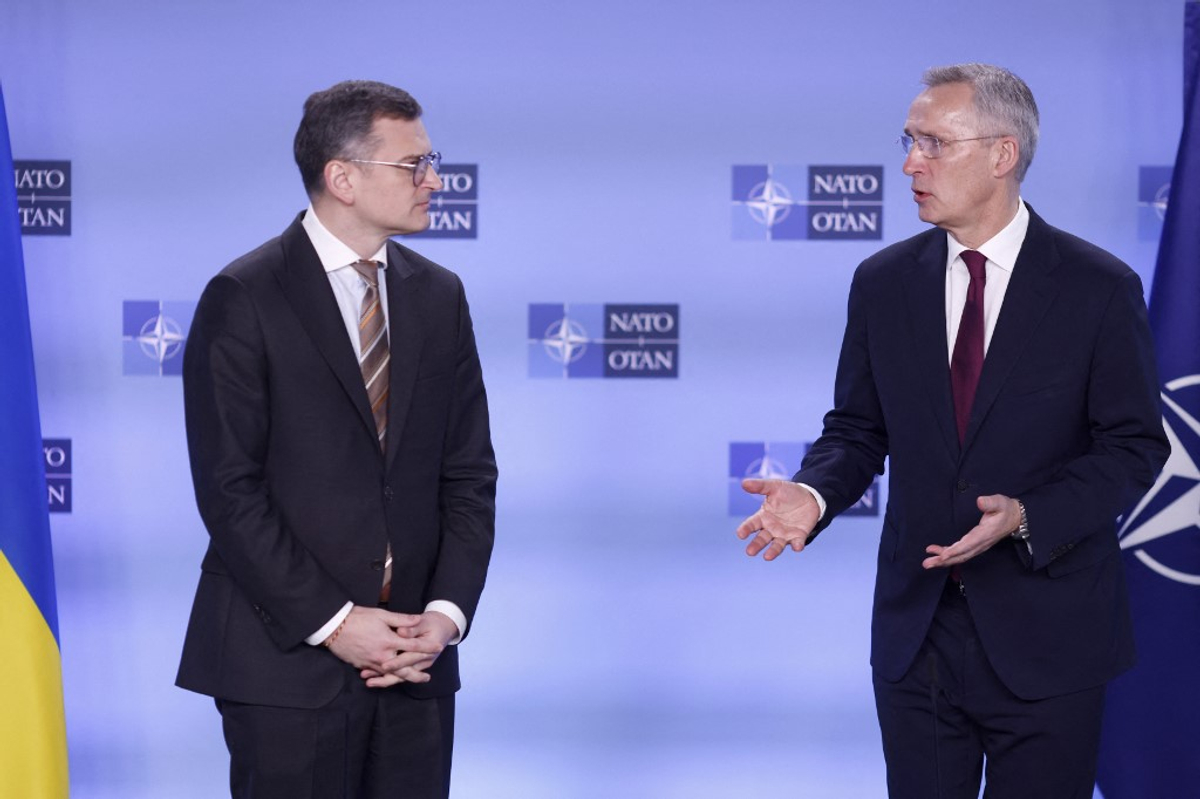
NATO foreign ministers concluded their two-day summit in Brussels, emphasizing unity and discussing long-term viability of the alliance. Germany's Foreign Minister described NATO as a crucial security anchor in Europe, while US Secretary of State reiterated strong support for Ukraine's eventual NATO membership. The Kremlin accused NATO of direct confrontation and destabilizing influence, while NATO discussed plans to provide systematic military support and €100 billion in long-term aid for Ukraine.
NATO Secretary General Jens Stoltenberg stated that an invitation for Ukraine to join NATO would effectively mean its membership, with unanimous agreement among Allies and a streamlined process without intermediary steps. Stoltenberg emphasized NATO's commitment to Ukraine's membership, contrasting it with the European Union's lengthier invitation-to-membership timeline, and stressed the need for clear assurances to end the war and prevent future Russian aggression, highlighting the ultimate security guarantee of Article 5 and NATO membership.