Many major news organizations, including CNN, The New York Times, and Newsmax, are refusing to sign new Pentagon press access rules that they consider restrictive and potentially violating the First Amendment, leading to a standoff over Pentagon media coverage and access.
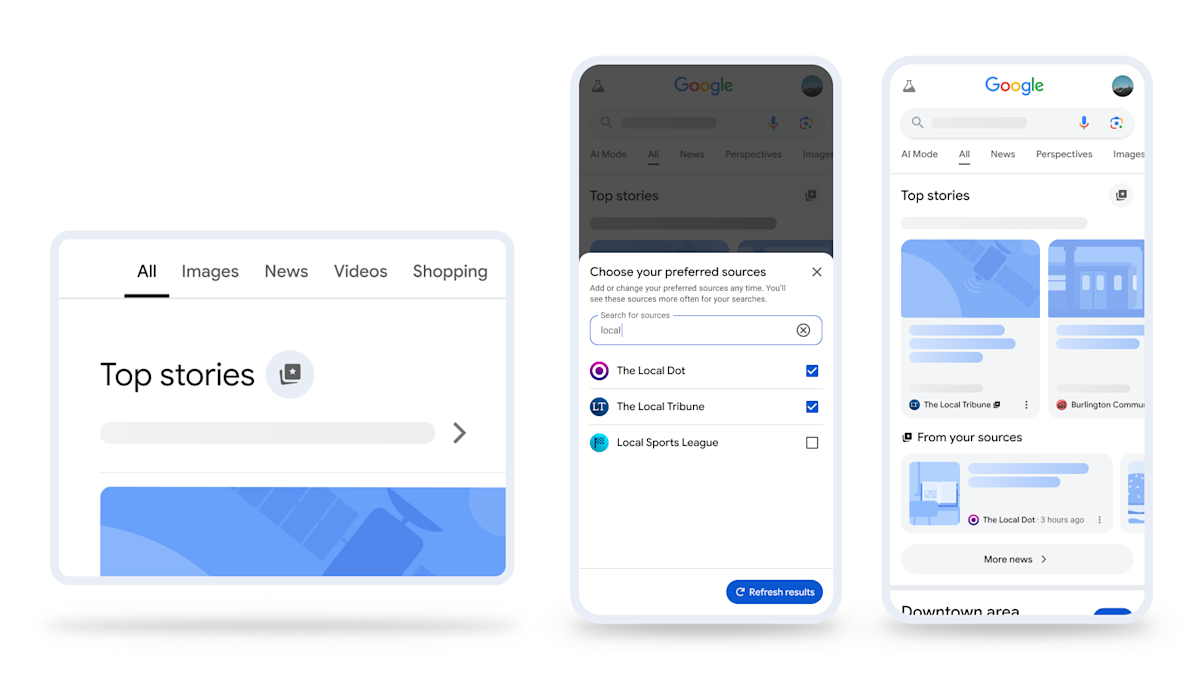
Google is rolling out a new feature called Preferred Sources, allowing users to prioritize specific websites or news outlets in search results, making it easier to see content from their favorite sources. The feature is now available in the US and India for English users, enabling personalized search experiences.
Major Canadian news outlets have filed a lawsuit against OpenAI, alleging copyright infringement. The case centers around the use of their content by OpenAI's language models without proper authorization or compensation. This legal action highlights ongoing concerns about intellectual property rights in the age of AI and digital content.
Canada has released draft rules for a law that would require internet giants like Google and Facebook to pay news outlets, aiming to address concerns raised by the tech companies. However, Facebook remains unconvinced and plans to continue blocking news in the country. The draft regulations propose that companies negotiate voluntary deals with news publishers and pay a portion of their global revenues. If companies fail to meet a payments threshold, mandatory bargaining overseen by the Canadian Radio-television and Telecommunications Commission (CRTC) may be required. The draft rules also emphasize the inclusion of independent local, Indigenous, and official language minority community news businesses in any agreements reached by Google and Facebook.
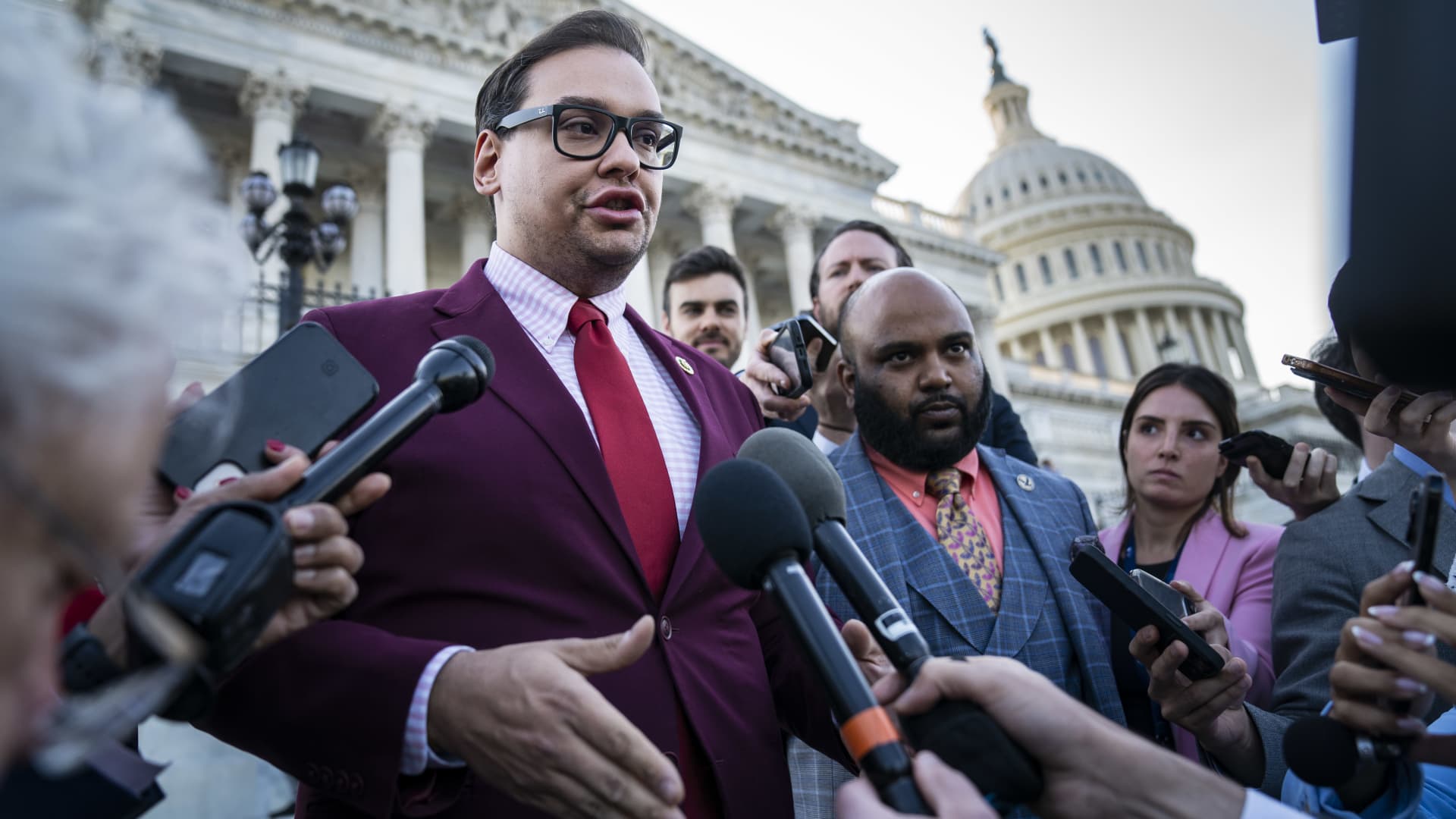
A federal magistrate judge has ordered the identities of the three people who guaranteed Rep. George Santos' $500,000 bail bond in his criminal fraud case to be revealed, despite Santos' lawyer arguing that their "health, safety and well being" could be at risk. Santos has until Friday to appeal the decision.