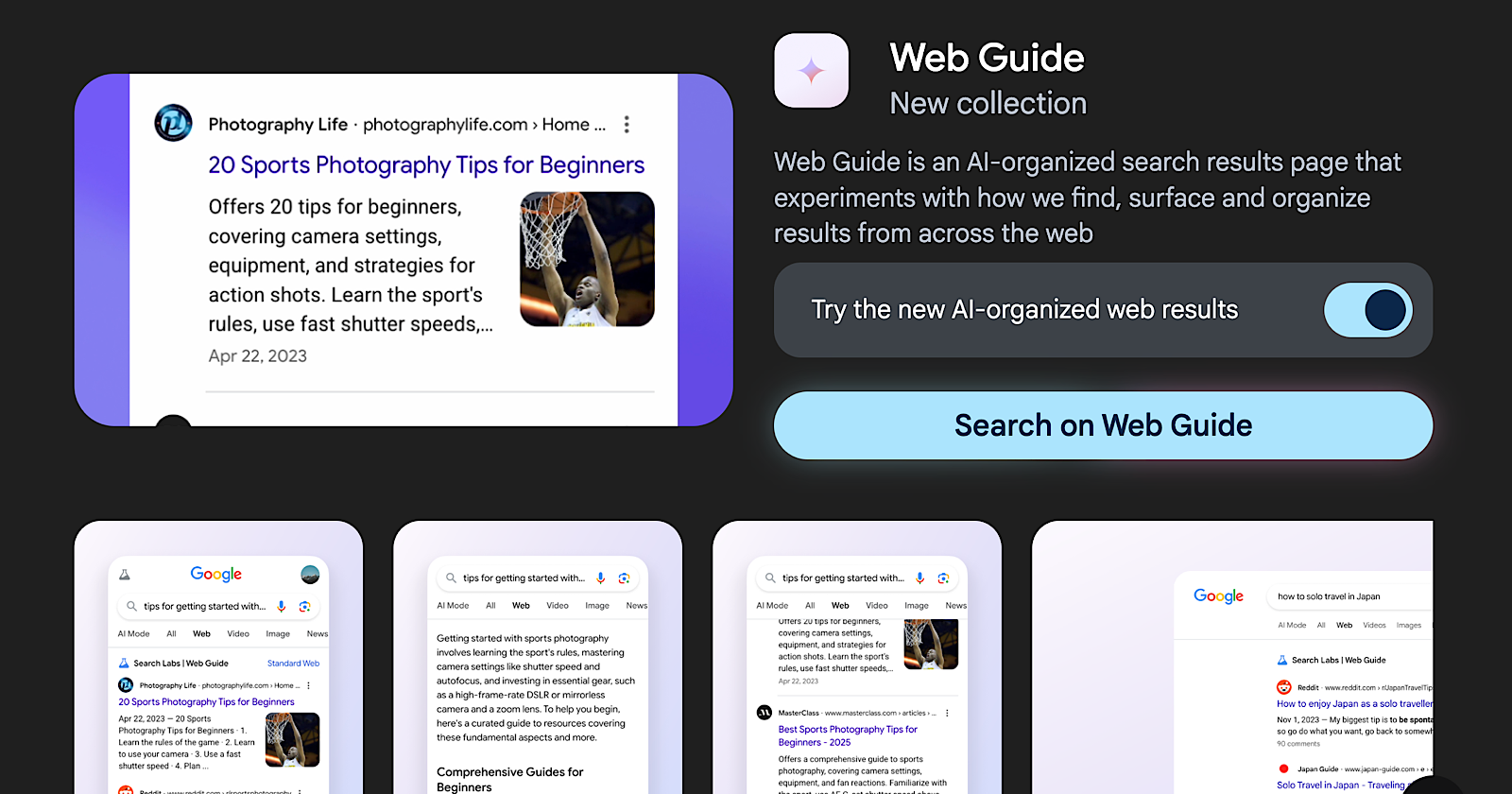
Google has introduced Web Guide, an experimental AI-powered feature in Search Labs that reorganizes search results into clusters based on user intent, aiming to enhance exploration and understanding of complex topics by grouping related links, and is available for users opting into Search Labs.
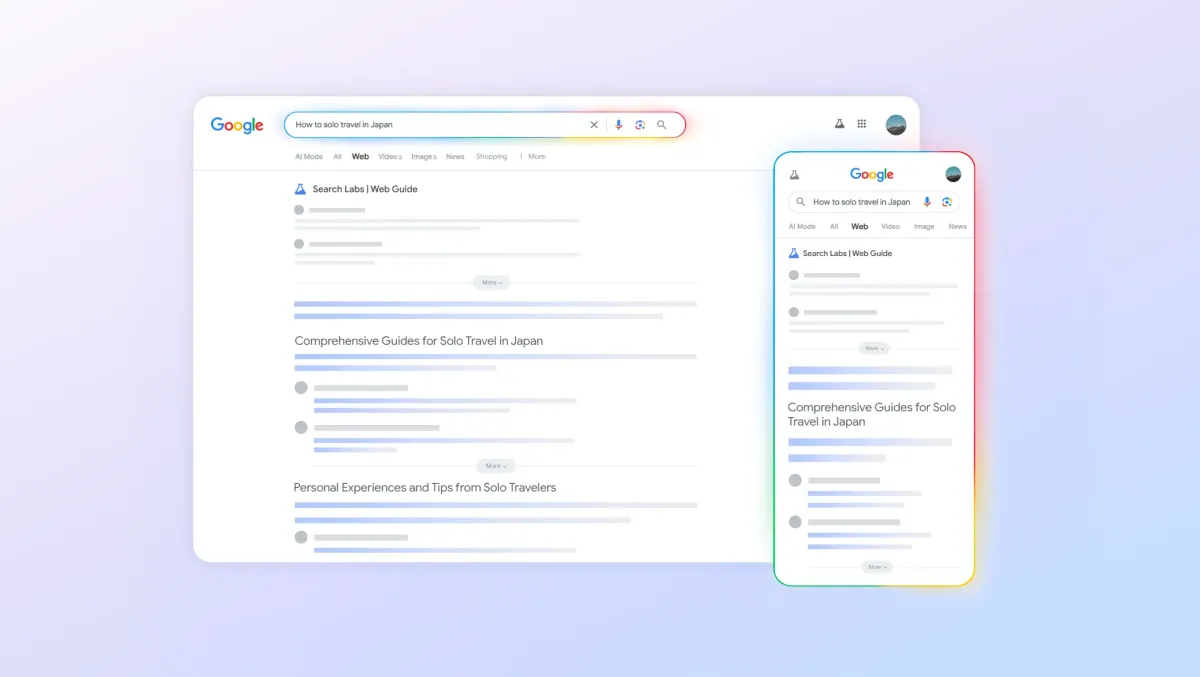
Google is testing a new AI-powered feature called Web Guide within Search Labs that organizes search results by grouping related pages, especially useful for complex or open-ended queries. Powered by Gemini, it aims to improve search relevance by providing categorized sections, and users can opt in or out of the experiment, which will eventually expand to other search areas.
Google is testing a new feature called 'Preferred sources' in Search Labs that allows users in the US and India to customize their Top Stories carousel by selecting favorite news sites, which will then appear more prominently alongside algorithmically selected results.
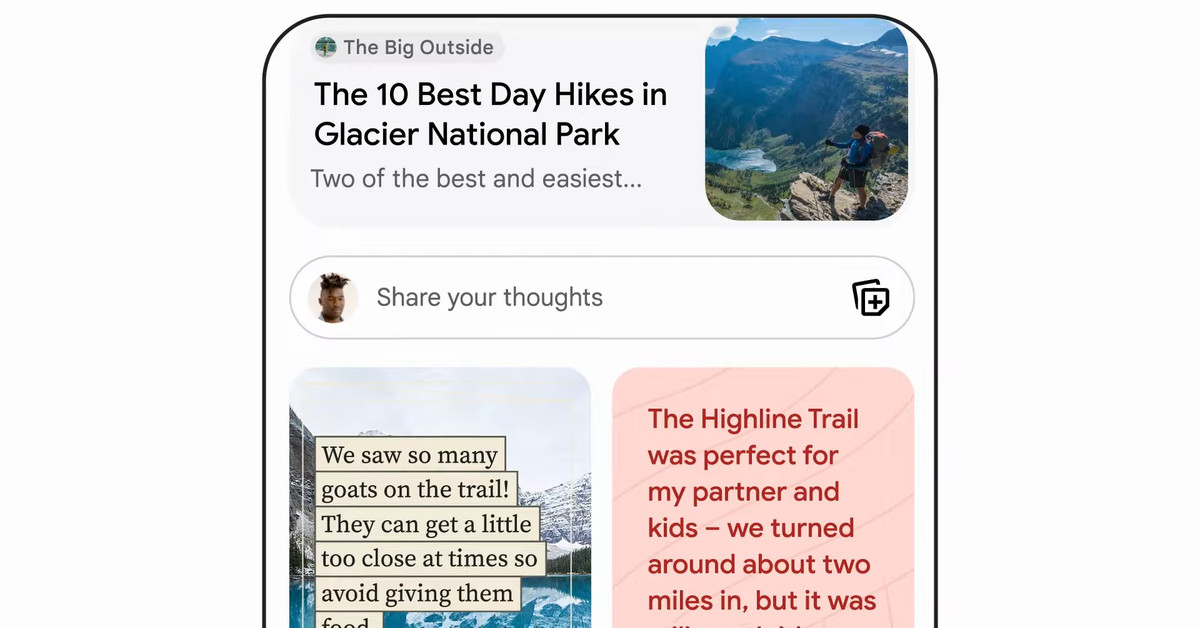
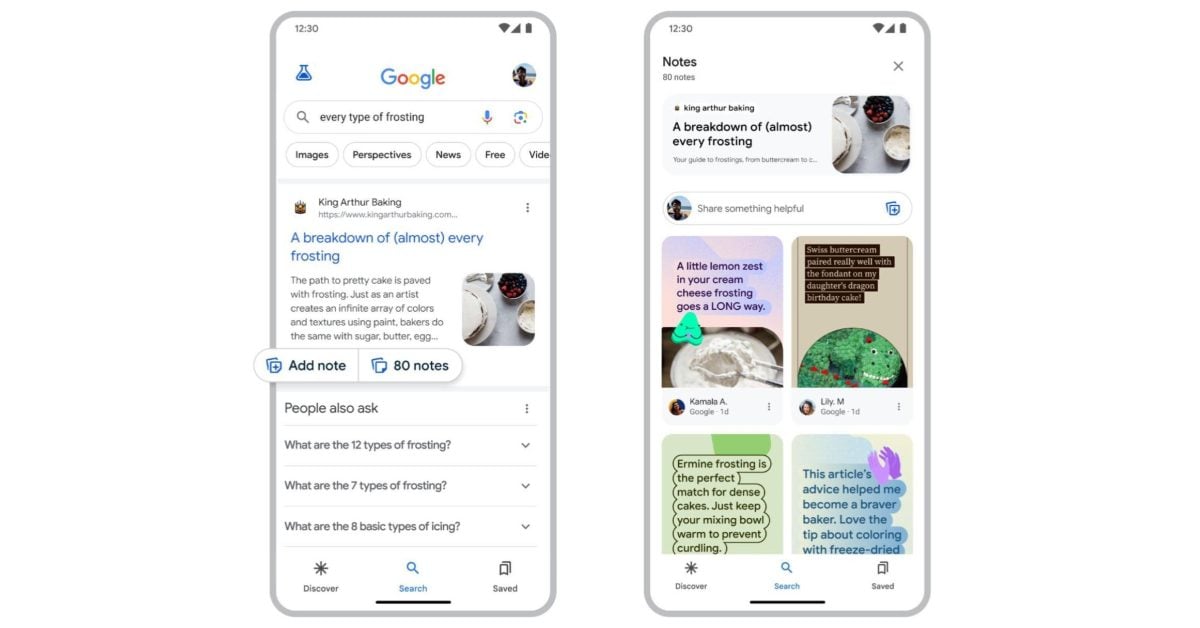
Google is ending its Notes experiment, which allowed users to add annotations to search results, due to insufficient popularity. The experiment, part of Search Labs, aimed to help users share knowledge directly on Search. Google plans to incorporate learnings from this test into future products.
Google is ending its Notes experiment in Search Labs, which allowed users to leave tips and comments on search results. The feature, which combined elements of forums and social media, will be available until the end of July, with users able to download their notes until the end of August. Google plans to use insights from this experiment to develop future products.
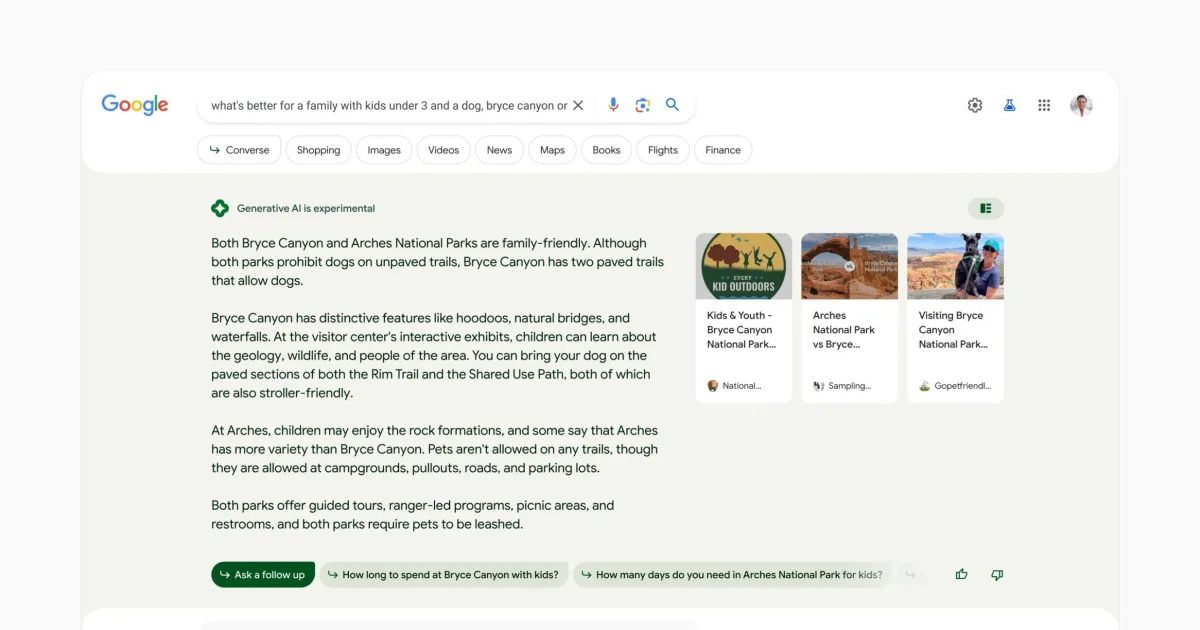
Google has started rolling out its new Google Search Generative Experience (SGE) to users on the Search Labs waitlist. SGE adds generative AI capabilities to Google Search results, with AI conversation prompts appearing below the search bar. SGE responses were compared to standard Google SERP features, with most AI-powered overviews including information from three to five publisher websites instead of the official website or social profiles for the topic at hand. While some SGE answers seemed to provide less value than typical SERP features, it’s important to remember that this is just the beginning of the future of AI search.
Google has begun rolling out its AI-powered search, Google Search Generative Experience (SGE), and other Search Labs in the US. SGE uses conversational AI to provide generative AI results in a shaded section below the search bar, with a button to expand the snapshot and add cards showing the sourced articles. Google is also opening access to other Search Labs, including Code Tips and Add to Sheets. Users can sign up for the waitlist to access these features.