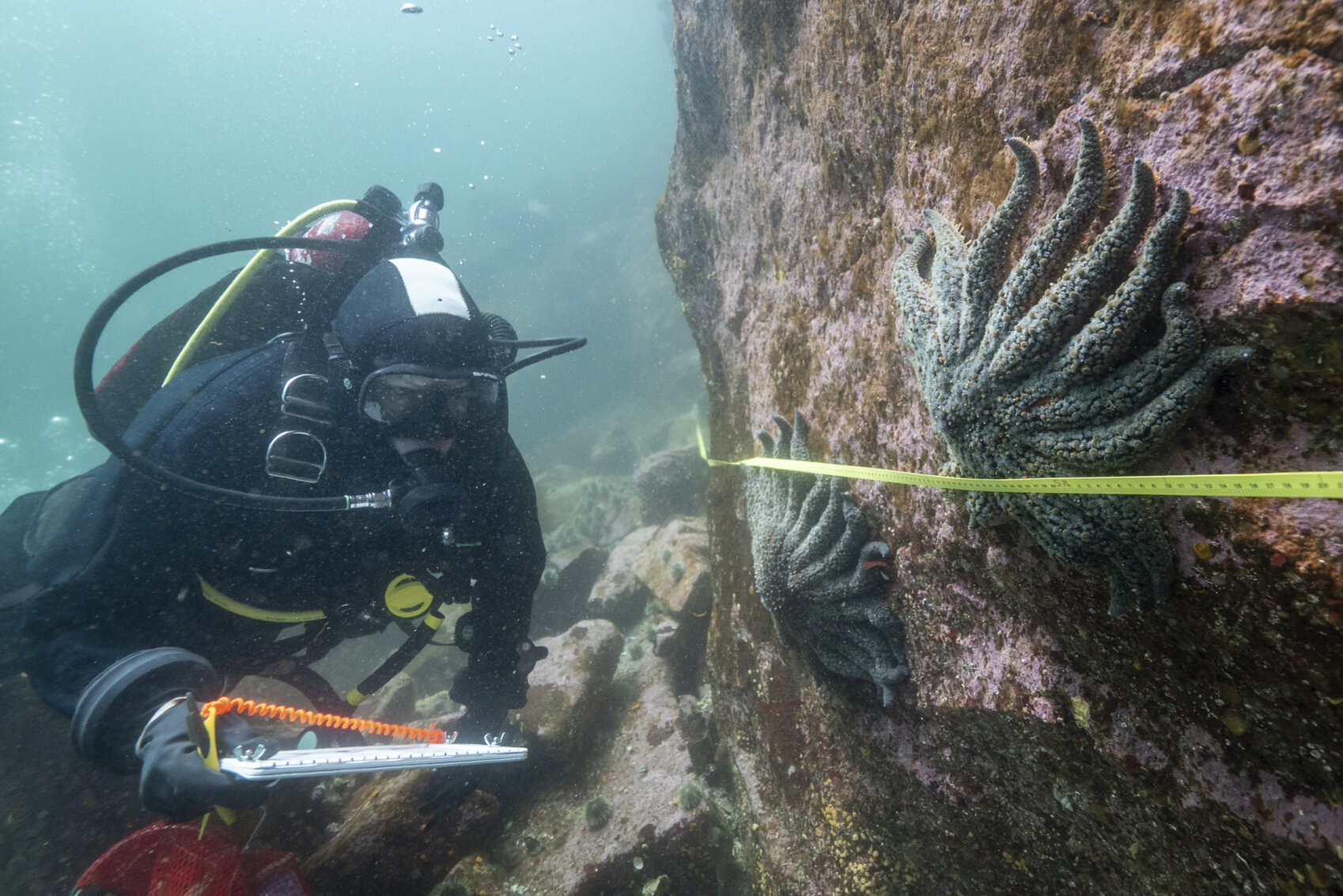
Scientists have identified bacteria Vibrio pectenicida as the cause of the decade-long epidemic that killed over 5 billion sea stars along the Pacific coast, leading to ecological impacts like the explosion of sea urchins and destruction of kelp forests, and opening avenues for potential recovery efforts.
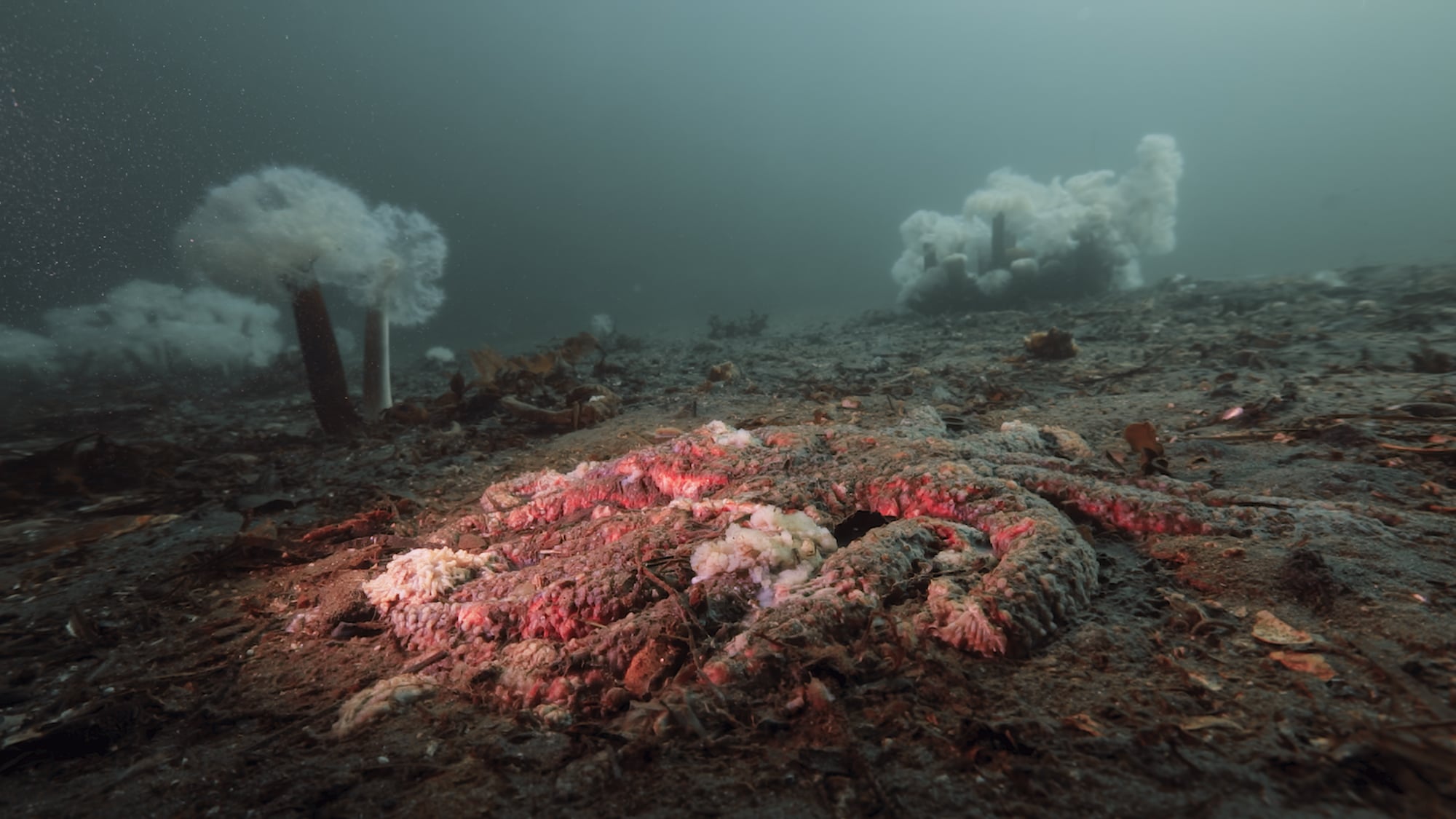
Researchers have identified the bacteria Vibrio pectenicida as the cause of sea star wasting disease, which has decimated sea star populations along the West Coast, leading to ecological disruptions such as unchecked sea urchin populations and kelp forest decline.
Scientists have identified the cause of sea star wasting disease as a strain of Vibrio pectenicida, leading to potential recovery efforts for affected species and ecosystems, especially kelp forests, which are vital for marine biodiversity and coastal protection.
Scientists have identified bacteria Vibrio pectenicida as the cause of the decade-long epidemic that killed over 5 billion sea stars along the Pacific coast, which has severely impacted marine ecosystems and kelp forests. This discovery opens avenues for potential interventions to help restore sea star populations and protect ocean habitats.
Scientists have identified the bacterium Vibrio pectenicida as the cause of sea star wasting disease, a devastating condition that has wiped out millions of sea stars along the West Coast, by conducting controlled infection experiments. This discovery paves the way for better detection and management strategies to help restore affected sea star populations and their ecosystems.
A new outbreak of sea-star wasting disease has been discovered along Florida's Atlantic coast, threatening nine-armed sea stars and potentially disrupting local marine ecosystems, with scientists uncertain about the exact cause but concerned about ecological impacts.