Tag

Scientific Instruments

All articles tagged with #scientific instruments

"NASA's Psyche Mission: Stunning First Images and Solar Revelation"
space2 years ago

"NASA's Psyche Mission: Stunning First Images and Solar Revelation"

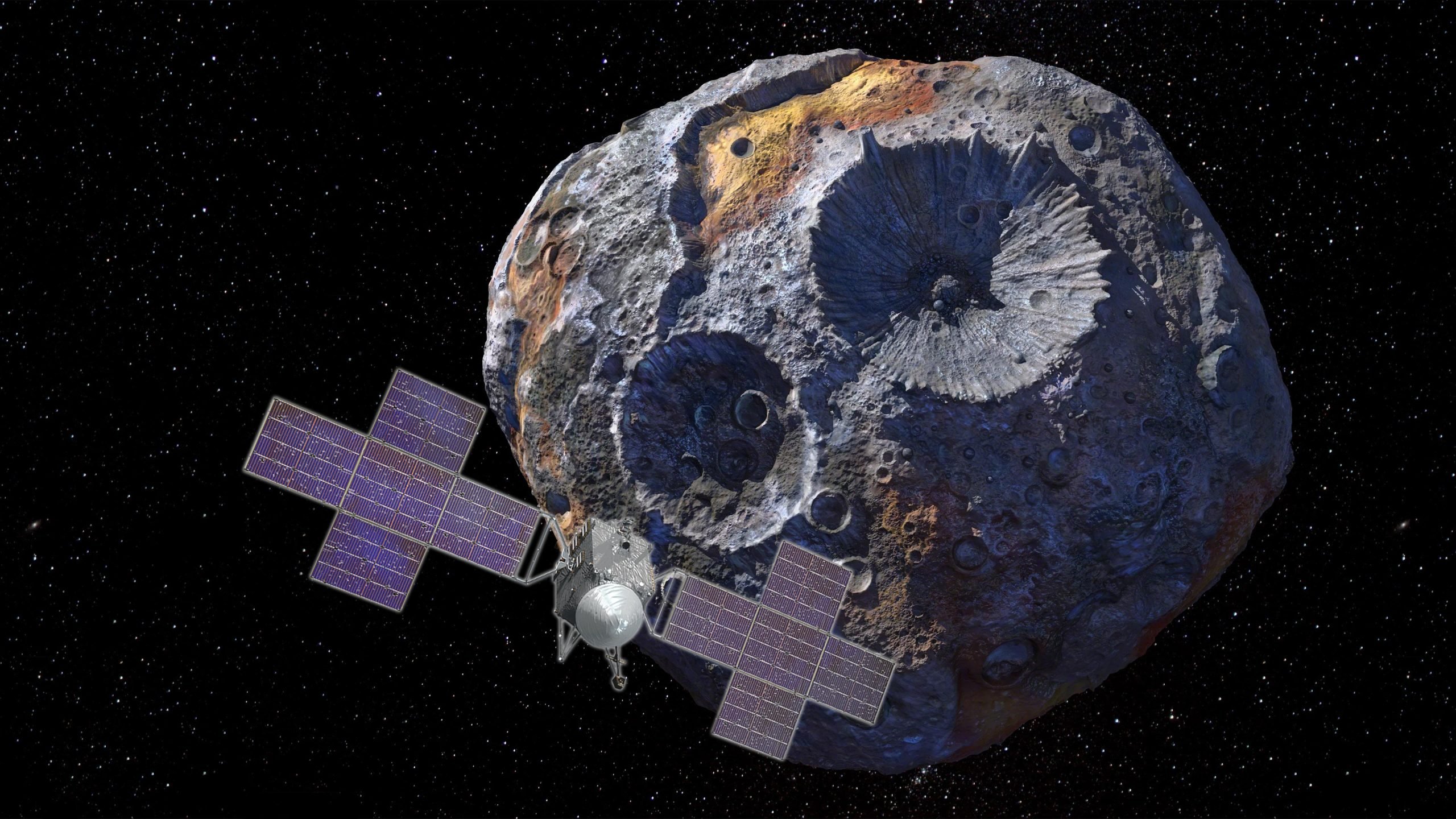
NASA's Psyche spacecraft, currently millions of miles from Earth, has successfully activated its scientific instruments and captured its first images using twin cameras. The spacecraft, which set a record with its electric thrusters, is on its way to the asteroid Psyche in the main asteroid belt between Mars and Jupiter. The mission team has also observed unexpected solar eruptions using the magnetometer instrument, which will provide crucial data about the asteroid's formation. Additionally, the spacecraft has achieved first light with its deep space optical communications experiment and powered on the gamma-ray detecting component of its third science instrument.

"NASA's Psyche Spacecraft Reveals Stunning First Images and Data"
space2 years ago

"NASA's Psyche Spacecraft Reveals Stunning First Images and Data"

NASA's Psyche spacecraft has achieved several milestones since its launch in October, including capturing its first images, setting a deep-space record with its electric thrusters, and successfully powering on its scientific instruments. The images, taken by the spacecraft's twin cameras, are being used to verify commanding, telemetry analysis, and calibration. The mission aims to study the metal-rich asteroid Psyche in the main asteroid belt and determine its composition and geology. The spacecraft is also equipped with a magnetometer to study the asteroid's magnetic field and a gamma-ray and neutron spectrometer to analyze its surface material.

ISRO Gears Up for India's Second Mars Mission
space2 years ago

ISRO Gears Up for India's Second Mars Mission

The Indian Space Research Organisation (ISRO) is preparing for its second mission to Mars, Mangalyaan-2, nine years after its successful first attempt. The mission will carry four scientific instruments to study various aspects of Mars, including interplanetary dust, the Martian atmosphere, and the environment. The instruments include a Mars Orbit Dust Experiment (MODEX), a Radio Occultation (RO) experiment, an Energetic Ion Spectrometer (EIS), and a Langmuir Probe and Electric Field Experiment (LPEX). The mission aims to further explore and understand Mars' atmosphere and contribute to scientific knowledge about the red planet.

"ESA's Euclid Space Telescope: Tracking the Solar System's Secrets from Space"
science-and-exploration2 years ago

"ESA's Euclid Space Telescope: Tracking the Solar System's Secrets from Space"

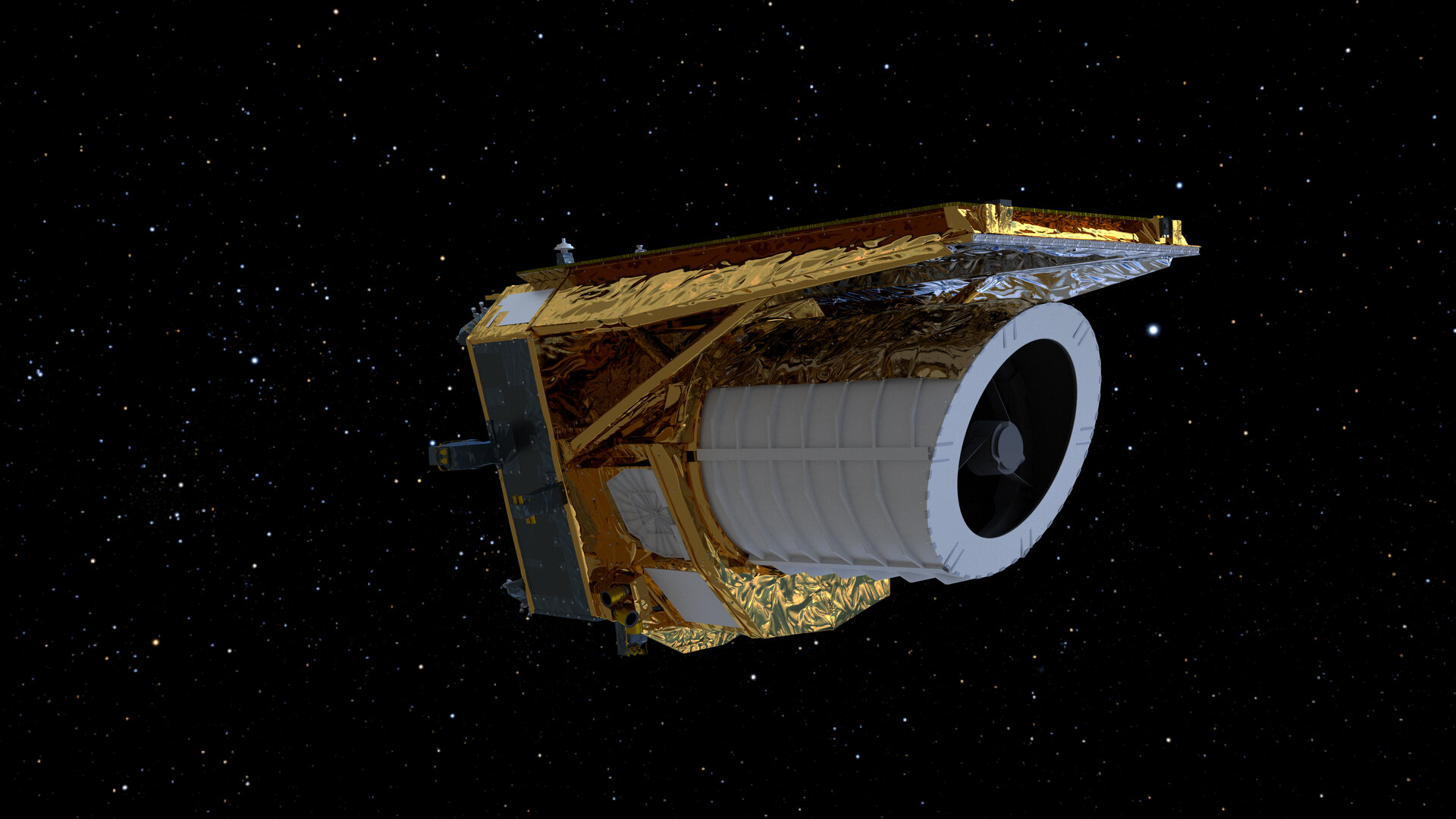
The Euclid spacecraft is on its journey to Lagrange point L2, and mission controllers at ESOC in Darmstadt are preparing the spacecraft's equipment, telescope, and scientific instruments for routine science observations. Recent operations include releasing the high-gain antenna, activating the wheel mechanisms inside the NISP instrument, and de-icing the telescope mirrors. Euclid is now the biggest transmitter of data from trans-lunar space, surpassing the James Webb Space Telescope. The spacecraft successfully executed critical orbit maneuvers and is on course to join Gaia and Webb around Sun-Earth Lagrange point 2.

ISRO Plans July Launch for Chandrayaan-3 Mission.
science-and-technology2 years ago

ISRO Plans July Launch for Chandrayaan-3 Mission.

The Indian Space Research Organisation (ISRO) is planning to launch its Chandrayaan-3 mission in July, which will carry scientific instruments to study the lunar regolith, seismicity, plasma environment, and elemental composition in the vicinity of the landing site. The mission also includes an experimental instrument to study the spectro-polarimetric signatures of the Earth from the lunar orbit. The spacecraft has successfully completed essential tests that validated its capability to withstand the harsh vibration and acoustic environment during launch. The mission aims to demonstrate critical technologies to land the spacecraft on the south pole of the moon.

NASA's Innovative Solution Keeps Voyager 2 Mission Going Strong
space2 years ago

NASA's Innovative Solution Keeps Voyager 2 Mission Going Strong

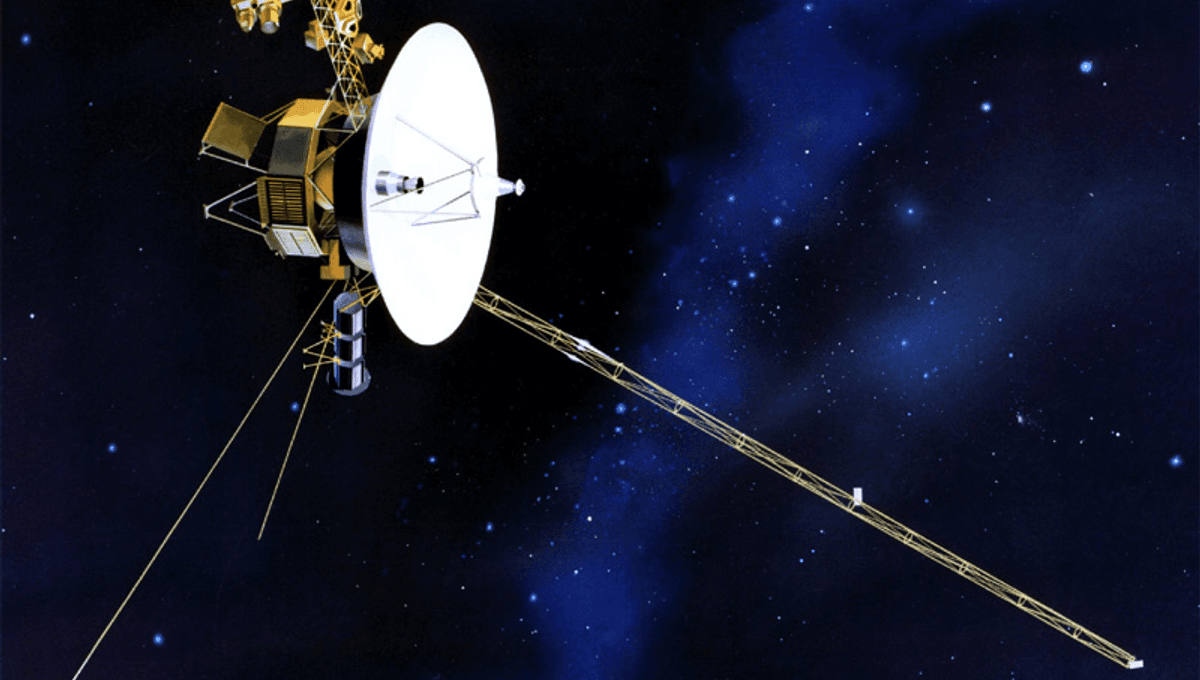
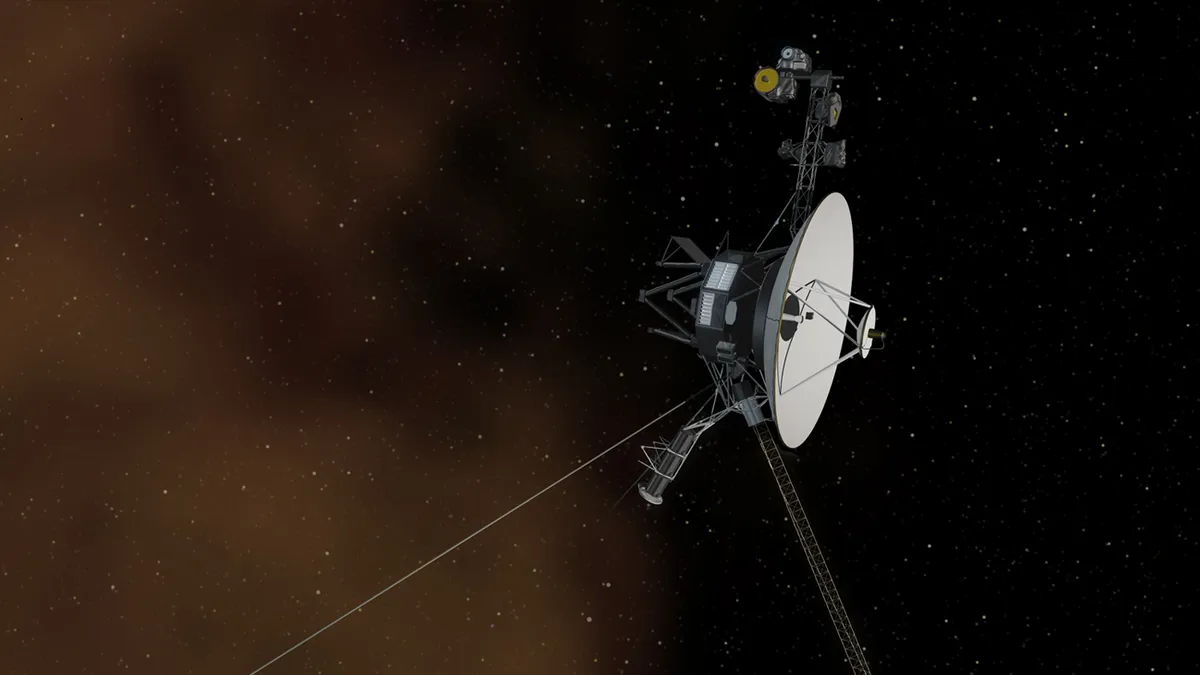
NASA has managed to keep all of Voyager 2's scientific instruments operating until 2026 by using a small reserve of backup power, postponing a shutdown planned for this year. Voyager 2 is the only spacecraft to have visited Uranus and Neptune, and its observations of Jupiter and Saturn were crucial in determining what topics subsequent missions should focus on. The spacecraft's power source is getting fainter, but NASA has managed to maintain enough power to keep the scientific instruments going by progressively switching off heaters, switching to backup thrusters, and shutting down other no-longer-needed systems.

NASA's Voyager 2 Mission Extended with New Power Strategy.
space2 years ago

NASA's Voyager 2 Mission Extended with New Power Strategy.

NASA has repurposed Voyager 2's onboard voltage regulator to delay the shutdown of one of its five remaining scientific tools until 2026, extending the spacecraft's power supply by three years. The regulator draws a small amount of power from Voyager's radioisotope thermoelectric generators and stores it for emergencies, but NASA was able to modify it from 12 billion miles away to shunt that power to the remaining scientific instruments. Voyager 1 isn't getting the regulator repurpose just yet, as it previously lost a scientific instrument due to equipment failure.

NASA's Voyager 2 Mission Extended with New Power Hack
space2 years ago

NASA's Voyager 2 Mission Extended with New Power Hack

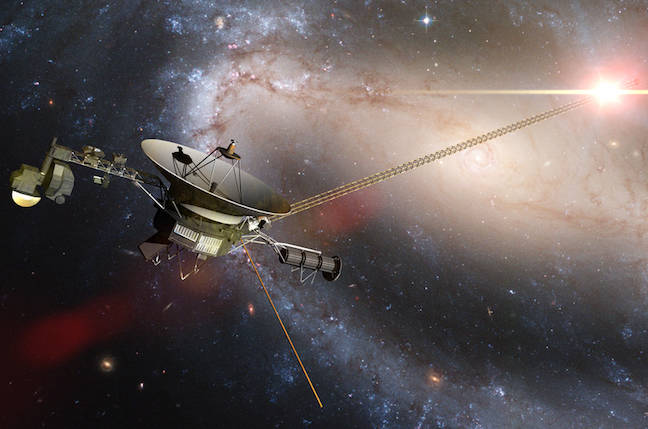
NASA has implemented a power hack that will allow all five scientific instruments aboard Voyager 2 to stay active until 2026, extending the mission even longer. The hack involves redirecting a small amount of power meant for an onboard safety system, which protects the probe from voltage irregularities. While there is a modicum of risk involved, NASA says the probe can keep its science instruments turned on for a while longer. Voyager 2, launched in 1977, is still active and gathering unprecedented data about the heliosphere and its protective qualities.