Tag

School Lunch Program

All articles tagged with #school lunch program

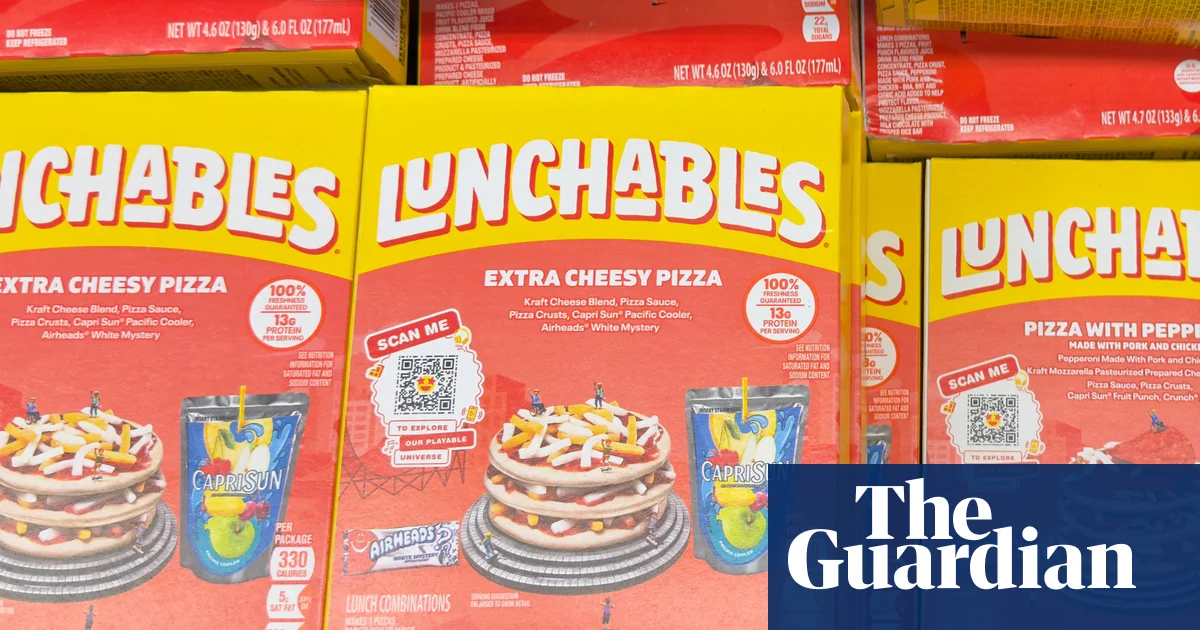
Kraft Heinz Withdraws Lunchables from School Lunch Programs

Originally Published 1 year ago — by The Guardian US

Featured image for Kraft Heinz Withdraws Lunchables from School Lunch Programs
Source: The Guardian US

Kraft Heinz has removed Lunchables from the US National School Lunch Program due to weak demand and a shift in business focus, despite concerns over sodium and lead levels in the supermarket versions. The decision follows a Consumer Reports investigation and the election of Donald Trump, who appointed Robert F. Kennedy Jr. as health secretary, potentially increasing scrutiny on pre-packaged foods. Experts argue that removing ultra-processed foods like Lunchables from schools is beneficial for children's health.

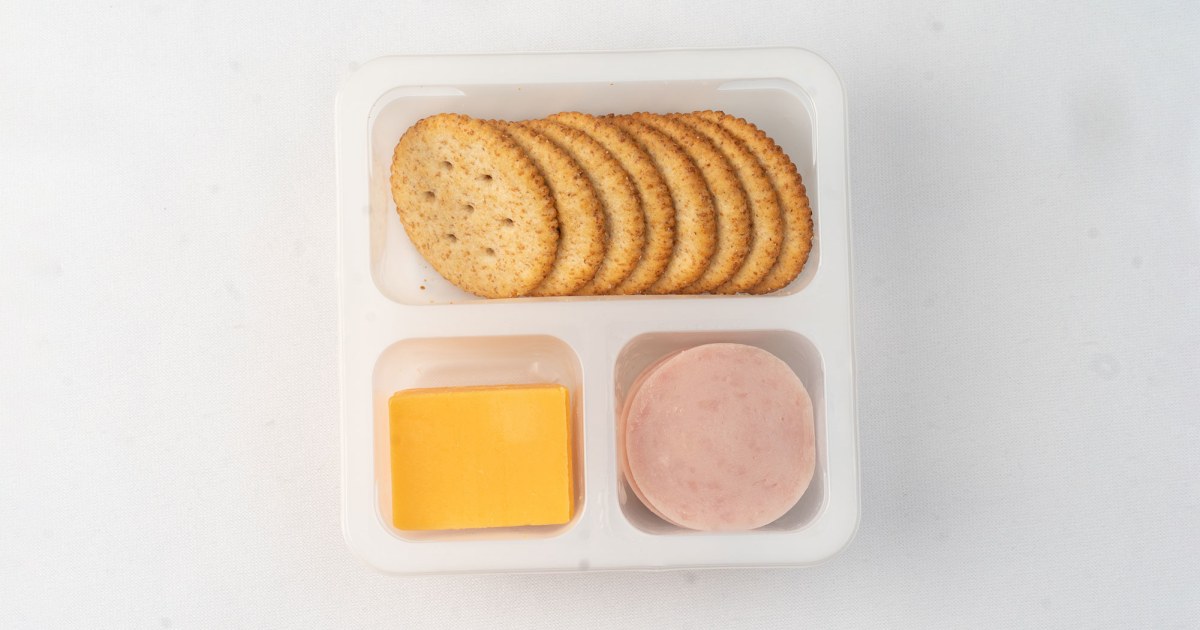
Consumer Reports Urges Removal of Lunchables from Schools Due to Lead and Sodium Levels

Originally Published 1 year ago — by TODAY

Featured image for Consumer Reports Urges Removal of Lunchables from Schools Due to Lead and Sodium Levels
Source: TODAY

Consumer Reports found that various Lunchables and similar lunch kits contain lead and other heavy metals, as well as high levels of sodium, prompting a call for their removal from the National School Lunch Program. While Kraft Heinz, the maker of Lunchables, insists that their products meet safety standards, Consumer Reports warns of potential health risks associated with the consumption of these highly processed snacks. The USDA emphasizes its commitment to ensuring high nutritional quality in school meals, but does not dictate individual food items.

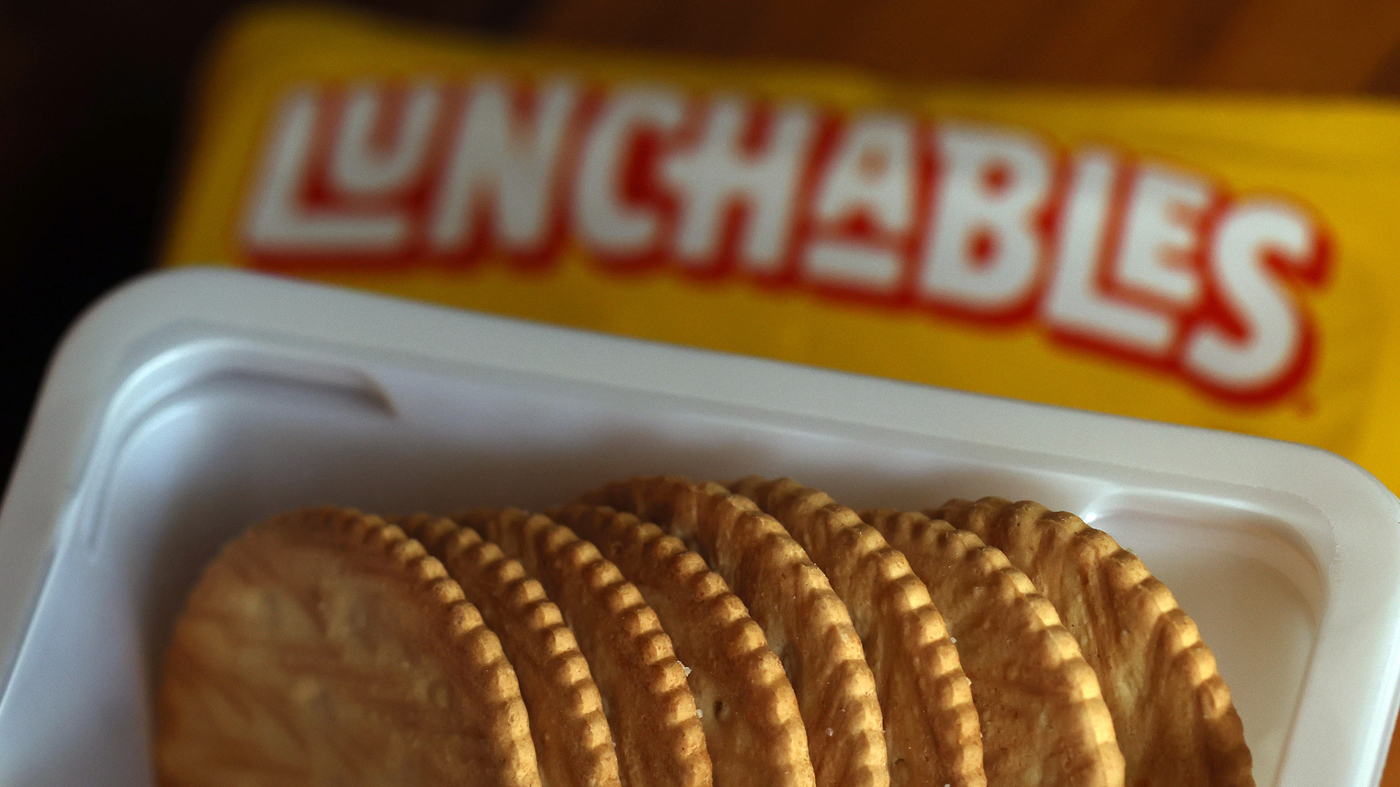
Consumer Reports Urges Removal of Lead-Contaminated Lunchables from School Menus

Originally Published 1 year ago — by NPR

Featured image for Consumer Reports Urges Removal of Lead-Contaminated Lunchables from School Menus
Source: NPR

Consumer Reports is urging the USDA to remove Lunchables from the National School Lunch Program due to high levels of sodium and heavy metals. The advocacy group found elevated levels of lead, cadmium, and phthalates in the meal kits, and is concerned about the potential health risks for children. While the USDA sets requirements for overall nutritional content, Consumer Reports is calling for healthier options in schools. Kraft Heinz, the maker of Lunchables, stands by the quality of its products and has made efforts to improve their nutritional benefits.

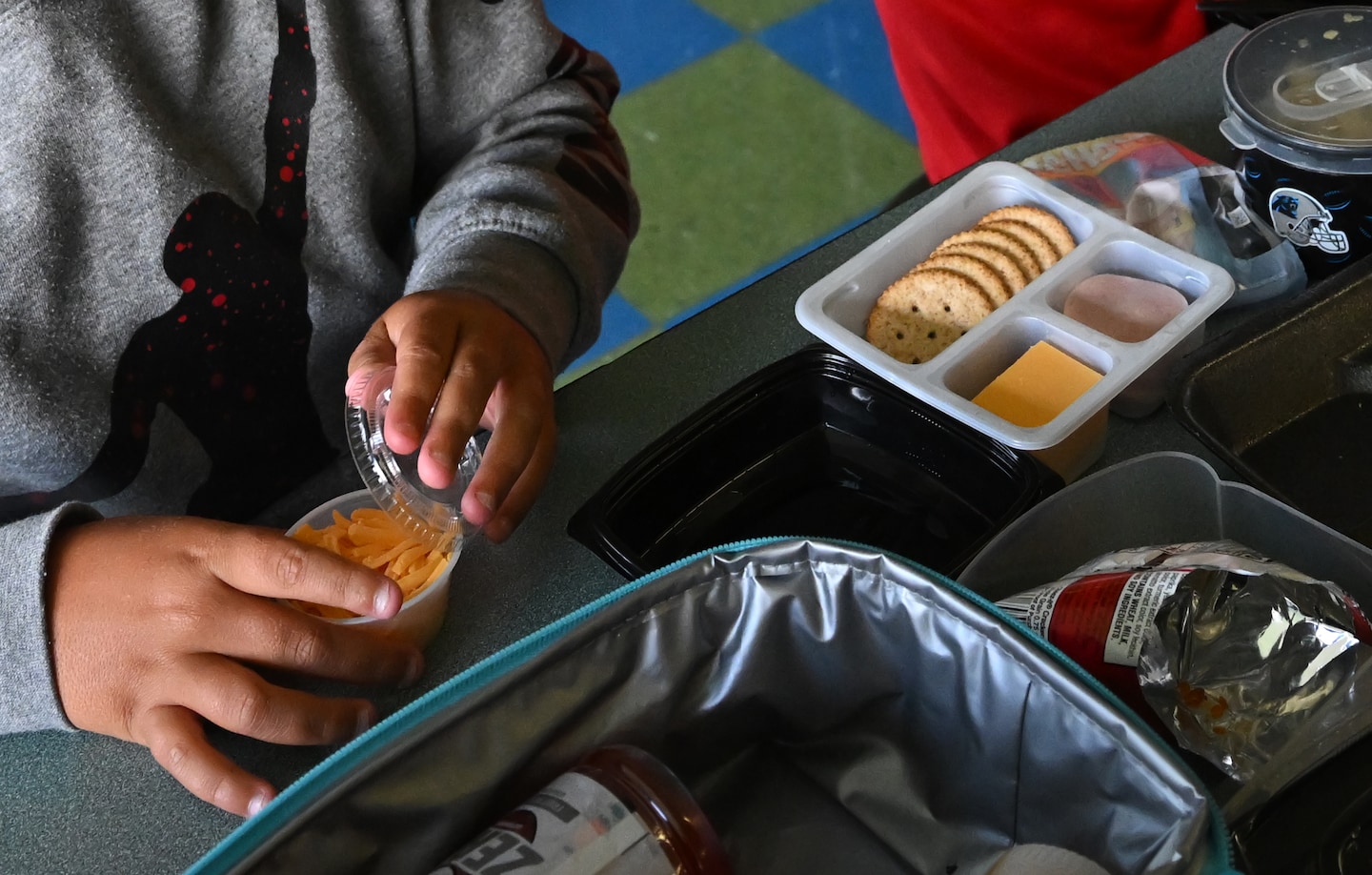
"Consumer Reports Exposes High Lead and Sodium Levels in Lunchables, Calls for Removal from School Menus"

Originally Published 1 year ago — by The Washington Post

Featured image for "Consumer Reports Exposes High Lead and Sodium Levels in Lunchables, Calls for Removal from School Menus"
Source: The Washington Post

Consumer Reports has found concerning levels of lead, sodium, and potentially harmful chemicals in Lunchables, prompting a petition to remove the Kraft Heinz products from the National School Lunch Program. The watchdog's testing revealed elevated lead levels and phthalates in the packaging, raising concerns about children's health risks. Kraft Heinz defended its products, but critics argue that ultra-processed foods like Lunchables are inappropriate for school lunches and call for stricter nutrition standards to ensure children have access to healthier options.

"Free School Lunches: A Solution to Brazil's Pandemic-Induced Hunger Crisis?"

Originally Published 2 years ago — by NPR

Featured image for "Free School Lunches: A Solution to Brazil's Pandemic-Induced Hunger Crisis?"
Source: NPR

Brazil's school lunch program, a key part of the country's anti-poverty efforts, has become crucial in combating hunger exacerbated by the pandemic. The program, enshrined in the constitution, provides free meals to over 40 million students and supports economic opportunities for farmers and employment for parents. However, the pandemic led to a resurgence of hunger, with 33.1 million people affected, prompting the government to strengthen public policies and double down on the school feeding program, along with other efforts to alleviate post-pandemic poverty.