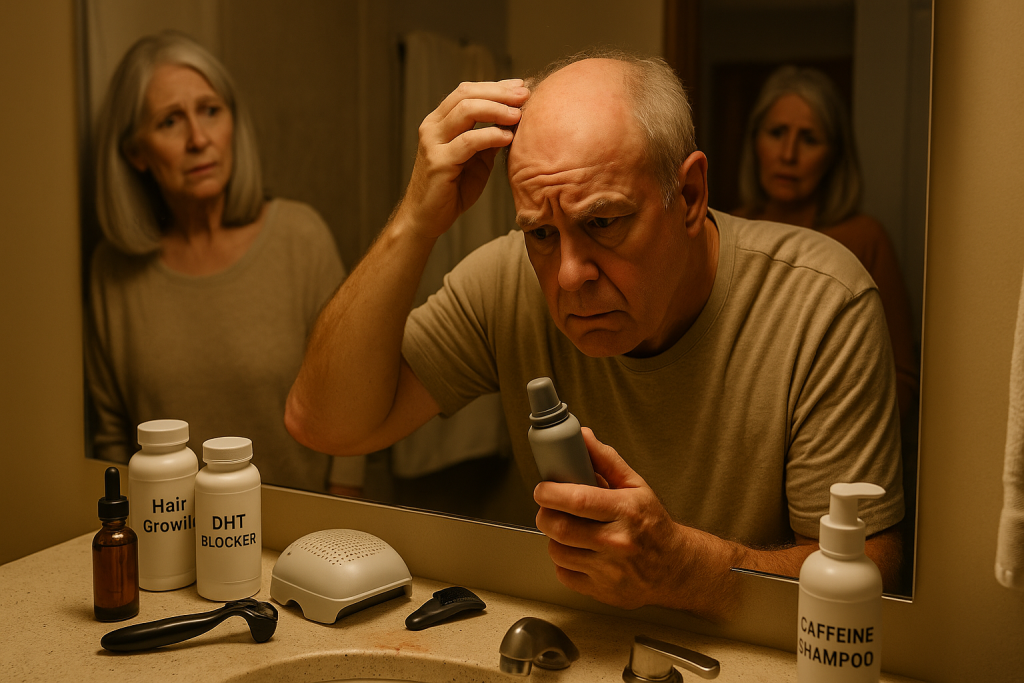
The article discusses common hair loss 'cures' that can worsen balding in boomers, such as aggressive scalp massages, megadosing vitamins, and unproven devices, emphasizing that proven treatments like minoxidil and finasteride, along with proper scalp hygiene, are more effective and safer. It highlights the importance of evidence-based solutions over costly, ineffective remedies driven by misinformation and denial.
The article discusses effective ways to stimulate hair growth, emphasizing patience and consistency with treatments like vitamins, scalp care, natural ingredients, protective styling, and lifestyle changes, while highlighting that significant results typically take at least 6 weeks to 3 months.
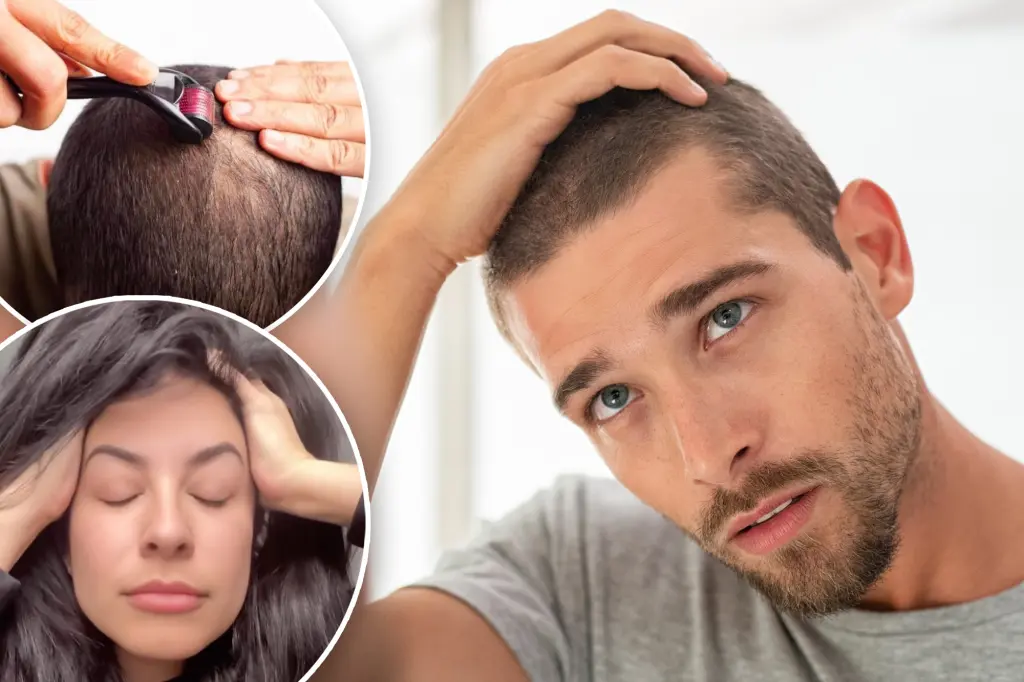
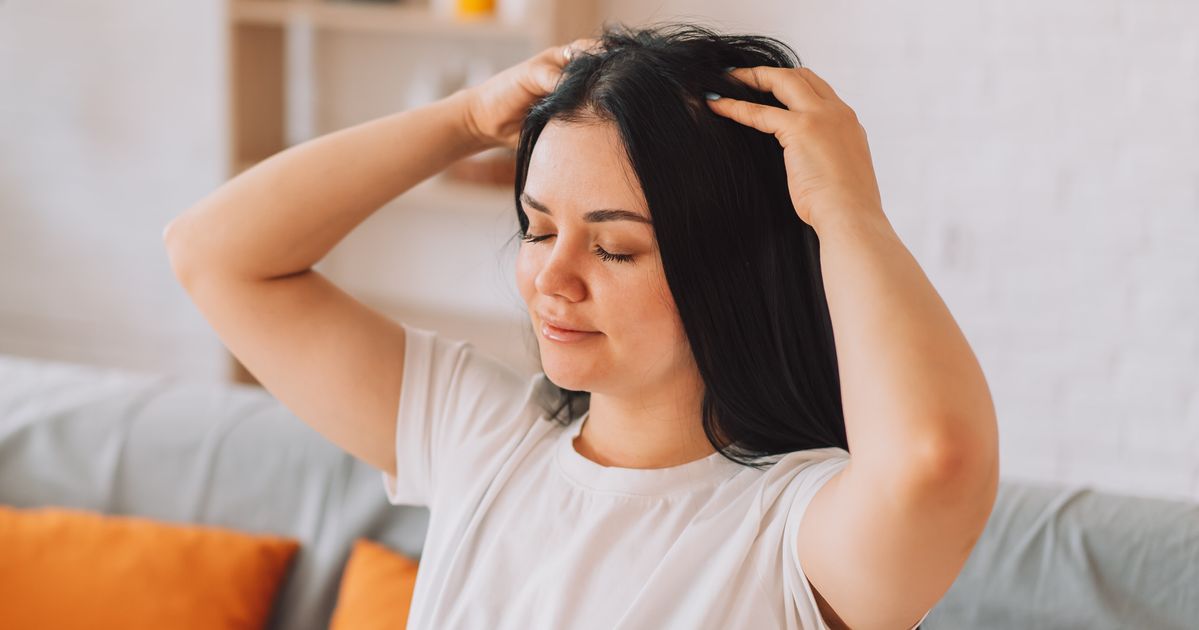
The article offers five simple, effective ways to reduce hair loss naturally, such as getting sunlight for vitamin D, maintaining a balanced diet, checking gut health, washing hair regularly, and scalp massage. It also warns against harmful hacks like daily dermarolling, skipping wash days, and applying undiluted garlic or onion juice, which can worsen scalp health.
Peppermint oil, an essential oil known for its soothing and antimicrobial properties, can enhance hair health by improving blood circulation to the scalp, thereby increasing nutrient and oxygen delivery to hair follicles. This can promote hair growth, reduce dandruff, and soothe scalp irritation. However, it should be diluted with a carrier oil before application to avoid irritation. While peppermint oil can be a natural remedy for hair health, consulting a dermatologist is recommended for personalized advice, especially for those with allergies or specific medical conditions.
Trichologists share 12 scalp care tips to maintain healthy hair and prevent hair loss, including reading product labels, avoiding tight hairstyles, not putting conditioner on the scalp, seeking help for hair thinning, using sun protection, and not overusing dry shampoo. They also emphasize the importance of scalp massages, clarifying shampoos, regular hair washes, fiber-rich diets, maintaining scalp pH balance, and not using styling products on the scalp.
Helen Reavey, a certified trichologist and founder of Act + Acre, shares six common hair mistakes people make, including washing hair instead of the scalp, attempting "hair training," overusing scalp scrubs, using products with silicones, applying excess heat, and not using scalp treatments. She recommends focusing on cleansing the scalp, avoiding "hair training," using gentle scalp treatments, checking for silicones in hair products, minimizing heat usage, and adding scalp treatments to the weekly routine for healthier hair.
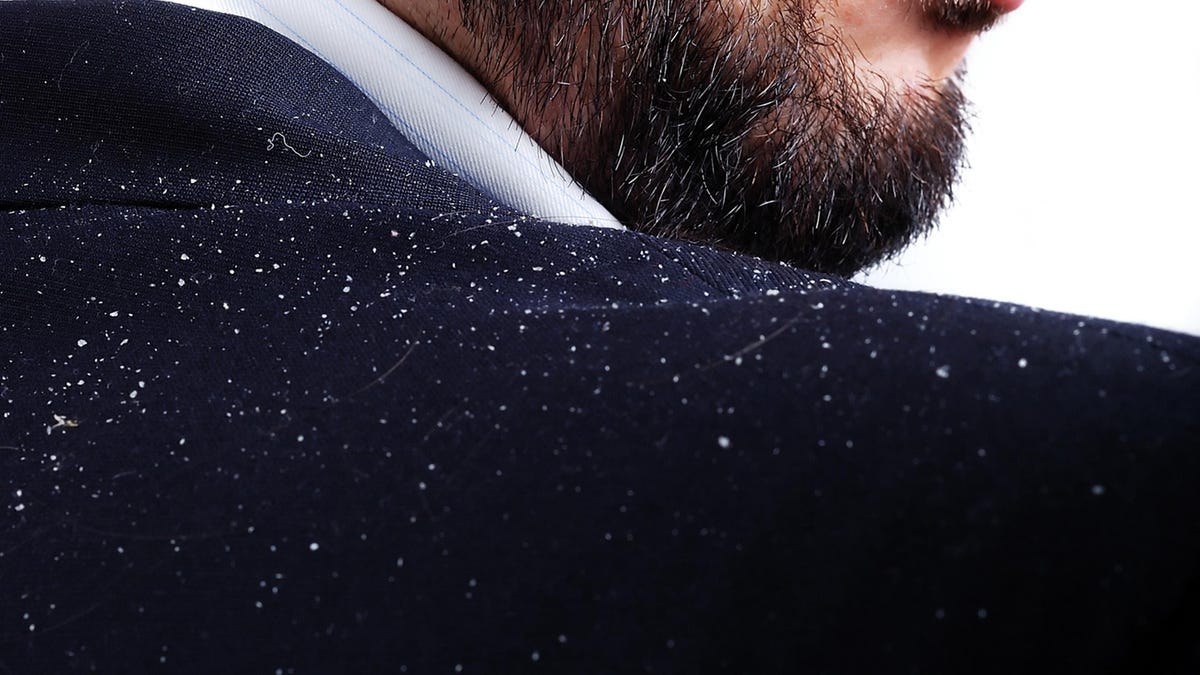
Dandruff is often mistaken for a dry scalp, but it's actually a manifestation of the skin condition seborrheic dermatitis caused by an inflammatory reaction to yeast. Triggers for flare-ups include going long periods between shampoos, and the frequency of washing hair to prevent dandruff varies by person. Using antifungal shampoos and shampooing as often as possible can help reduce yeast build-up and lead to a more dandruff-free head of hair.
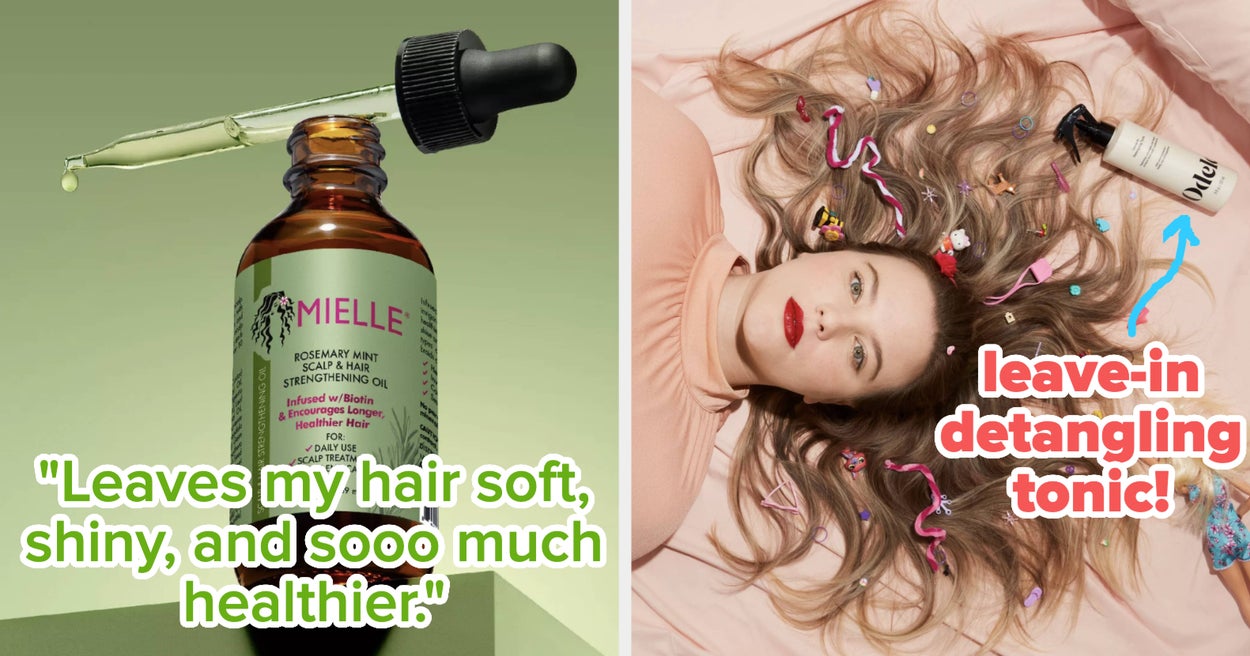
Target offers a range of beauty products for people who dislike doing their hair, including a Shark HyperAir hair dryer, Mielle rosemary mint oil, Kristin Ess moisturizing shampoo, Tangle Teezer detangling brush, and Odele leave-in detangling tonic, making hair care easier and more efficient.
Sleeping with wet hair can lead to hair and scalp damage, as well as create a breeding ground for fungus and bacteria due to the slow drying process, potentially causing yellow discoloration, itchiness, buildup, and flakiness. Fungi thrive in dark, moist environments, and a pillow can harbor up to 16 types of fungal species. Additionally, wet hair can lead to hair breakage and tangled strands, especially for those with curly hair, as the prolonged stretching of the hair cuticle can cause brittleness and breakage.
Sleeping with wet hair can lead to hair and scalp damage, as well as create a breeding ground for fungus and bacteria due to the slow drying process, potentially causing yellow discoloration, itchiness, buildup, and flakiness. Fungi thrive in dark, moist environments, and a pillow can harbor up to 16 types of fungal species. Additionally, wet hair can lead to hair breakage and tangled strands, especially for those with curly hair, as the prolonged wetness can compromise the outer layer of the hair, leading to dryness and brittleness.
Sleeping with wet hair can lead to hair and scalp damage, as well as create a breeding ground for fungus and bacteria due to the slow drying process, potentially causing yellow discoloration, itchiness, buildup, and flakiness. Fungi thrive in dark, moist environments, and a pillow can harbor up to 16 types of fungal species. Additionally, wet hair can lead to breakage and tangled strands, especially for those with curly hair, as the prolonged stretching of the hair cuticle can cause brittleness and dryness.
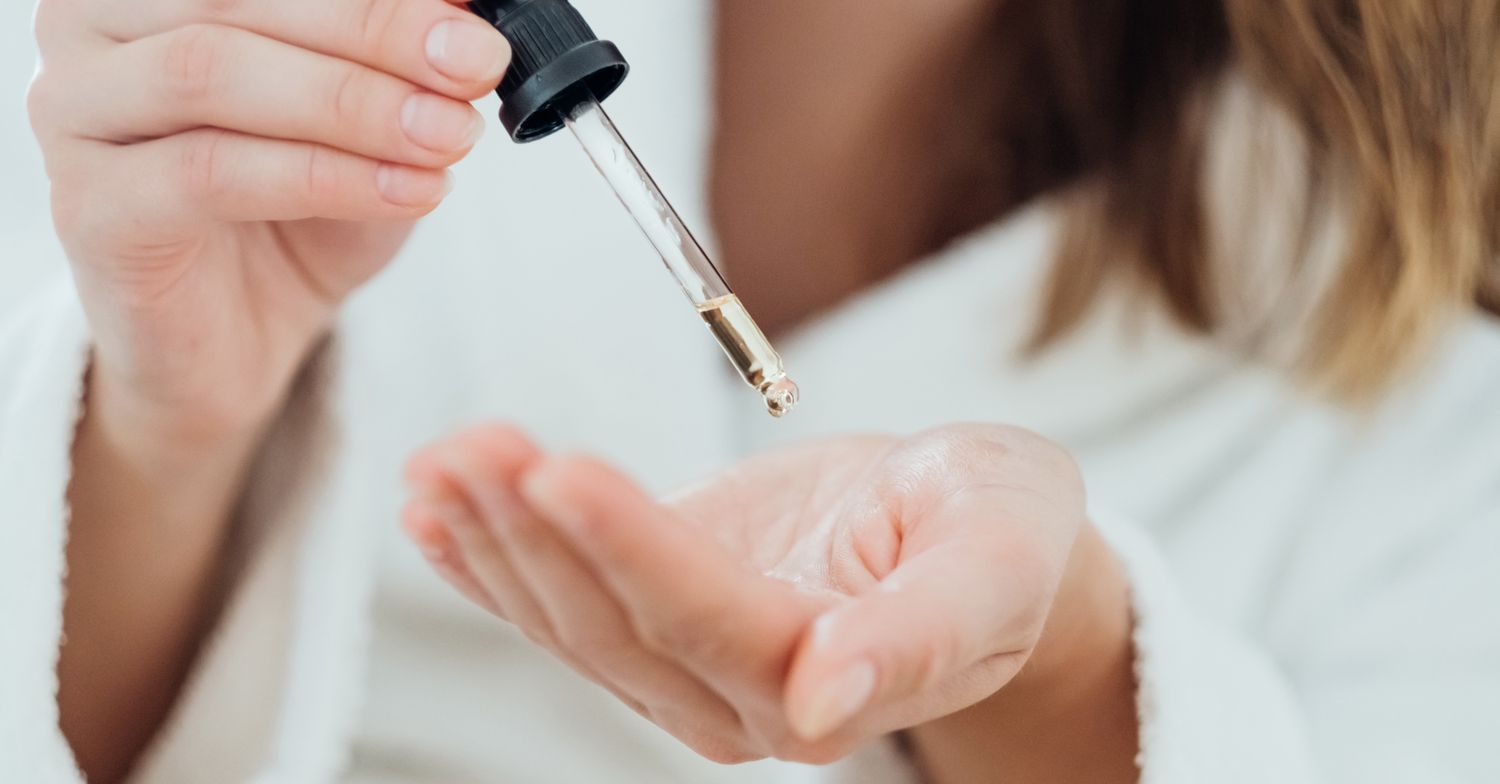
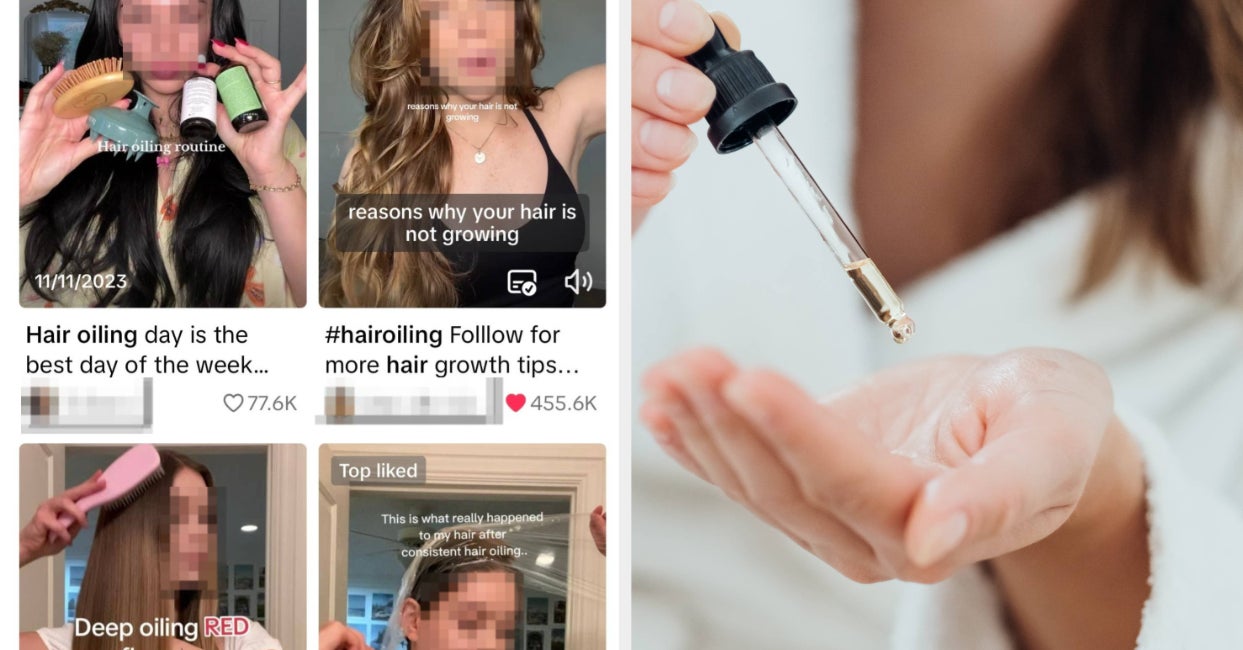
Hair oiling, a centuries-old practice originating from India and South Asia, involves massaging oil into the scalp for hair growth, shine, and strength. Different oils cater to specific scalp concerns and hair types, with rosemary and castor oil being recommended for hair regrowth. Diluting essential oils with a carrier oil is advised before application, and cold-pressed oils are recommended for their nutrient abundance. The technique, done one to two times per week, can help with scalp hydration, frizz reduction, and hair moisture retention. Personal experiences with hair oiling may vary, and it's important to research and consult with experts before trying this beauty trend.
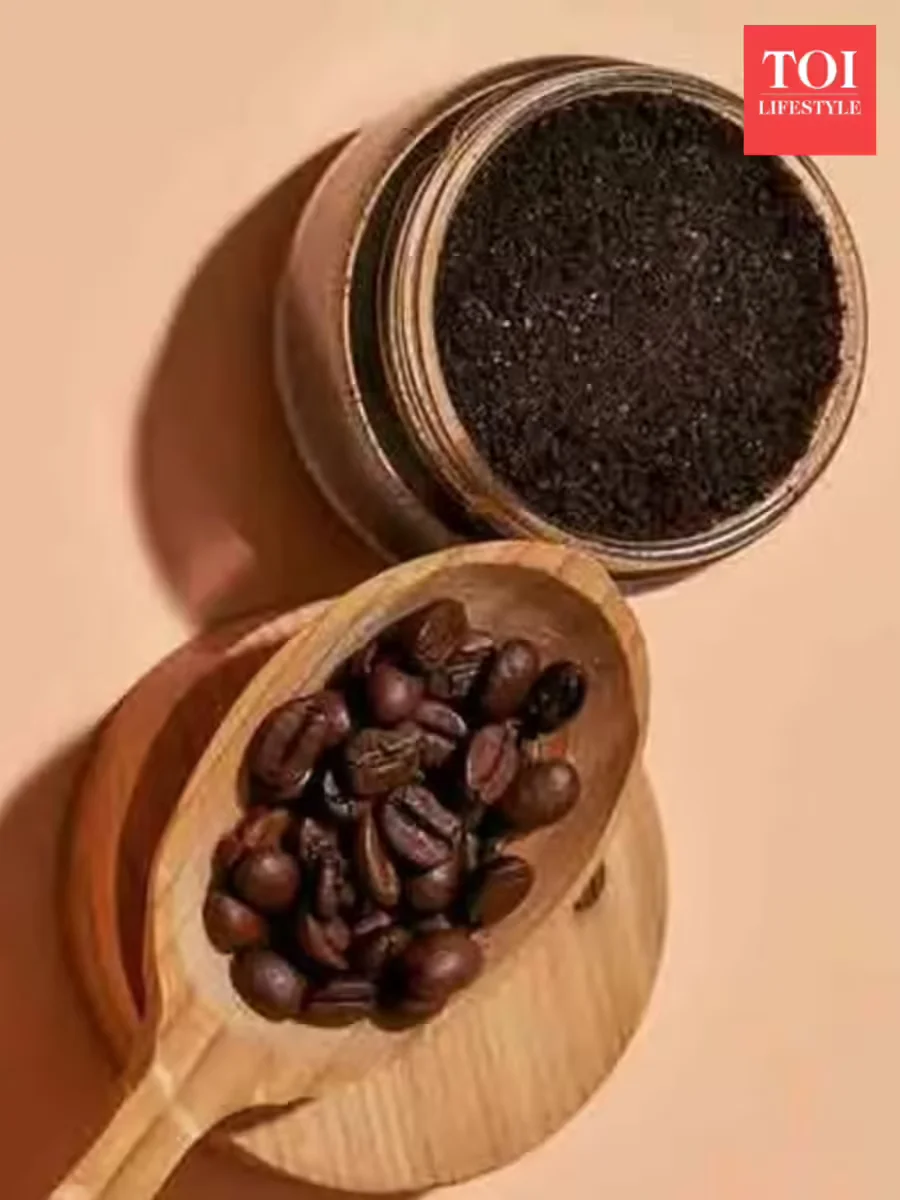
Caffeine offers multiple benefits to the hair and scalp, functioning as an antioxidant to defend against free radical damage and promoting smoother, shinier, and healthier-looking hair. It also stimulates blood circulation, improving oxygenation and nutrient delivery to hair follicles, reducing oxidative stress and promoting hair growth.
Ketoconazole is an antifungal medication commonly used to treat infections like athlete's foot and yeast infections. It is also used for dandruff and seborrheic dermatitis, which are inflammatory scalp conditions. Ketoconazole can inhibit the growth of yeast on the scalp, improving scalp health and reducing flaking and itching. It may also reduce levels of androgens in the scalp, potentially preventing certain types of hair loss. While more research is needed, ketoconazole is available in topical forms such as shampoos and scalp creams. It is generally considered safe, but some individuals may experience skin irritation or dryness. Pregnant women should consult with their doctor before using ketoconazole.
Vitamin E oil is commonly used for hair to prevent hair loss, improve scalp health, increase shine, and reduce breakage. While research on its effectiveness is limited, some studies suggest that vitamin E supplementation may increase hair growth in individuals with alopecia areata. Topical application of vitamin E oil can also promote scalp health by preventing premature aging, expanding capillaries, and increasing blood flow. It is important to apply the oil to dry hair, starting from the scalp and working down to the tips, and wash it out after 20 to 30 minutes. Vitamin E can also be obtained through food sources and supplements, but excessive intake can be harmful and may interact with certain medications. It is advisable to consult a healthcare professional before using vitamin E supplements.