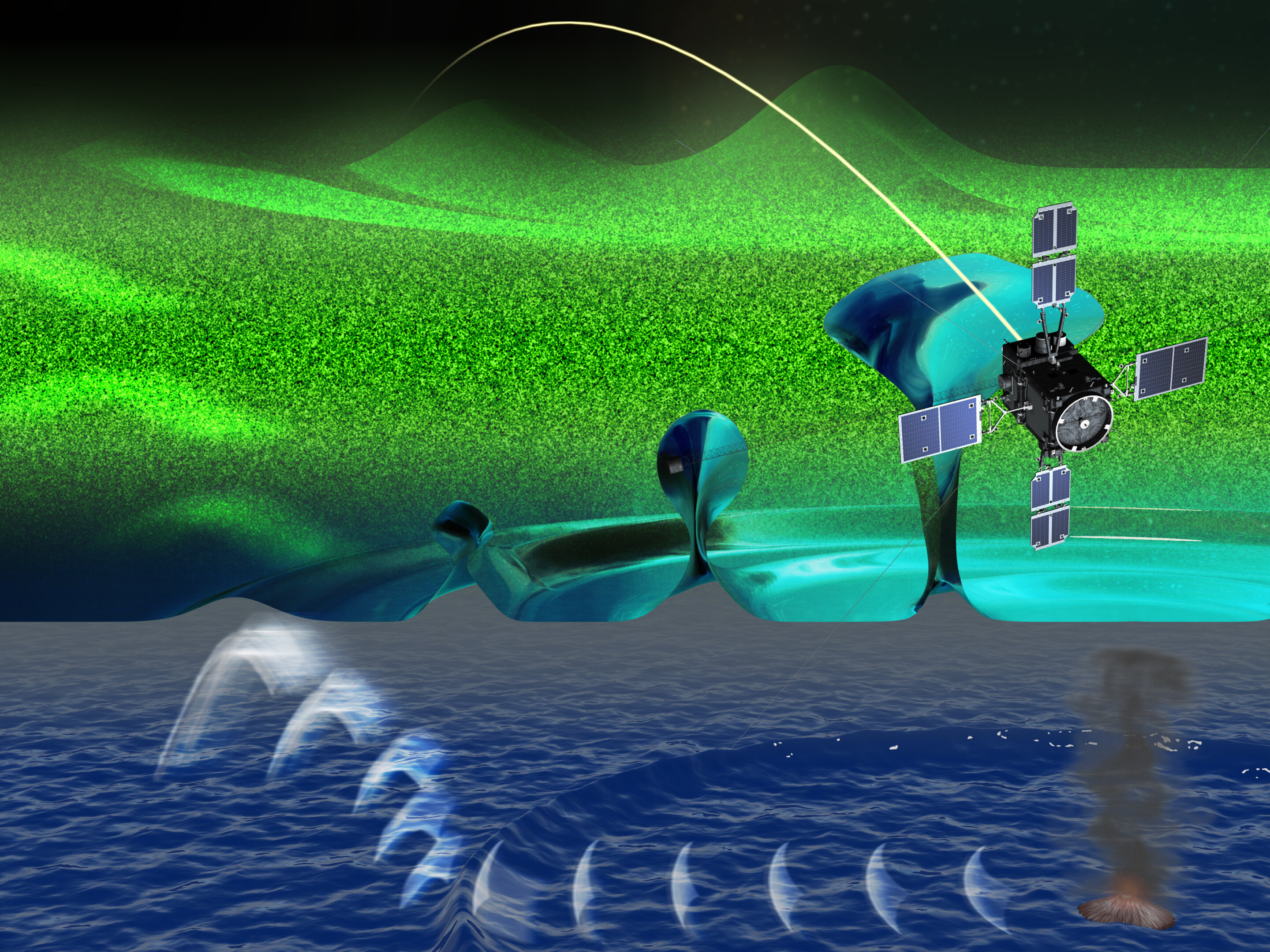
Scientists successfully used ripples in Earth's ionosphere, caused by atmospheric disturbances from a tsunami, to detect and track the event in real time, demonstrating a promising new method for early tsunami warning systems that could save lives by providing crucial extra minutes of warning.
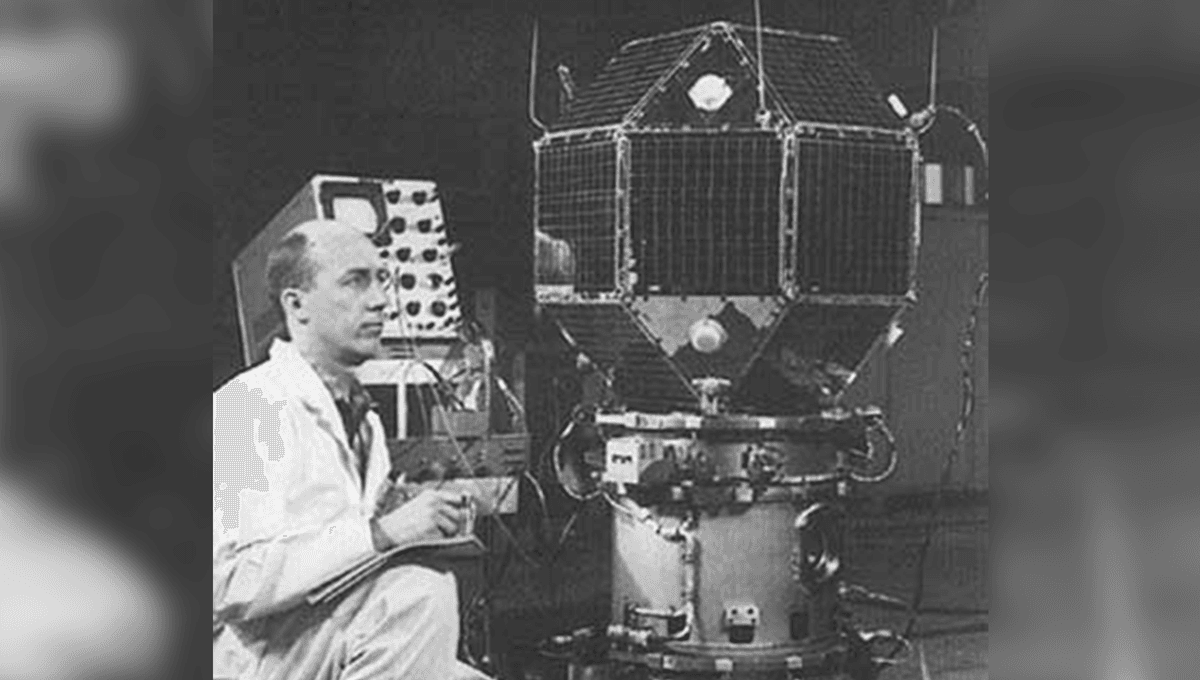
LES-1, a satellite launched in 1965 and considered dead for decades, unexpectedly began transmitting signals again in 2013, earning the nickname 'zombie satellite.' Its reactivation is attributed to possible electrical issues, and it remains in orbit, providing valuable insights into satellite longevity and space debris.
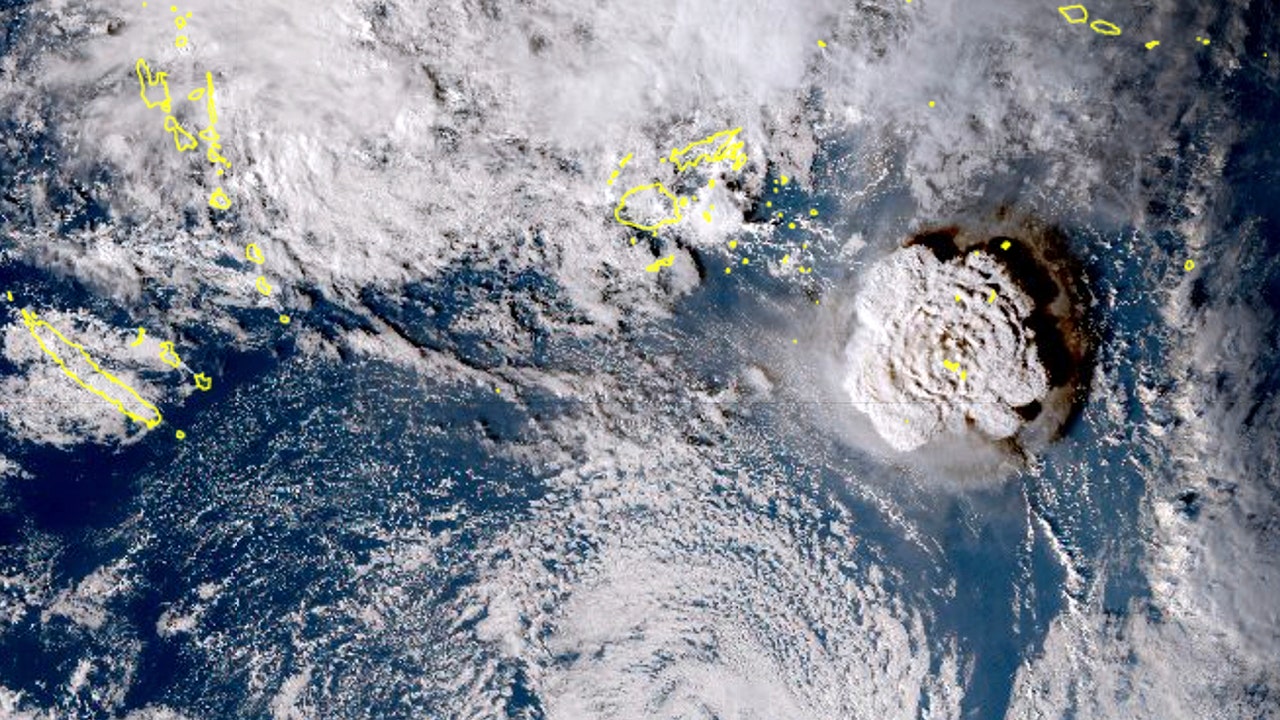
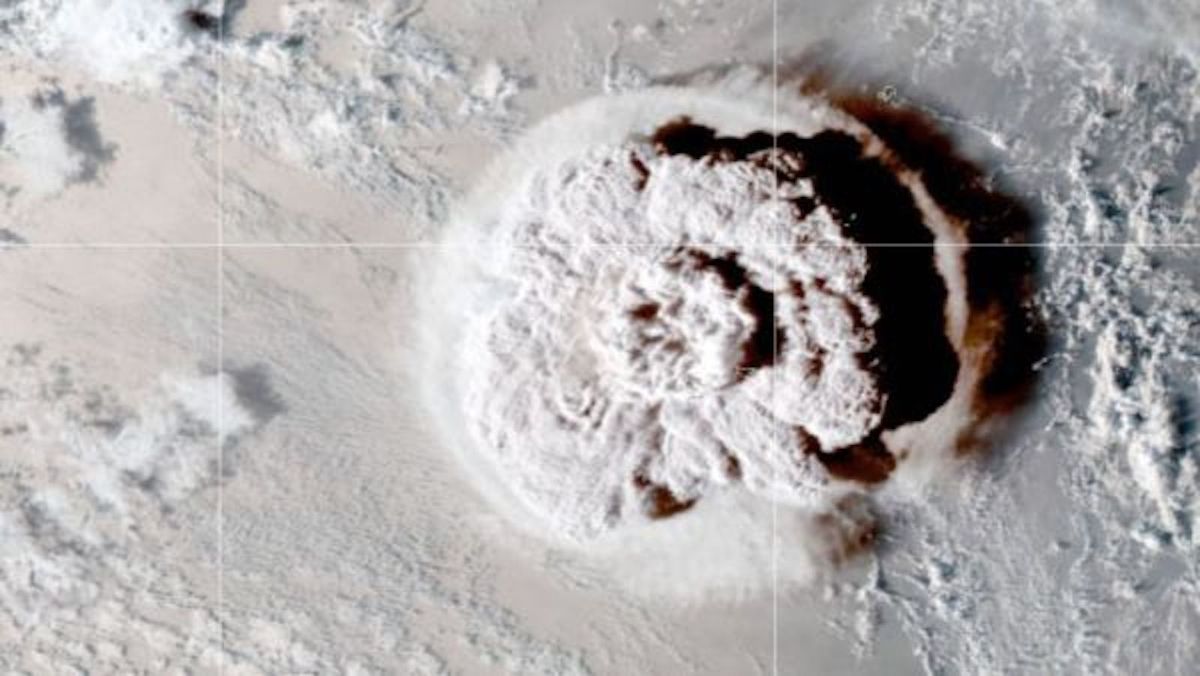
The undersea volcano eruption in Tonga last year disrupted satellite signals halfway around the world, according to an international team of researchers. They used satellite- and ground-based observations of the ionosphere to demonstrate that an air pressure wave triggered by volcanic eruptions could produce an "equatorial plasma bubble," which severely disrupts satellite-based communications. An equatorial plasma bubble can delay radio waves as well as degrade the performance of GPS. The findings were published in the journal Scientific Reports.
An underwater volcanic eruption in Tonga last year generated plasma bubbles that disrupted radio communications in outer space, according to a new study. The eruption was the most powerful natural explosion in more than a century, rivaling the strength of the largest U.S. nuclear bomb. The new findings may help scientists forecast plasma bubbles associated with volcanic eruptions and other events on Earth's surface. Future research can also investigate the atmospheric effects of volcanoes on distant worlds.
The eruption of the Tonga underwater volcano has been found to disrupt satellite signals halfway around the world by creating an equatorial plasma bubble (EPB) in the ionosphere, severely disrupting satellite-based communications. An international team used satellite- and ground-based ionospheric observations to demonstrate that an air pressure wave triggered by volcanic eruptions could produce an EPB in the ionosphere. The EPB can delay radio waves and degrade the performance of GPS. The team also found that the EPB extended much further than predicted by the standard models, reaching space even beyond the ionosphere.
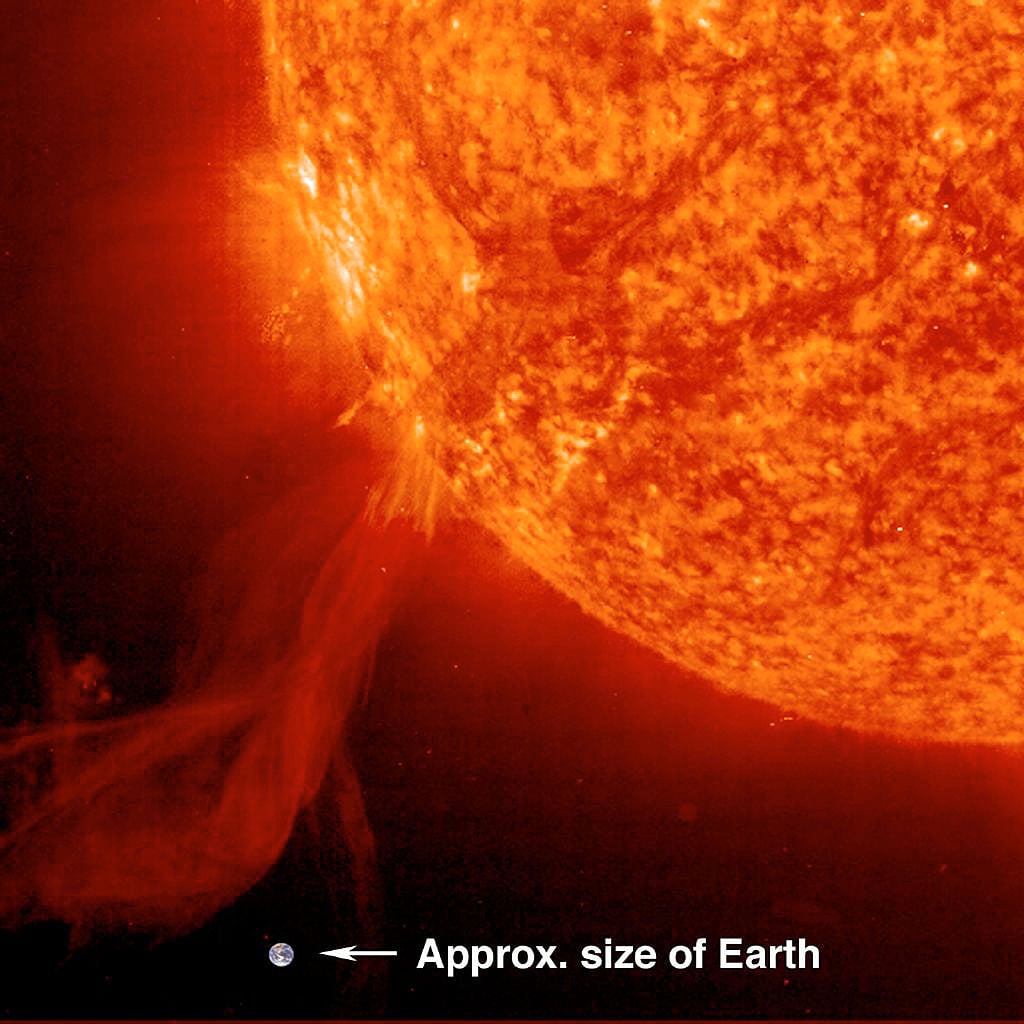
A geomagnetic storm caused by a solar explosion is likely to hit Earth on Sunday, May 21, according to the National Oceanic and Atmosphere Administration. The storm could cause aurora borealis and disruption to radio frequencies and satellite-dependent signals. Geomagnetic storms are a product of solar flares, coronal mass ejections, and other types of solar explosions, and contain highly-charged particles that travel through space very fast. When these particles hit Earth, they can disrupt communication signals. The largest geomagnetic storms come from coronal mass ejections, which consist of billions of tons of plasma from the Sun that can arrive at Earth for several days.