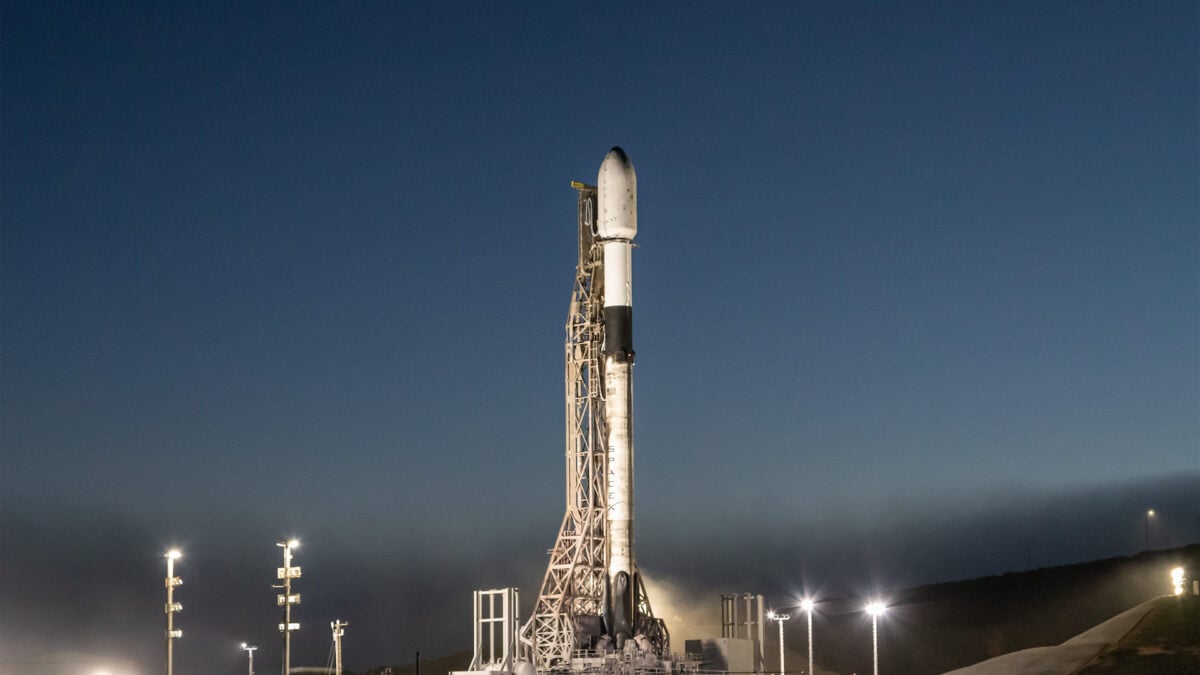
SpaceX's secret Starshield satellites may have used unauthorized radio frequencies to transmit data to Earth, potentially violating international regulations and risking interference with other satellites, according to amateur satellite tracker Scott Tilley. The company, which collaborates with U.S. government agencies, might have concealed these operations by using prohibited frequency bands, though no penalties are expected due to lack of enforcement by the ITU.
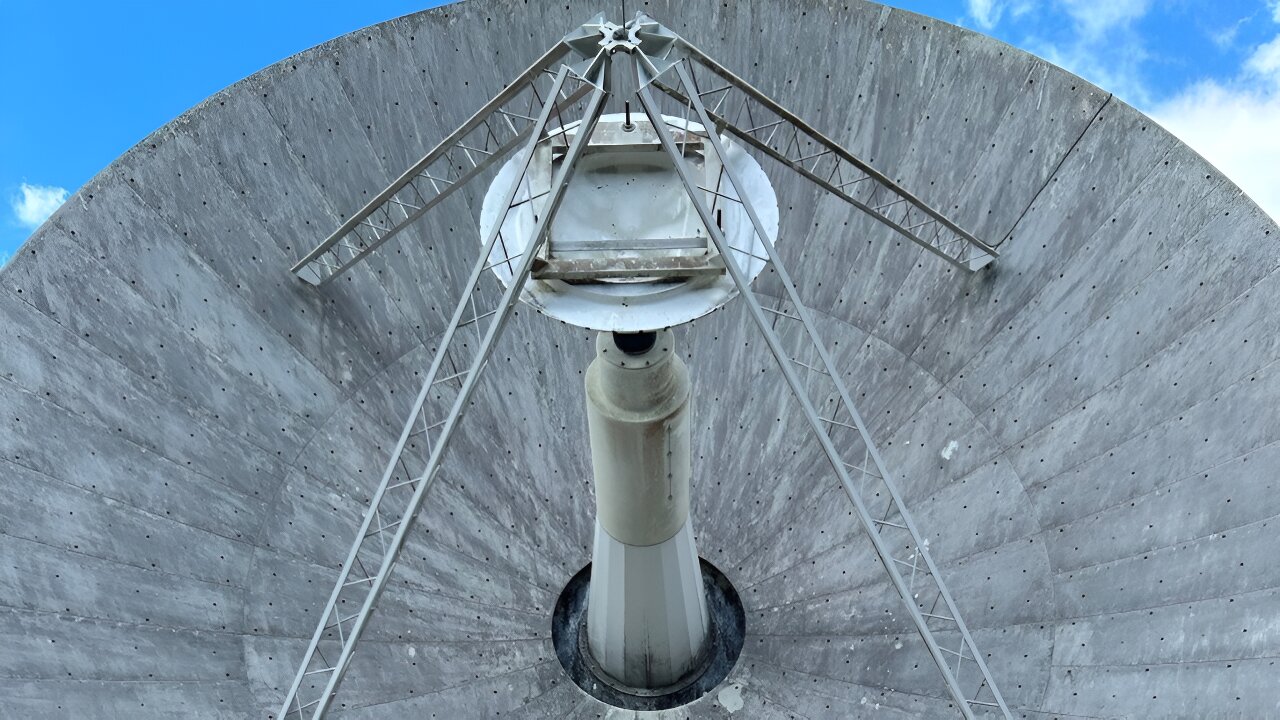
The Arecibo Observatory's 12-meter telescope has been upgraded with a new cooled receiver system that operates at a wider bandwidth and cryogenic temperatures, allowing for improved space observations. Recent tests have shown its capabilities in detecting emissions from dark molecular clouds, observing pulsars, and capturing images of solar flares. These upgrades are expected to expand the telescope's potential for future research and educational projects.
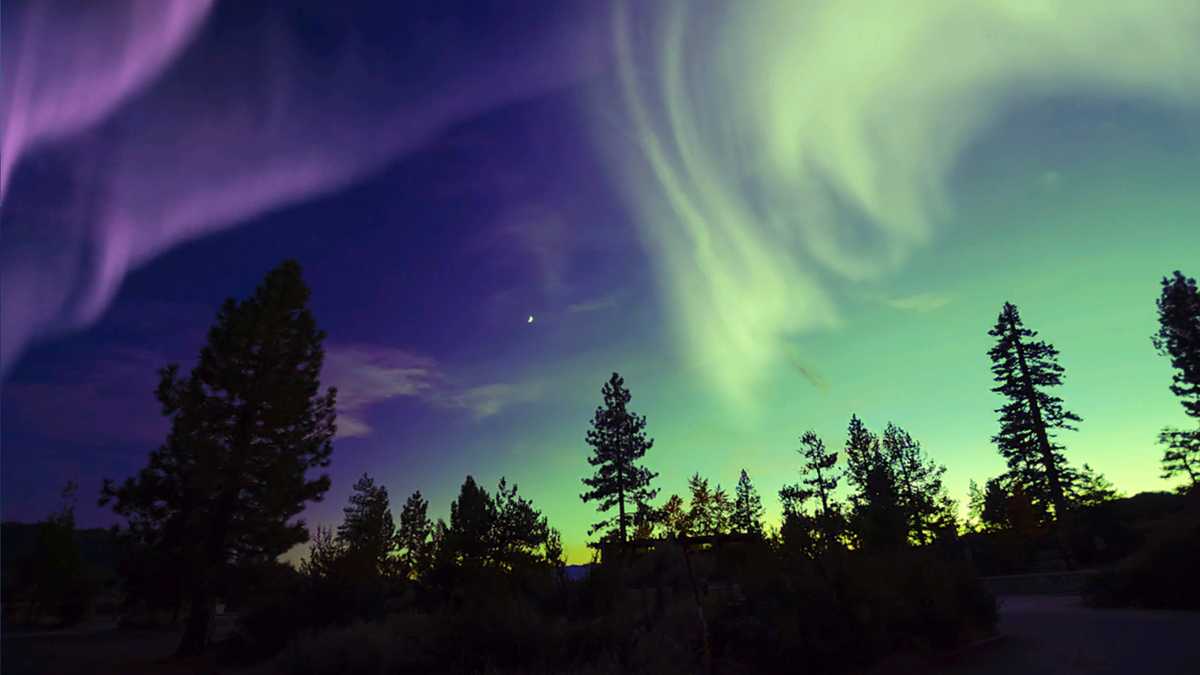
A geomagnetic storm is expected to arrive on Friday, potentially causing disruptions in radio frequencies, including cell phones and GPS. The storm can also push the Northern Lights farther south. These solar storms occur approximately every 11 years and can last for about four months.
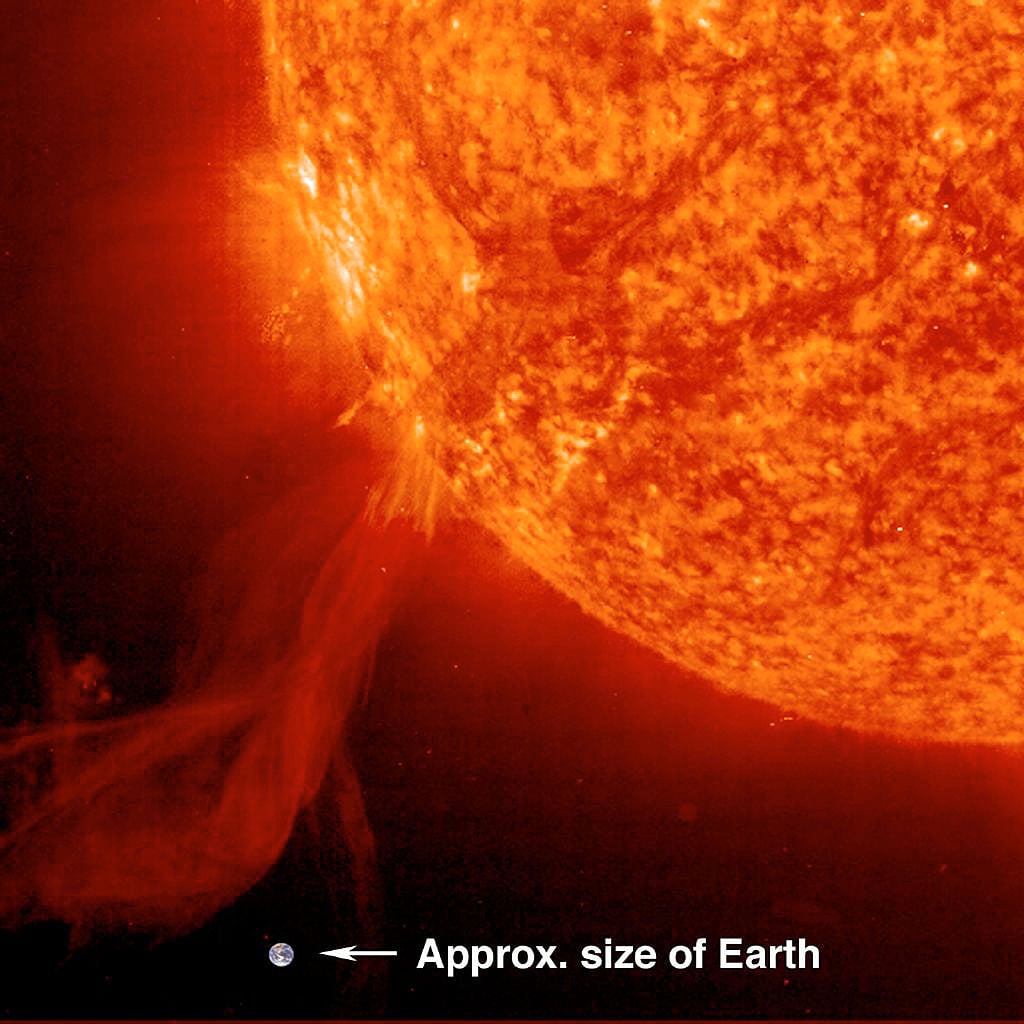
A geomagnetic storm caused by a solar explosion is likely to hit Earth on Sunday, May 21, according to the National Oceanic and Atmosphere Administration. The storm could cause aurora borealis and disruption to radio frequencies and satellite-dependent signals. Geomagnetic storms are a product of solar flares, coronal mass ejections, and other types of solar explosions, and contain highly-charged particles that travel through space very fast. When these particles hit Earth, they can disrupt communication signals. The largest geomagnetic storms come from coronal mass ejections, which consist of billions of tons of plasma from the Sun that can arrive at Earth for several days.