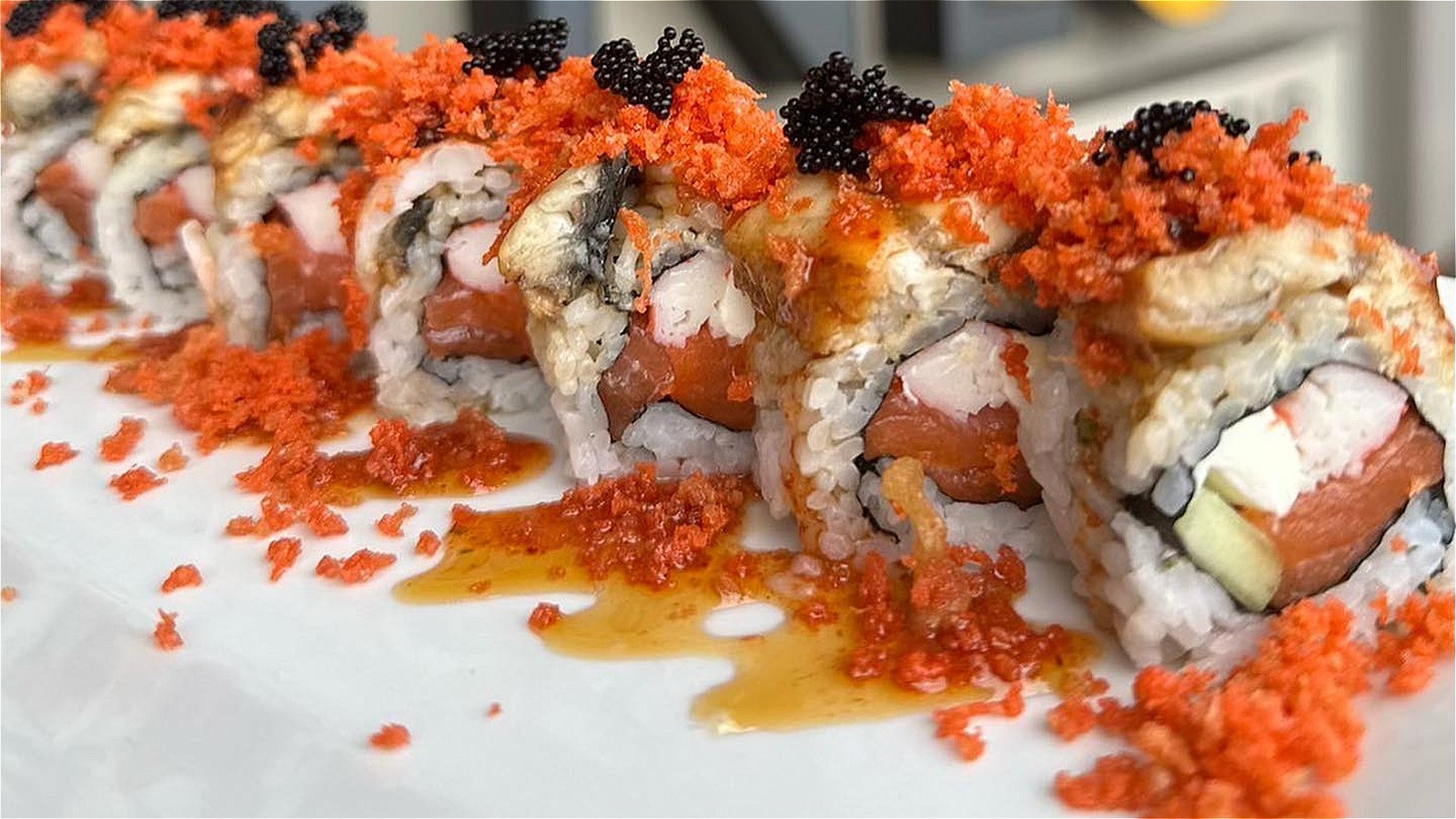
More than 240 patrons of Sushi Nine, a sushi restaurant in Raleigh, North Carolina, have reported illness, with three cases confirmed to be linked to norovirus. The restaurant voluntarily closed for 48 hours to sanitize and investigate the source of the outbreak. Tracing the exact cause is challenging as the affected customers consumed various foods. The manager believes the outbreak originated from an infected person entering the establishment. Norovirus, a common cause of food-related illness, spreads through contaminated surfaces and infected individuals. Handwashing with soap and water is the best defense against the virus.
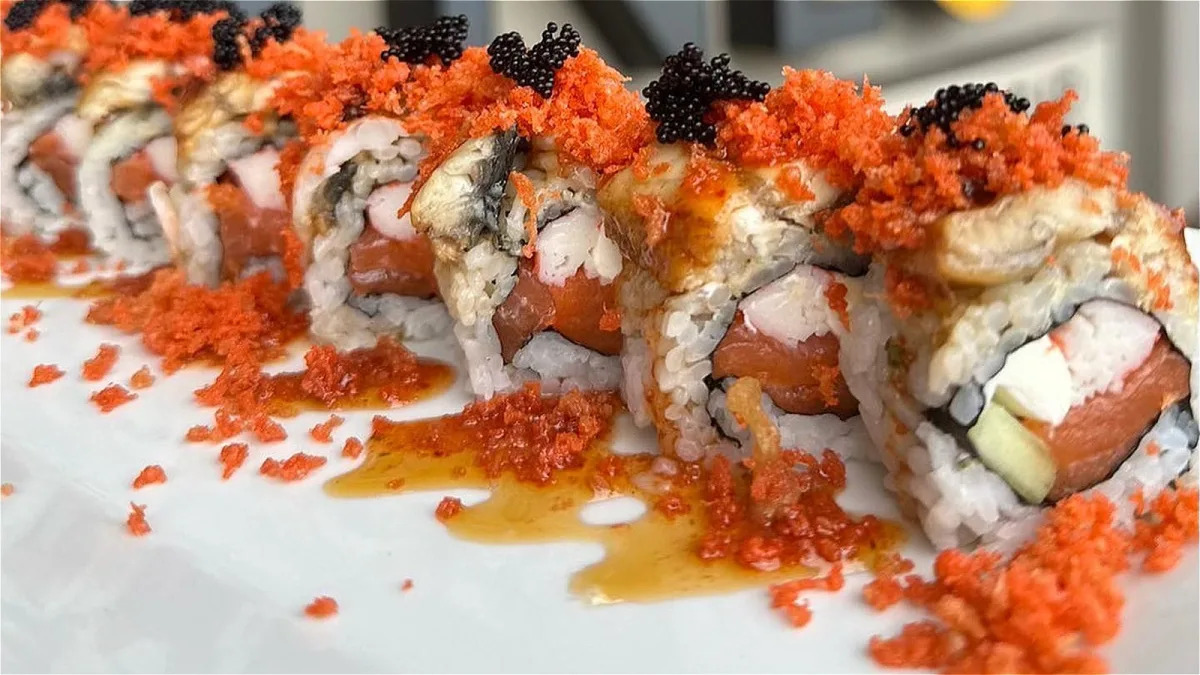
More than 240 patrons of Sushi Nine, a sushi restaurant in Raleigh, North Carolina, have reported illness since November 28, with three cases confirmed as norovirus by local authorities. The restaurant voluntarily closed for 48 hours to sanitize and investigate the source of the outbreak. While the exact cause remains unknown, the restaurant manager believes it originated from an infected person. Norovirus, a common cause of food-related illness, spreads through contaminated surfaces and infected individuals. Handwashing is recommended as the best defense against the virus.

Fairborn High School in Ohio will be closed on Friday due to a major flu outbreak, with nearly a third of the students absent and 20 staff members also affected. Some students have tested positive for Covid-19 as well. The school district superintendent recommended that parents monitor their children and seek appropriate medical attention if necessary. The school plans to sanitize all surfaces over the weekend and aims to reopen on Monday. This closure only affects Fairborn High School, while other schools in the district will operate as normal.
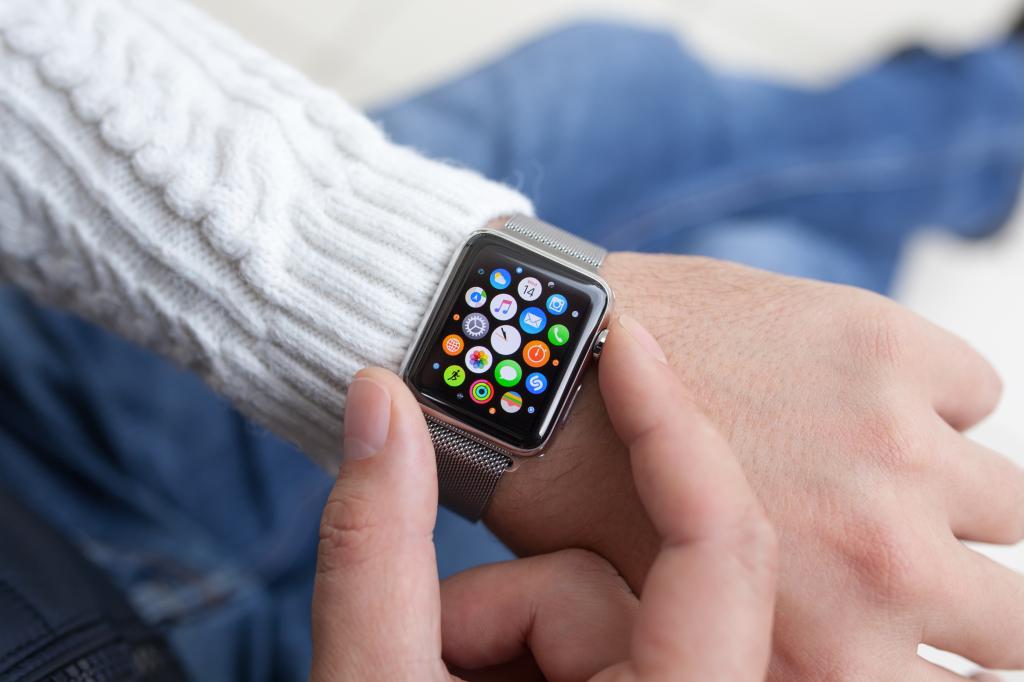
A study has found that nearly all smartwatch wristbands, including those made of plastic, leather, and metal, are contaminated with potentially harmful bacteria. Plastic and rubber wristbands were found to be more contaminated than others due to their porous and static surfaces. The presence of bacteria on wristbands, including Staphylococcus, Pseudomonas, and E. coli, poses a potential health risk, especially for immunocompromised individuals. Regular cleaning and sanitization of wristbands using disinfectants like Lysol or 70% ethanol are recommended. The study also highlights the need for healthcare workers to regularly sanitize their wristbands, as well as the potential for facilitating antibiotic resistance.
It is important to sanitize containers before transferring plants to ensure a healthy start. Microorganisms can thrive on container surfaces, creating stress for plants. Fungal diseases like black spotting, gray mold, powdery mildew, and damping off can occur if pathogens are present. Bacteria and viruses can also lurk in containers. To sanitize, soak containers in a solution of equal parts warm water and white vinegar for 10-15 minutes. Avoid using bleach, as it can harm plants. Use mild detergent soap for wood containers and vinegar for plastic, ceramic, and harder materials.
A study conducted by researchers from Florida Atlantic University (FAU) found that 95% of Apple Watch and Fitbit wristbands are contaminated with harmful bacteria, including Staphylococcus spp, E. coli, and Pseudomonas spp. These bacteria can cause various infections and health issues. The study also revealed that rubber and plastic wristbands had higher bacterial counts compared to metal ones. Regular sanitation of these wristbands is necessary, especially for healthcare workers who may come into contact with at-risk patients. Cleaning products such as Lysol Disinfectant Spray and 70% ethanol were found to be highly effective in killing bacteria on the wristbands.
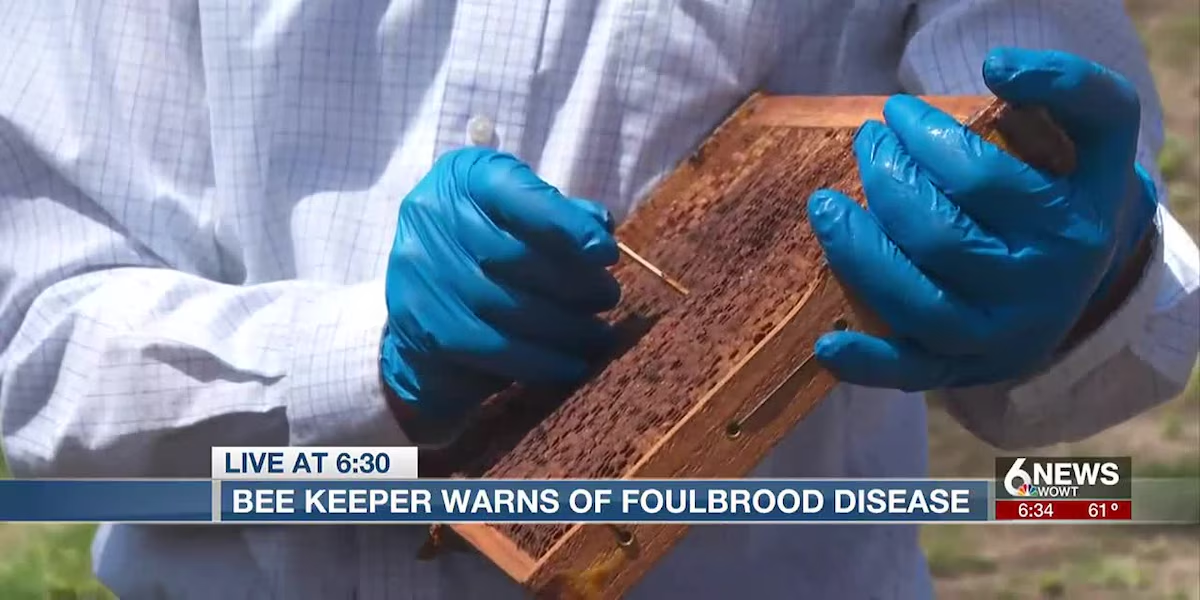
Beekeeper Mark Welsch warns other beekeepers of the contagious disease American foulbrood that is killing bee colonies in Nebraska. The disease is caused by bacteria created through cross-contamination, usually from keeping bees in used hives or using unsanitized tools. Welsch was forced to get rid of approximately 50,000 bees and burned three of the five beehives that he bought from other beekeepers. He advises beekeepers to not buy used bee hives, but if they do, always sanitize and maintain them well.