Tag

Salt Consumption

All articles tagged with #salt consumption

health4 months ago

Top Foods and Tips to Protect and Boost Kidney Health

The article emphasizes the importance of managing diet for kidney health, highlighting six key foods and drinks—water, salt, certain fruits, excessive protein, tender coconut, and unproven supplements—that can put pressure on the kidneys, especially in individuals with existing kidney issues. It advises moderation and consultation with healthcare professionals to prevent further kidney damage.

health-and-nutrition1 year ago

"PGIMER Study: Alarming Nutrient Deficiencies in North Indian Diet"

A study by PGIMER and The George Institute for Global Health found that the North Indian diet is high in salt and phosphorus while being low in potassium and protein, posing a risk for hypertension and other health issues. The study revealed that the intake of salt and phosphorus exceeded recommended levels, while potassium and protein intake fell below the WHO guidelines. This dietary imbalance, combined with other unhealthy lifestyle factors, contributes to the increasing burden of non-communicable diseases in the region.

health2 years ago

"WHO Identifies Leading Cause of Most Deaths: This Essential Food"

The World Health Organisation (WHO) has highlighted the detrimental effects of excessive salt consumption, linking it to raised blood pressure and various health issues, including cardiovascular diseases and obesity. WHO recommends limiting salt intake to less than 5 grams per day and suggests consuming fresh, minimally processed foods and using herbs, spices, and other flavorful alternatives to reduce sodium intake. Excessive sodium intake can lead to increased blood pressure, posing a significant risk for heart disease and stroke, and is associated with 1.89 million deaths annually.

health2 years ago

The Impact of Salt on Blood Pressure and Stomach Cancer

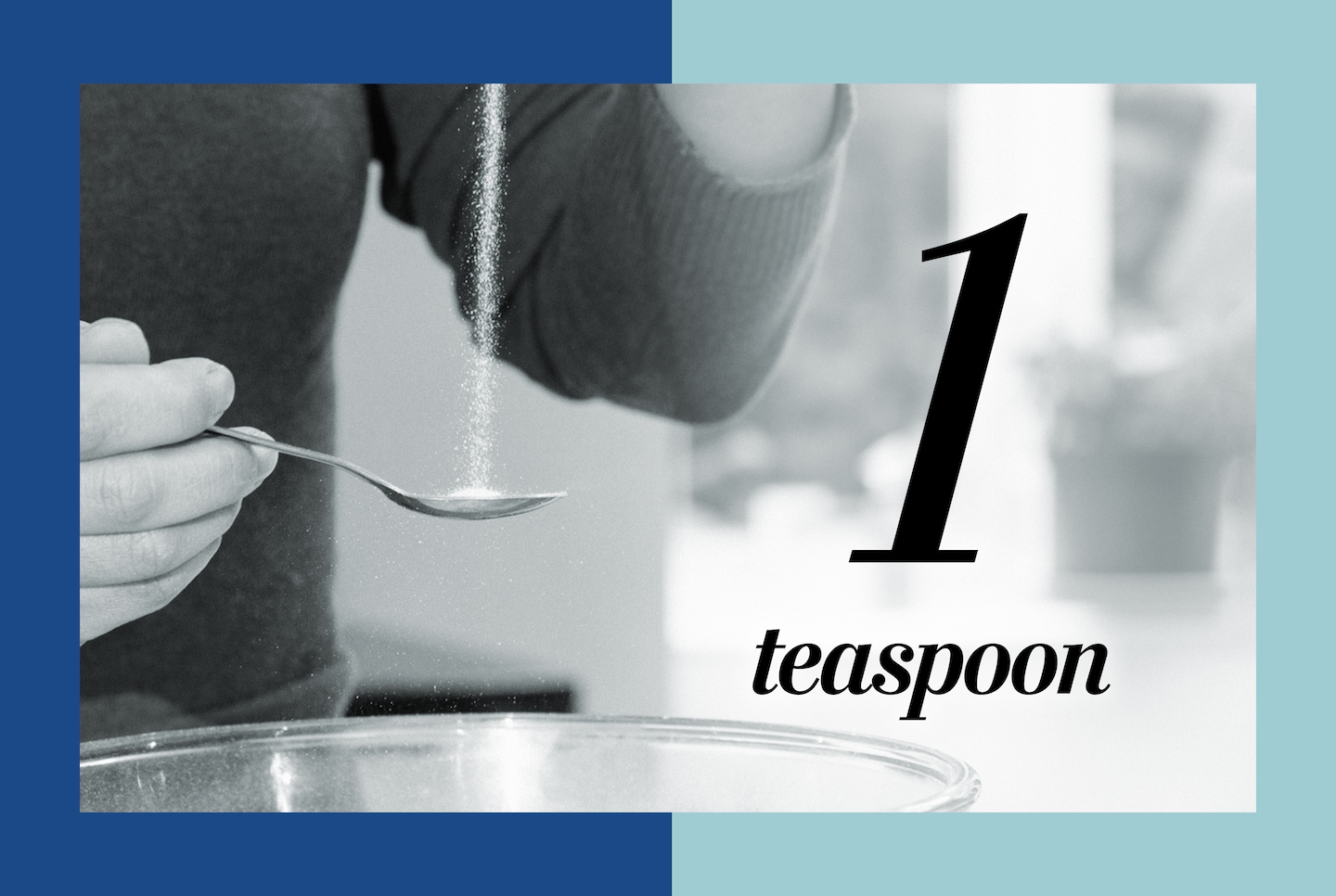
Reducing salt consumption by just one teaspoon a day could lower blood pressure as much as hypertension medication, according to a study presented at the American Heart Association's Scientific Sessions. The study found that adhering to a low-sodium diet for one week resulted in a systolic blood pressure that was 8 mmHg lower than after consuming a high-sodium diet. High blood pressure increases the risk of heart disease, stroke, and other health problems, affecting nearly half of U.S. adults.

health2 years ago

The Surprising Link Between Salt and Diabetes

A study from Tulane University has found that frequent use of added salt is linked to a higher risk of developing Type 2 diabetes. The study surveyed over 400,000 adults in the UK and found that those who frequently added salt to their meals had a 39% higher risk of developing diabetes compared to those who rarely or never added salt. The exact mechanism behind this link is still unclear, but researchers speculate that increased salt consumption may lead to larger portion sizes and increased risk of obesity and inflammation. To reduce salt intake, it is recommended to avoid high-sodium processed foods and choose fresh or frozen options instead.

health2 years ago

The Surprising Link Between Salt Consumption and Type 2 Diabetes

A new study from Tulane University suggests that frequently adding salt to foods is associated with an increased risk of developing Type 2 diabetes. The study surveyed over 400,000 adults and found that participants who frequently added salt had a higher risk of developing Type 2 diabetes compared to those who rarely used salt. High salt intake may encourage larger portion sizes, leading to risk factors such as obesity and inflammation. Further research is needed to determine the exact link between salt consumption and Type 2 diabetes, but reducing salt intake could have a significant impact on health.

health2 years ago

The Surprising Link Between Salt and Cognitive Health

Excessive salt intake can lead to hypertension, cognitive dysfunction, and dementia. A recent study by Japanese researchers has revealed that the interaction of angiotensin II-AT1 and prostaglandin E2-EP1 systems, amplified by high salt intake, causes hypertension that leads to emotional and cognitive impairment, which involves changes to tau protein and other enzymes in the brain. These findings suggest new potential therapeutic targets for hypertension-induced dementia, which is particularly significant given the rising cost of dementia treatment in aging societies like Japan.