A parent struggles to navigate the complexities of discussing sex and reproductive rights with their daughters amid changing political and legal landscapes, emphasizing honesty, safety, and trust.

To reduce cancer risk, adopt lifestyle changes such as eating more fiber, consuming fish rich in omega-3, using sun protection, cutting down on alcohol, reducing processed meat intake, prioritizing sleep, eating antioxidant-rich berries, quitting smoking, and practicing safe sex. These measures can significantly lower the chances of developing cancer, which is influenced by environmental, lifestyle, and genetic factors.
A college student new to the gay dating scene experiences intense anxiety about contracting STIs despite practicing safe sex. The advice given includes seeking therapy to manage anxiety, exploring underlying shame, and employing coping strategies like mindfulness and positive self-talk to enjoy sexual experiences without fear.
CDC data shows that rates of chlamydia, gonorrhea, and syphilis have more than doubled among adults aged 55 and older in the U.S. over the past decade. Factors such as longer life expectancy, active lifestyles, and lack of comprehensive sex education contribute to the rise. Experts emphasize the need for better sex education for older adults, as well as the importance of discussing safe sex practices with healthcare providers to prevent the spread of sexually transmitted infections in this age group.
CDC data shows a sharp rise in sexually transmitted infection rates among adults aged 55 and older in the U.S. over the past decade, with cases of chlamydia, gonorrhea, and syphilis more than doubling. Factors contributing to this trend include longer life expectancy, active lifestyles, and lack of comprehensive sex education for older adults. Experts emphasize the need for improved doctor-patient discussions on safe sex practices and awareness of STI risks in this age group.
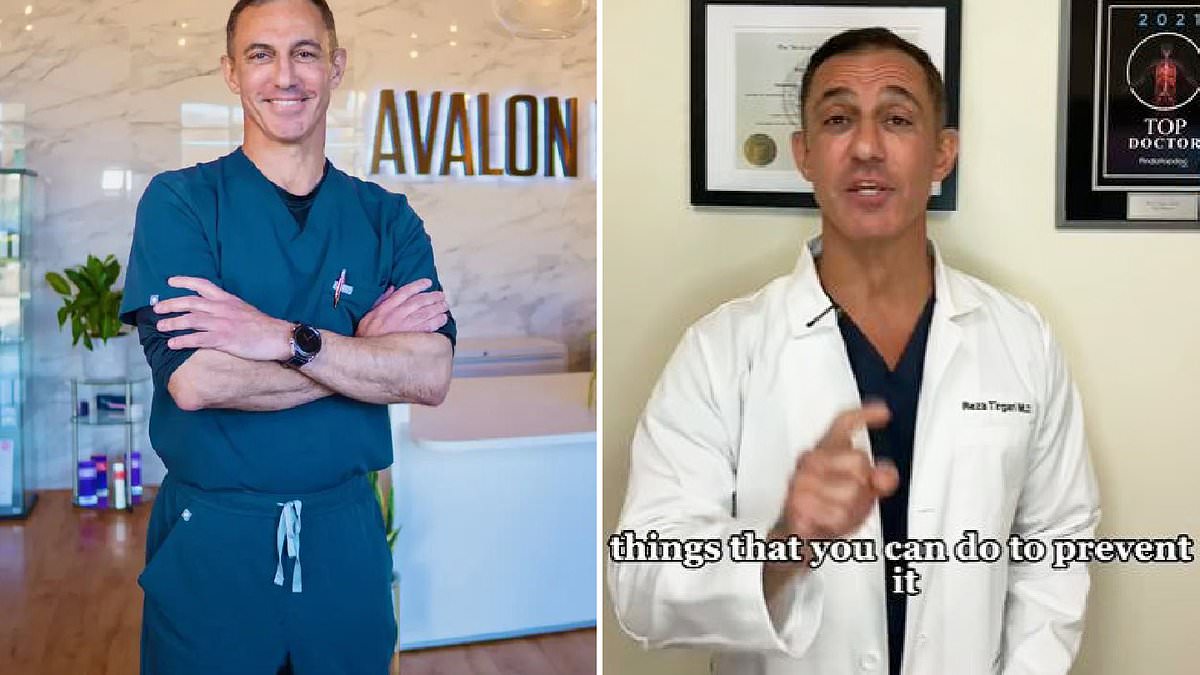
Dr. Reza Tirgari, a surgeon and biochemist, shared five ways to prevent cancer: quit smoking, eat healthy foods and exercise regularly, cut out processed meats, practice safe sex, and wear sunscreen daily. These measures can significantly reduce the risk of developing cancer and promote a healthier lifestyle.
The Department of Health in Thailand has issued a warning about the rise in HIV-positive cases among young people, particularly teenagers. The department plans to raise awareness about safe sexual practices and the importance of gender respect and conscientiousness to prevent non-consensual sexual activity. The use of high-efficiency birth control methods, combined with condoms, can help prevent unwanted pregnancies. The Department of Disease Control reported that 9,230 new HIV-positive cases were detected in 2022, with the majority of cases occurring among individuals aged 15 to 24. The government encourages the use of condoms, which can be obtained for free at health service units, and offers free HIV tests through the PaoTang mobile application.
The Department of Health in Thailand has issued a warning about the rise in HIV-positive cases among young people, particularly teenagers. The department plans to raise awareness about safe sexual practices and the importance of gender respect and conscientiousness to prevent non-consensual sexual activity. The use of high-efficiency birth control methods, combined with condoms, can help prevent unwanted pregnancies. The Department of Disease Control reported that 9,230 new HIV-positive cases were detected in 2022, with the majority of cases occurring among individuals aged 15 to 24. The government encourages the use of condoms and offers free HIV tests through the PaoTang mobile application.
England is experiencing record high levels of gonorrhoea and syphilis sexually transmitted infections, with 82,592 cases of gonorrhoea and 8,692 cases of syphilis reported in 2022. The UK Health Security Agency urges people to practice safe sex and get tested if they may be at risk. The age group most likely to be diagnosed with an STI is people who are 15-24. Condoms are "the best line of defence" against STIs. Cuts to sexual health services are making the situation worse, says Richard Angell, Chief Executive of Terrence Higgins Trust.
Cancer is the second leading cause of death globally, and there are several risk factors that increase the chance of developing cancer. Some of the most underestimated risk factors include high consumption of processed foods, obesity, unsafe sexual practices, hepatitis B virus, and human papillomavirus. To reduce the risk of cancer, it is recommended to avoid processed and junk food, maintain a healthy BMI, and get regular health checkups. Hepatitis B vaccines and HPV vaccines can also help prevent certain types of cancer.
Sexually transmitted diseases (STDs) can lead to serious health complications if left untreated. Practicing safe sex, reducing the number of sexual partners, getting tested for STIs regularly, and discussing sexual history with a new partner before having sex are proven ways to prevent getting an STD. Abstinence is also an effective way to avoid getting an STD. Anyone who is sexually active is at risk of contracting an STD, but some people may be more vulnerable, including young people, men who have sex with men, and those suffering from economic inequality and lack of access to healthcare.