The European Union is moving towards a complete phaseout of Russian crude oil, with a proposed ban to be implemented by early 2026, as part of its broader sanctions against Russia.
The EU has reached a provisional agreement to phase out Russian natural gas imports, with a full ban on LNG by late 2026 and pipeline gas by late 2027, as part of its strategy to reduce dependency on Russian energy and enhance energy security.
The EU has agreed to phase out Russian gas imports by January 2028, with plans to end new contracts by 2026 and existing ones by 2028, aiming to reduce Kremlin revenue amid ongoing Ukraine conflict, though final laws are still under negotiation and some countries like Hungary and Slovakia have expressed resistance.
The European Parliament is considering an accelerated ban on Russian gas by 2026, with discussions also including the possibility of banning Russian oil, amidst ongoing energy and geopolitical tensions.
Slovakia has blocked the EU sanctions package concerning Russian gas imports due to concerns over potential economic harm, amidst ongoing EU debates on climate and energy policies.
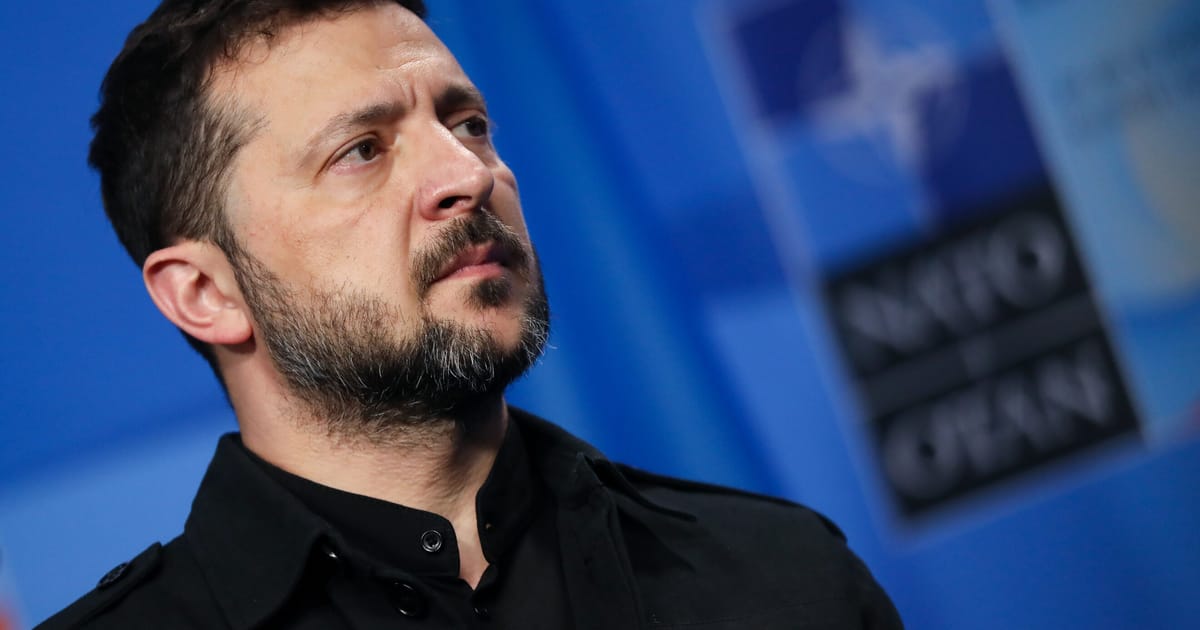
The article discusses the European Union's efforts to phase out Russian gas by 2027 amidst opposition from Hungary and Slovakia, and highlights tensions over sanctions and energy policies, with a focus on Ukraine and NATO relations. It also mentions Spain's internal debates on Russia's gas ban and the cautious stance of French and Belgian LNG buyers.
The EU is implementing new regulations aimed at reducing Russian gas imports and cutting off funds to Moscow, but faces challenges from member states like Hungary and Slovakia, while also considering stricter methane emission rules that could impact U.S. fuel imports.
European leaders aim to reduce dependence on Russian gas amid geopolitical tensions, while an American investor proposes buying the controversial Nord Stream 2 pipeline to control Russian energy exports, potentially aligning U.S. and Russian interests, despite European opposition and ongoing efforts to diversify energy sources.
Moldova's Parliament has declared a 60-day state of emergency in the energy sector starting December 16, due to concerns over Ukraine's plans to halt Russian gas transit by January 2025. This move, supported by 56 out of 101 deputies, aims to prepare for potential disruptions in gas and electricity supplies, particularly affecting Transnistria. The Moldovan government is taking measures to mitigate an energy crisis, while Russia and Moldova have discussed future gas supplies, with Gazprom expressing willingness to continue deliveries via Turkey.
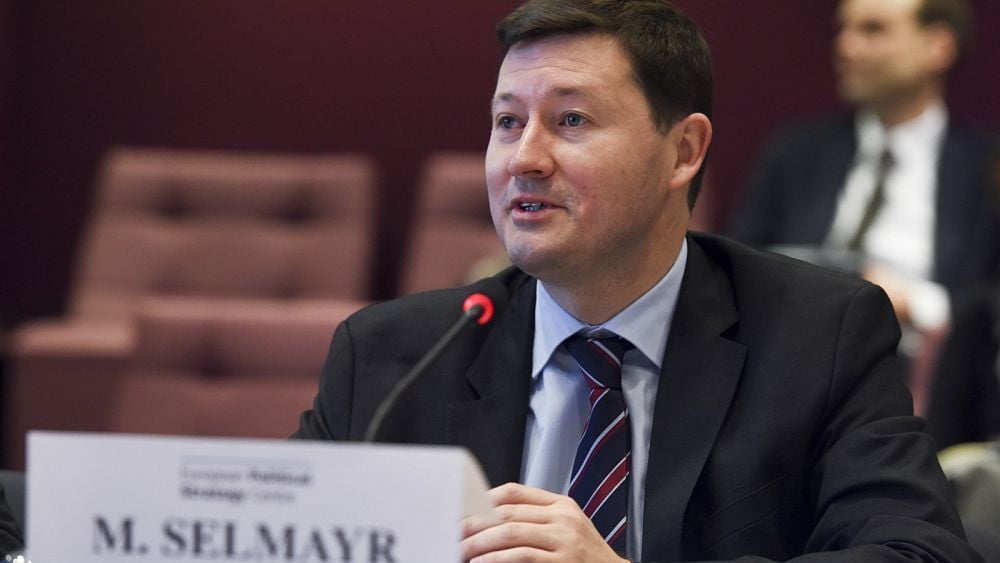
The European Commission has reprimanded its top representative in Vienna, Martin Selmayr, after he referred to Austria's purchases of Russian gas as "blood money." Selmayr's remarks were met with criticism from Austrian politicians, with the ruling party calling for his dismissal. While some parties agreed with Selmayr's characterization, the Commission stated that his choice of words breached protocol standards. Austria's reliance on Russian gas has been a subject of scrutiny, with the European Commission aiming to reduce the bloc's dependency on Russian fossil fuels through its "REPowerEU" plan.
Shell has been estimated to have made hundreds of millions of dollars trading Russian liquefied natural gas (LNG) since the start of the war in Ukraine, according to a report by Global Witness. Despite Shell's promise to stop dealing in all Russian hydrocarbons, the company continued to trade Russian gas, claiming it was necessary for Europe's energy security. The majority of Shell's Russian LNG exports went to the Middle East and Asia, rather than Europe. Global Witness calls for an immediate halt to this trade and for governments to ban imports of Russian gas and impose a 100 percent tax on profits and dividends received by companies from Russian operations since the start of the war.