Analysts remain optimistic about Nvidia's stock, with a consensus target of $253.02 suggesting a 33% undervaluation and strong earnings growth expected to drive valuation compression by 2027, supported by AI infrastructure demand and enterprise adoption, despite concerns about overvaluation and market skepticism.
The article argues that the S&P 500 ETF (SPY) is poised for another year of double-digit gains in 2026, driven by ongoing AI investment, strong earnings growth, favorable tax policies, and a potentially more accommodative monetary policy environment, despite some skepticism due to market volatility and geopolitical risks.
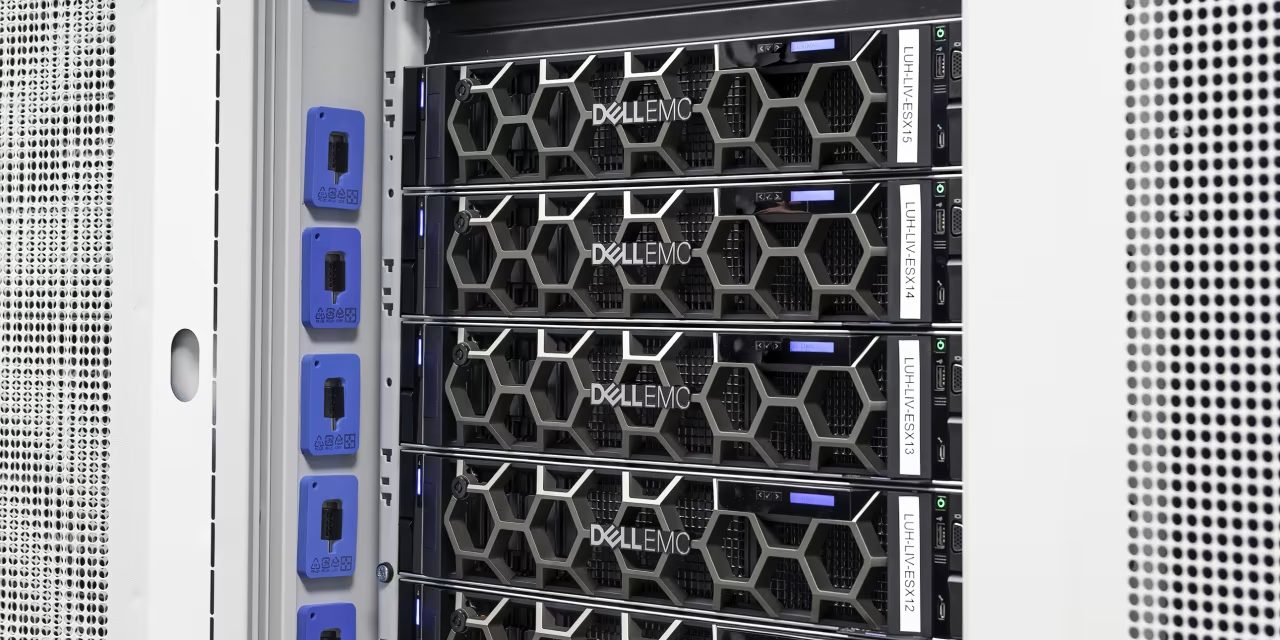
Dell Technologies raised its long-term revenue growth forecast to 7-9% and its earnings growth target to 15% or more, driven by strong demand for AI infrastructure, leading to a stock increase and a potential new 52-week high.
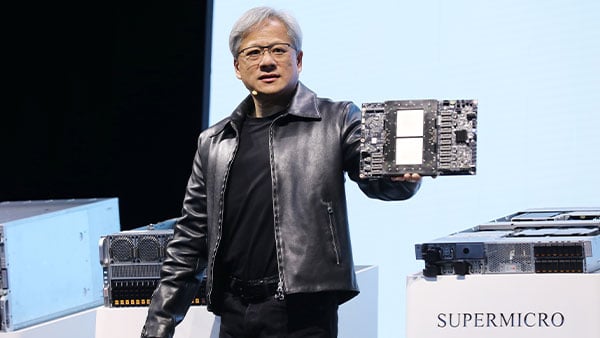
Nvidia stock is a strong buy opportunity amid the ongoing AI boom, with recent earnings up 54%, a near-perfect rating, and analyst optimism, despite some operational challenges in China.
The stock market ended August on a negative note, with concerns about inflation and September's historical volatility, but optimism remains due to expected earnings growth and potential rate cuts by the Federal Reserve, making September a possible buying opportunity despite typical declines.
BlackRock's CIO Rick Rieder is highly bullish on the current market, citing strong earnings, high cash reserves, record buybacks, favorable technicals, and potential Fed rate cuts as key factors creating the best-ever investing environment, despite some investor concerns.
Analysts predict significant earnings growth for seven S&P 500 stocks in the upcoming earnings season, with Expand Energy and Coinbase leading the way with projected growth rates of over 13,000% and 843%, respectively, amid mixed results across the market and an overall expected earnings increase of 4.8% for the index.
Recent market activity suggests a potential broadening of the bull market as investors anticipate interest rate cuts from the Federal Reserve. Better-than-expected inflation data has led to a rotation from tech stocks to interest rate-sensitive sectors like Real Estate and Financials. The small-cap Russell 2000 index and the equal-weight S&P 500 have outperformed, indicating a wider range of stocks contributing to the rally. However, experts caution that sustained earnings growth across multiple sectors and confirmed rate cuts are needed to solidify this trend.
Microsoft has introduced AI-powered Copilot+ PCs, enhancing its strong investment thesis and positioning it as a potential $10 trillion company by 2035. The tech giant's integration of AI across its products and services, including its cloud business and GitHub Copilot, is driving rapid growth. With substantial cash reserves and a proven track record, Microsoft is well-equipped to endure market downturns and continue rewarding shareholders, making it a compelling investment opportunity.
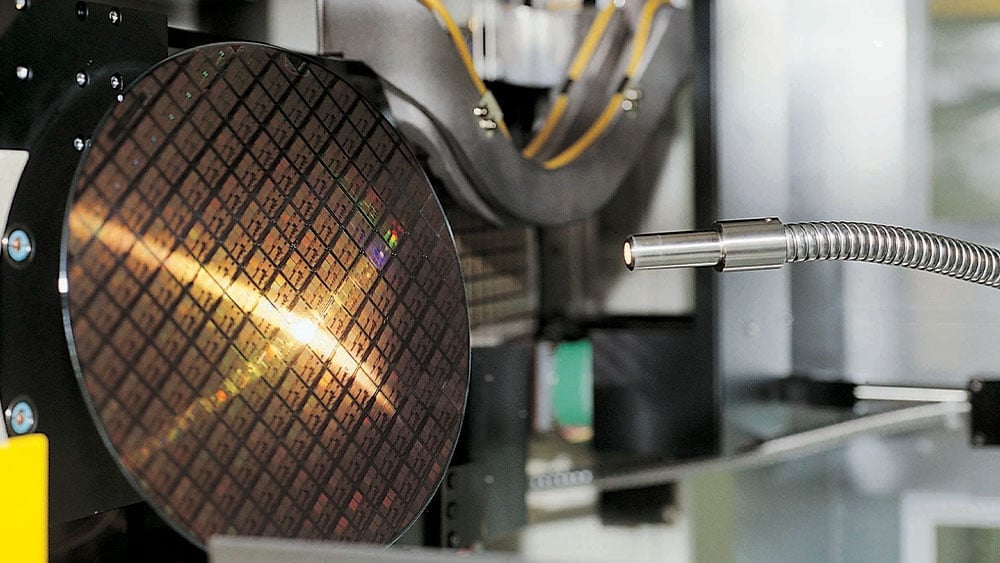
Taiwan Semiconductor Manufacturing (TSM) beat expectations for the first quarter with earnings of $1.38 per U.S. share on sales of $18.87 billion, marking a return to sales and earnings growth after four consecutive quarters of declines. The company's stock fell in early trading despite the positive results. TSMC's customers include Apple, AMD, Nvidia, and Qualcomm, and it expects strong demand for its 3-nanometer and 5-nanometer technologies in the coming quarters.
Nvidia's stock has pulled back by nearly 11% after a 200% surge over the past year, prompting debate on whether it's a good time to buy. Bullish investors highlight the company's impressive revenue and earnings growth, driven by its data center business, while the bear case emphasizes unpredictable long-term earnings growth, intense competition in the AI chip space, and customer concentration risks. With the stock's premium valuation and potential for demand weakness, some investors may opt to wait for a more attractive purchase price in the future.
Despite facing U.S. sanctions since 2019, Huawei Technologies experienced its fastest growth in four years in 2023, with a 9.63% revenue increase to 704.2 billion yuan ($97.48 billion). The consumer business, including its handset segment, contributed significantly to this growth, with a 17.3% increase. The company's net profit also rose by 144.5% to 87 billion yuan, with the smart car software and components business seeing a notable 128.1% growth. This rebound reflects Huawei's recovery from U.S. restrictions and its successful expansion into new business areas like smart car technology.
While Nvidia has seen significant growth, there are alternative investments in the technology sector that are expected to experience substantial earnings growth in the future, presenting opportunities for investors who may have missed out on the Nvidia boom.
Société Générale's head of U.S. equity strategy, Manish Kabra, suggests that the S&P 500 has room to overshoot and advises staying long on U.S. tech and industrials due to positive signals indicating stocks are not overexuberant. Kabra points to a trifecta of signals, including profit inflection and high-yield spread compression, supporting his view. SocGen has set a target of 6,250 for the S&P 500, citing a favorable investing spot in the tech sector. Stock futures are holding gains, with bond yields creeping up, and various companies are reporting upbeat results.
Walt Disney's shares surged 11% after the company's quarterly report, which included a 50% increase in its dividend, signaling confidence in its transformation and improving financials. With adjusted earnings per share up and full-year earnings expected to increase, Disney's CEO and CFO expressed optimism about the company's future as a strong cash generator and earnings compounder. Additionally, Disney's board authorized $3 billion for share repurchases, highlighting management's confidence in its stock's long-term performance potential.