Midday Stock Movers: Vertiv, Baidu, Warby Parker, RH & More
The article highlights the biggest midday stock movements involving companies like Vertiv, Baidu, Warby Parker, and RH, indicating notable trading activity and price changes.
All articles tagged with #baidu

The article highlights the biggest midday stock movements involving companies like Vertiv, Baidu, Warby Parker, and RH, indicating notable trading activity and price changes.

Baidu's AI chip subsidiary Kunlunxin filed for a Hong Kong IPO, potentially valuing it at up to $23 billion, as Baidu's stock surged on AI sector optimism; the move aims to showcase Kunlunxin's value and attract AI-focused investors amid China's push for domestic AI chip production.

The article highlights the biggest premarket stock movements involving companies like Baidu, Wayfair, Tesla, and Taiwan Semiconductor, indicating notable trading activity before the market opens.

Baidu plans to spin off its AI chip subsidiary Kunlunxin and list it in Hong Kong to boost its standalone potential and attract sector-specific investors amid China's push for semiconductor self-sufficiency and the AI chip boom. The move, still pending regulatory approval, reflects China's efforts to develop domestic chipmakers and reduce reliance on US technology, with Kunlunxin expanding its sales and market presence as a key player in China's AI hardware ecosystem.

Baidu's AI chip unit Kunlunxin has confidentially filed for a Hong Kong IPO, aiming for a spin-off and separate listing, as part of China's broader push to develop domestic semiconductor alternatives amid U.S. export restrictions. The company, valued at around $3 billion, will remain a subsidiary of Baidu after the IPO, with details yet to be finalized.

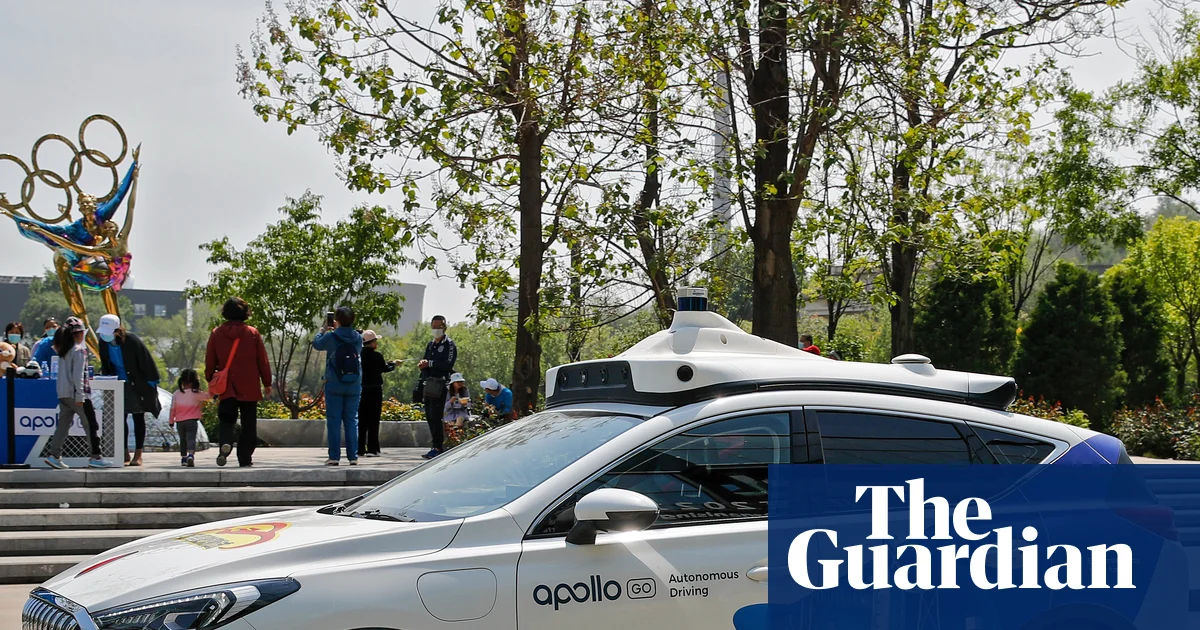
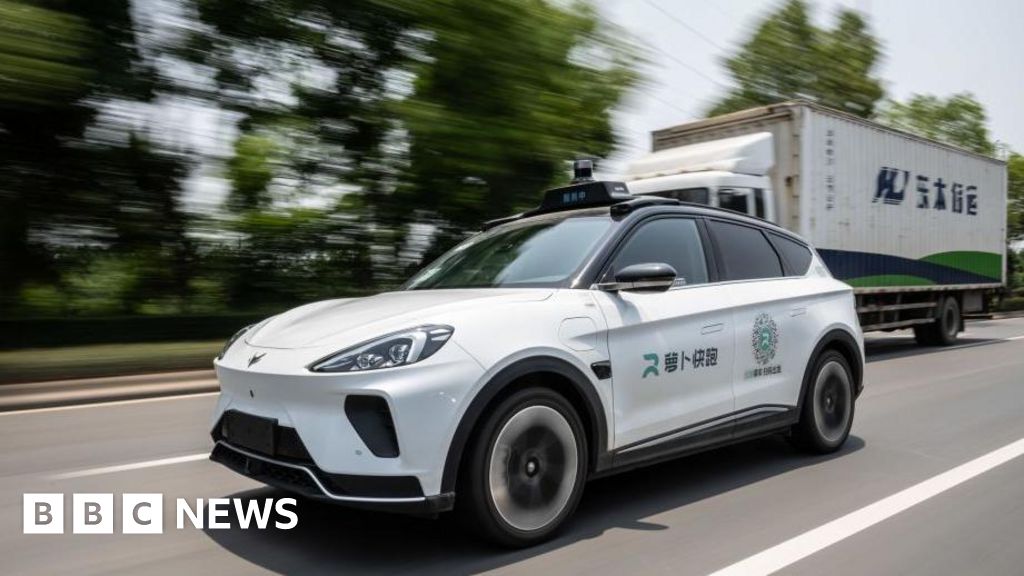
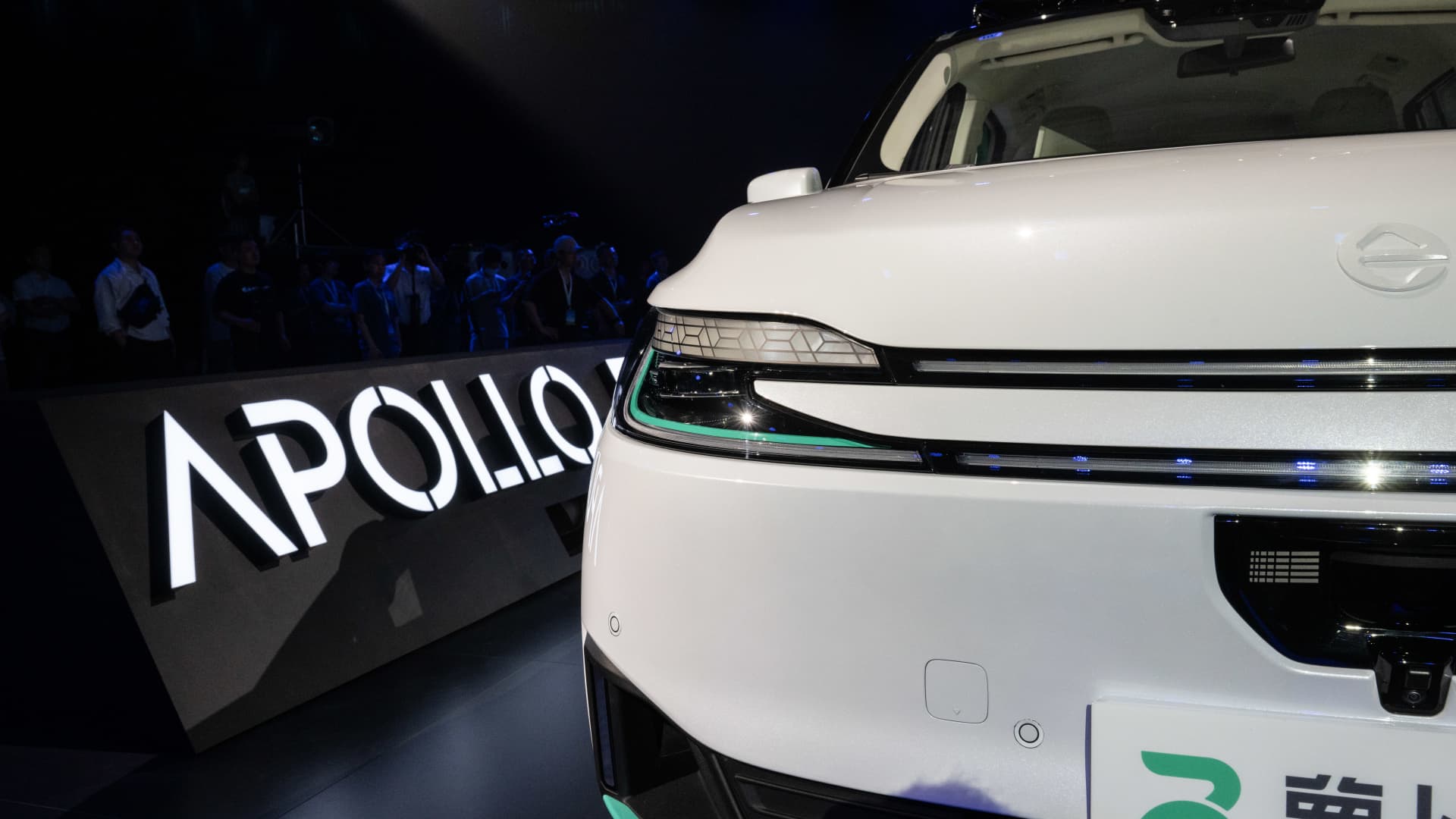
Chinese self-driving technology company Baidu is set to deploy robotaxis in London next year through partnerships with Lyft and Uber, marking a significant step in autonomous vehicle deployment in the UK, amid security concerns over Chinese technology dominance and data security. Lyft plans to test Baidu's Apollo Go cars in 2026, while Uber also announced plans to use Baidu's vehicles in London, as the UK government pushes to become a leader in driverless tech.

Uber and Lyft are partnering with China's Baidu to trial autonomous robotaxis in London starting in 2026, aiming to obtain regulatory approval. While Baidu's Apollo Go service is already operational in China, UK regulators and the public remain cautious about safety and trust issues related to driverless vehicles. The initiative aims to position the UK as a leader in future mobility, but safety concerns and regulatory hurdles need to be addressed before widespread deployment.

Baidu is partnering with Uber and Lyft to introduce robotaxis in London starting in 2026, as the UK accelerates its autonomous vehicle pilot programs, with Baidu expanding its global presence amid competition from other tech giants like Waymo.

Cathie Wood's Ark Invest is buying Chinese stocks, including Alibaba, Pony AI, and Baidu, as she sees potential in China's growing market despite mixed recent performances, with investments focusing on e-commerce, autonomous driving, and AI chips.

Baidu reported a 3% drop in third-quarter revenue to $4.78 billion, surpassing market expectations due to growth in its AI cloud business, which offset declines in online marketing. Net income rose 14% to $1.09 billion. The company highlighted the success of its Ernie AI model and chatbot, which now has 430 million users. Baidu also announced the upcoming release of its Xiaodu AI Glasses, a competitor to Meta's Ray-Ban smart glasses. Despite a 4% drop in U.S.-traded shares, Baidu remains committed to its AI-focused strategy.

Shares of Chinese tech giants Alibaba, Baidu, and JD.com fell due to disappointing economic data from China, which reported only 4.7% growth in Q2, below expectations. Retail sales growth was also weak, indicating a sluggish consumer market. This has raised concerns about the companies' upcoming earnings and the broader economic outlook, despite recent measures by China to stimulate growth.

Shares of Chinese tech giants Alibaba, Baidu, and JD.com fell due to disappointing Q2 economic growth data from China, which reported only 4.7% growth, below expectations. The lackluster performance in consumer spending and retail sales, coupled with a focus on industrial production and exports, has raised concerns about the companies' upcoming earnings and overall market sentiment. Despite recent interest rate cuts and housing sector measures, more stimulus may be needed to revive China's consumer economy.

Baidu's AI chatbot "Ernie Bot" has amassed over 200 million users and is being used 200 million times daily through its API, with 85,000 enterprise clients. The chatbot, approved for public release in China last August, faces competition from rival AI services like Alibaba-backed Moonshot AI's "Kimi." Despite rapid growth, Chinese generative AI services still trail behind Western counterparts, with OpenAI's ChatGPT remaining the most popular globally. China has expedited approvals for AI services, recognizing AI as a key area for competition with the U.S.

The overlooked AI stocks UiPath, SentinelOne, and Baidu have the potential for significant growth. UiPath, a leader in robotic process automation, saw accelerated growth during the pandemic and expects further revenue increases. SentinelOne, a cybersecurity company, has experienced rapid revenue growth and could see further expansion. Baidu, a major player in the AI race, operates China's largest online search engine and has diversified into cloud infrastructure and AI technologies. Despite recent challenges, these stocks are positioned for potential growth and could be undervalued opportunities for investors.

Apple is seeking partnerships to enhance its generative AI capabilities and has reportedly chosen Baidu's Ernie 4.0 model to power its iPhone 16 and iOS 18. The company has also been in discussions with other tech giants for similar partnerships. Apple's focus on generative AI aligns with its hardware-centric approach, and it is expected to make significant announcements regarding Siri's capabilities at WWDC 2024. While Apple's dedication to enhancing its devices through AI partnerships is evident, it has chosen to steer clear of the AGI race, as noted by Pedro Domingos.