Tag

Ritual

All articles tagged with #ritual

archaeology2 years ago

Ancient Maya Canoe Unearthed in Mexican 'Underworld Portal'

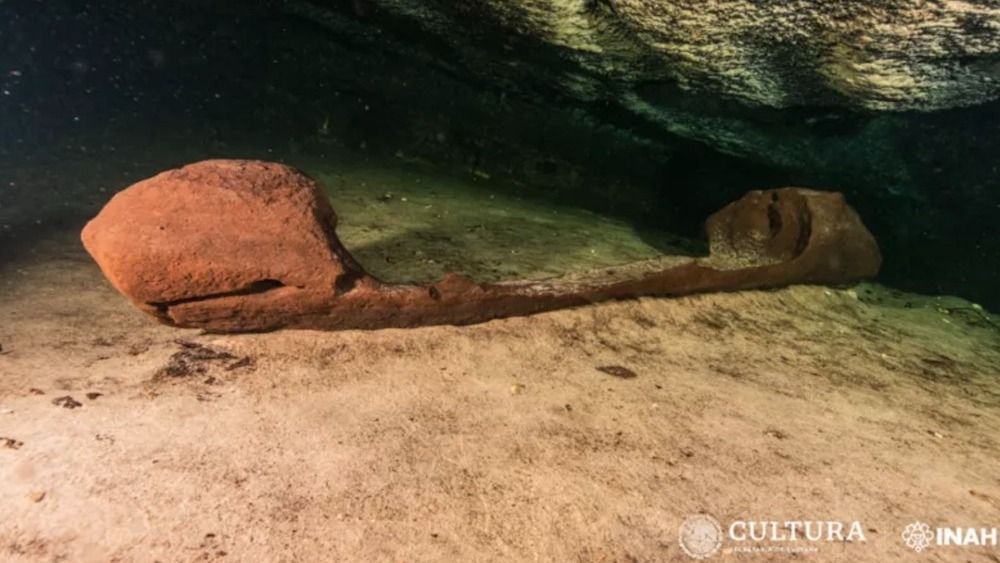
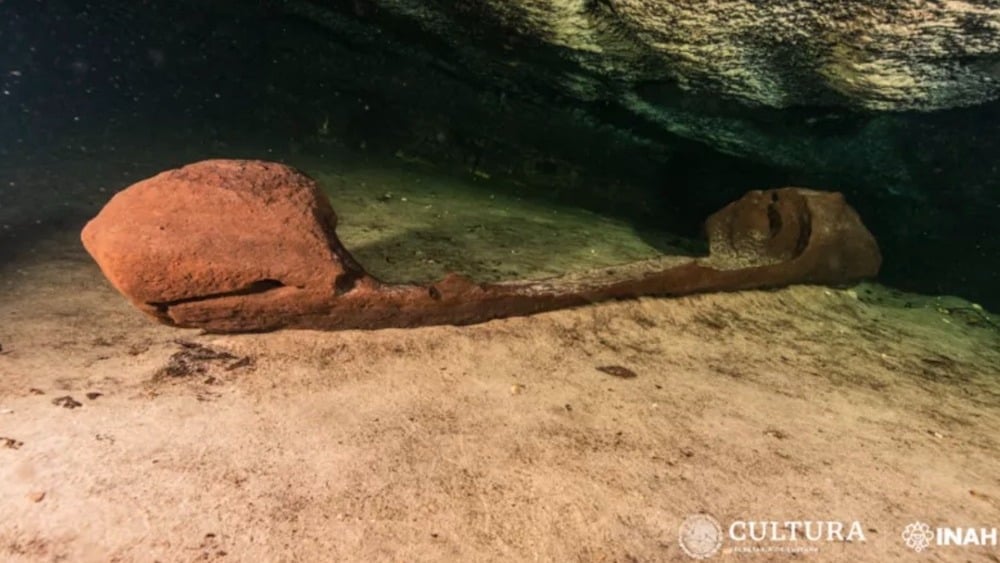
A wooden canoe surrounded by human and animal skeletons, including an armadillo, dog, turkey, and eagle, has been discovered in an underwater cave near the ancient Maya city of Chichén Itzá in Mexico. The abundance of armadillo bones and the presence of a human foot suggest that the canoe may have been used in a Maya ritual and intentionally placed in the cave. Armadillos were considered an "avatar" for the Maya deity God L, associated with the underworld. Carbon analysis revealed that the canoe was built in the 16th century.

archaeology2 years ago

Ancient Maya Canoe Unearthed in Mexico's Underworld Portal

A wooden canoe surrounded by human and animal bones, including an armadillo, turkey, and eagle, has been discovered in an underwater cave near the ancient Maya city of Chichén Itzá in Mexico. Archaeologists believe the canoe was used in a ritual and intentionally placed in the cave, as armadillos were considered an "avatar" for the Maya deity God L, associated with the underworld. The canoe's design suggests it was not meant for practical use, and carbon analysis dates the wood to the 16th century.

archaeology2 years ago

3,000-Year-Old Mummy Surrounded by Coca Leaves Found in Peru

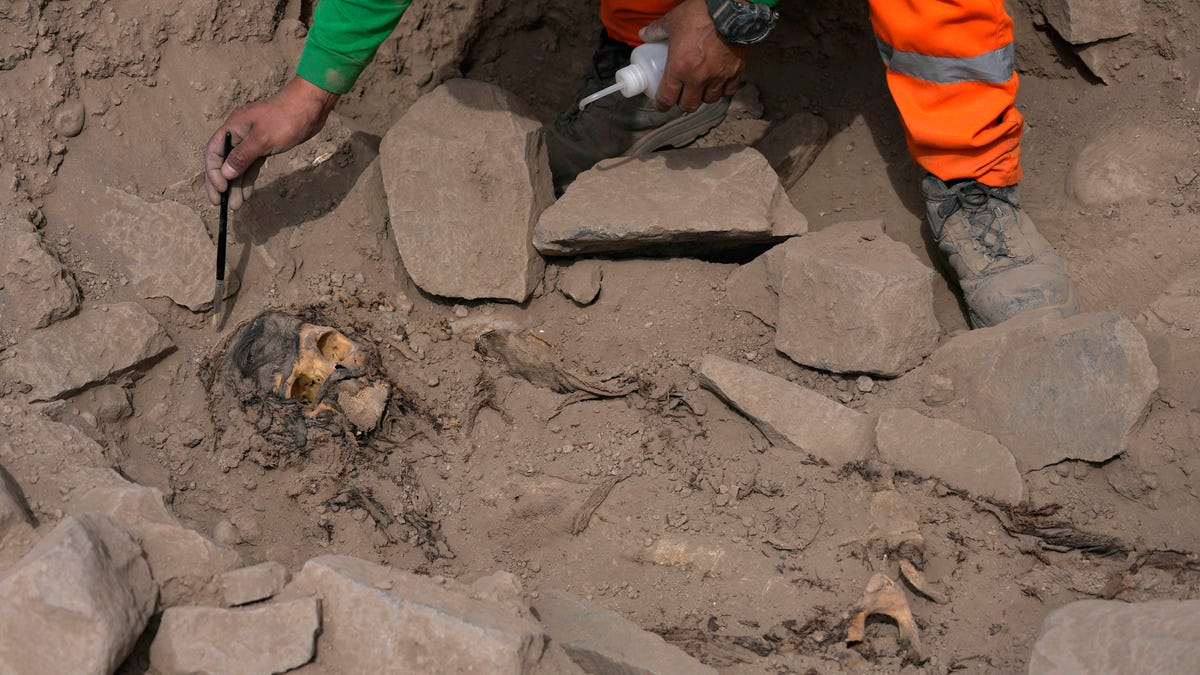
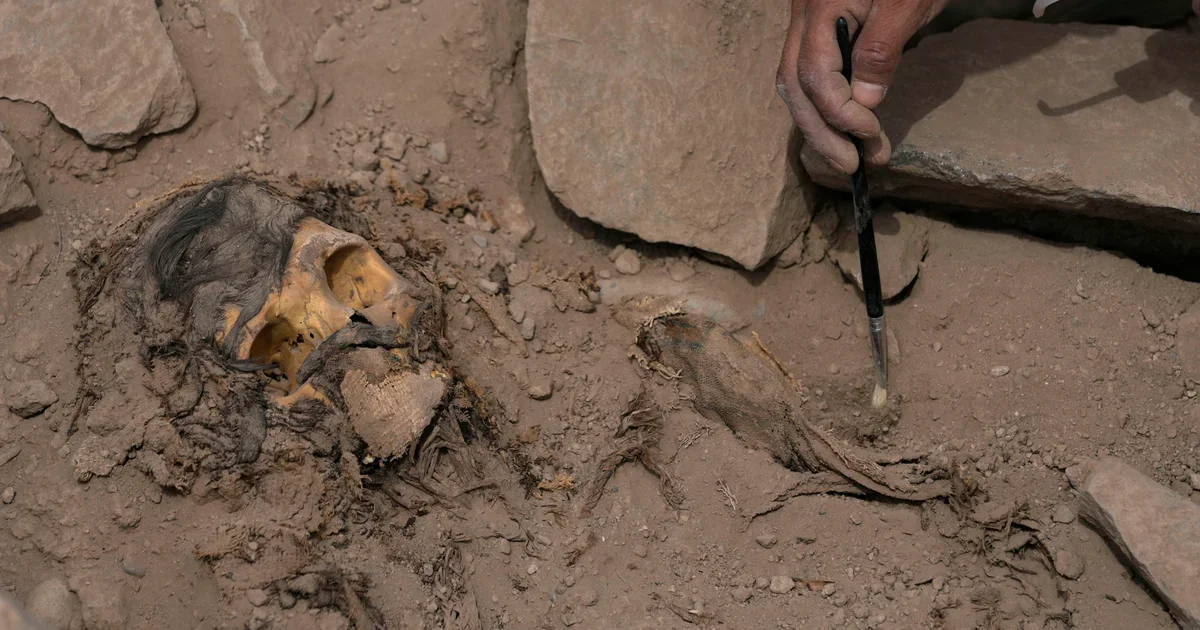
Archeologists in Peru have discovered a pre-Hispanic mummy buried in a ritual that included coca leaves and seashells. The mummy was found on top of a destroyed U-shaped clay temple, buried one meter down, and surrounded by stones. The body was tied with a rope braided from vines of vegetable origin, a pattern seen in ceremonies. The mummy has not yet been dated, but old fly eggs found next to the skeleton suggest the body was exposed for several days before being buried. The hill where the mummy was found is a "huaca," a Quechua word meaning oracle or sacred place.

archaeology2 years ago

Peruvian archaeologists discover ancient mummy buried in unexpected locations.

Archaeologists in Peru have discovered a pre-Hispanic mummy buried in a ritual that included coca leaves and seashells on top of a hill in Lima next to a professional soccer club's practice field. The mummy, believed to be from the Manchay culture, was buried approximately 3,000 years ago and was found with its lower extremities tied with a rope braided from vines of vegetable origin. The hill was a "huaca," a Quechua word meaning oracle or sacred place, and has remains of ancient mud walls. Mummies and other pre-Hispanic remains have been found in unusual places in the city.

world2 years ago

Gujarat couple commits suicide in homemade guillotine sacrifice.

An Indian couple allegedly used a homemade guillotine-like mechanism to behead themselves in a sacrificial ritual using fire as a sacred element in Hinduism. Police found a suicide note addressed to family members and have launched an investigation. While ritual human sacrifices are not uncommon in India, almost all known cases involve people killing others to please gods, rather than themselves.

archaeology2 years ago

Bronze Age Psychedelia: Exploring Ancient Hallucinogenic Rituals.

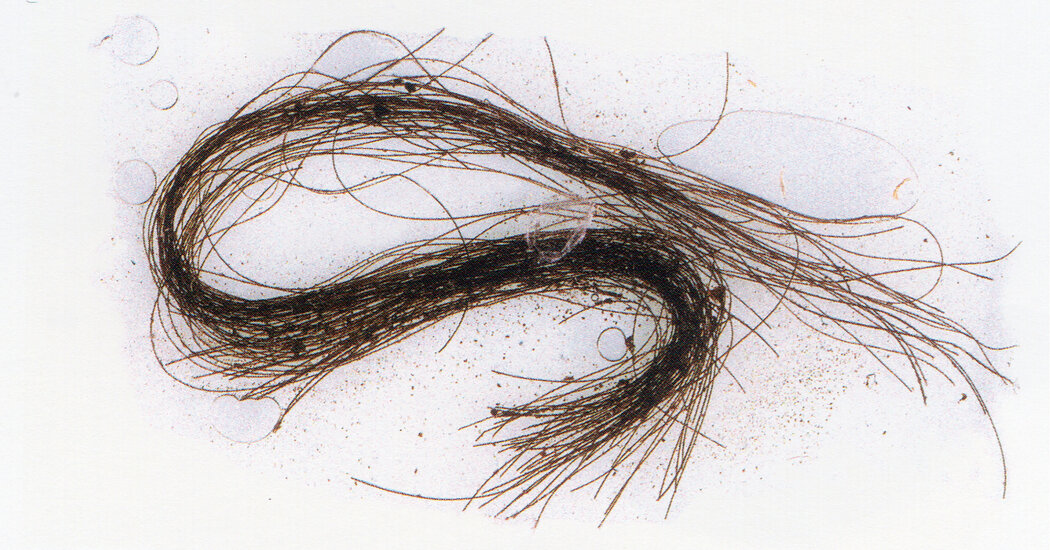
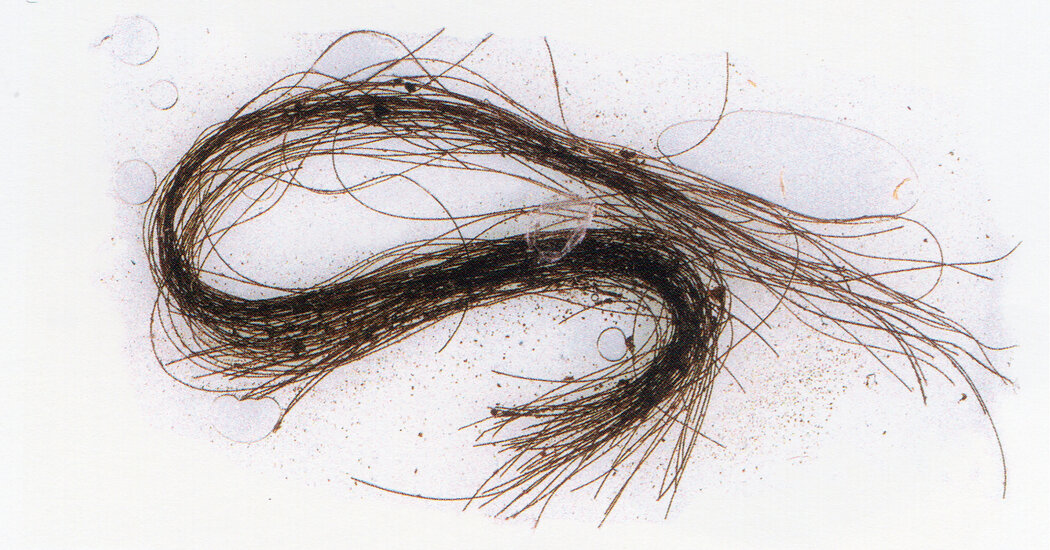
Strands of human hair found in a Spanish burial cave suggest that Bronze Age humans living 3,000 years ago used hallucinogens, likely derived from local plants, as part of their rituals. The hair, found inside wooden containers hidden deep within a sealed grotto on Minorca, an island off the coast of eastern Spain, tested positive for a number of mind-altering compounds, suggesting that the people who lived there incorporated hallucinogenic experiences into the rituals of their lives. The findings provide the first direct evidence that ancient Europeans consumed psychoactive drugs much like their pre-Columbian brethren in Mesoamerica.

archaeology2 years ago

Bronze Age Psychedelia: Exploring Ancient Hallucinogenic Rituals.

Strands of human hair found in a Spanish burial cave suggest that Bronze Age humans living 3,000 years ago used hallucinogens, likely derived from local plants, as part of their rituals. The hair, found inside wooden containers hidden deep within a sealed grotto on Minorca, an island off the coast of eastern Spain, tested positive for a number of mind-altering compounds, suggesting that the people who lived there incorporated hallucinogenic experiences into the rituals of their lives. The findings provide the first direct evidence that ancient Europeans consumed psychoactive drugs much like their pre-Columbian brethren in Mesoamerica.