Tag

Rfid

All articles tagged with #rfid

MIT’s Biodegradable Capsule Confirms Medication Ingestion in Real Time

Originally Published 1 day ago — by Indian Defence Review

Featured image for MIT’s Biodegradable Capsule Confirms Medication Ingestion in Real Time
Source: Indian Defence Review

MIT engineers have developed a biodegradable ingestible capsule with a zinc-cellulose antenna and a micro-RFID chip that emits a real-time signal confirming a pill has been swallowed. The capsule dissolves in the stomach while the RFID component is excreted, enabling noninvasive adherence monitoring for critical therapies (e.g., transplant immunosuppression) and potential integration with health records. The SAFARI project uses safe, eco-friendly materials and aims for human trials, offering a pathway to real-time feedback without bulky wearables.

"Global Hotel Security Alert: 3 Million Door Locks Vulnerable to Simple Hack"

Originally Published 1 year ago — by View from the Wing

Featured image for "Global Hotel Security Alert: 3 Million Door Locks Vulnerable to Simple Hack"
Source: View from the Wing

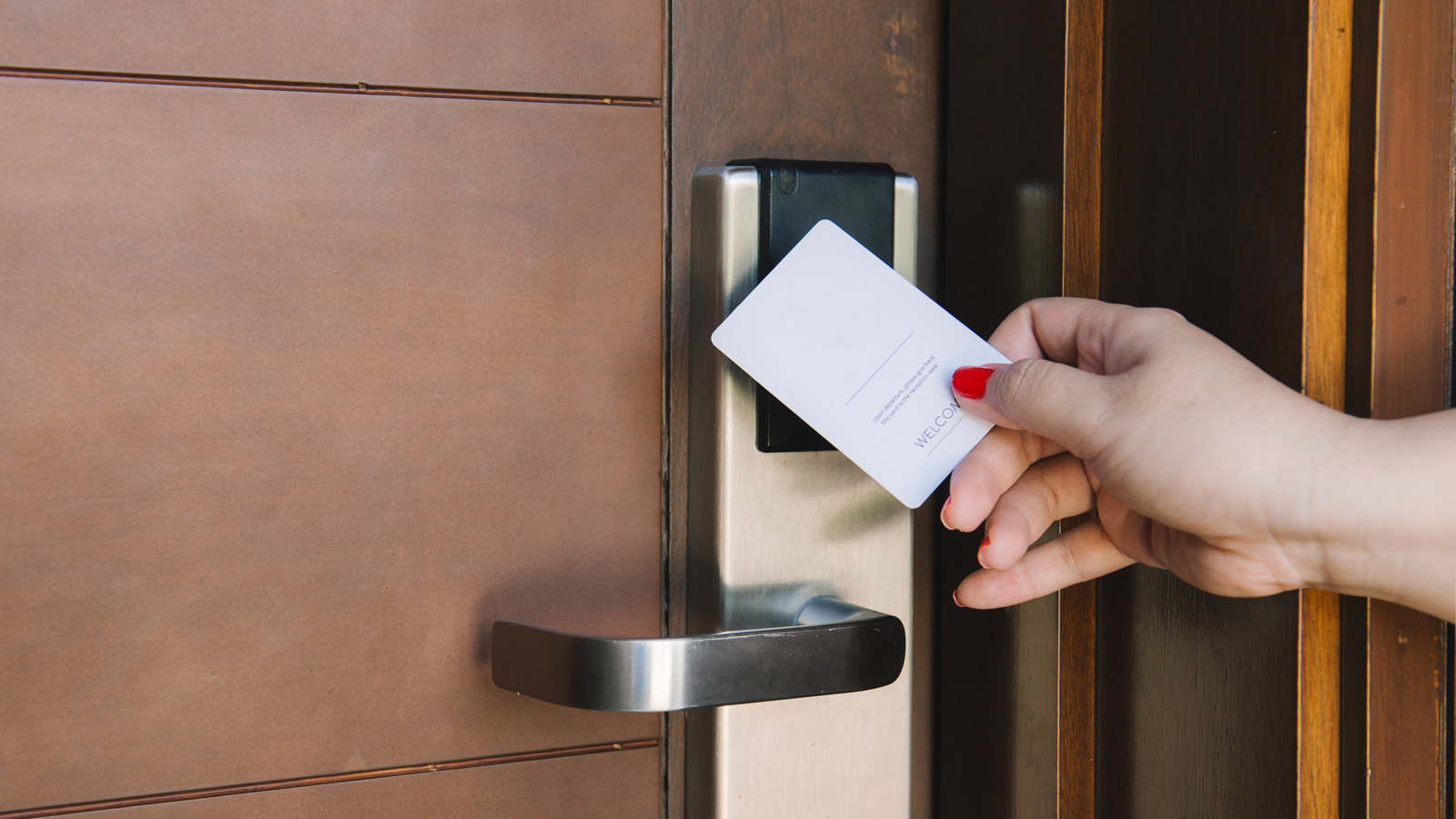
A security flaw in the RFID-based keycard locks by Dormakaba, affecting Saflok systems installed in doors across 131 countries, allows hackers to open over 3 million hotel doors worldwide with just two taps using a specialized RFID device to read and duplicate a crucial code from a hotel's keycard. The vulnerability exploits weaknesses in Dormakaba's encryption and the underlying RFID system, enabling the creation of functional keycards capable of unlocking doors. While a fix is rolling out, it may take months or years to be in place worldwide, and many Saflok lock systems remain unupdated.

"Security Flaw Exposes Millions of Hotel Door Locks to Hackers"

Originally Published 1 year ago — by BleepingComputer

Featured image for "Security Flaw Exposes Millions of Hotel Door Locks to Hackers"
Source: BleepingComputer

Researchers have disclosed a series of security flaws, dubbed "Unsaflok," that impact 3 million Saflok electronic RFID locks deployed in 13,000 hotels worldwide, allowing attackers to easily unlock any door in a hotel by forging a pair of keycards. The vulnerabilities were discovered by a team of researchers who reverse-engineered Dormakaba's front desk software and a lock programming device, enabling them to create forged keycards that could open any room on the property. While the manufacturer is actively working to mitigate the flaw, as of March 2024, 64% of the locks remain vulnerable, and guests can check their keycard type using the NFC Taginfo app to determine if their locks are vulnerable.

"Tamper-Proof ID Tag Authenticates Almost Anything"

Originally Published 1 year ago — by MIT News

Featured image for "Tamper-Proof ID Tag Authenticates Almost Anything"
Source: MIT News

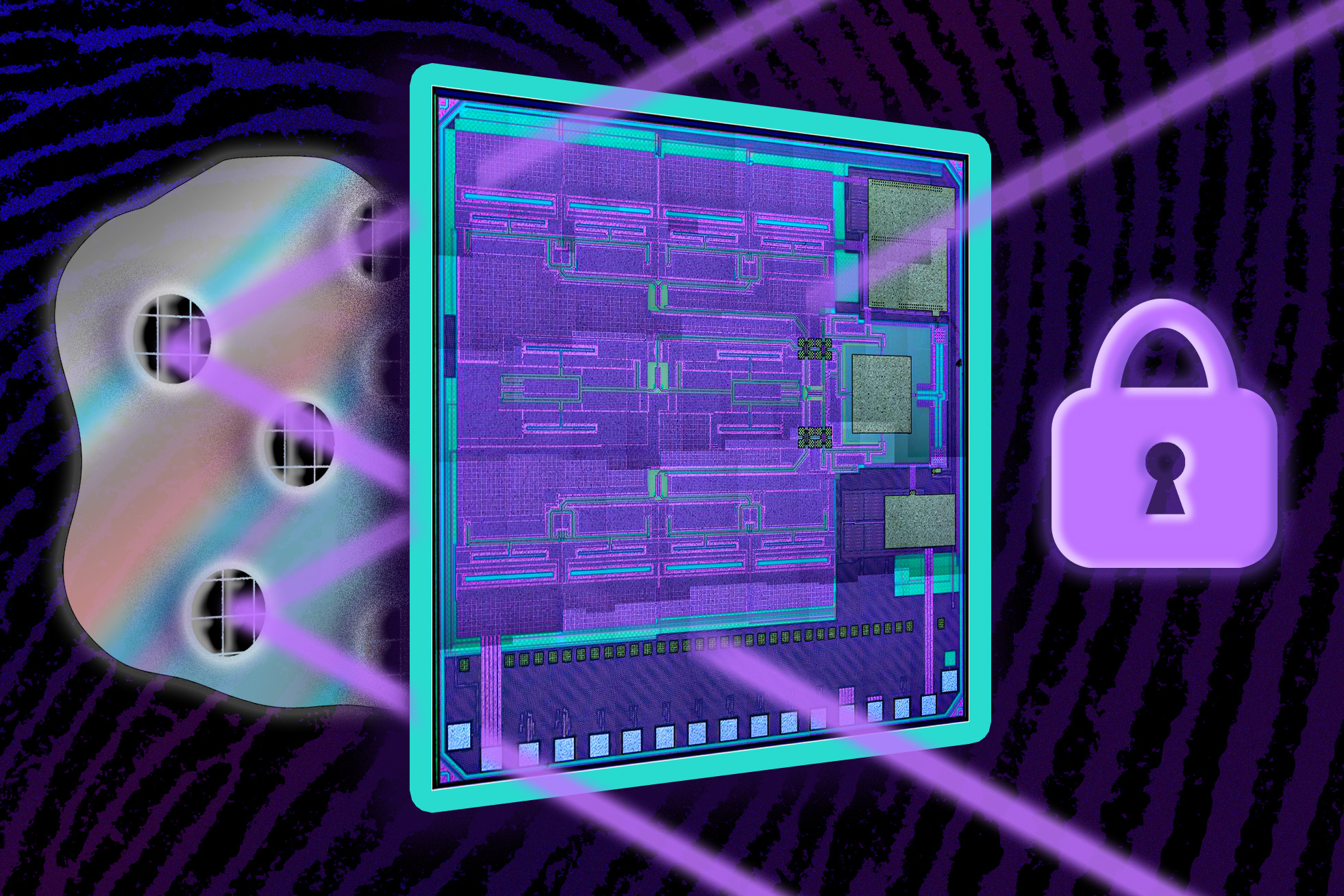
MIT researchers have developed a tiny, tamper-proof ID tag that utilizes terahertz waves to authenticate items, offering improved security over traditional RFIDs. By mixing microscopic metal particles into the glue that sticks the tag to an object, a unique pattern is created, akin to a fingerprint, which is used for authentication. A machine-learning model has been demonstrated to detect tampering with over 99 percent accuracy. While the tag is cheap and small enough to attach to items throughout a supply chain, it is limited by the distance and angle between the sensor and tag. The researchers hope to address these limitations and inspire further exploration of terahertz applications beyond broadband wireless.

"10 Practical Uses for the Flipper Zero Device"

Originally Published 1 year ago — by Gizmodo

Featured image for "10 Practical Uses for the Flipper Zero Device"
Source: Gizmodo

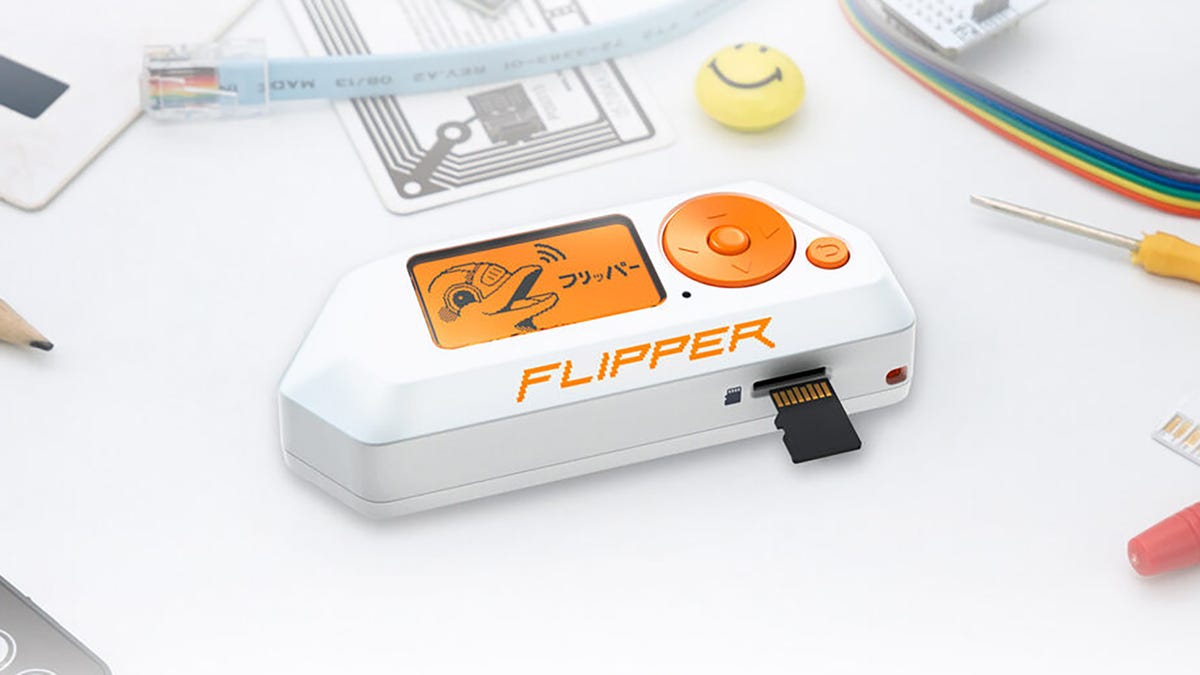
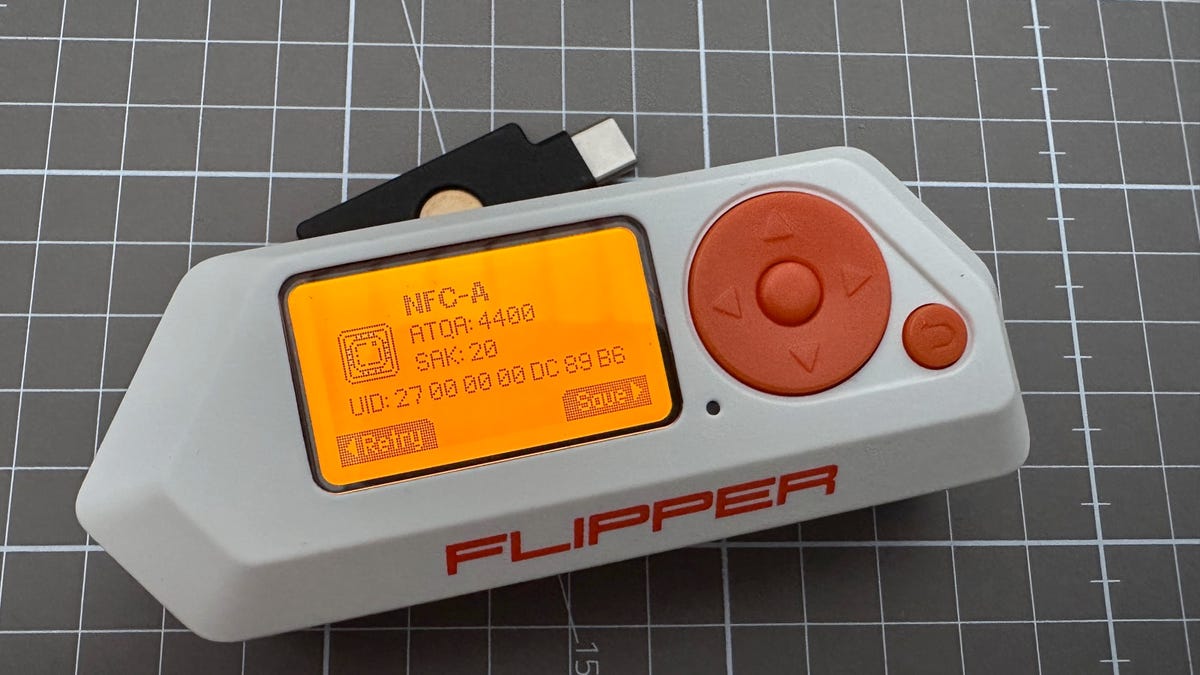
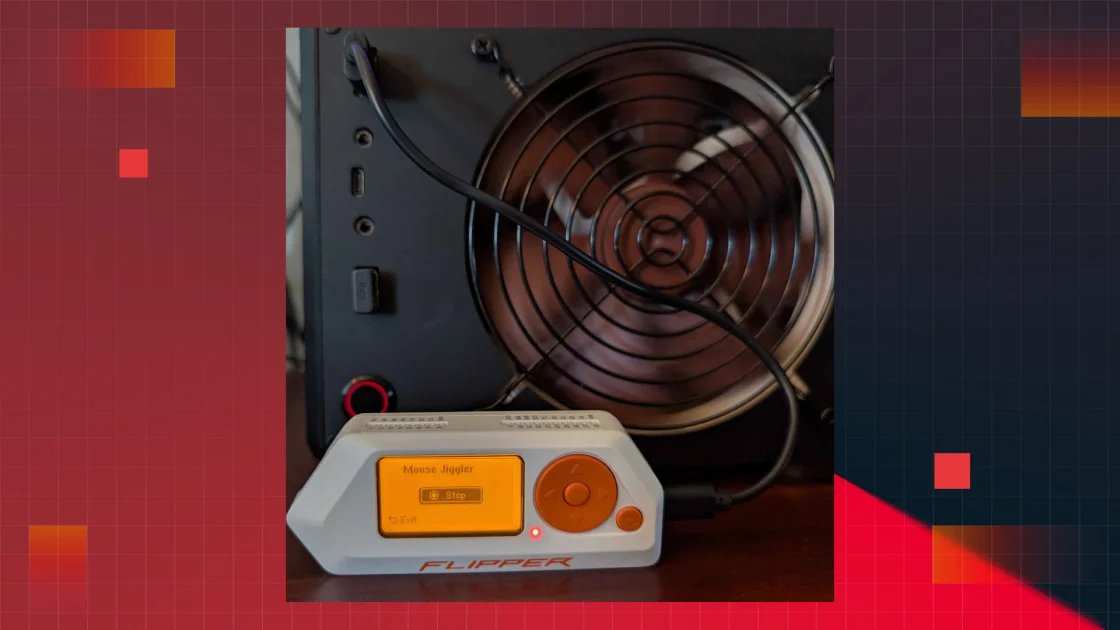
The Flipper Zero is a versatile hardware hacking tool that supports various radio protocols, allowing it to perform useful tasks such as scanning pet RFID microchips, starting a Pomodoro timer, copying a garage door key, controlling televisions, creating NFC business cards, improving account security, setting up a metronome, advancing slides in a presentation, simulating a keyboard for small computers, and playing retro video games.

"Tech Strategies: America's Retail Giants Combat Organized Retail Theft"

Originally Published 2 years ago — by CNBC

Featured image for "Tech Strategies: America's Retail Giants Combat Organized Retail Theft"
Source: CNBC

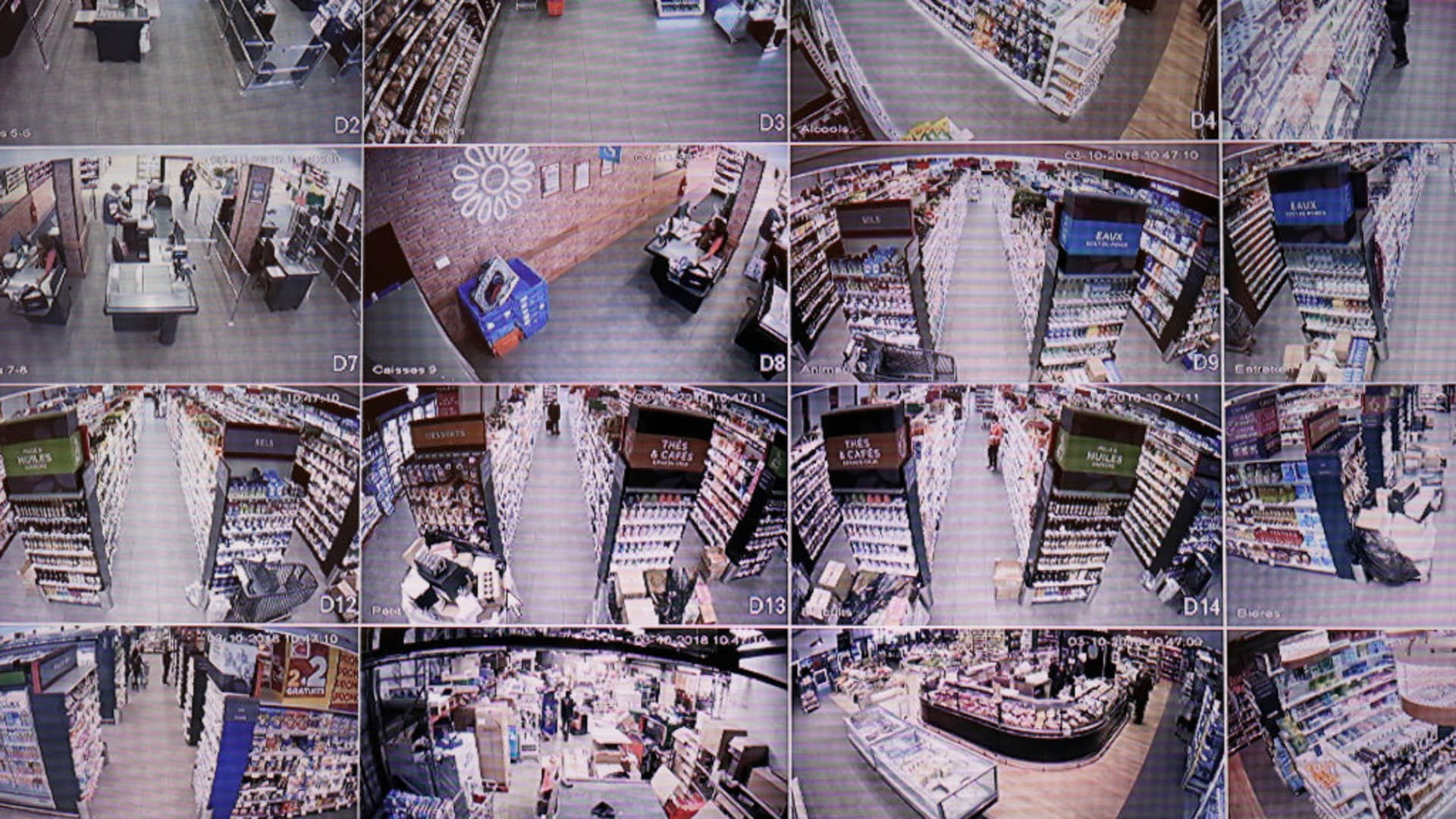
Major retailers in the United States, including Walmart, Target, Lowe's, Kroger, Macy's, and CVS, are partnering with technology companies to combat organized retail theft using advanced technologies such as AI-powered video surveillance systems, facial recognition cameras, license-plate and vehicle readers, autonomous security robots, RFID tags, and predictive analytic software. The goal is to deter criminals and make theft less appealing by detecting and identifying potential offenders before they commit crimes. While these technologies show promise in reducing theft, retailers must be mindful of ethical concerns and ensure that human oversight is maintained to prevent any negative consequences for customers or employees.

"Flipper Zero: The Hacking Tool Making Millions in Sales"

Originally Published 2 years ago — by ZDNet

Featured image for "Flipper Zero: The Hacking Tool Making Millions in Sales"
Source: ZDNet

The Flipper Zero, a multifunctional device that can interact with digital interfaces in the physical world, is expected to sell $80 million worth of units this year. Despite its capabilities, it resembles a kid's toy and has gained popularity due to its affordable price, user-friendly interface, expandability, active community, and availability of third-party operating systems. The Flipper Zero serves as an educational tool and an entry point into cybersecurity, offering power and portability in a small package.

Augmented Reality Gets X-Ray Vision Upgrade with Microsoft's HoloLens

Originally Published 2 years ago — by CNET

Featured image for Augmented Reality Gets X-Ray Vision Upgrade with Microsoft's HoloLens
Source: CNET

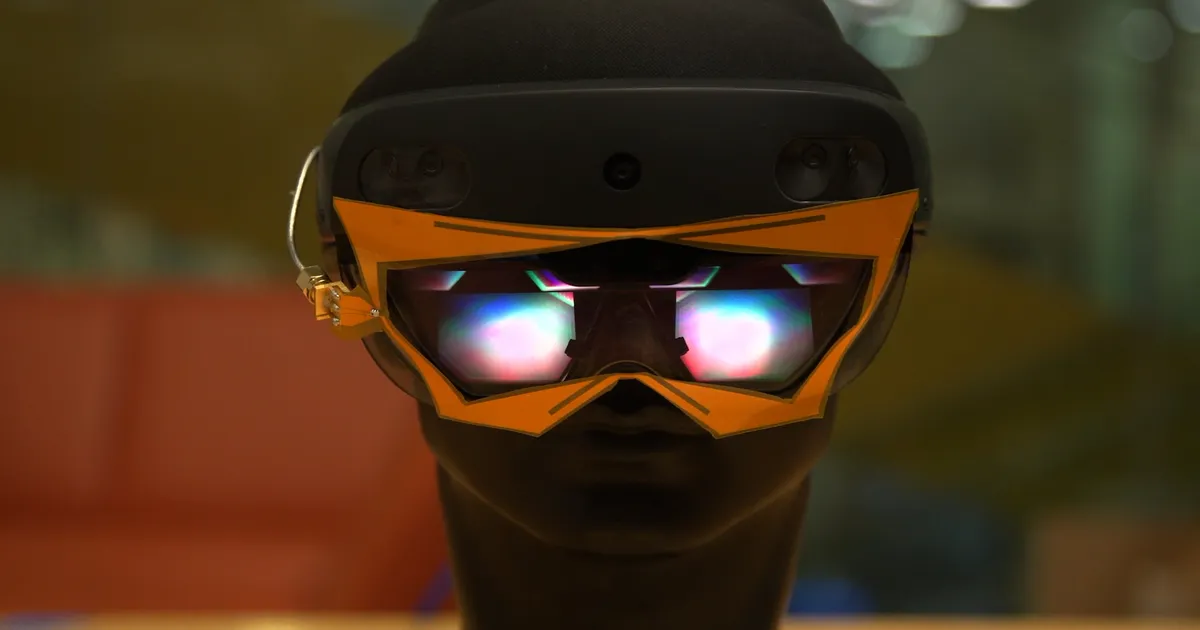
MIT researchers have developed an augmented reality (AR) technology called X-AR, which uses a flexible antenna to locate specific objects outside the wearer's line of sight, as long as they're marked with a radio frequency identification tag and less than 15 feet away. The technology could be used in warehouses, shipping, retail, and other places where RFID tags are commonly used. It could also have potential applications in determining food safety and aiding search and rescue efforts.