During Sean 'Diddy' Combs' sex trafficking trial, a supporter was removed after an outburst, and various testimonies alleged that Combs paid for hotel footage of an assault, used aliases for reservations, threatened individuals, and was involved in multiple accusations of violence and misconduct, with some speculation about a presidential pardon.

The trial of Sean 'Diddy' Combs involves testimonies from hotel security staff regarding surveillance footage of an incident in 2016 where Combs allegedly assaulted Cassie Ventura, with ongoing court proceedings including witness testimonies and courtroom disruptions.
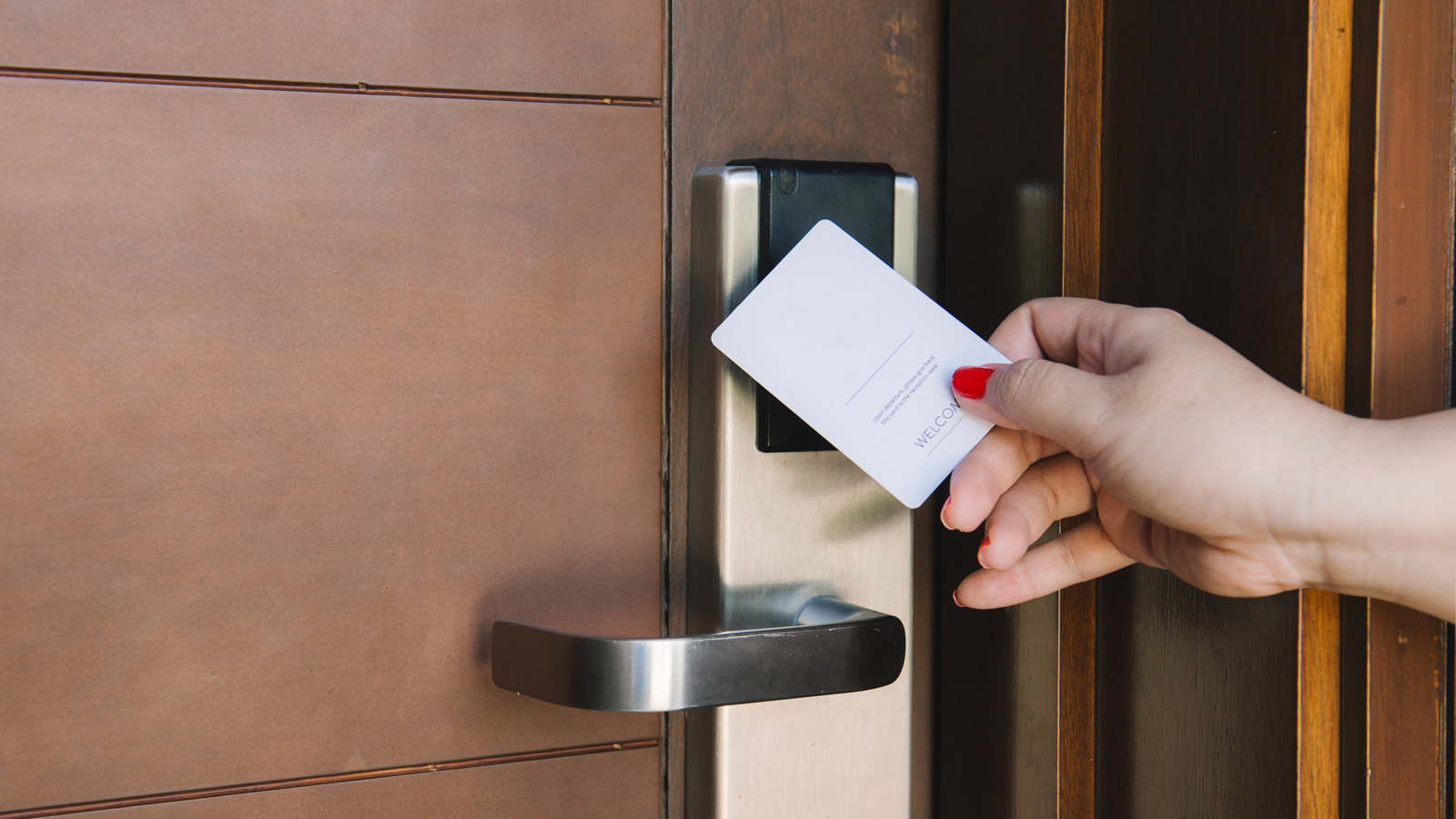
A security flaw in the RFID-based keycard locks by Dormakaba, affecting Saflok systems installed in doors across 131 countries, allows hackers to open over 3 million hotel doors worldwide with just two taps using a specialized RFID device to read and duplicate a crucial code from a hotel's keycard. The vulnerability exploits weaknesses in Dormakaba's encryption and the underlying RFID system, enabling the creation of functional keycards capable of unlocking doors. While a fix is rolling out, it may take months or years to be in place worldwide, and many Saflok lock systems remain unupdated.
Researchers have disclosed a series of security flaws, dubbed "Unsaflok," that impact 3 million Saflok electronic RFID locks deployed in 13,000 hotels worldwide, allowing attackers to easily unlock any door in a hotel by forging a pair of keycards. The vulnerabilities were discovered by a team of researchers who reverse-engineered Dormakaba's front desk software and a lock programming device, enabling them to create forged keycards that could open any room on the property. While the manufacturer is actively working to mitigate the flaw, as of March 2024, 64% of the locks remain vulnerable, and guests can check their keycard type using the NFC Taginfo app to determine if their locks are vulnerable.
Security researchers have uncovered a technique called Unsaflok that allows hackers to open millions of hotel rooms worldwide in seconds by exploiting vulnerabilities in Saflok-brand RFID-based keycard locks. The technique involves obtaining a keycard, reading a certain code, and then writing two keycards of their own, allowing intruders to open any door in the hotel. While the lock manufacturer Dormakaba is working on a fix, only 36% of installed locks have been updated so far, and the full fix may take months or even years to roll out. Hotel guests can check if their locks are vulnerable using the NFC Taginfo app and are advised to take precautions until the issue is fully resolved.
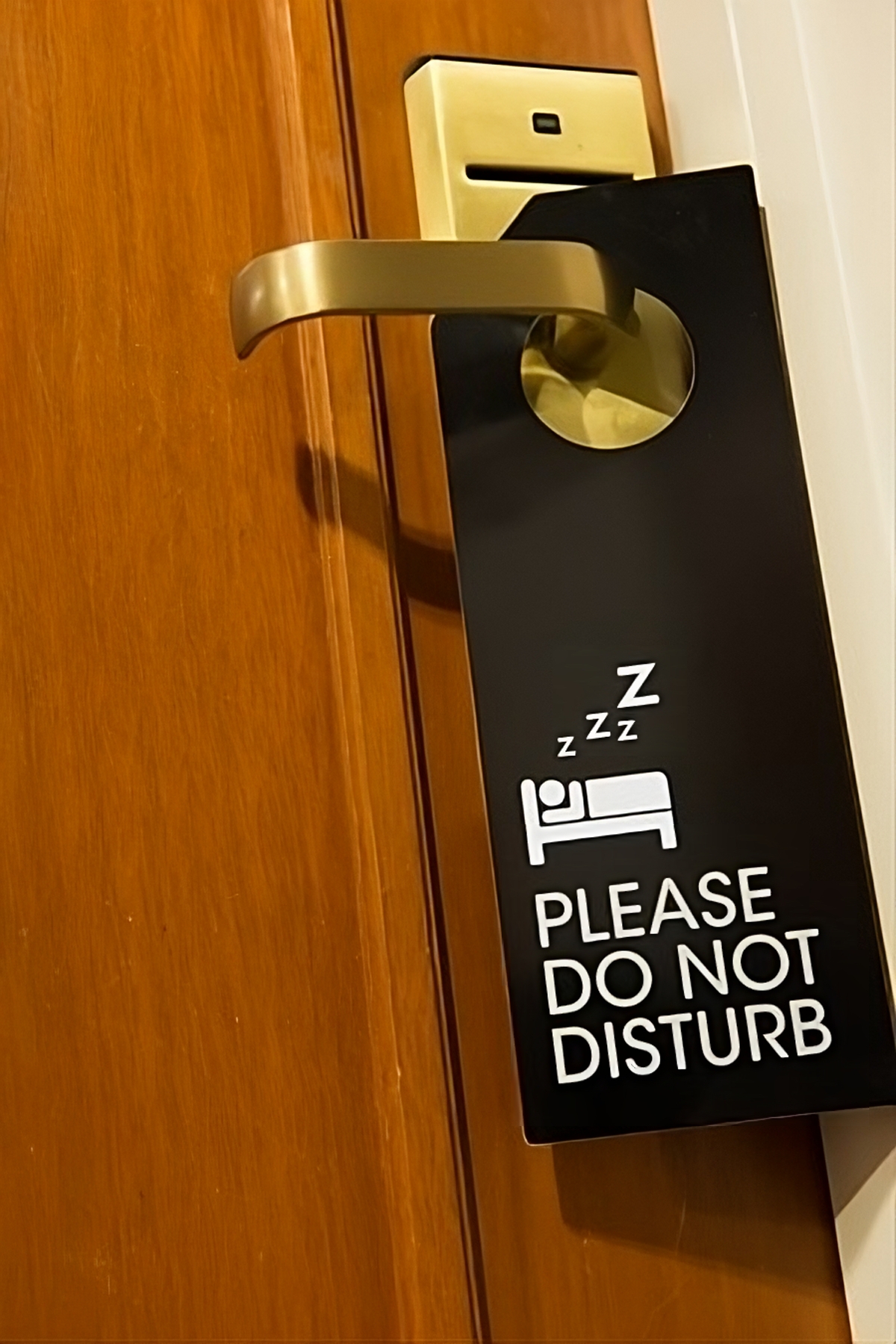
A frequent female solo traveler shares her top safety tips for solo travel, including bringing a doorstop and Addalock device for extra security in hotel rooms, carrying a whistle or personal alarm, bringing the 10 hiking essentials when hiking, investing in a satellite communicator for outdoor adventures, refraining from sharing real-time location on social media, sharing location privately with trusted contacts, utilizing technology for offline maps and communication, listening to intuition, and having a backup plan in case of discomfort.
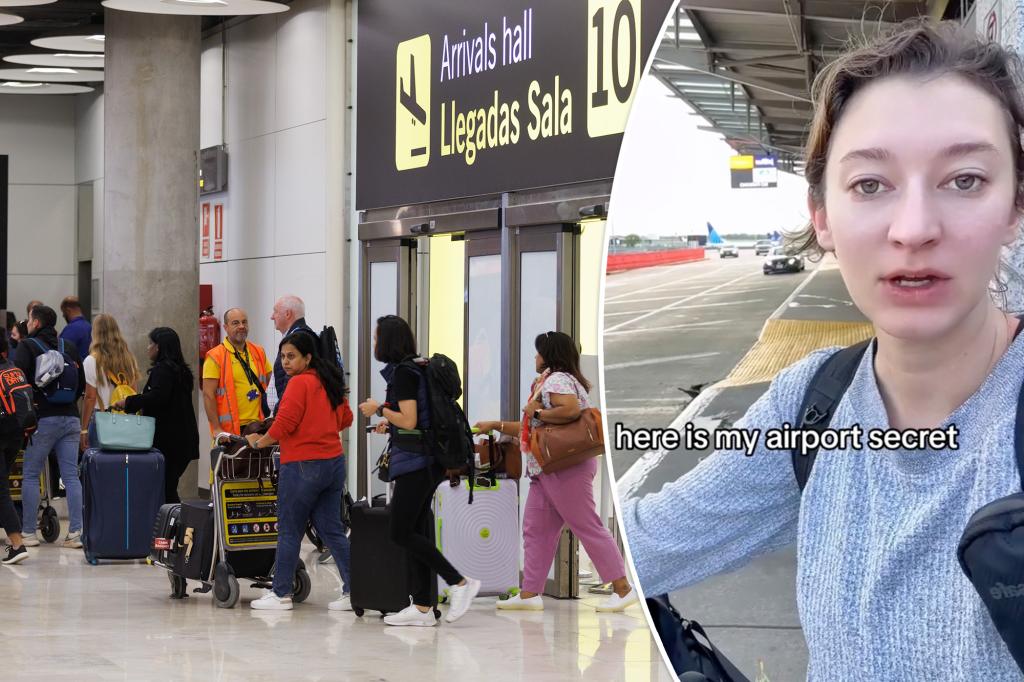
Frequent traveler Lindsay Mukaddam shares her tip for getting out of airports faster by suggesting using the departures level if the arrival level is crowded, allowing the person picking you up to avoid waiting in line. This hack may not work at all airports, but it has been effective at the Austin airport. Additionally, former FBI agent Tracy Walder recommends staying in hotel rooms between the third and sixth floors for better emergency access and security, suggesting using doorstoppers for added protection.