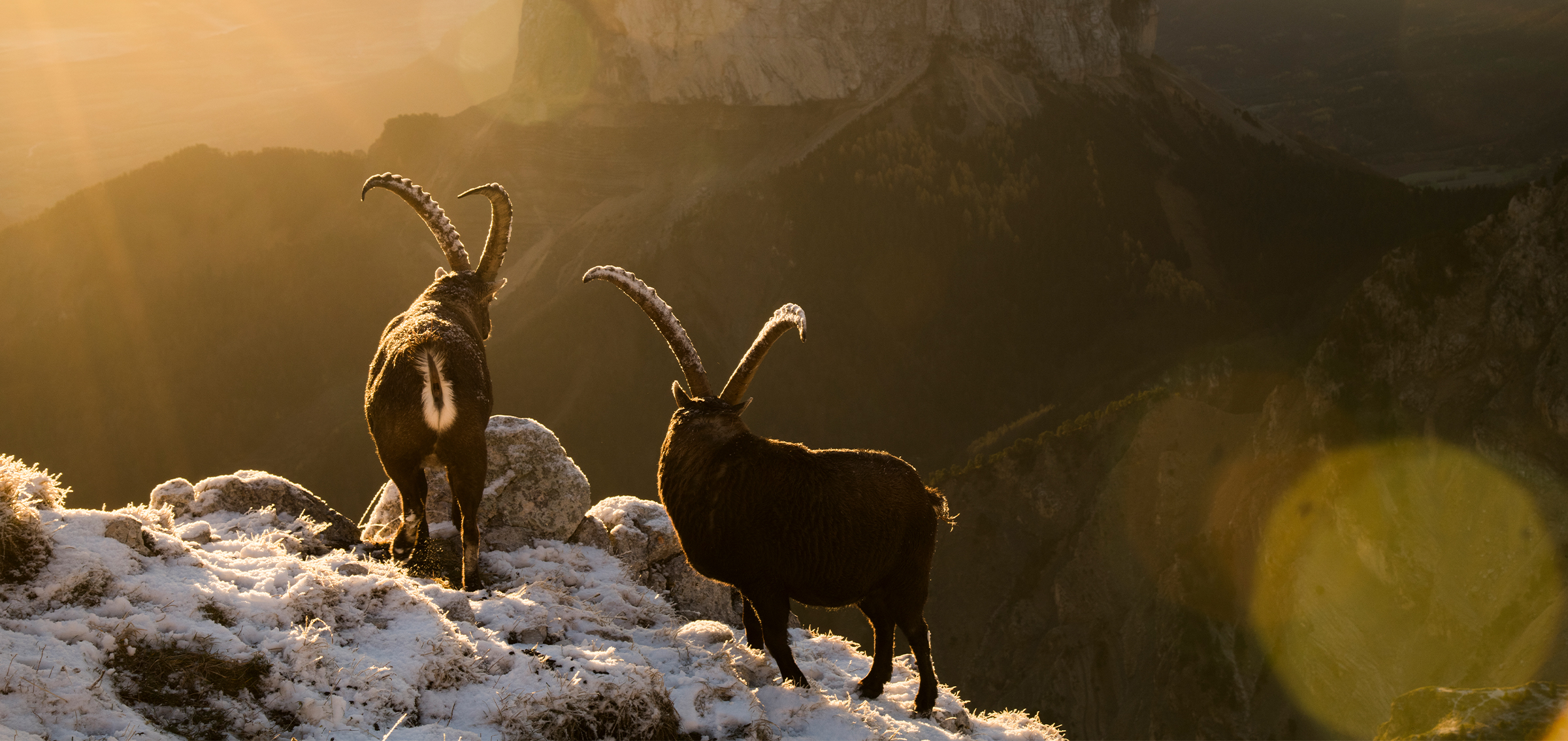
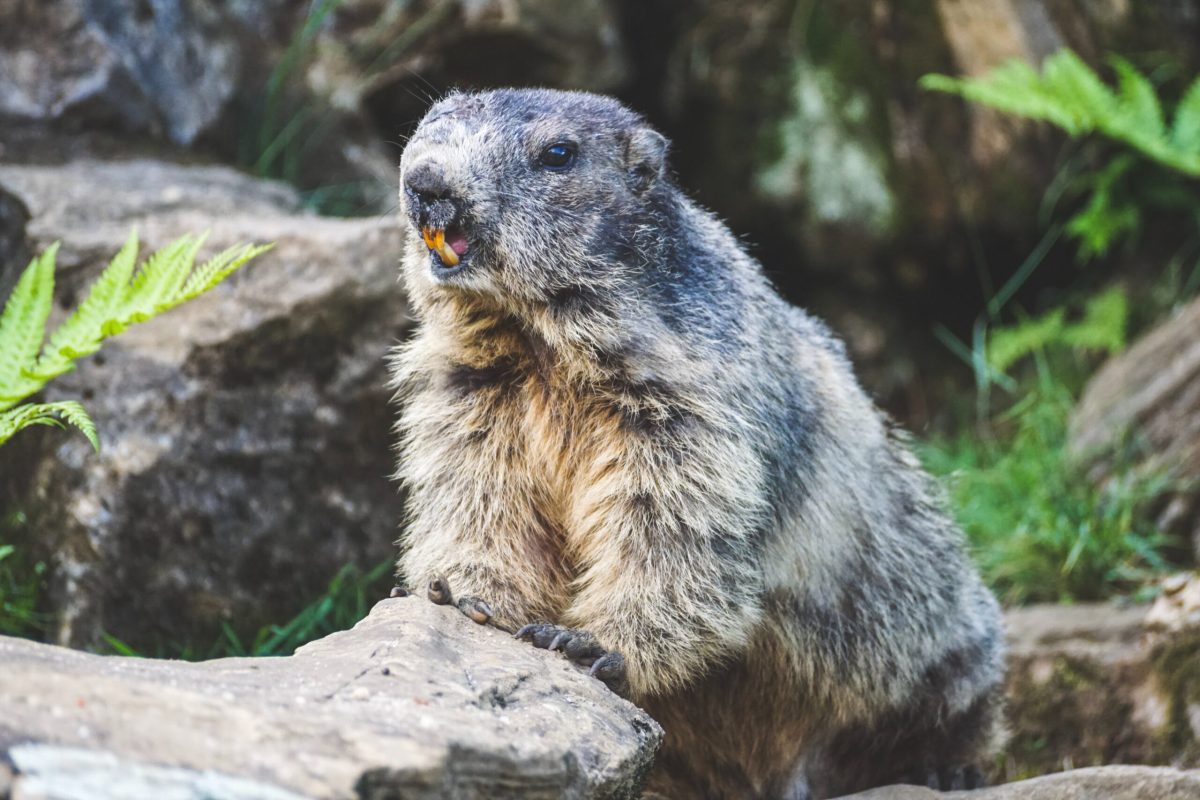
France's largest rewilding project in the Dauphiné Alps aims to restore native species and ecosystems, addressing climate challenges and human-wildlife coexistence, with a focus on giving nature a fighting chance amid environmental threats.
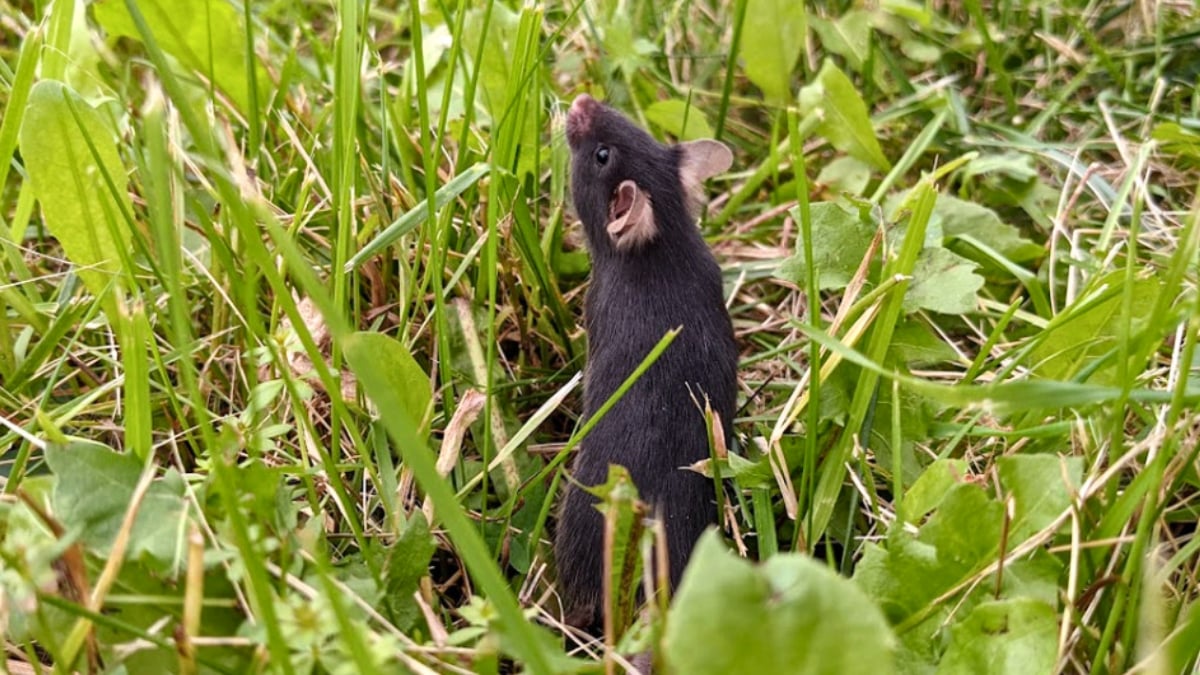
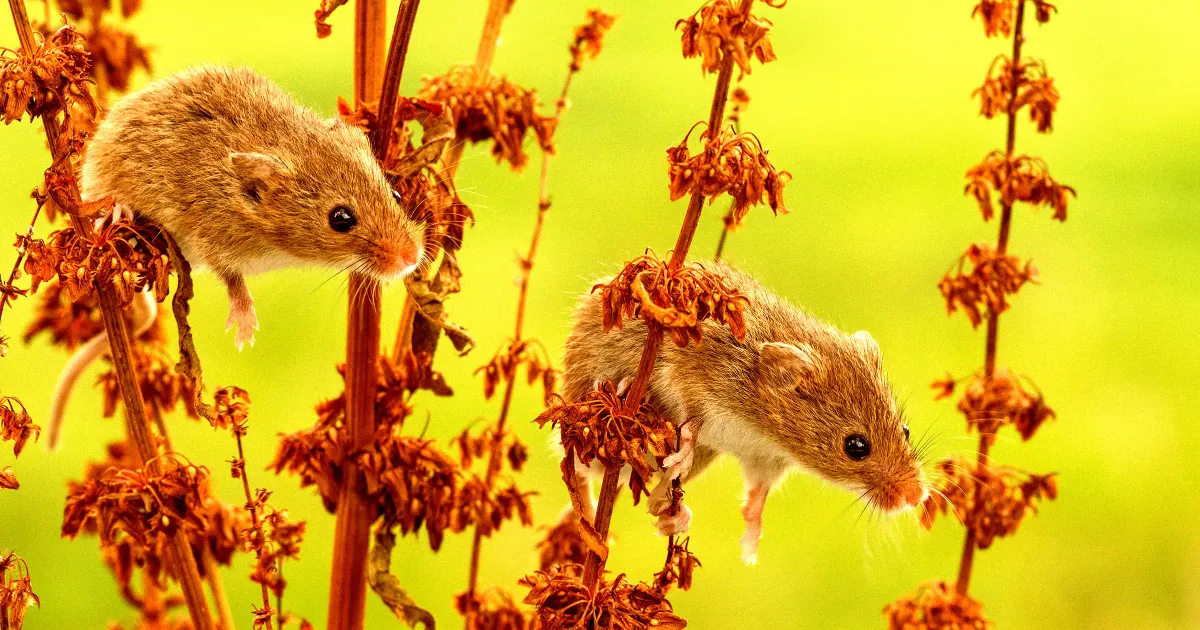
Scientists from Cornell University found that rewilding laboratory mice by releasing them into a natural outdoor environment reset their anxiety levels, suggesting that environment plays a significant role in anxiety development and that lab-based anxiety tests may need reevaluation. The study indicates that diverse experiences can help calibrate fear responses, which has implications for understanding anxiety in both animals and humans.
Research at Cornell University found that lab mice released into a natural, enclosed environment showed significantly reduced anxiety and more natural behaviors, suggesting that exposure to diverse experiences and environments can positively impact their mental health and potentially improve the reliability of scientific data. The study highlights the importance of environmental enrichment and may have implications for understanding human anxiety and well-being.
This week's good news includes a significant drop in cancer death rates in the UK, a man surviving brain cancer after participating in an immunotherapy trial, improved air quality in Europe, the positive impact of "mini-Holland" traffic schemes, successful coral reef restoration, progress in rewilding efforts in Scotland, the return of bald eagles to Toronto, and the revelation of the world's "happiest" countries.
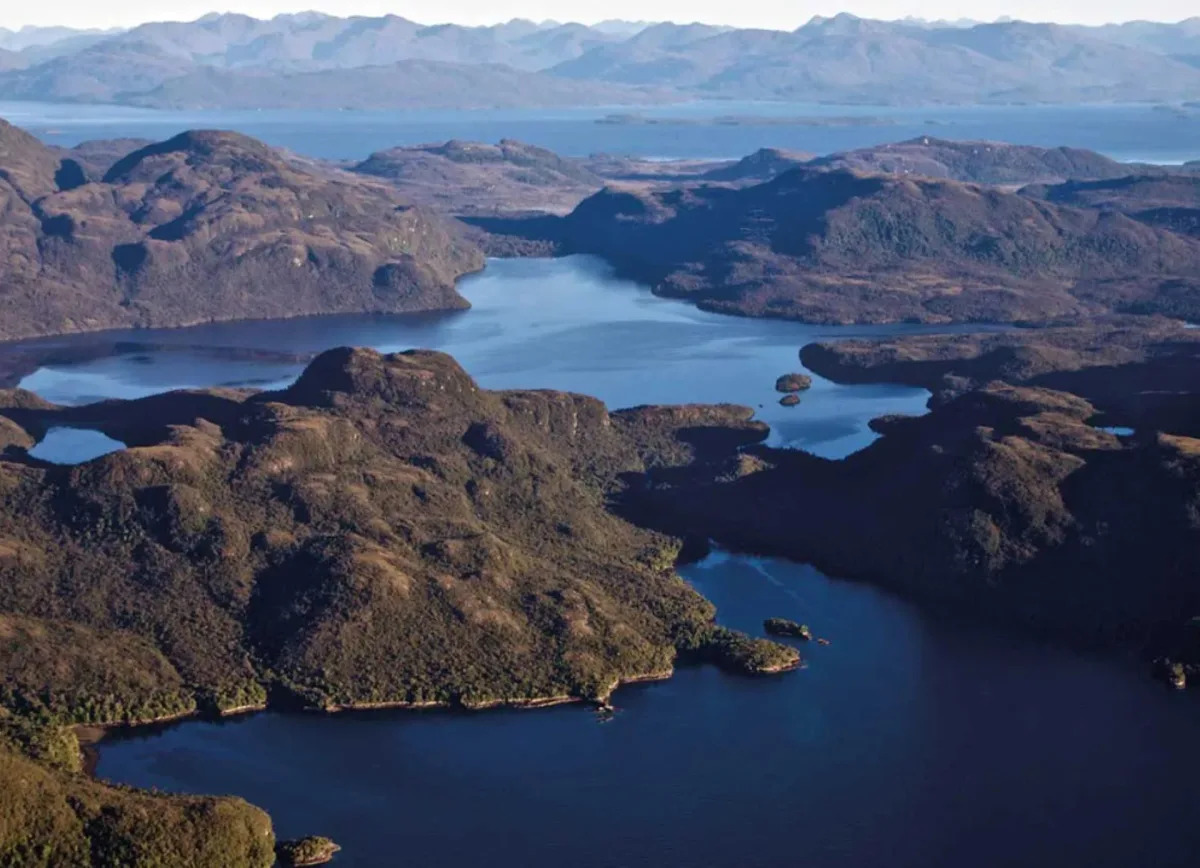
Kris Tompkins, former CEO of Patagonia, and her late husband Doug Tompkins, co-founder of The North Face, have made history with the largest private land donation ever, worth $345 million, to Chile and Argentina. This donation has led to the creation and expansion of six national parks, conserving over 14.7 million acres of land and 30 million marine acres. Beyond the land donation, through Tompkins Conservation, they are also actively involved in rewilding projects to protect and reintroduce threatened species, showcasing a remarkable example of how the ultra-wealthy can positively impact the environment and biodiversity.

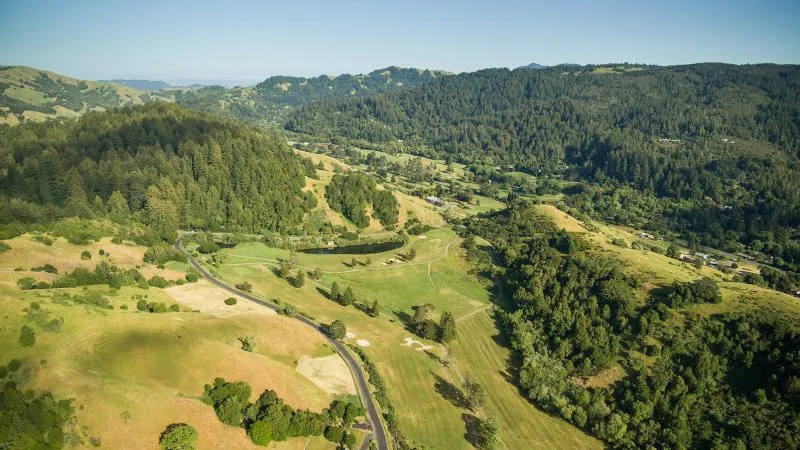
Abandoned golf courses are being repurposed and rewilded by conservation nonprofits and local authorities, providing opportunities to boost biodiversity and combat climate change. Organizations like The Trust for Public Land (TPL) are acquiring former golf courses and restoring them to their natural state, creating habitats for endangered species and improving water flow. Similar initiatives are taking place in the UK, where golf courses are being transformed into woodlands and nature reserves. These efforts highlight the potential of repurposing golf courses to create more sustainable and ecologically diverse landscapes.
A baby beaver has been spotted in London for the first time in roughly 400 years, as part of a rewilding and natural flood management project. Beavers were hunted to extinction in England but have been reintroduced in recent times to some areas across the country.
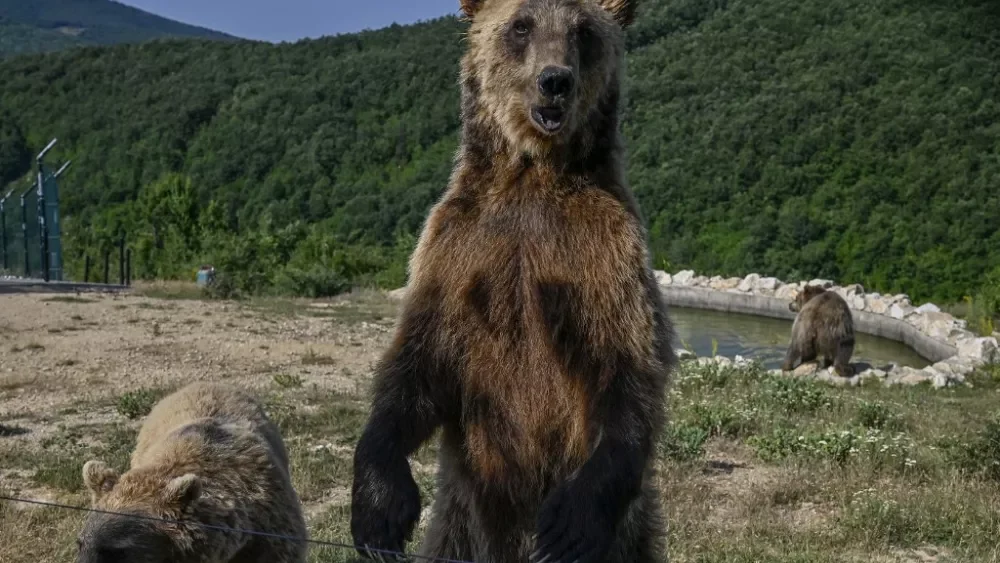
The killing of a jogger by a bear in the Italian Alps has reignited a debate about rewilding and human-wildlife conflict. The bear, dubbed Jj4, had previously attacked people, leading to calls for it to be culled. However, environmentalists have appealed to save its life, arguing that the bear should be relocated instead. The controversy highlights the challenges of reintroducing species to their former habitats and the need for education and management to prevent conflicts between humans and wildlife.