Tag

Resuscitation

All articles tagged with #resuscitation

science1 year ago

Scientists Unravel Brain's Final 'Death Wave' Mystery

Researchers at the Brain Institute have discovered a 'death wave' in the brain, a high-amplitude electrical event occurring during oxygen deprivation, which challenges traditional notions of brain death. This wave, observed in the deep layers of the cortex, suggests that neuronal death is a gradual and potentially reversible process. The findings could revolutionize resuscitation practices and have implications for understanding consciousness and developing neuroprotective treatments. The study also raises ethical questions about the definitions of life and death.

science1 year ago

Unexpected Organ Revives Pig Brains Post-Cardiac Arrest

Chinese researchers at Sun Yat-sen University have partially restored brain function in pigs an hour after death by connecting their brains to functional livers, which produce protective molecules like ketone bodies. This innovative approach reduced brain damage markers and inflammation, suggesting the liver's potential role in extending the resuscitation window during cardiac arrest. While not yet applicable to humans, this breakthrough could revolutionize emergency medicine by improving survival rates and outcomes for cardiac arrest victims.

local-news1 year ago

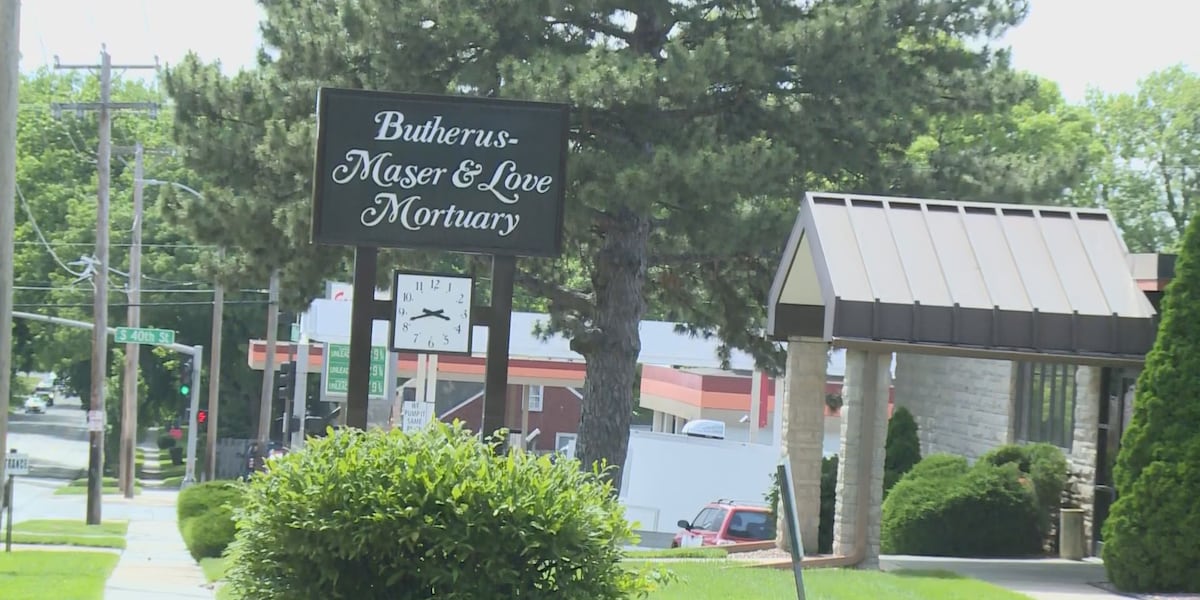
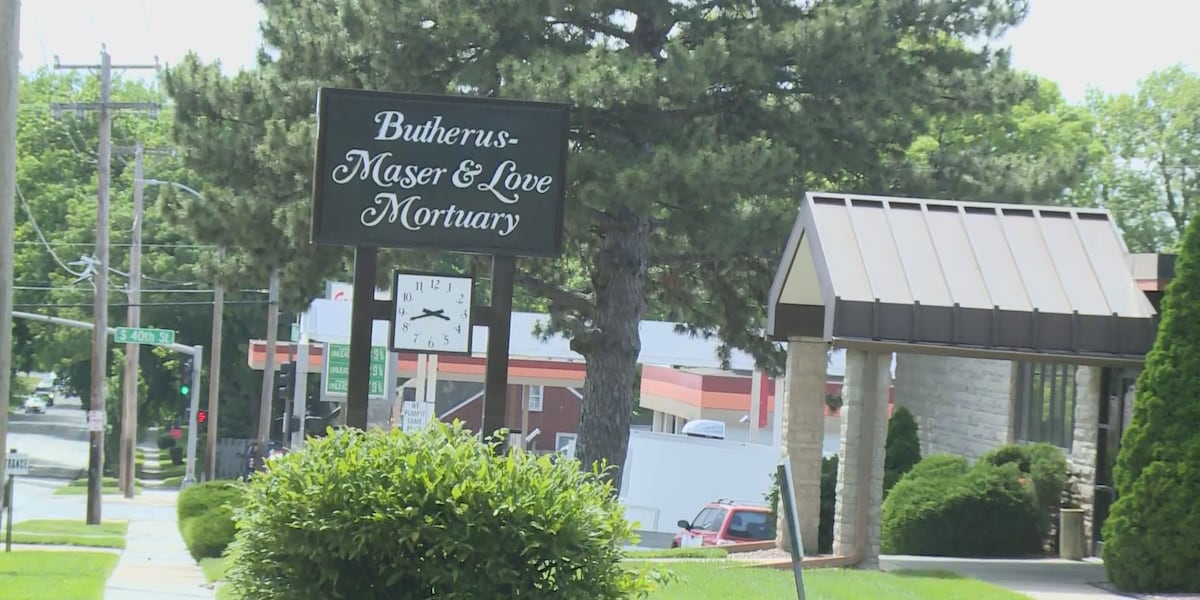
"Lincoln Funeral Home Discovers Woman Alive After Mistaken Death"

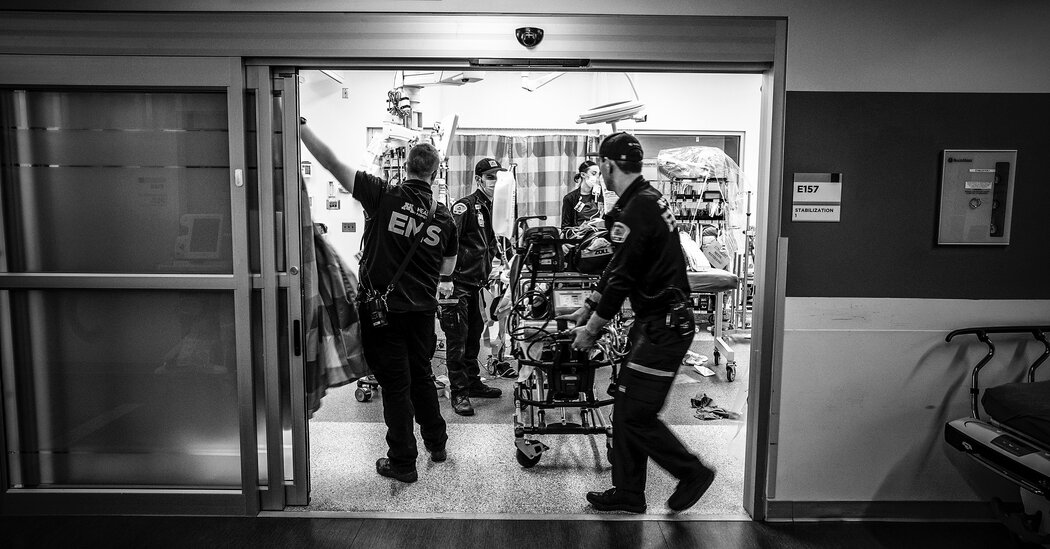
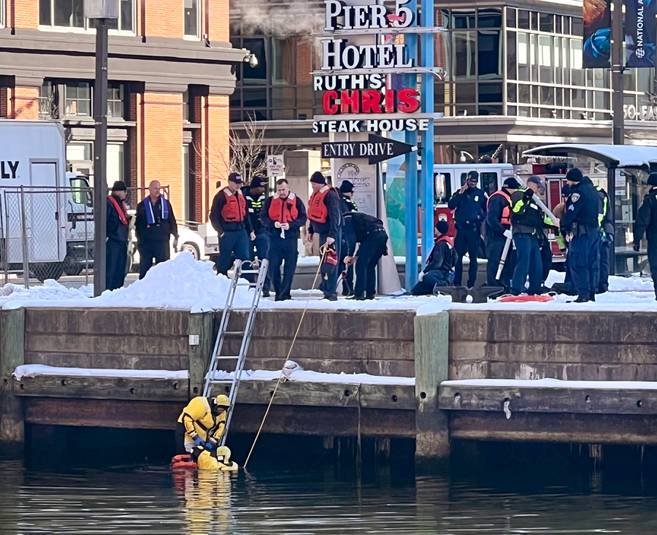
A woman believed to be dead showed signs of life at a Lincoln funeral home, prompting an investigation by the Lancaster County Sheriff's Office. Emergency crews performed CPR, and the woman was transported to Bryan East Campus, where she was believed to be alive as of early Monday afternoon. Deputies are investigating the initial circumstances of her presumed death in Waverly.

science1 year ago

"The Mysterious Brain Activity at the Moment of Death"

A new study led by Jimo Borjigin, a professor of neurology at the University of Michigan, has revealed unexpected brain activity in a dying patient, challenging previous beliefs about the brain's behavior during death. The study suggests that the dying brain may exhibit heightened activity and connectivity, potentially corresponding to near-death experiences. This finding has the potential to reshape our understanding of death and consciousness, sparking renewed interest and debate in the field of near-death studies.

health1 year ago

"Understanding the Difference: ECPR vs CPR"

A new life-saving approach called ECPR, which involves connecting patients in cardiac arrest to an ECMO machine to take over the work of their heart and lungs, has shown a nearly 100 percent chance of revival with intact brain function if administered within 30 minutes of collapse. Even after 40 minutes, there is still a 50 percent chance of revival. This high-tech treatment allows the body to rest while doctors address the underlying problem, if fixable, and timing is crucial for its success.

health1 year ago

"Study: Longer CPR Duration Does Not Improve Survival Chances for Cardiac Arrest Patients"

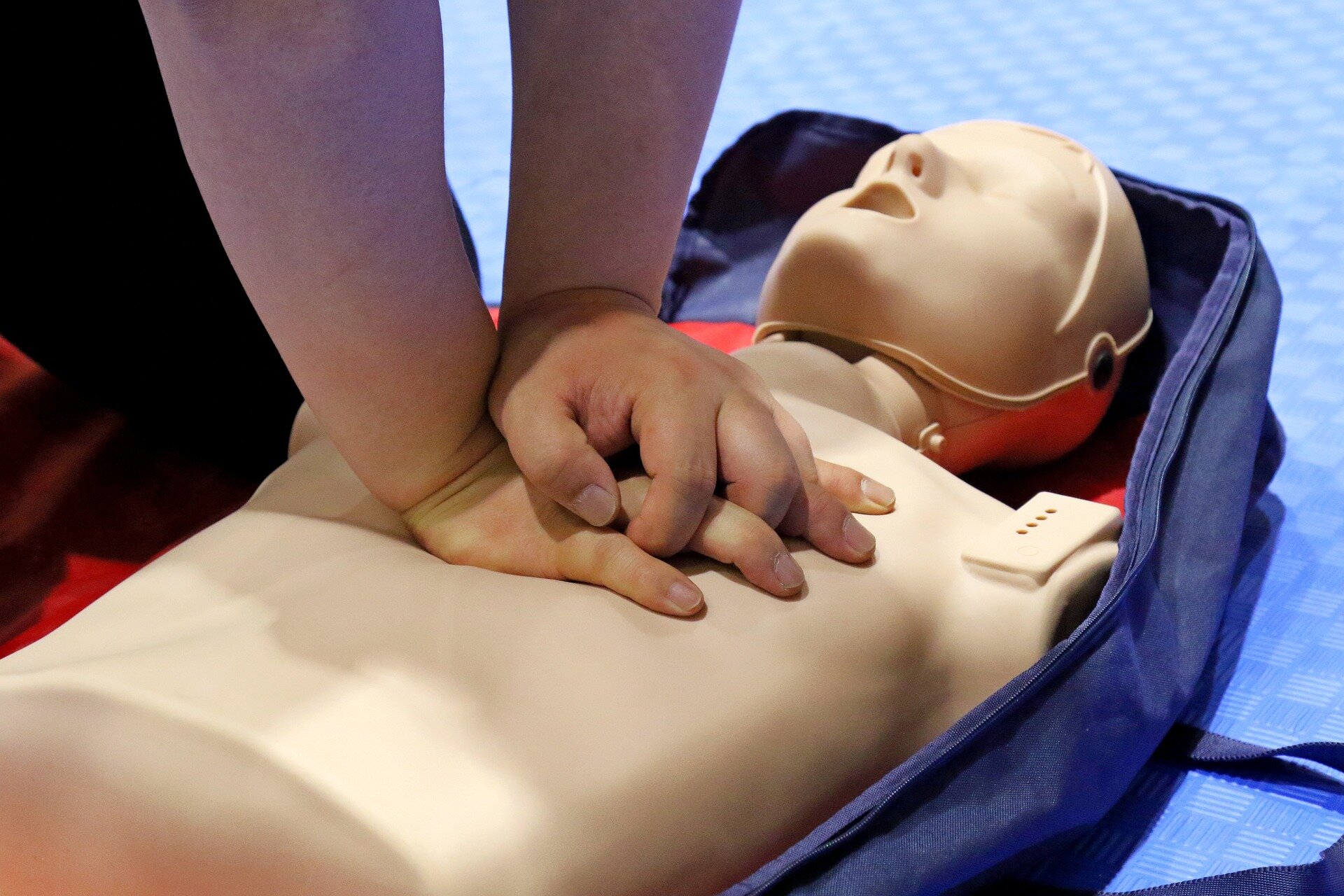
A US study published in The BMJ found that a person's chance of surviving while receiving CPR for in-hospital cardiac arrest declines rapidly from 22% after one minute to less than 1% after 39 minutes, with similar trends for leaving the hospital with no major brain damage. The study, based on data from 348,996 US adults, provides insights that may help guide hospital teams, patients, and their families in deciding how long to continue resuscitation, and highlights the importance of timely decision-making in such situations.

neuroscience2 years ago

Unveiling the Brain's "Wave of Death": Groundbreaking Discoveries in Neural End-of-Life

Researchers have gained new insights into the neurological process of dying, specifically the "wave of death" that marks the transition to total cessation of brain activity. The study, conducted on rats, found that this wave originates in the neocortex's layer 5 pyramidal neurons and can potentially be reversed if resuscitation occurs within a specific time window. The findings challenge the notion of a flat electroencephalogram (EEG) as a definitive marker of ceased brain functions and offer new possibilities for preserving brain function during resuscitation.

health2 years ago

From Death to Rebirth: My 24 Minutes of Darkness and Awakening

Lauren Canaday, who experienced cardiac arrest and was clinically dead for 24 minutes, has shared her near-death experience. She did not see a light or tunnel but felt a profound sense of peace. After waking up from a coma, she had no memory of the week prior and experienced confusion. Despite not fearing death anymore, she is more concerned about the pain experienced in life. Lauren has written a book about her experience titled "Independence Ave: How Individualism Killed Me and Community Brought Me Back."

health2 years ago

"Life-saving Techniques: How CPR and Defibrillation Benefit the Young and Healthy"

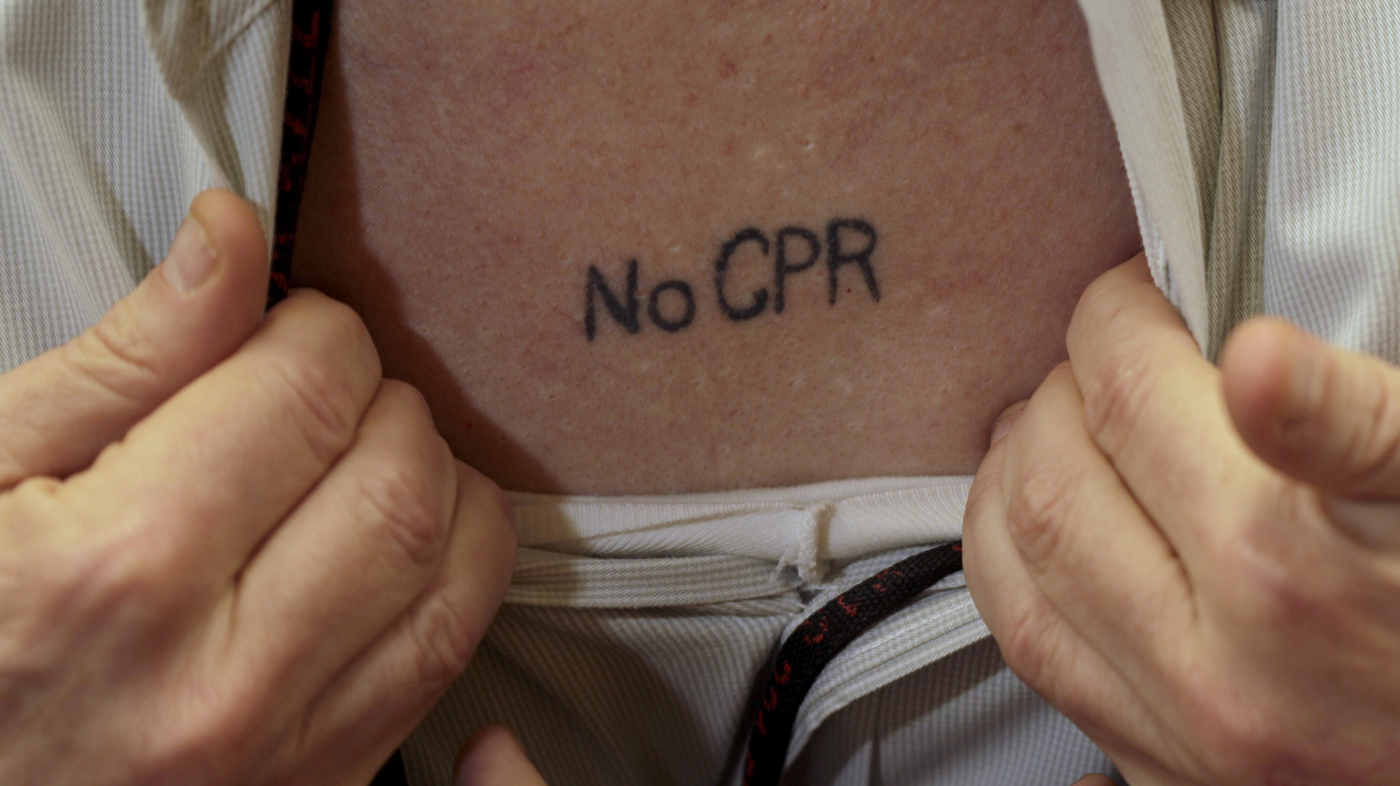
CPR can save lives, especially for young and healthy individuals experiencing sudden cardiac arrest caused by shockable rhythms. However, for older patients with chronic illnesses or those experiencing cardiac arrest in the context of acute illnesses, the benefits of CPR may be limited. Factors such as age, chronic illness, and the cause of cardiac arrest play a role in determining the likelihood of survival. While CPR can cause additional injuries and may not always be effective, the use of automated defibrillators in conjunction with CPR can significantly increase survival rates for patients with shockable rhythms. It is important for individuals to discuss their preferences regarding CPR and end-of-life medical interventions with their families and healthcare providers.

science-and-health2 years ago

The Enigma of Near-Death Experiences Unveiled: Insights from Cardiac Arrest and Brain Activity

A study of cardiac arrest survivors reveals that nearly 40% of people undergoing CPR have memories, dreamlike experiences, or some form of perception even when unconscious. Brain waves show signs of activity suggesting awareness for up to an hour as they are being resuscitated. Some patients reported transcendent recalled experiences of death, while others had positive or negative memories. The study, which monitored 567 people who underwent cardiac arrest resuscitation, also found gamma, delta, theta, alpha, and beta waves suggesting mental function during CPR. The research highlights the need for more understanding of the mental health impact of resuscitation and emphasizes the importance of CPR and the use of automated external defibrillators (AEDs) in saving lives.

science-and-health2 years ago

"Study reveals link between near-death experiences and post-death brain activity"

A new study led by Dr. Sam Parnia, an NYU Langone Health intensive care physician, has found that near-death experiences (NDEs) are associated with brain activity after the heart stops and breathing ceases. The study involved measuring electrical activity in the brains of patients undergoing resuscitation attempts, and although only a small percentage of patients were successfully revived, those who reported NDEs described consistent experiences such as a sense of separation, life review, and encountering a divine being. The study's findings challenge the notion that NDEs are mere hallucinations and suggest that consciousness may persist even after clinical death. However, some experts have criticized the study's conclusions, highlighting the need for further research in this area.