Tag

Resin

All articles tagged with #resin

paleontology1 year ago

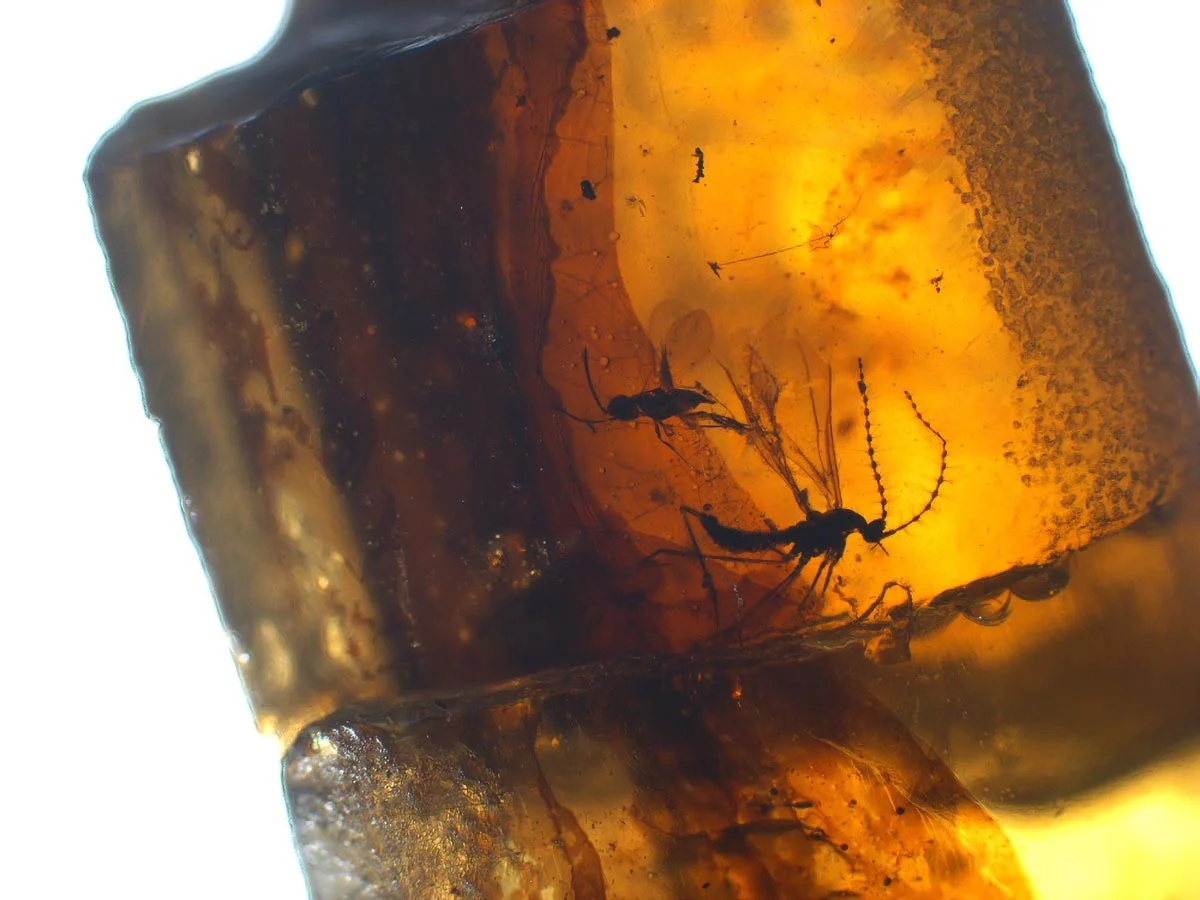
"Rare Resin Fossil Reveals Spider Mimicking Ant Behavior"

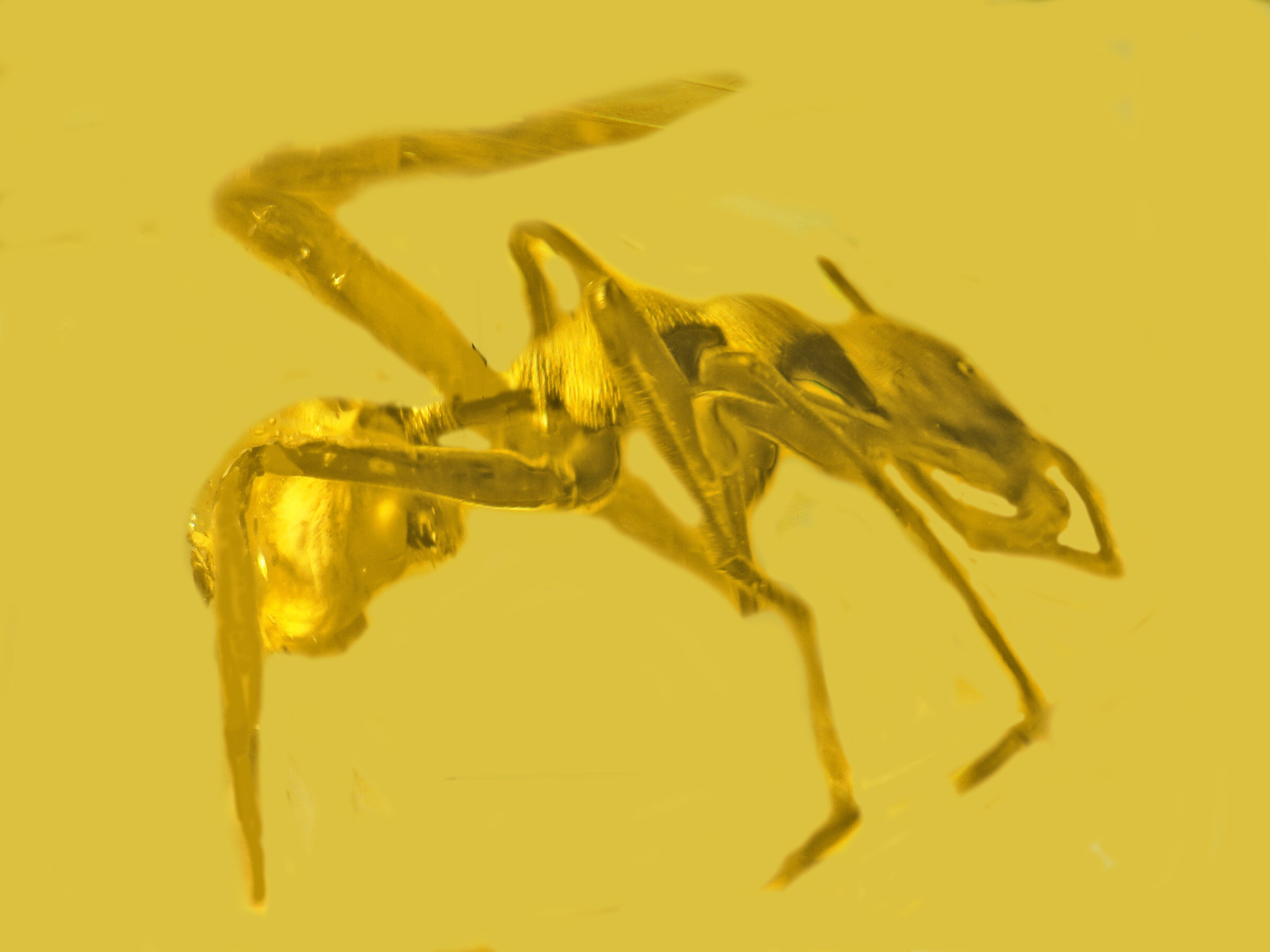
Paleobiologist George Poinar Jr. has uncovered a rare find of a spider fossilized in resin, which he named Myrmarachne colombiana, that mimics the appearance of an ant. This discovery sheds light on the evolutionary strategy of certain spider species to deceive predators by resembling less desirable prey. The fossil, found in copal from Colombia, provides insight into the complex adaptations and behaviors of these ant-mimicking spiders, challenging previous notions about the origins of insect habits and suggesting a level of reasoning and intelligence in their mimicry.

gaming2 years ago

Warhammer Day Teases Old World Bretonnians and Future Releases

Games Workshop has revealed the upcoming Bretonnian releases for the Old World, including new kits for Duke and Baron on Royal Pegasus, Battle Standard Bearer on Royal Pegasus, Knights of the Realm on Foot, and the return of classic units such as Knights of the Realm (Mounted), Pegasus Knights, Men-At-Arms, and Peasant Bowmen. Forge World resin releases include the Field Trebuchet and previously revealed models will also be cast in resin. The Handmaiden of the Lady miniature was also unveiled. The Old World is set to launch in early 2024.

technology2 years ago

"Smooth and Silky: The Magic of Powdering Your Prints"

A video tutorial demonstrates a simple technique for smoothing layer lines on 3D printed objects using a mixture of baby powder and resin. The process involves applying multiple coats of the mixture, curing and sanding in between each coat, followed by standard post-processing steps such as wiping with alcohol, wet sanding, and clear-coating. The end result is a smooth surface comparable to a bowling ball.

science2 years ago

Amber's Ancient Origins Unveiled: From Cretaceous Rocks to Roman Burial Tombs

New research explores the mystery of why there was a mass production of resin during the Cretaceous period, leading to the formation of amber. The study suggests that widespread coniferous forests and specific environmental conditions contributed to this phenomenon. Amber, with its preserved organisms, provides valuable insights into ancient ecosystems and the evolutionary origins of organisms. The research aims to unravel the mysteries of forest ecosystems 110 million years ago and sheds light on the Cretaceous Resinous Interval (CREI), a time span characterized by the mass formation of fossil resin deposits.

automotive2 years ago

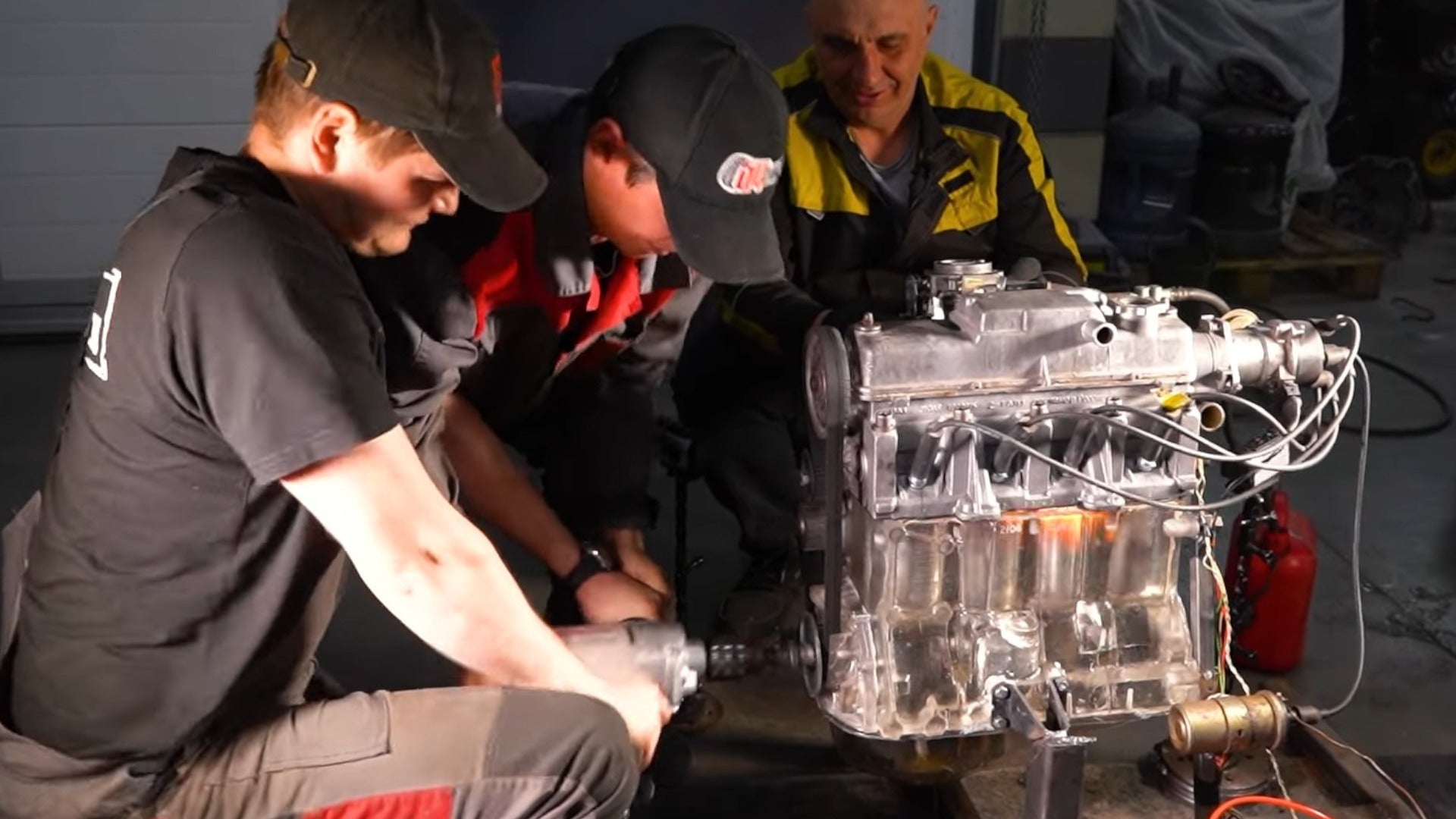
Transparent Resin Engine Runs Briefly in Mesmerizing Display

Garage 54 attempted to create a transparent engine block based on a four-cylinder engine from an old front-wheel-drive Lada by casting it out of resin. The engine was assembled with regular Lada head, crank assembly, and other relevant components. However, the engine block shattered after the first power stroke, sending shrapnel flying across the workshop floor. The team notes that some manufacturing issues may have been part of the problem, but the concept could work with a stronger block running at lower compression with more careful fuelling.

science2 years ago

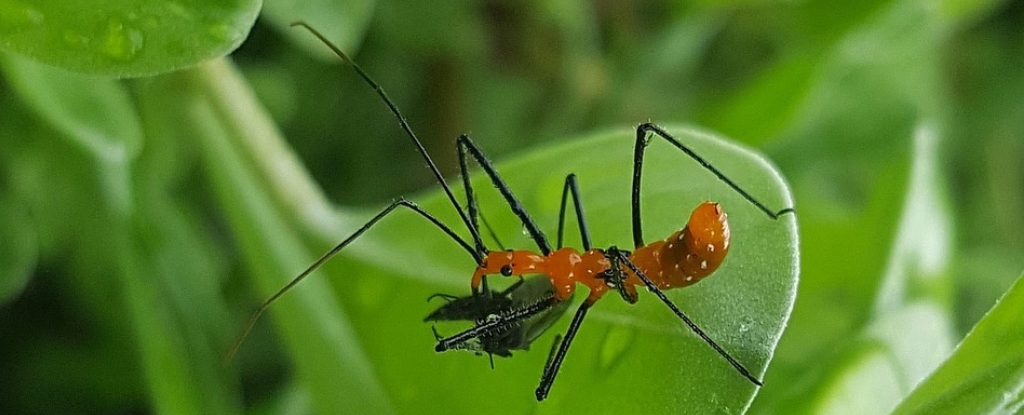
Insects Using Tools to Capture Prey: Rare Examples Found in Assassin Bugs.

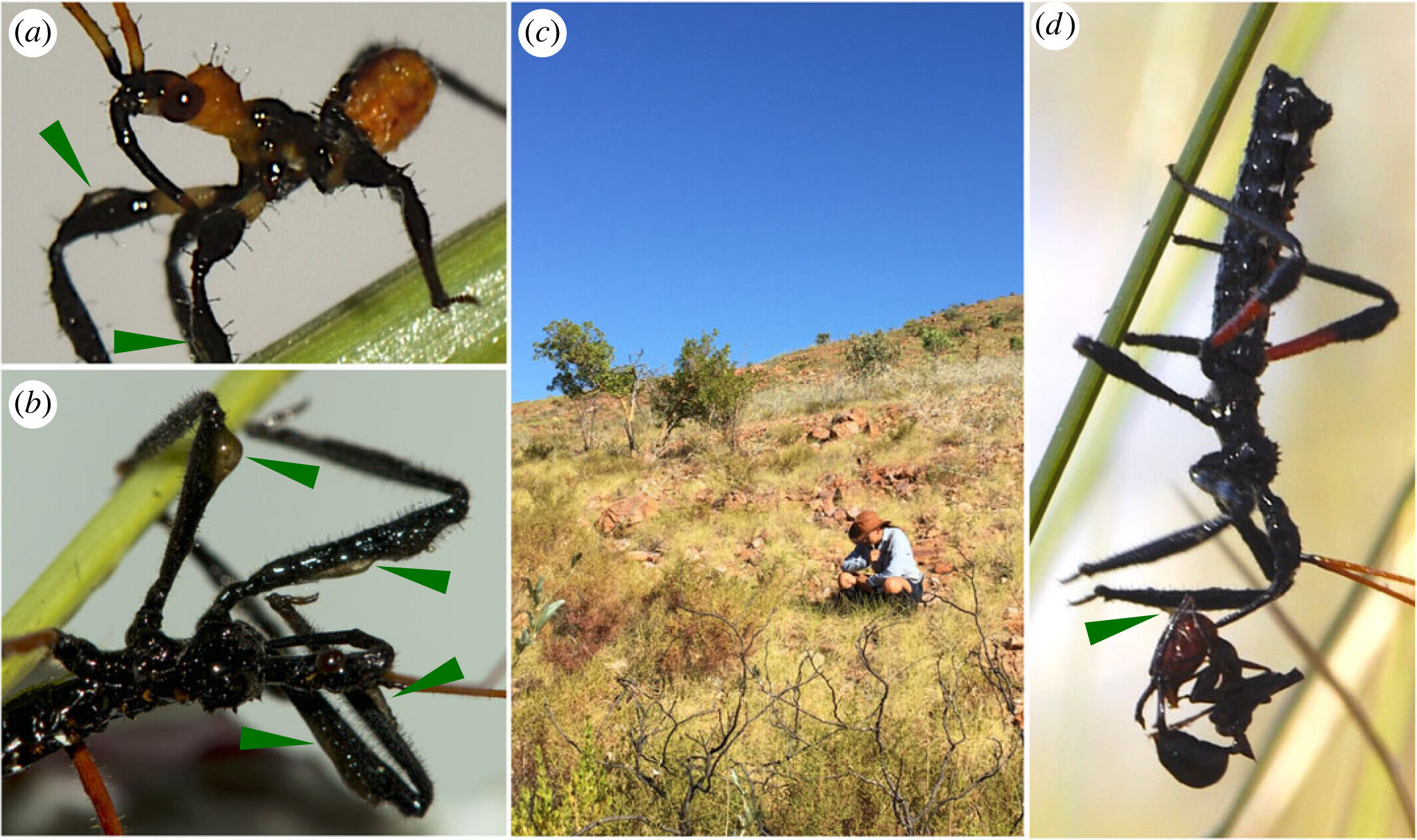
Australian assassin bugs have been observed using resin from spinifex grass as a tool to catch and keep their prey. Researchers from Macquarie University found that the bugs were more successful at capturing prey when they had resin on their bodies, regardless of the type of prey. The bugs were observed scraping the resin off the spinifex leaves and meticulously applying it to their bodies, especially on their front legs. This behavior is ingrained in the insects and meets the widely-used definitions of tool use.

biology2 years ago

Australian Assassin Bugs Display Tool Use

Researchers at Macquarie University in Australia have discovered an example of tool use by an insect in Australian assassin bugs. The bugs use sticky resin from spinifex grass to help capture prey, applying it to their forelegs. The researchers found that the bugs were 26% more successful at capturing their prey when the resin was on their bodies. The resin helped to slow down the prey, making it easier to hold on to long enough for it to be stabbed.