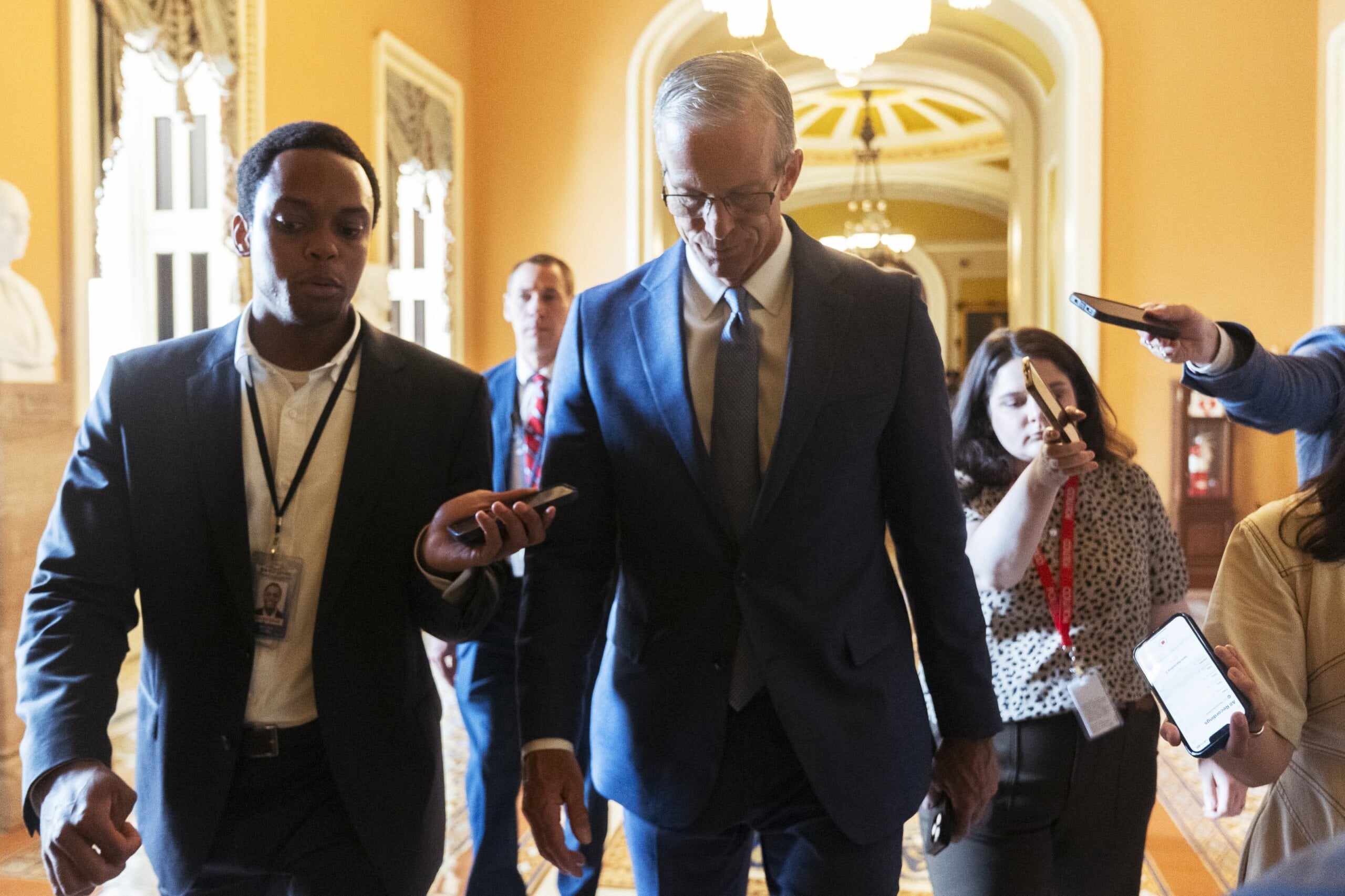
Donald Trump's nomination of Paul Ingrassia for a federal position is collapsing due to surfaced racist text messages, with several GOP senators indicating they will oppose his confirmation, leading to significant doubts about his appointment amid controversy and allegations.
The Senate is engaged in a tense overnight session to pass President Trump's comprehensive bill, which includes significant tax cuts and spending reductions, amid internal Republican negotiations and Democratic opposition, with the bill facing potential hurdles in the House and concerns over its impact on healthcare and the deficit.
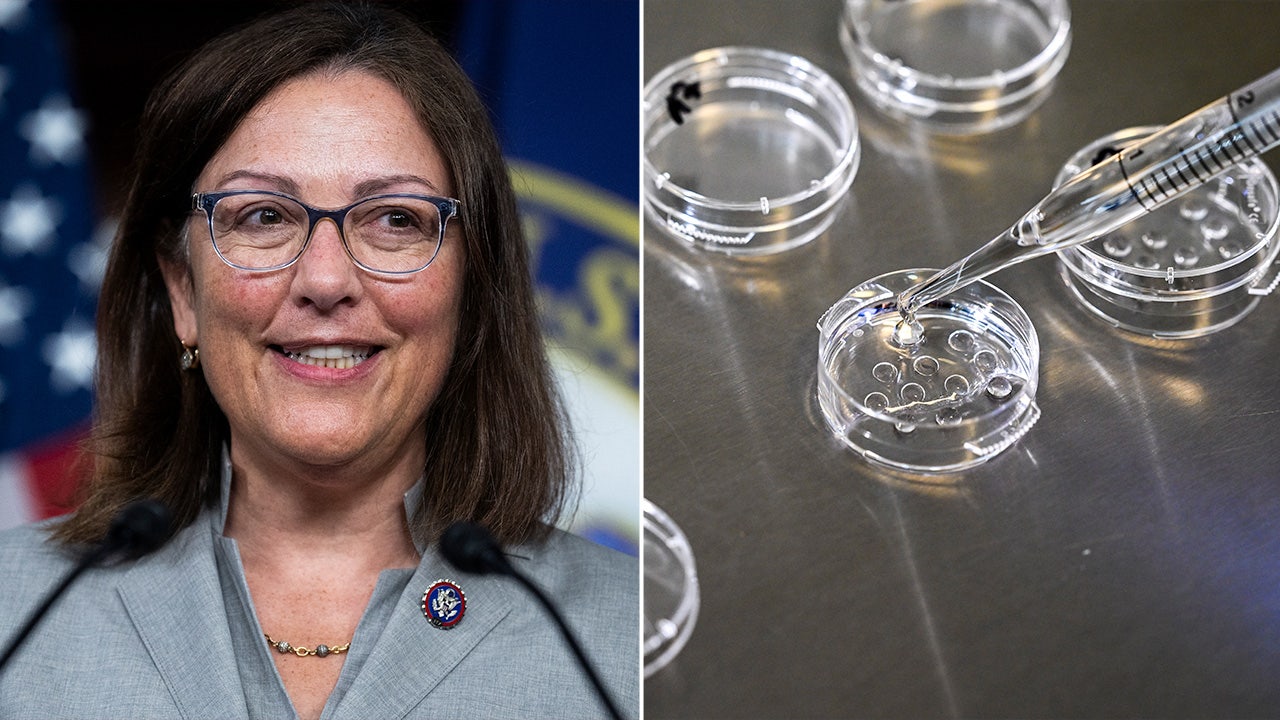
House Democrats are using the Alabama Supreme Court's recent ruling on IVF treatment as a political tool to target House Republicans ahead of the November 2024 elections, tying them to the ruling despite GOP figures advocating for IVF access. The Democratic Congressional Campaign Committee (DCCC) is leveraging the issue similarly to how they did after the Supreme Court overturned Roe v. Wade in 2022, aiming to capitalize on reproductive rights as a motivating factor for voters. Meanwhile, Republicans, including former President Donald Trump, are expressing support for IVF access and pushing back against Democratic accusations.
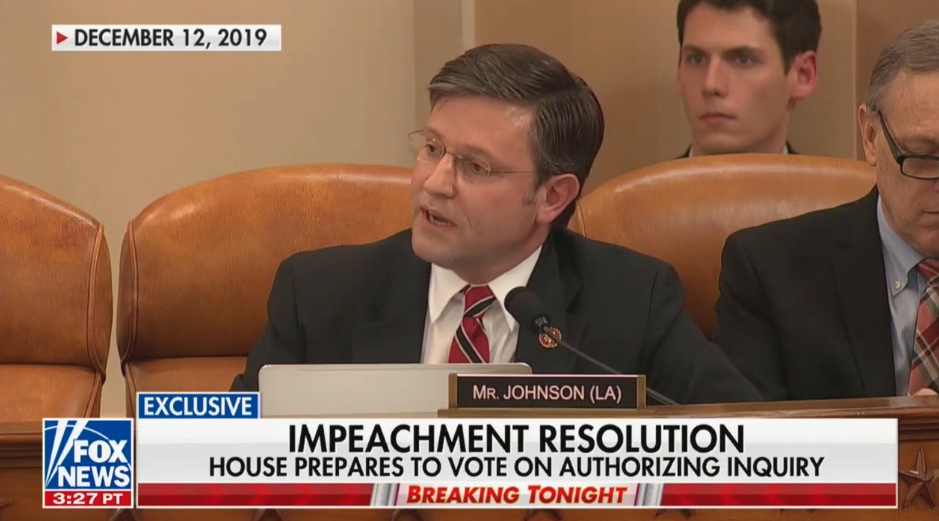
Fox News anchor Bret Baier confronted Speaker Mike Johnson with a 2019 clip where Johnson criticized House Democrats for moving forward with impeachment proceedings against then-President Donald Trump without Republican support. Johnson, who now supports an impeachment inquiry into President Joe Biden, defended his position by stating that the current situation is different and that the previous impeachments were rushed and sham proceedings. A vote on whether to authorize the inquiry will be held on Wednesday.
Ukrainian President Volodymyr Zelenskyy is visiting the U.S. Capitol to seek more war aid as Republican support for Ukraine softens. Zelenskyy will meet with both Republican and Democratic leaders of the House and Senate, as well as President Joe Biden and U.S. military leaders. The visit comes as Biden's request for an additional $24 billion for Ukraine's military and humanitarian needs is pending. Zelenskyy's visit is crucial as Russian forces continue to attack Ukraine, and he aims to persuade U.S. lawmakers to maintain vital financial and military support. However, some Republicans remain skeptical about sending more money overseas.
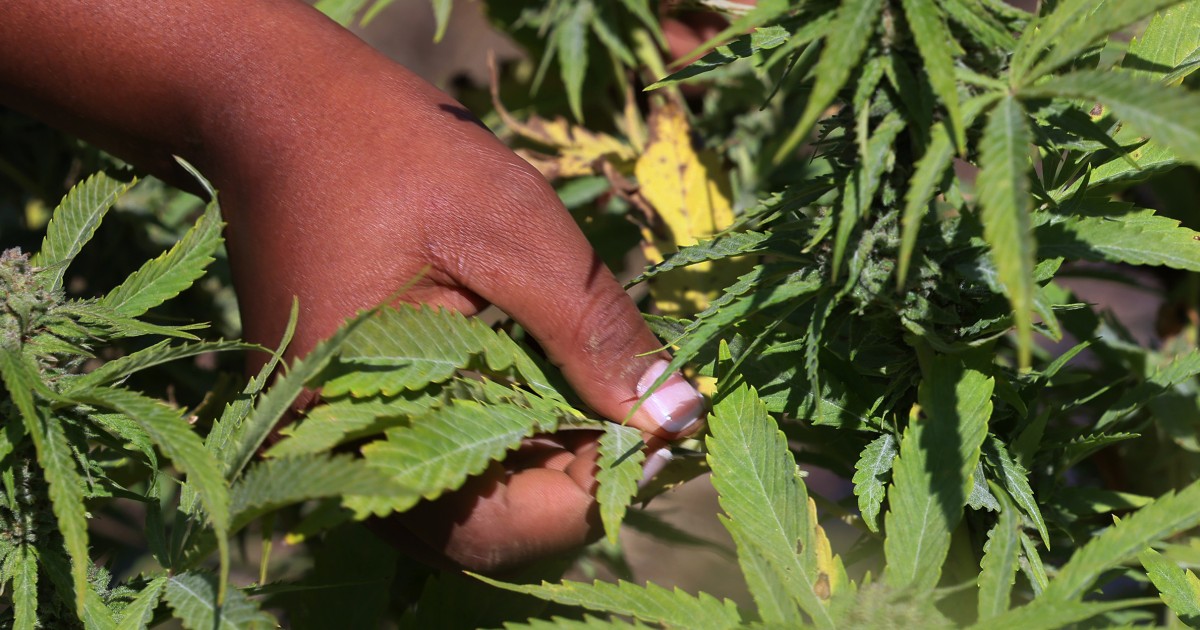
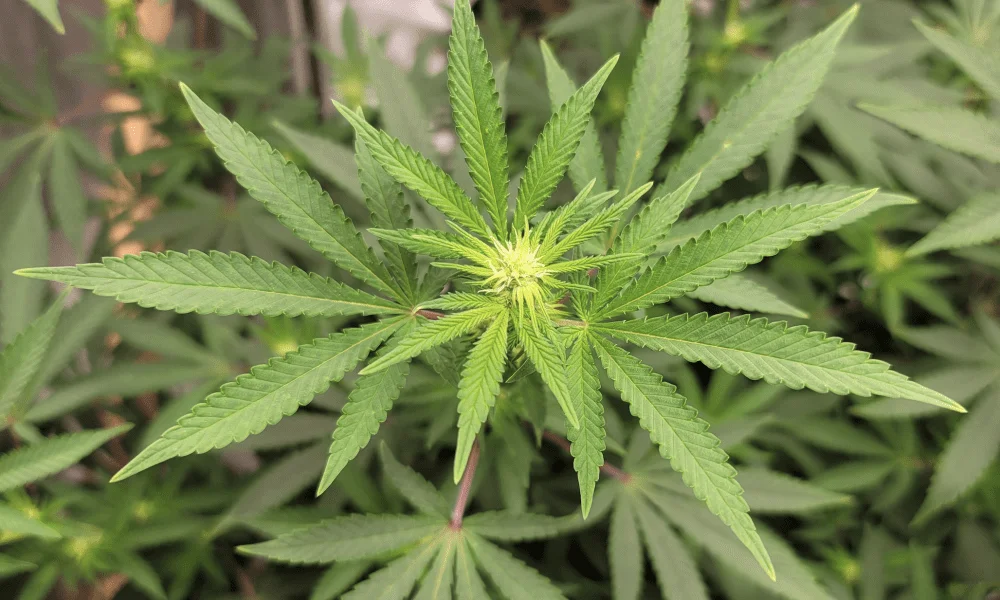
A committee hearing is expected to take place at the end of September for the bipartisan bill known as the SAFE Banking Act, which aims to expand banking services for legal marijuana businesses. The Senate Banking, Housing, and Urban Affairs Committee is anticipated to hold a markup session for the bill, with both Republicans and Democrats expressing support and confidence in its passage. The bill would allow legal marijuana businesses to use major financial institutions, addressing the current issue of banks facing federal prosecution for providing services to such businesses. While the fate of the bill in the House remains uncertain, there has been a growing shift among Republicans in support of federal marijuana reform.
Support among Republicans for gun restrictions has decreased, with only 32% now wanting more expansive legislation, down from 49% in July 2022, according to a recent poll. Independents' support also dropped from 72% to 61%. However, 92% of Democrats still support stronger gun laws. The poll also revealed bipartisan support for enforcing background checks on all potential gun buyers and preventing mass shootings. Additionally, a majority of Americans are in favor of courts preventing potentially dangerous individuals from owning guns and banning the sale of AR-15-style rifles. The bipartisan gun safety bill passed last year enhanced background checks and aimed to close loopholes.
Republican support for marijuana legalization has reached a record high, with 55% of Republicans backing the reform, according to a Gallup survey. However, a partisan gap persists as Democrats have been quicker to embrace the issue, with 83% supporting legalization. The 28 percentage point difference in Republican and Democratic opinion on marijuana reform represents a larger divide than two decades ago. While there is still a partisan gap, marijuana legalization sees a smaller divide compared to other hot-button issues. Activists are working to put legalization on the ballot in swing states as the 2024 election approaches.