Senate Republicans ultimately opposed Ingrassia's confirmation due to concerns over his qualifications, past remarks involving antisemitic tropes, and a harassment investigation, leading to his rejection by the Senate.

Donald Trump's nomination of Paul Ingrassia for a federal position is collapsing due to surfaced racist text messages, with several GOP senators indicating they will oppose his confirmation, leading to significant doubts about his appointment amid controversy and allegations.
Senate Majority Leader Thune and several Republicans oppose White House nominee Paul Ingrassia due to reports of racist texts and past conduct, risking his confirmation as Democrats and some Republicans also express concerns amid ongoing political tensions and a government shutdown.
Senate Republicans voted to change the chamber's rules using the 'nuclear option' to expedite the confirmation of President Trump's nominees, allowing batch confirmations for certain executive branch positions, in an effort to reduce delays in the process.
Republicans changed Senate rules to speed up the confirmation of Trump’s nominees after bipartisan negotiations failed, allowing nominees to be considered in groups, but the move was opposed by Democrats and will take effect next week.
Senate Republicans used the 'nuclear option' to change Senate rules along party lines, allowing them to confirm multiple Trump administration nominees more quickly by removing the need for individual votes, a move that could accelerate future confirmations and diminish minority party powers.
Senate Majority Leader Thune announced that Republicans plan to change Senate rules to expedite the confirmation of President Trump's executive branch nominees, citing Democratic delays as unsustainable. The move involves grouping nominations for quicker votes, excluding high-profile positions, and requires a simple majority. This strategy follows years of bipartisan rule changes and escalating confirmation standoffs, with potential to confirm over 100 nominees soon.
Senate Republicans are considering using the 'nuclear option' to change rules and confirm multiple Trump administration nominees more quickly, amid Democratic opposition and concerns about setting a precedent for future partisan use.
GOP senators are considering changing Senate rules within weeks to speed up confirmations of federal nominees, excluding Cabinet and Supreme Court picks, by potentially invoking the 'nuclear option' with a simple majority vote, though some senators remain opposed.
The article discusses how the contentious confirmation of Judge Bove, amid lingering tensions from Brett Kavanaugh's saga, continues to deepen partisan divides in the Senate, with ongoing debates over judicial nominations, procedural norms, and the influence of political loyalty in the process.
Emil Bove, a nominee for the Third Circuit Court of Appeals and former Trump defense attorney, narrowly advances in the Senate confirmation process despite significant Republican opposition, highlighting ongoing partisan divisions over judicial appointments.
Republicans advance the judicial nomination of Emil Bove as Democrats walk out during the proceedings, highlighting partisan tensions in the confirmation process.
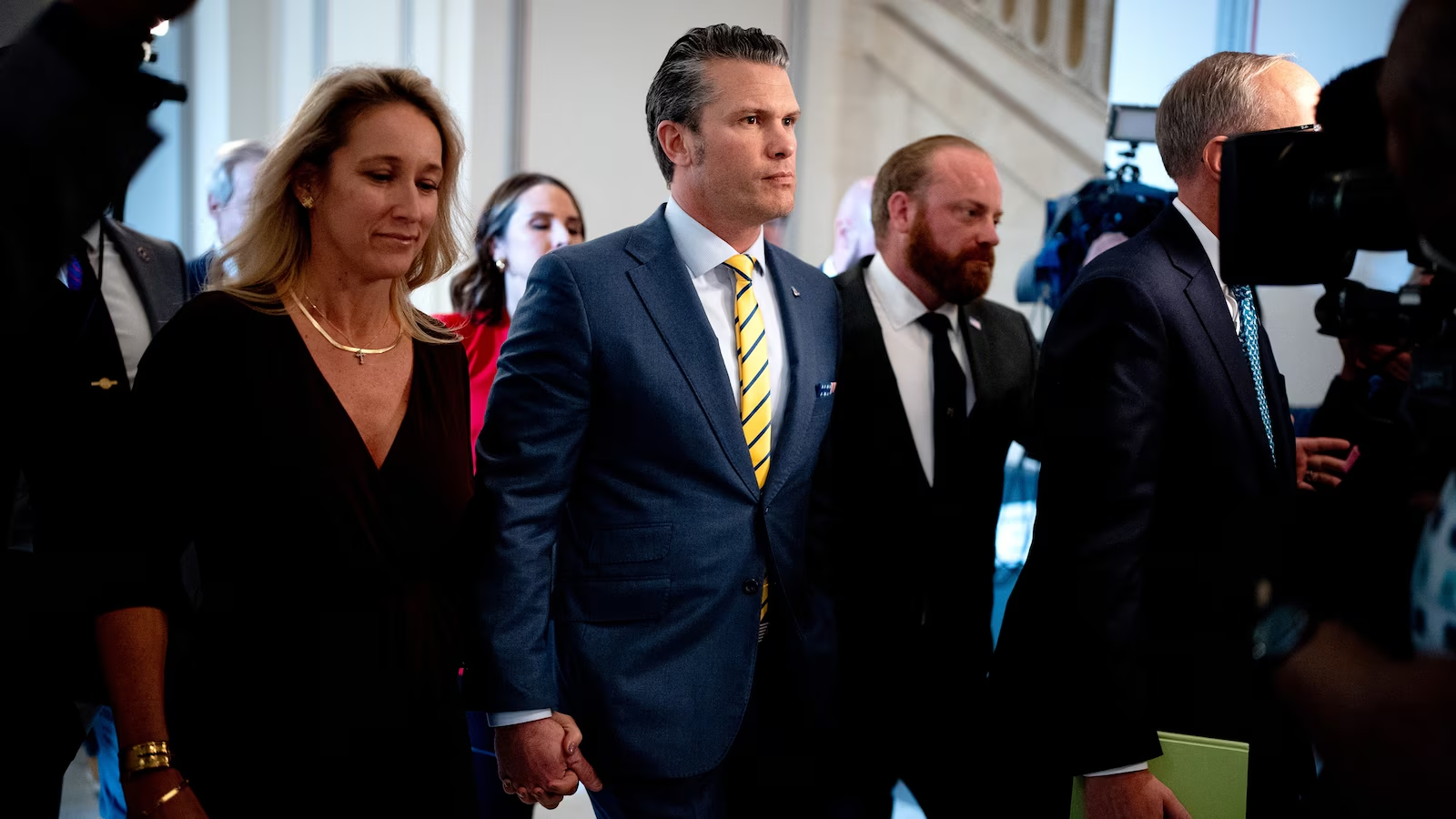
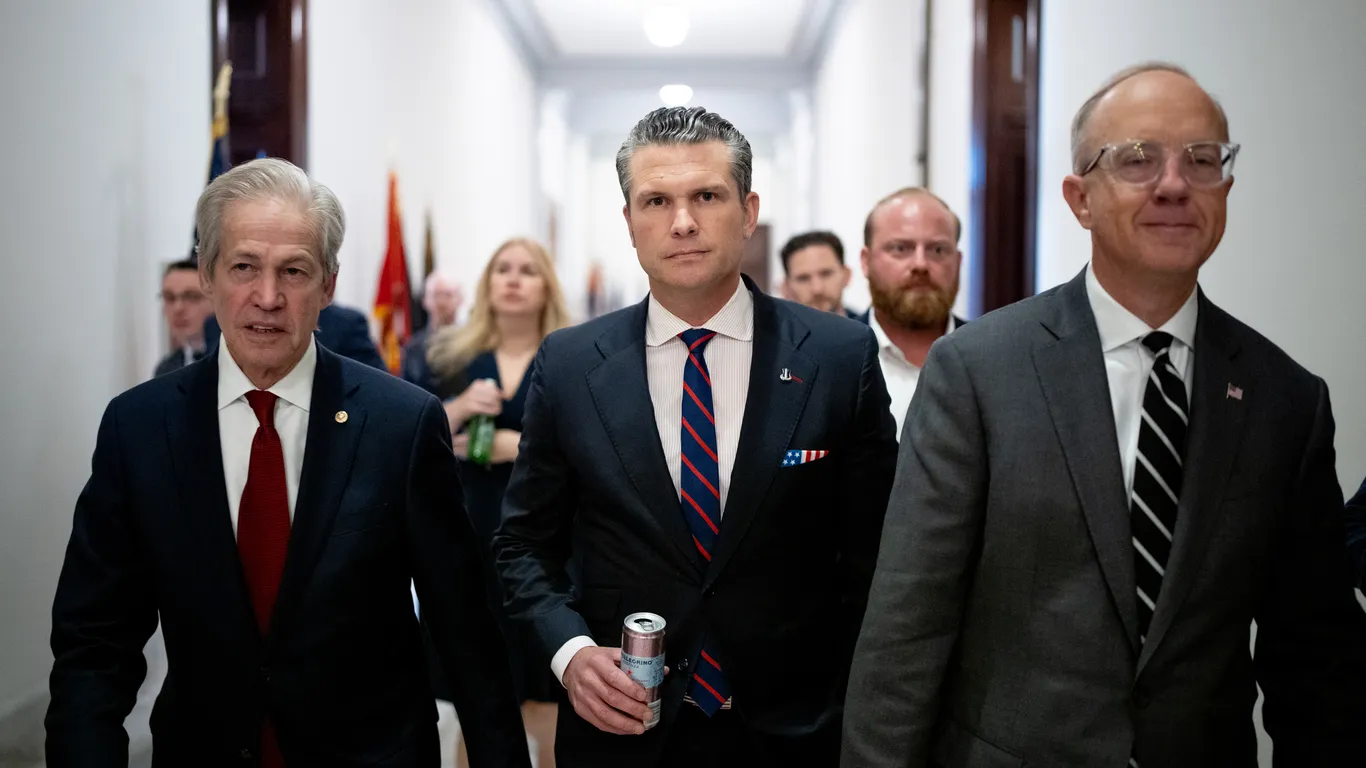
Republican senators are expressing concerns over misconduct allegations against Pete Hegseth, President-elect Donald Trump's nominee for defense secretary. The allegations, reported by The New Yorker, include financial mismanagement and inappropriate behavior. While some GOP lawmakers are urging Hegseth to address these claims, others, like Sen. Lindsey Graham, find the reports disturbing but believe he should have the opportunity to defend himself during the confirmation process. Trump's team has dismissed the allegations as gossip, and Hegseth has not publicly responded to the accusations.
GOP senators have expressed strong support for Pete Hegseth, President-elect Trump's nominee for Secretary of Defense, following a private meeting, despite allegations of financial and sexual misconduct against him. Senators Rick Scott, Mike Lee, Ted Cruz, and Cynthia Lummis praised Hegseth's vision for military reforms and dismissed the allegations as distractions. Hegseth's confirmation could be jeopardized if four moderate Republicans oppose him, and he may need some Democratic support if Republican votes waver.
President Donald Trump has announced Kash Patel, a loyal supporter and former chief of staff to the Acting Secretary of Defense, as his pick for the next FBI director. Patel, known for his role in defending Trump during the Russia investigation and his calls to purge Trump's perceived enemies from intelligence agencies, would replace current FBI Director Chris Wray, whose term ends in 2027. Patel's confirmation is uncertain due to his divisive reputation, and he has previously expressed intentions to investigate journalists.