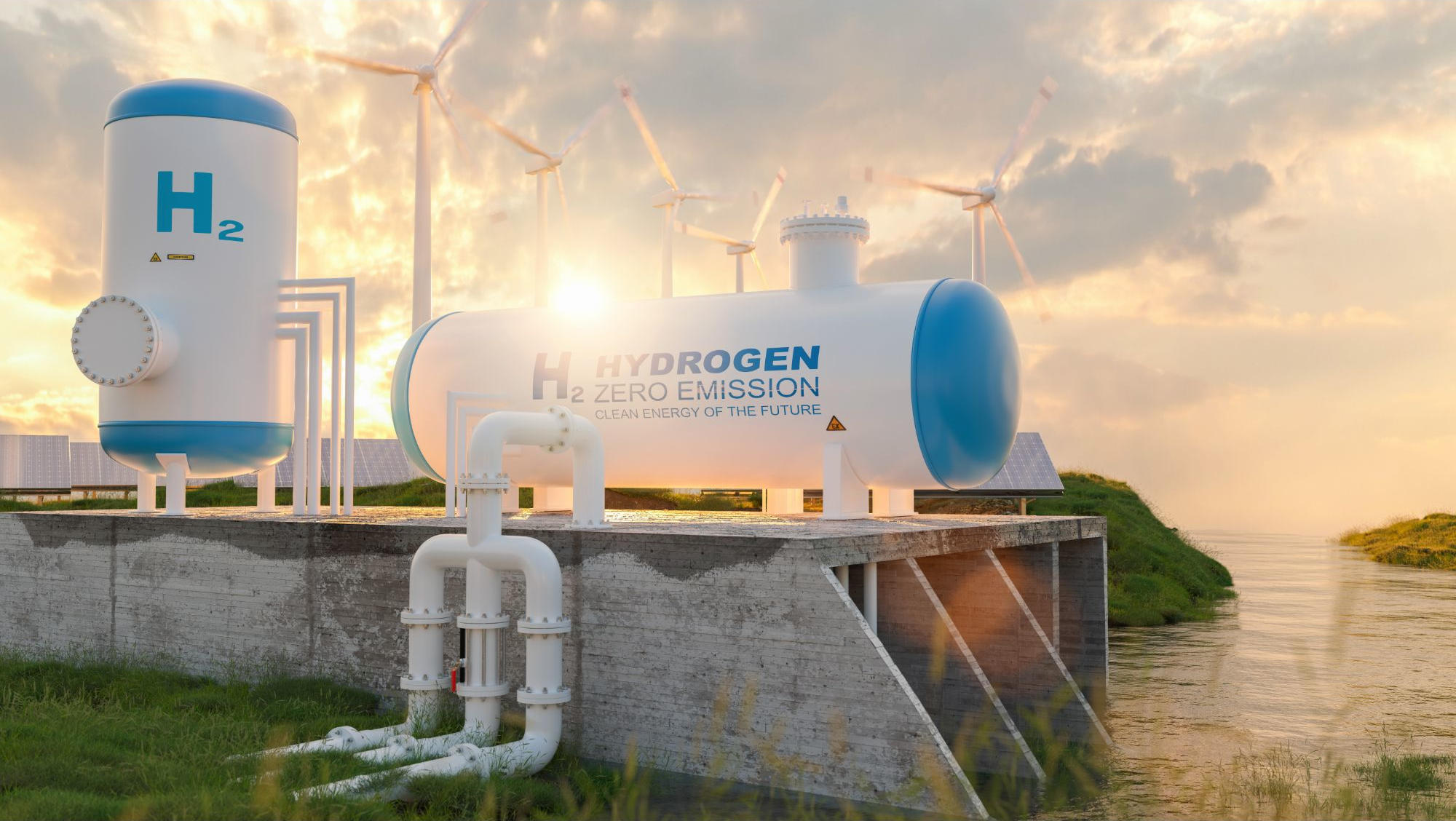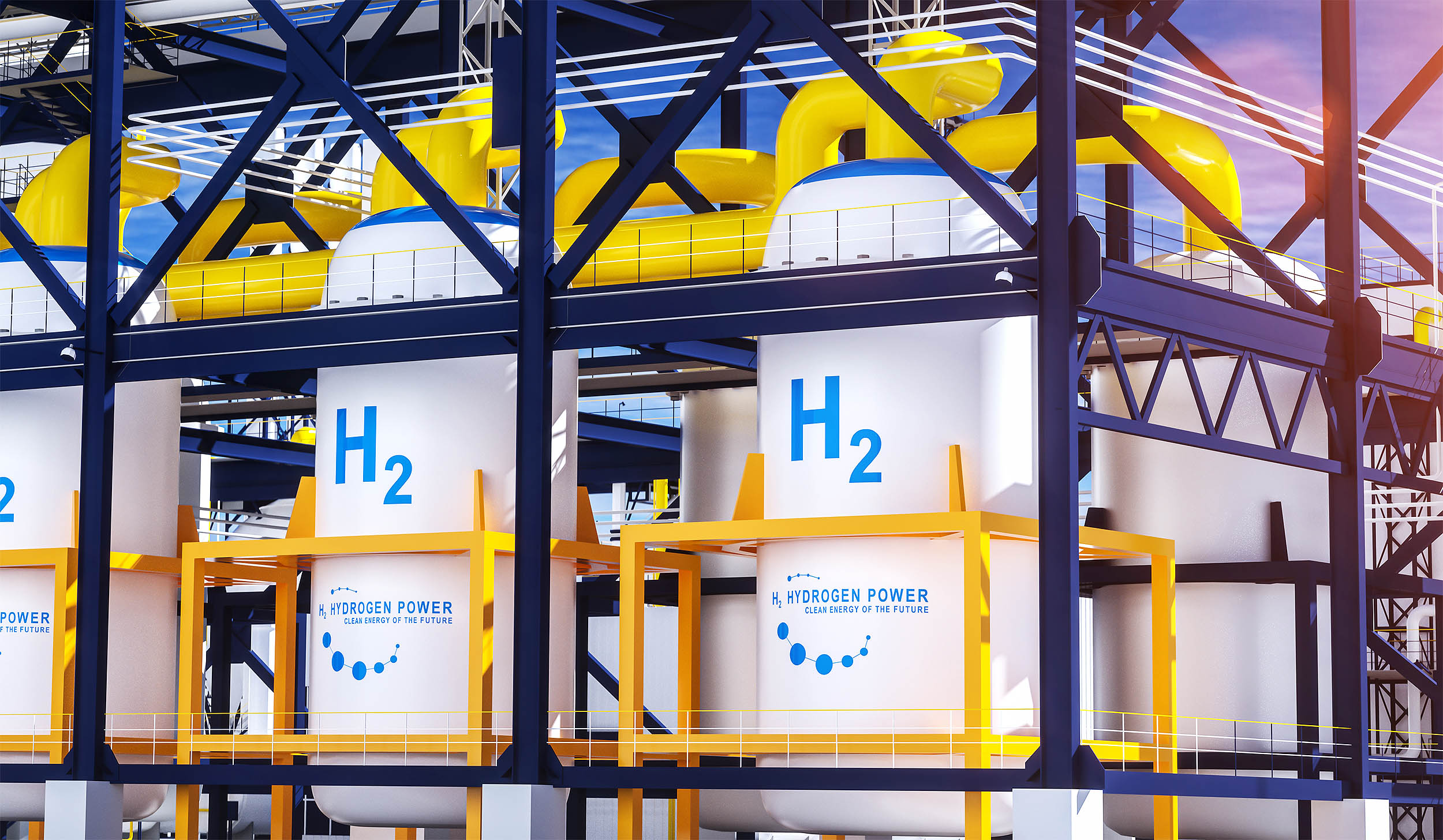
Scientists are exploring the Midcontinent Rift in North America as a potential source of natural hydrogen, which could provide a near-limitless, renewable energy supply by harnessing water-rock reactions in deep underground rocks, offering a promising alternative to traditional energy sources and supporting the shift towards clean energy solutions.
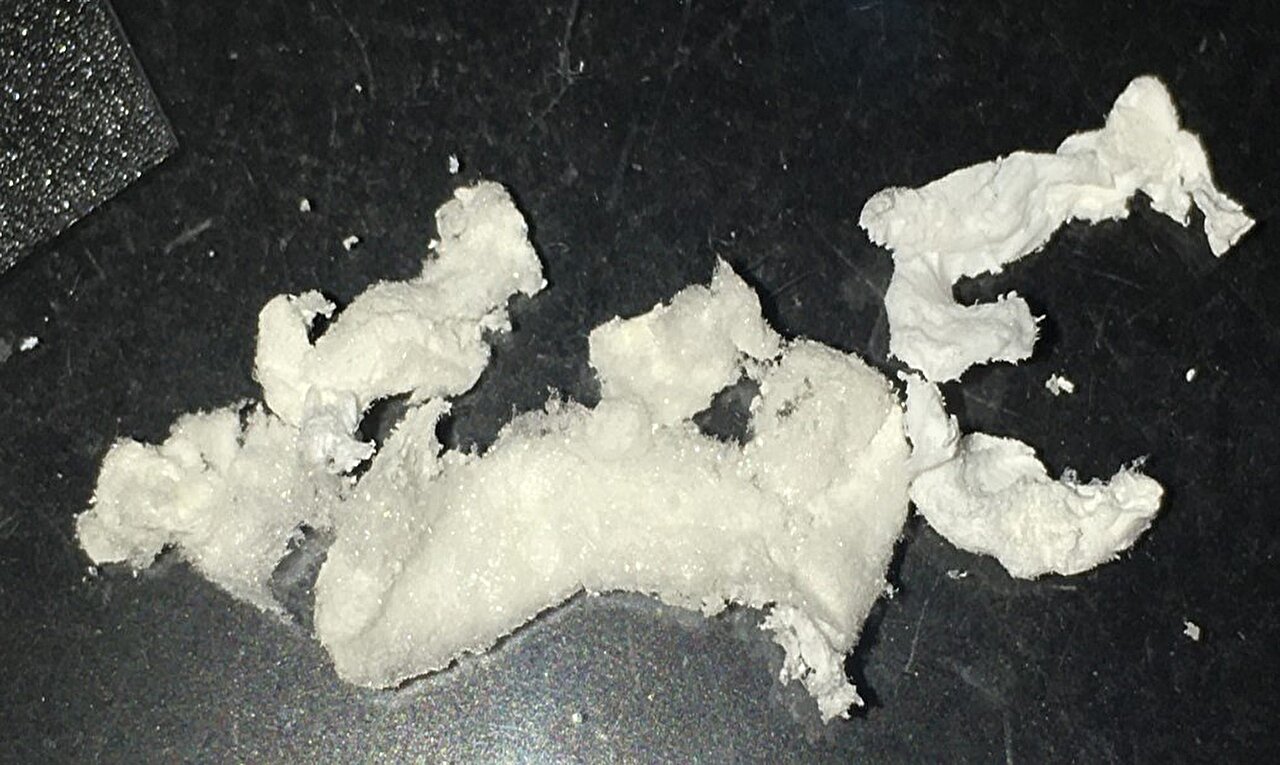
Researchers at Rensselaer Polytechnic Institute have engineered bacteria that can convert polyethylene plastic into a biodegradable spider silk with various applications, such as textiles, cosmetics, and medicine. The bacteria, Pseudomonas aeruginosa, naturally consume polyethylene as a food source and were engineered to produce a high-value protein product resembling spider silk. This innovation could help "upcycle" plastic waste and contribute to a future with renewable resources and reduced plastic pollution.
Scientists from the University of Kansas and the U.S. Department of Energy’s Brookhaven National Laboratory have made significant progress in understanding the complete reaction mechanism for "water-splitting" catalysts, bringing us closer to generating pure hydrogen from renewable energy sources. The breakthrough could contribute to a more sustainable future by providing a cleaner and more abundant source of power for electricity generation, transportation, and industrial applications. The research findings could also have broader implications for improving other chemical processes and catalysts, potentially advancing industrial chemistry and recycling of nuclear fuels.
As summer approaches, ERCOT warns of potential "brownouts" due to record demand and reliance on renewable resources. Bryan Texas Utilities has already begun preparations to harden their systems and ensure power supply to the Brazos Valley. Customers are encouraged to reduce power consumption during peak conditions and take care of their air conditioning units. ERCOT CEO expects the grid to be reliable, but the state is relying more on renewable resources to provide power during peak conditions.