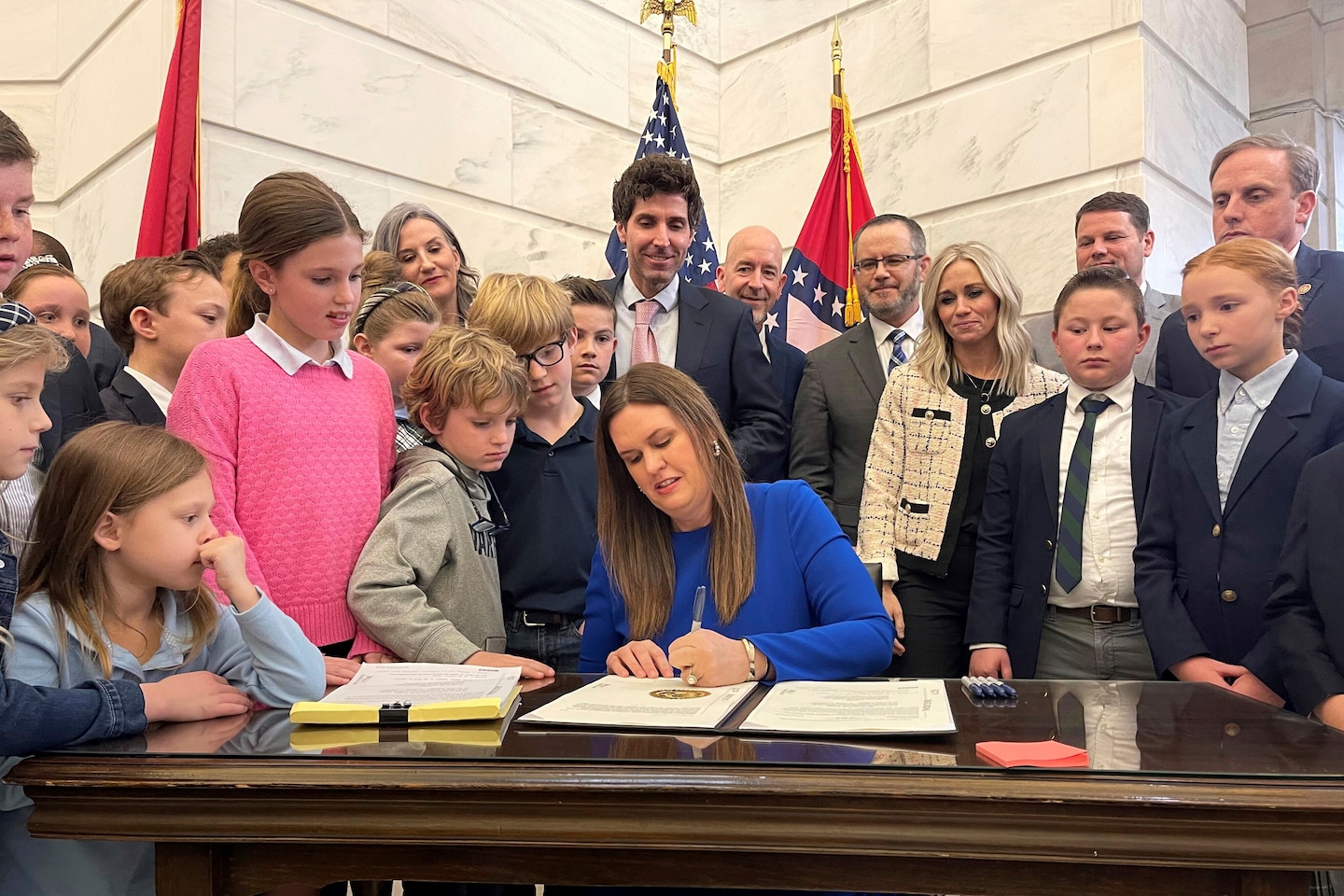
Billions in taxpayer dollars are increasingly being used to fund tuition at religious schools through expanding state voucher programs, blurring the line between public education and religion. These programs, popular in GOP-led states, allow families to use government money for private education, with a significant portion directed to religious institutions. Critics argue this diverts funds from public schools and undermines the separation of church and state, while supporters claim it provides parents with more educational choices. Recent Supreme Court rulings have facilitated this shift, raising concerns about the future of public education funding.
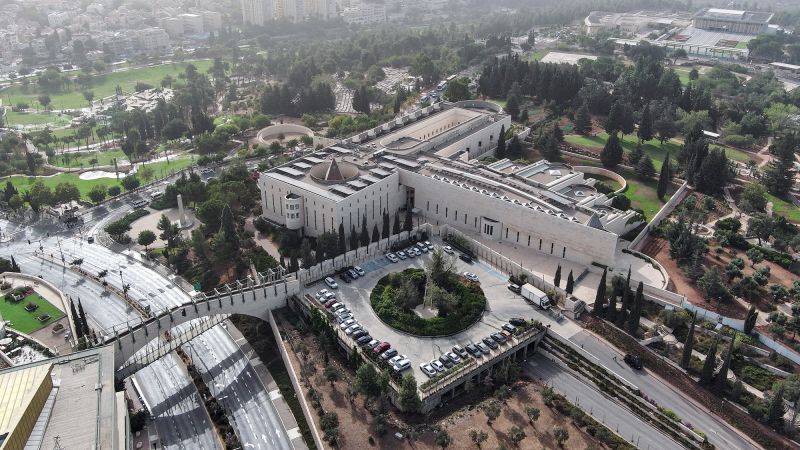
The Israeli Supreme Court has ordered the government to stop funding religious schools whose students defy the country’s mandatory military service, posing a serious threat to Prime Minister Benjamin Netanyahu’s governing coalition, which relies on Ultra-Orthodox parties. The court ruled that it was illegal for the government to both fund yeshivas and exempt their students from conscription, setting a deadline of April 1 for the government to stop transferring funds to non-compliant yeshivas. Ultra-Orthodox leaders have strongly criticized the ruling, while others see it as a necessary step towards equitable conscription enforcement.
Turkish pop singer Gulsen has been given a 10-month suspended sentence by a court in Istanbul for "inciting hatred and enmity" over a joke about Turkey's religious schools. The singer was briefly jailed last year for the joke she made during a concert. The court found her guilty of the charge and initially sentenced her to one year in prison, but later reduced the sentence, citing her "respectful stance" during the trial. Gulsen will face prison if she reoffends within the next five years.
The Oklahoma State education board is set to vote on whether to approve the nation's first religious charter school, the St. Isidore of Seville Catholic Virtual School, which would be funded by taxpayer dollars. The school's organizers are seeking authorization as a charter school, a type of public school that is independently run and managed. If approved, the move could set up a high-profile national legal battle over whether taxpayer money can be used to directly fund religious schools. The proposal has the support of Oklahoma's Republican governor, Kevin Stitt, who has argued that excluding religious charter schools is a violation of the First Amendment's prohibition on religious discrimination.