In 2026, Texas will see significant developments including criminal trials related to the Uvalde school shooting, a lawsuit over prison air conditioning, evolving hemp laws, a review of the USMCA trade deal, and the launch of a school voucher program, alongside ongoing debates over the Ten Commandments in schools, school accountability, vaccine exemptions, flood warning systems, and a legal challenge to a dementia research fund.
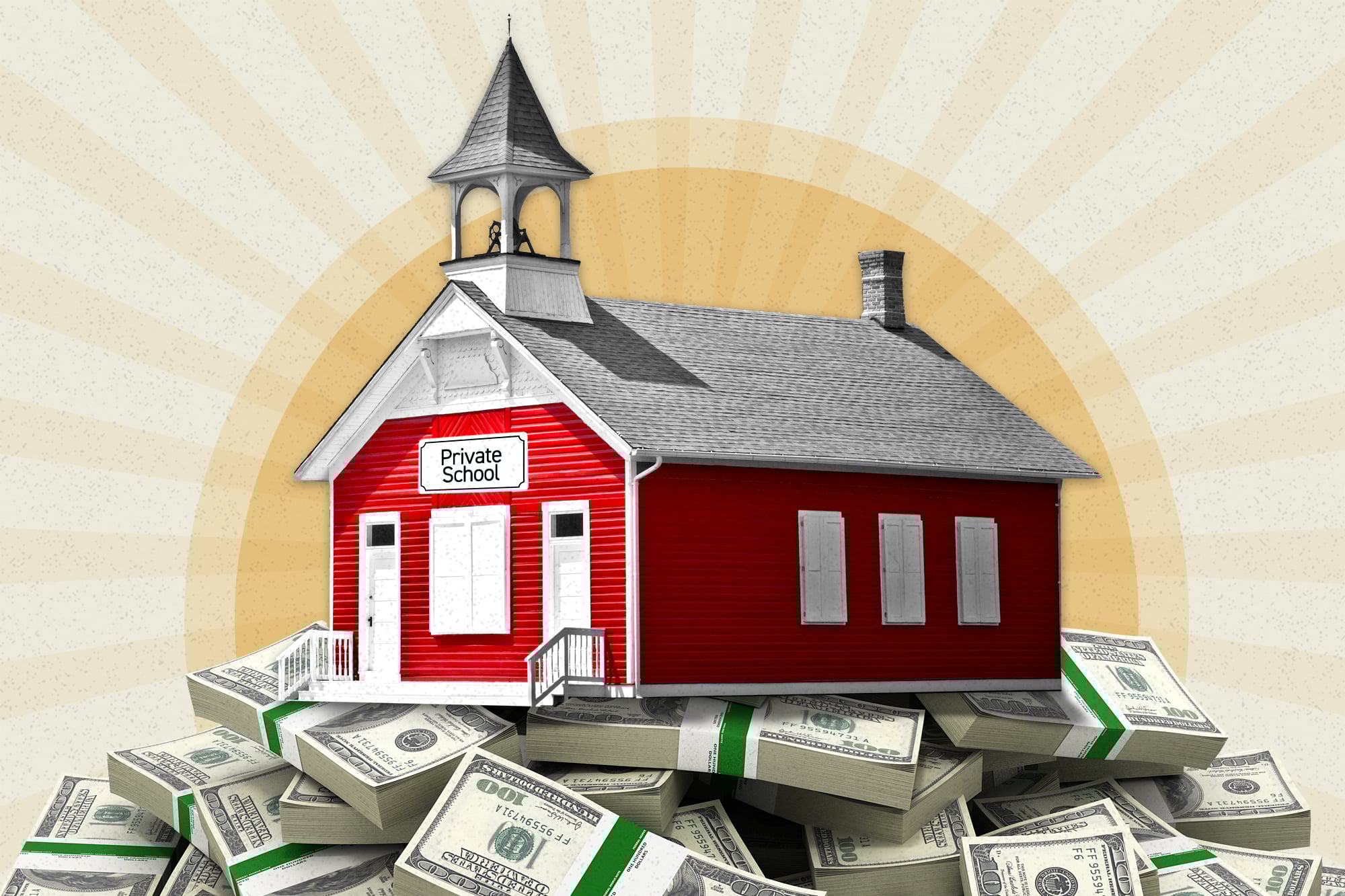
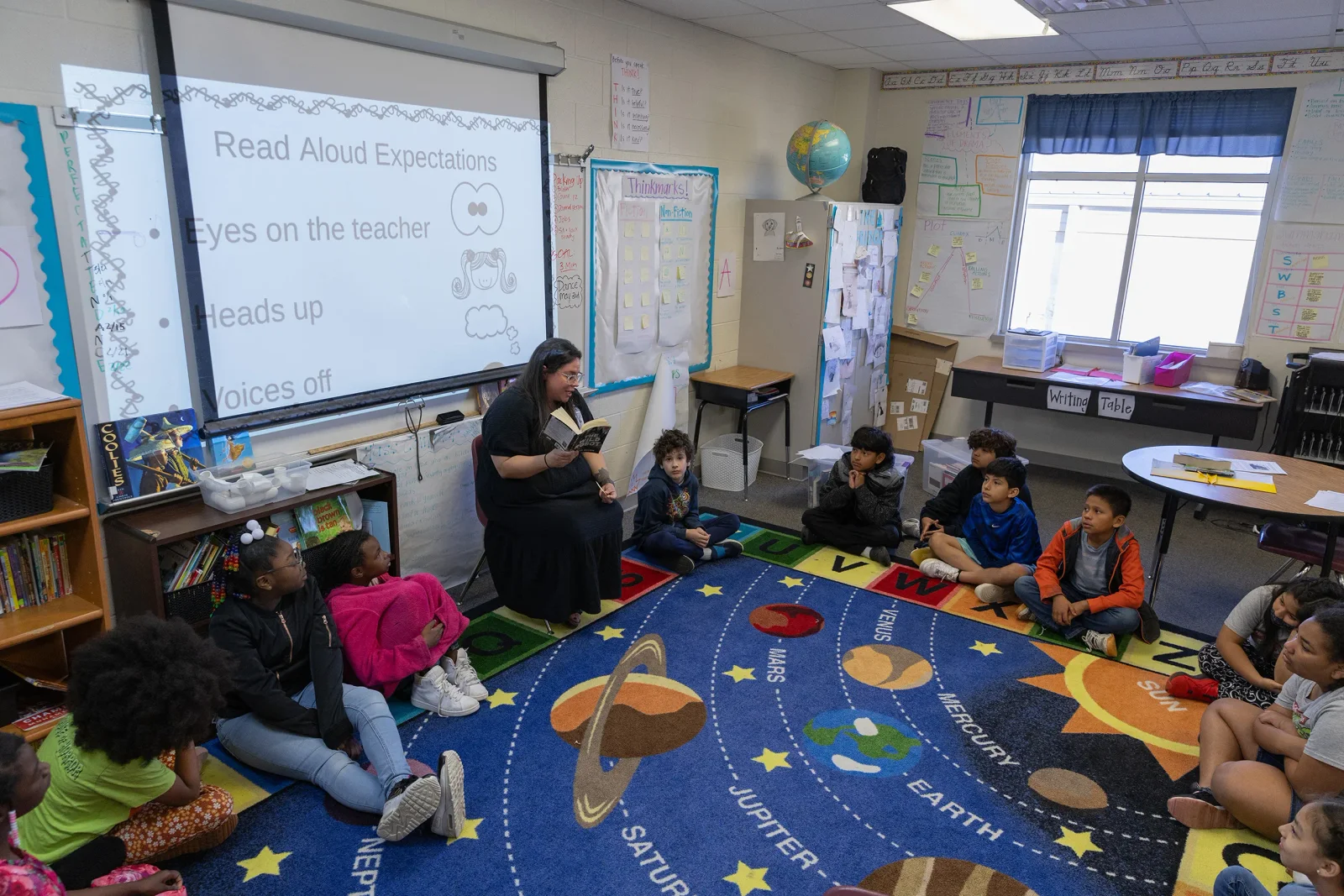
Texas has introduced a private pre-K voucher program offering up to $10,800 per year, but eligibility is limited to families already qualifying for free public pre-K, making it unlikely to significantly expand access or affordability for early childhood education across the state.
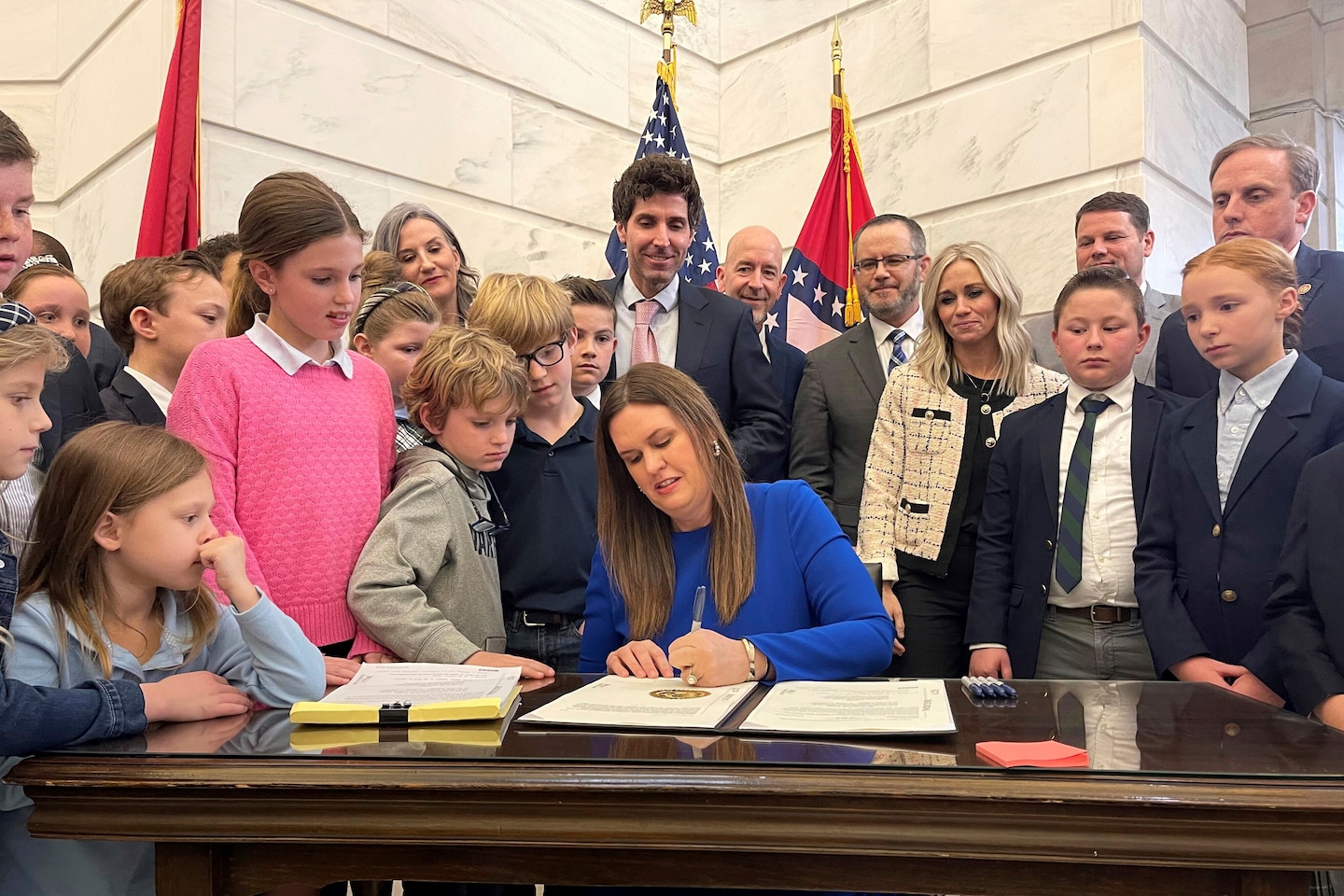
Over 800 new laws are taking effect in Texas, covering areas such as education funding, school vouchers, water infrastructure, and social policies, with some laws requiring future voter approval or delayed implementation, reflecting significant legislative changes in the state.
The 'One Big Beautiful Bill' signed into law by President Trump introduces significant changes to federal education policy, including a federal school voucher program, Medicaid and SNAP adjustments affecting school funding and student health services, modifications to federal student loans and Pell Grants, and increased taxes on college endowments, impacting students, schools, and colleges across the U.S.
The 2025 Texas Legislature, dominated by Republicans, passed several conservative measures including school vouchers, a T.H.C. ban, and immigration cooperation laws, but failed to pass stricter voting and energy reforms, revealing limits to right-wing governance even in a Republican-controlled state.
The Texas legislature concluded its session with a $338 billion budget, implementing conservative policies including increased immigration enforcement cooperation, a historic school voucher program, and greater control over public universities, while also addressing infrastructure and property tax issues, though concerns remain about future budget shortfalls.
Republican efforts to expand school voucher programs, which direct public funds to private education, face significant voter resistance despite legislative pushes in states like Texas, Tennessee, and North Carolina. While some states have overridden vetoes or reintroduced bills to support these initiatives, recent referendums in states like Kentucky and Colorado have shown strong public opposition. Teacher unions are actively campaigning against these measures, arguing they undermine public school funding, while proponents argue for increased educational choice.
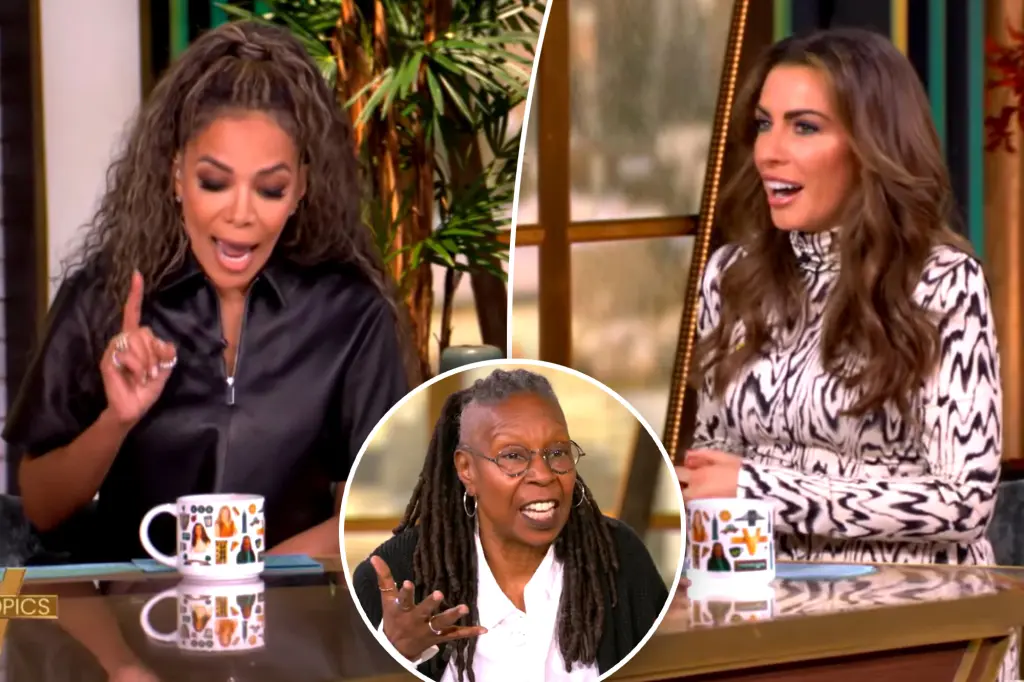
Whoopi Goldberg interrupted a heated debate between "The View" co-hosts Sunny Hostin and Alyssa Farrah Griffin over school vouchers, sending the show to a commercial break. The argument escalated as Hostin criticized the voucher system for benefiting wealthy families, while Griffin attempted to interject with her perspective. Goldberg intervened, stating that the conversation was too chaotic for viewers to follow, and later emphasized the importance of diverse opinions despite the messiness.
Billions in taxpayer dollars are increasingly being used to fund tuition at religious schools through expanding state voucher programs, blurring the line between public education and religion. These programs, popular in GOP-led states, allow families to use government money for private education, with a significant portion directed to religious institutions. Critics argue this diverts funds from public schools and undermines the separation of church and state, while supporters claim it provides parents with more educational choices. Recent Supreme Court rulings have facilitated this shift, raising concerns about the future of public education funding.
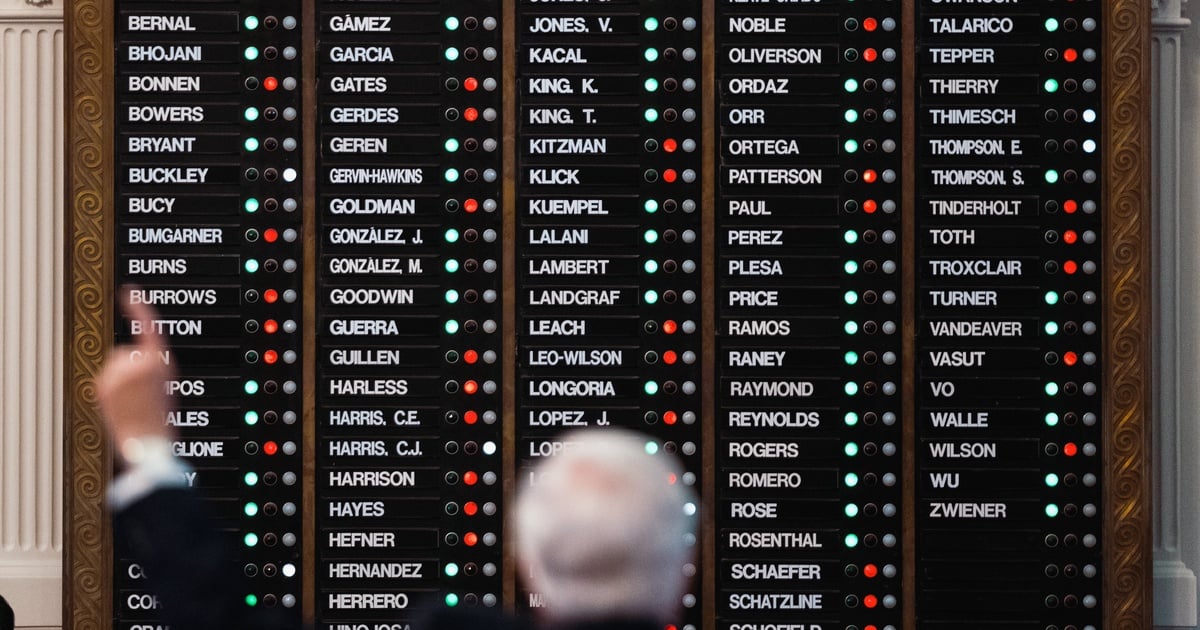
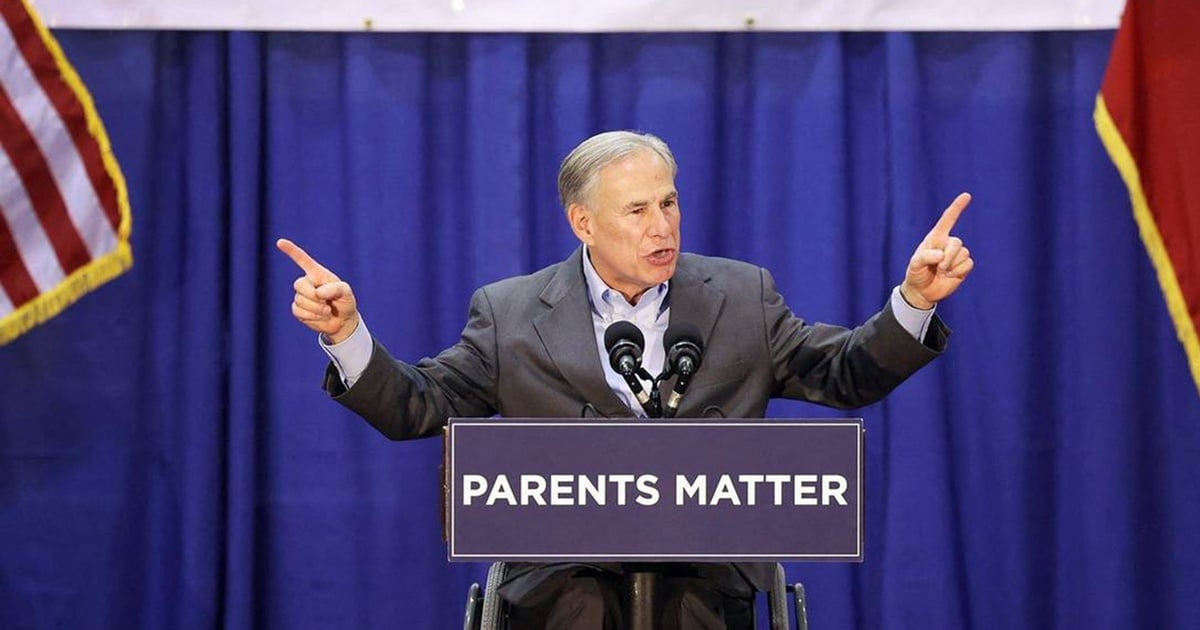
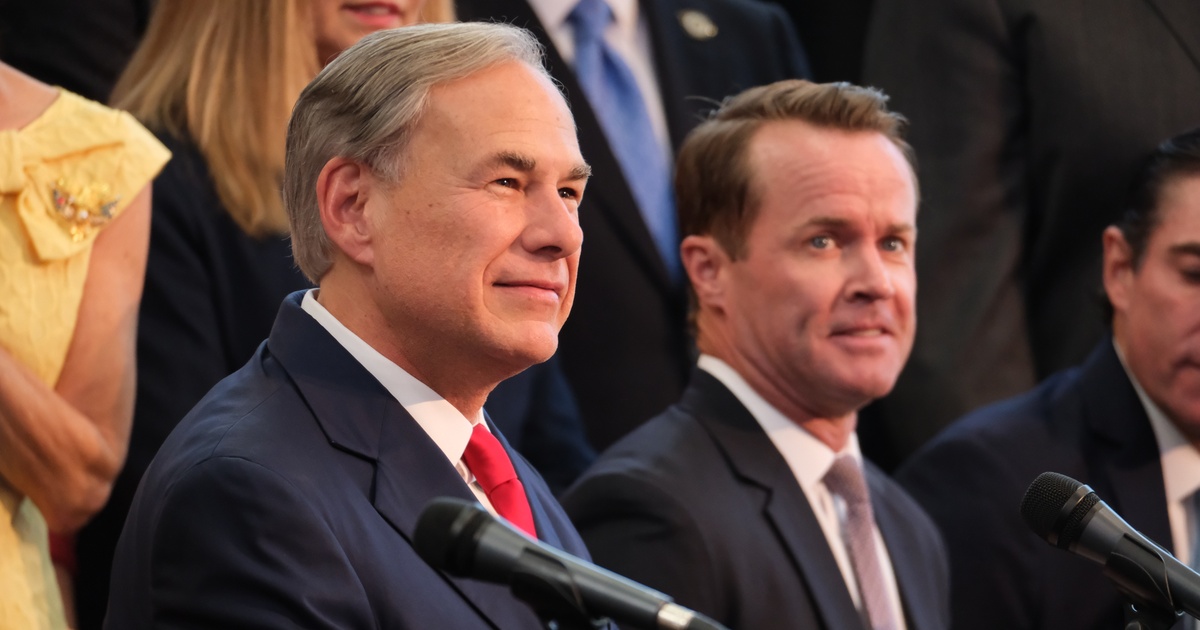
In the Texas House primary runoffs, a significant number of Republican incumbents, including those opposing school vouchers, were defeated, giving Governor Greg Abbott a tentative majority to push his school voucher agenda. Despite mixed results for the hard right, the House now has a pro-voucher majority, though House Speaker Dade Phelan, a target of the right, survived his runoff. Abbott and pro-voucher groups heavily funded the campaigns, leading to a record number of GOP incumbents being ousted.
The Houston Chronicle rebuked Texas Governor Greg Abbott for his "disturbing" obsession with a school voucher program, warning of the damage it could do to public schools and accusing him of being beholden to wealthy special interests. Despite facing bipartisan resistance, Abbott spent millions in campaign funds to unseat House Republicans who opposed the program, but ultimately failed to pass the bill. Following Super Tuesday, Abbott gained victories for pro-voucher newcomers, signaling a potential shift in support. The newspaper criticized Abbott's allegiance to wealthy interests and warned of the consequences for public schools if vouchers become a reality.
School voucher supporters in Texas celebrated primary wins, bringing their long-held goal of using state funds for private school tuition closer to reality. Gov. Greg Abbott's success in replacing nine Republicans who opposed vouchers with pro-voucher candidates signals a potential shift in the 2025 legislative session. Public school advocates raised concerns about the potential cost to the school system and vowed to continue the battle. The upcoming runoffs will determine the fate of the voucher program, with both sides gearing up for an intense fight.
Super Tuesday election results are in, with NewsChannel 5 providing coverage. Meanwhile, an Arizona journalist explains the outcomes of the school voucher program as Tennessee considers a similar initiative, offering insights and data on the issue.
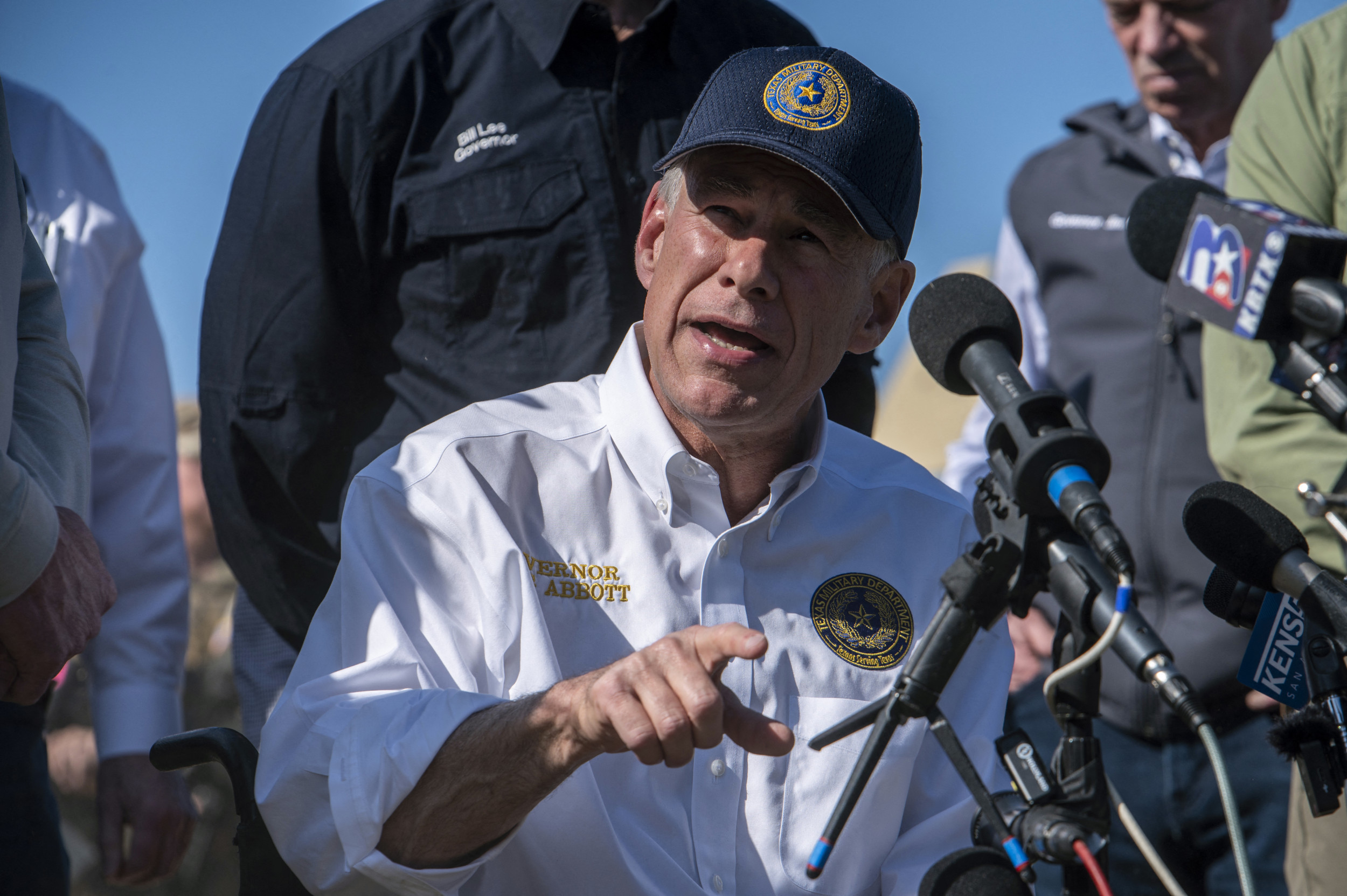
Texas Governor Greg Abbott vowed to campaign against anti-voucher GOP House members who blocked his priority voucher bill from passing into law last year, spending $4.4 million in the past month against incumbent House members and appearing repeatedly in their districts to endorse their opponents. However, six anti-voucher House GOP incumbents have managed to sidestep Abbott’s wrath, leaving their pro-voucher challengers wondering why they didn't receive the coveted Abbott nod. The reasons for Abbott's endorsement decisions remain unclear, with some speculating personal history, political strategy, or the risk of backing candidates unable to win against incumbents.
Texas Governor Greg Abbott remains undecided on whether to call another special session to pass school vouchers, as he focuses on endorsing primary challengers to House Republicans who opposed the voucher provision. The fourth special session ended without a resolution on vouchers, leaving Abbott's yearlong crusade for "school choice" in limbo. While Lieutenant Governor Dan Patrick suggests a potential special session in February, Abbott has not confirmed any timing. The gridlock in Austin also means unresolved issues such as public school funding, teacher bonuses, and school safety measures. Abbott's endorsements have aligned him with some of his past intraparty critics, indicating a willingness to prioritize a pro-voucher House majority over past grudges.