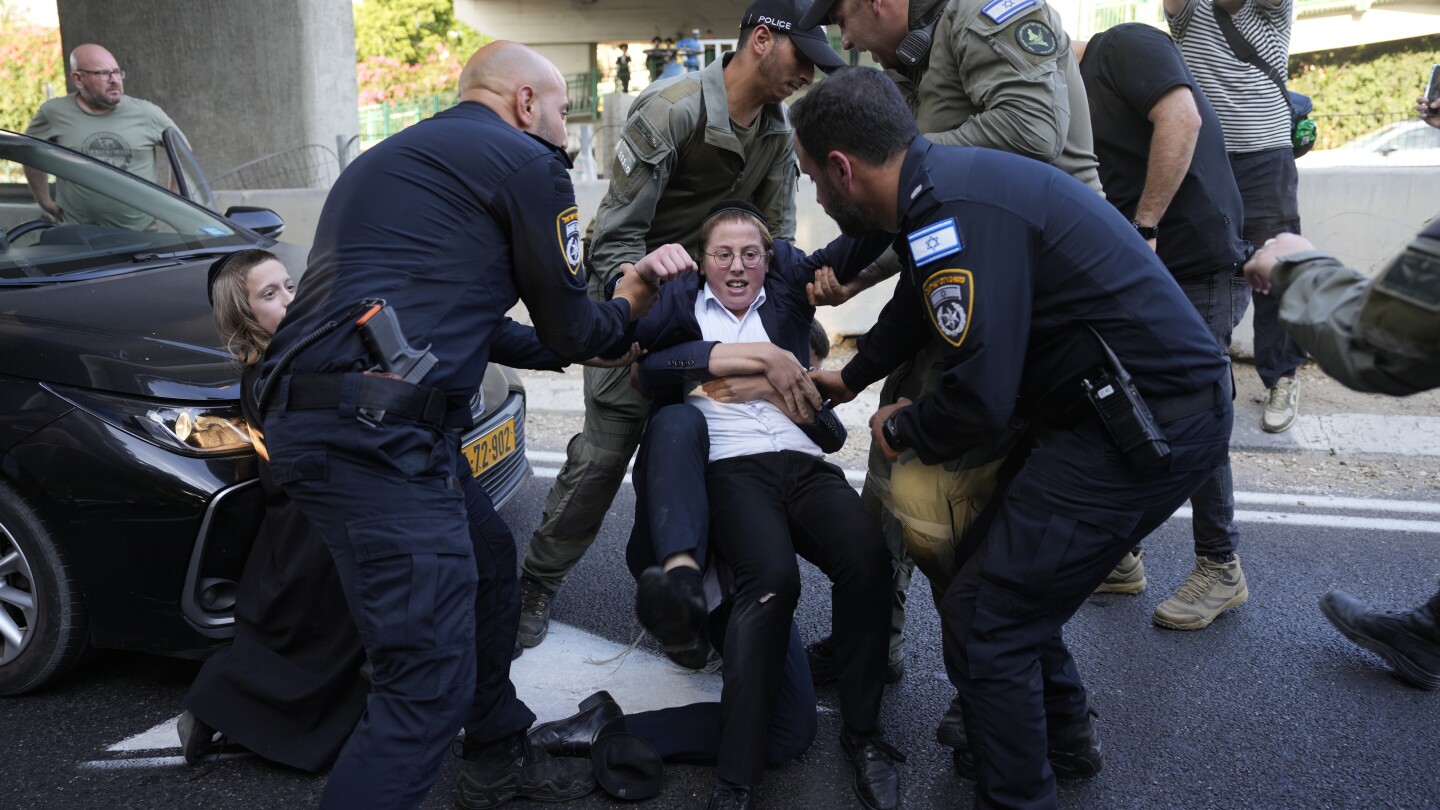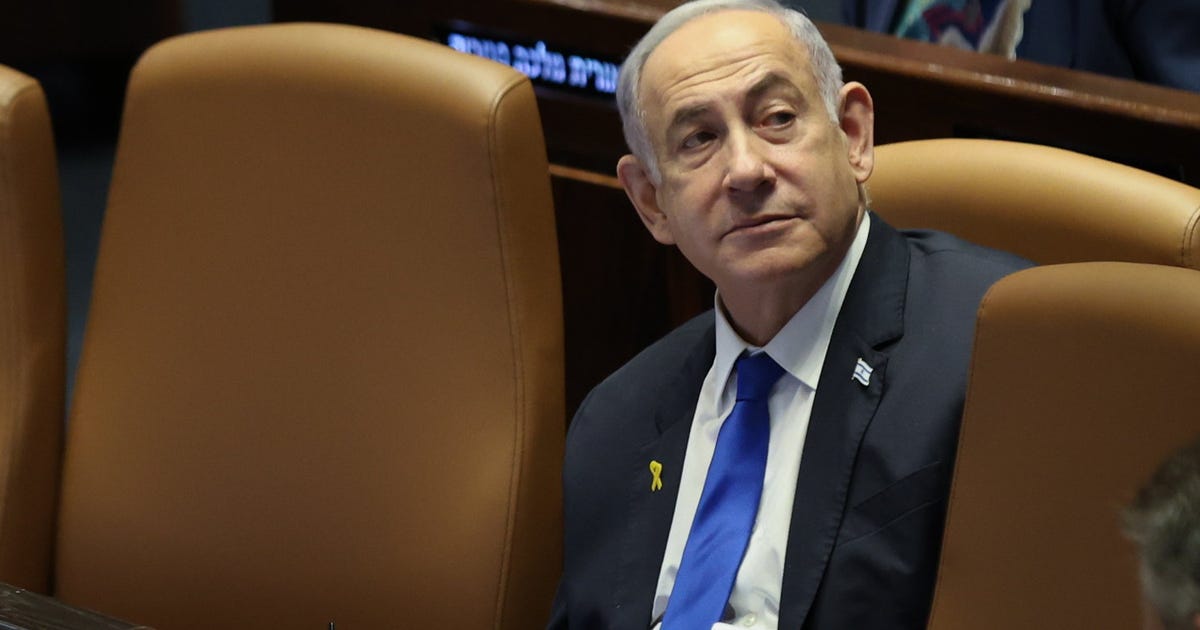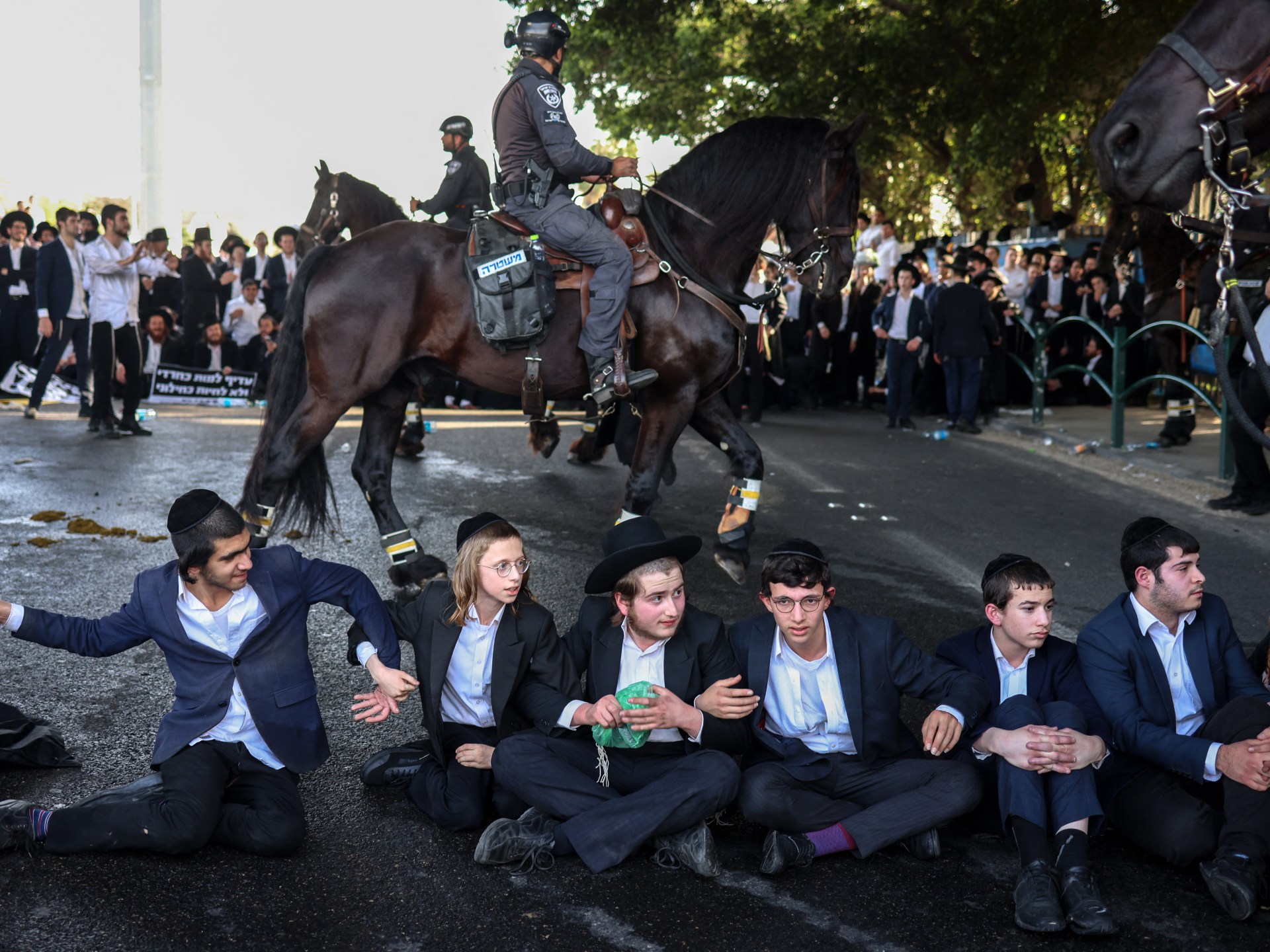
Israel's attempt to draft ultra-Orthodox men into the military has sparked widespread protests and political tension, threatening to destabilize Prime Minister Netanyahu's government as debates over religious exemptions and national service intensify.
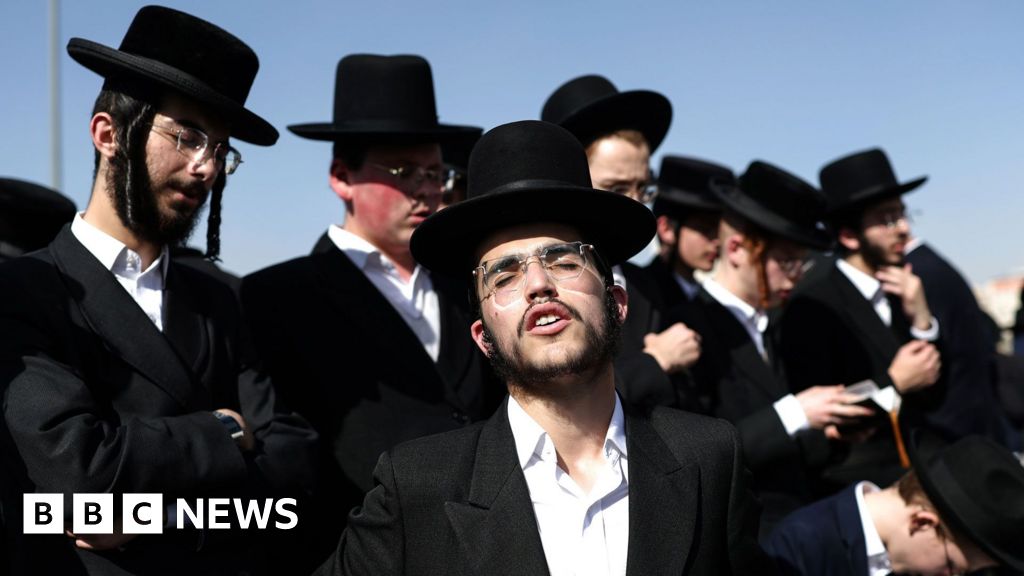
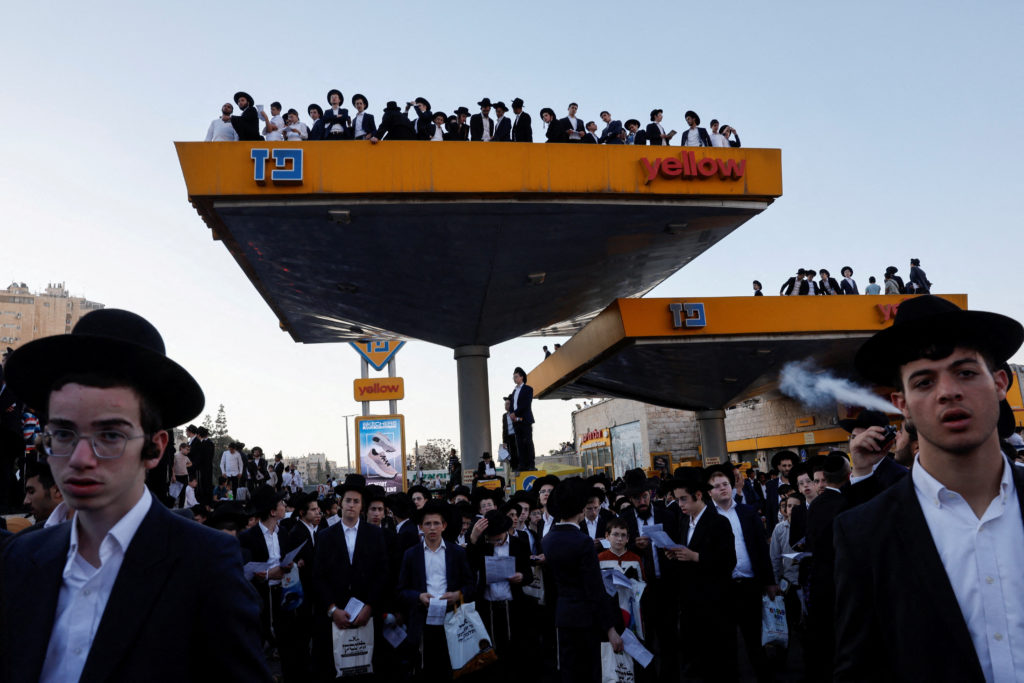
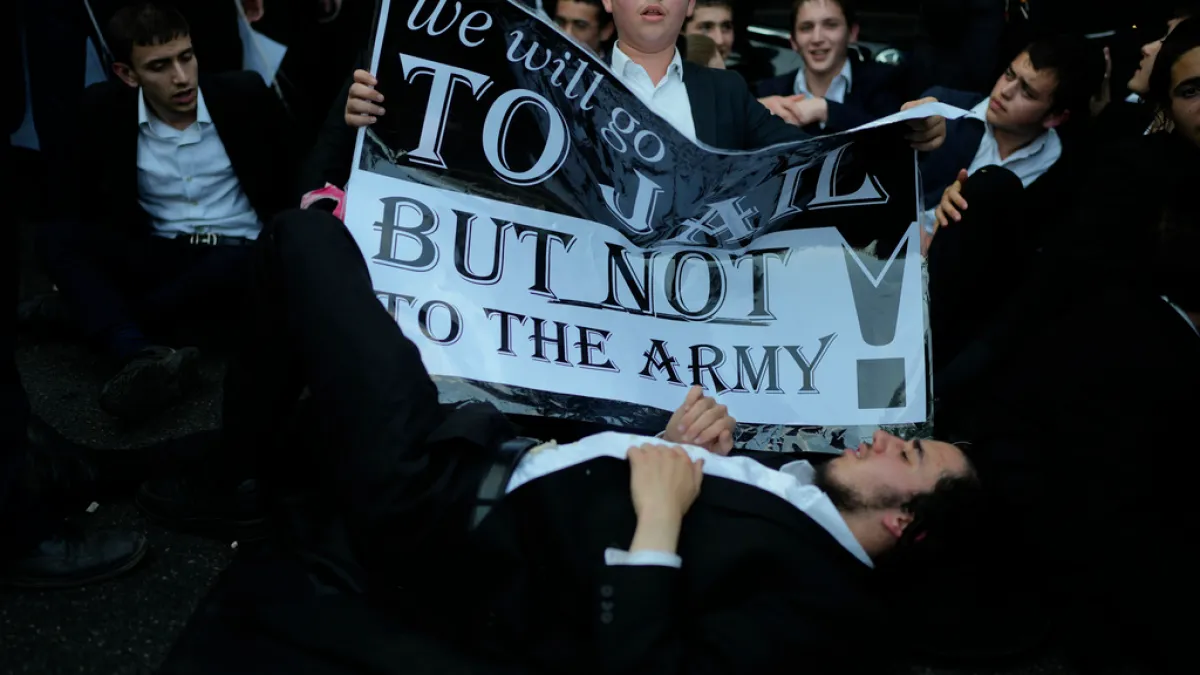
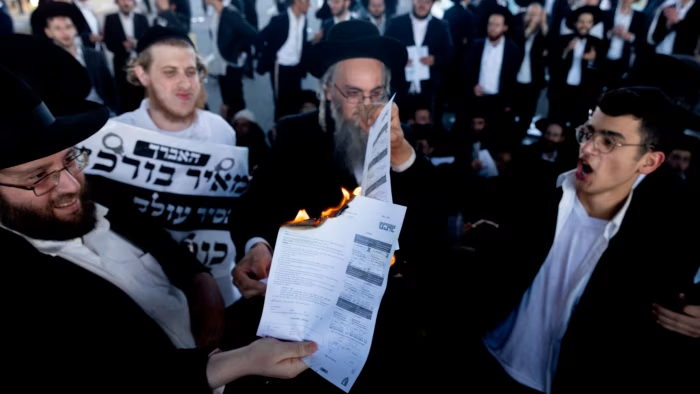
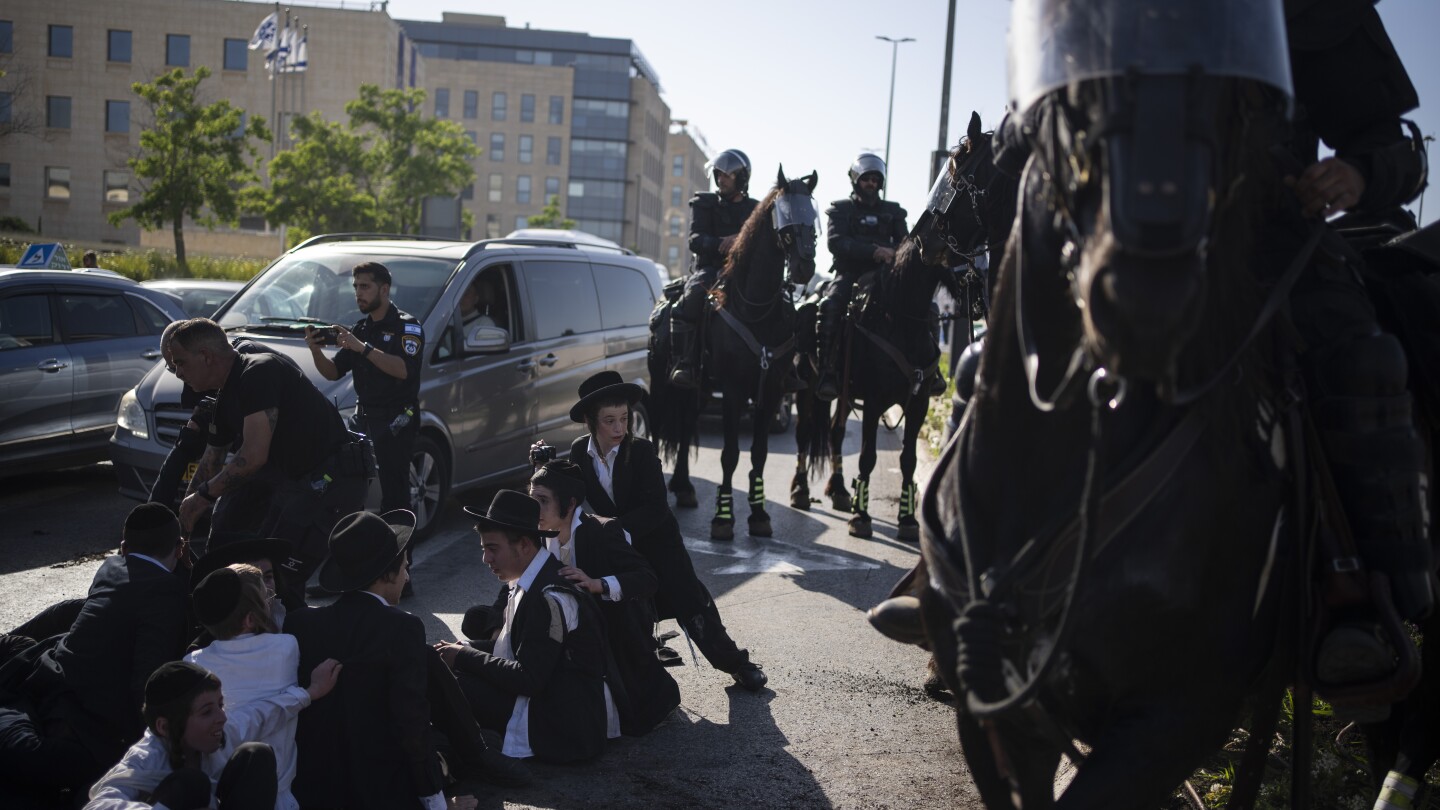
Tens of thousands of ultra-Orthodox Jews protested in Jerusalem against plans to draft them into the Israeli military, highlighting deep societal divisions and threatening Prime Minister Netanyahu's fragile coalition, amid ongoing debates over permanent draft exemptions for the community.
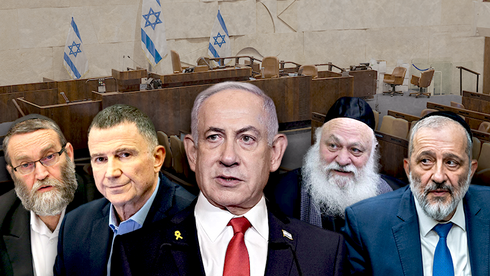
Amidst internal coalition tensions and protests over a controversial military draft law favoring ultra-Orthodox yeshiva students, Israeli Prime Minister Netanyahu faces pressure to replace MK Yuli Edelstein as chair of the Knesset’s Foreign Affairs and Security Committee, while ultra-Orthodox parties threaten to escalate protests and challenge enforcement efforts, contributing to government instability and potential early elections.
The Ultra-Orthodox Shas party is leaving Israel's government in protest over the failure to secure exemptions from military service for religious students, reducing Prime Minister Netanyahu's majority and adding to political tensions amid ongoing Gaza conflict. Despite quitting the cabinet, Shas remains in the parliamentary coalition, while another ultra-Orthodox party, UTJ, has already resigned over the same issue, highlighting a deepening divide over conscription laws.
The ultra-Orthodox party United Torah Judaism has left Israel's government coalition over disagreements on a bill to exempt yeshiva students from military service, reducing Netanyahu's majority in the Knesset and escalating tensions over military conscription exemptions for religious students.
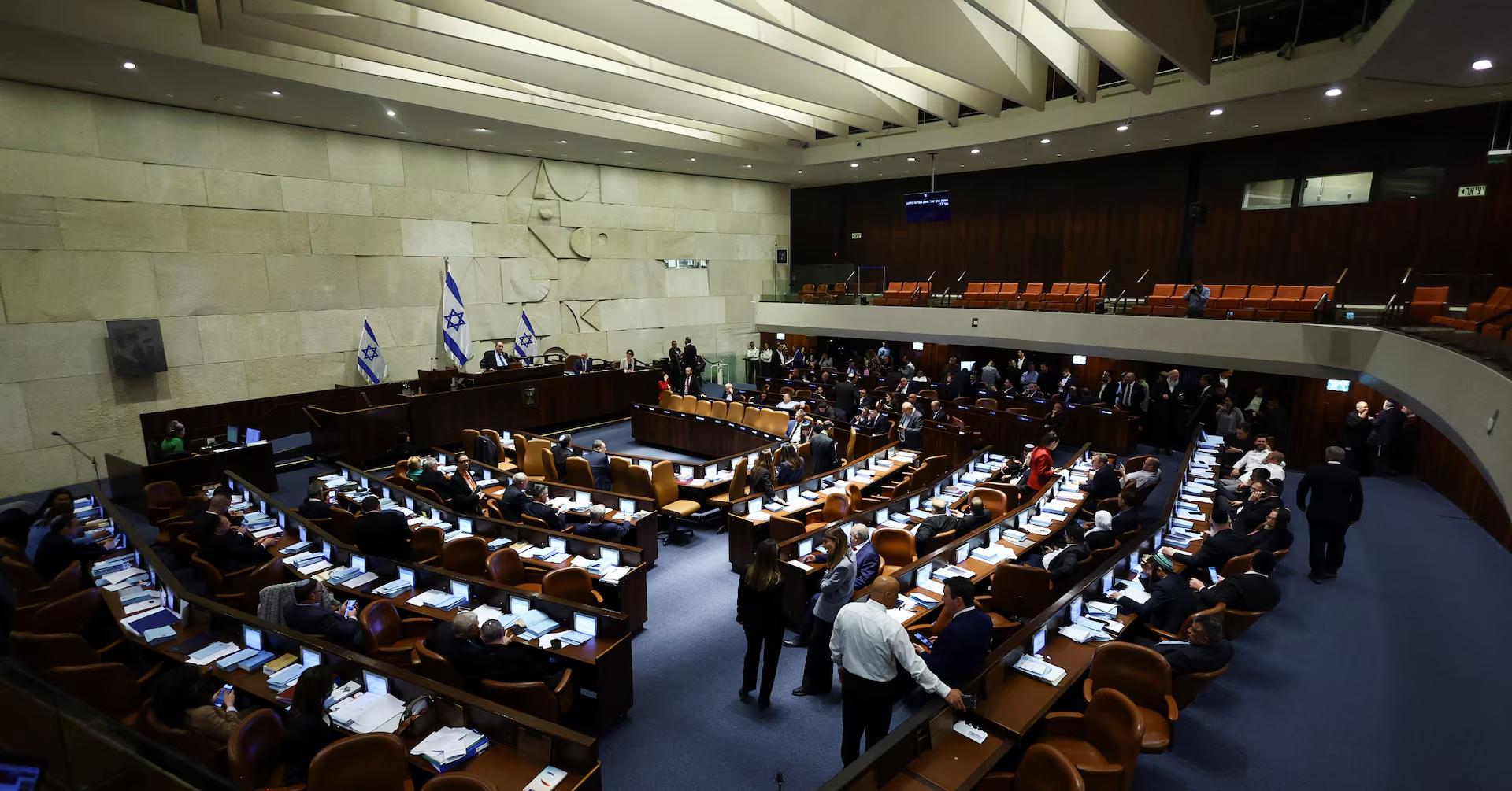
Israeli Prime Minister Benjamin Netanyahu's government faces potential collapse as opposition parties push to dissolve the Knesset, mainly due to disagreements over military service exemptions for ultra-Orthodox communities, amid ongoing security challenges and political tensions.
Israeli opposition parties plan to bring a motion to dissolve Parliament, challenging Prime Minister Netanyahu's government amid a coalition crisis over exemptions for ultra-Orthodox students from military service, potentially leading to early elections.
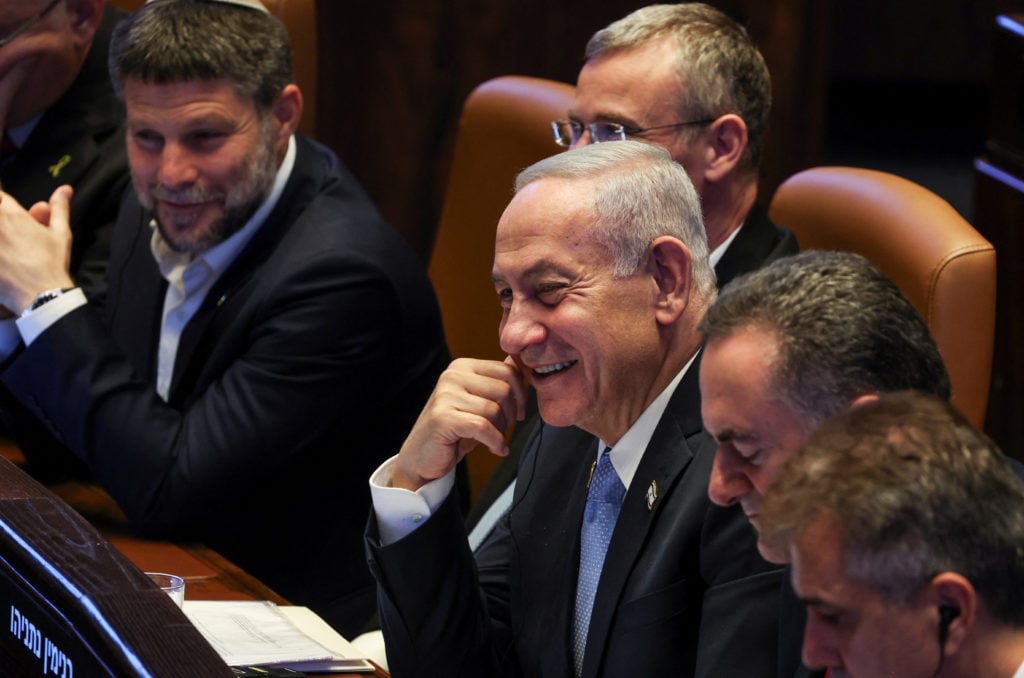
Israeli Prime Minister Benjamin Netanyahu's coalition faces a critical vote on dissolving parliament due to disputes over military service exemptions for ultra-Orthodox religious students, with coalition partners threatening to withdraw support if legislation is not passed, risking political instability amid ongoing conflicts and longstanding societal tensions.
The Israeli military will begin drafting ultra-Orthodox men following a Supreme Court order, potentially destabilizing Prime Minister Netanyahu's government and sparking large protests. The move ends long-standing exemptions for religious men, causing tension with ultra-Orthodox leaders and risking the collapse of the ruling coalition.
Israel's military announced it will start issuing draft notices to ultra-Orthodox men next week, marking a significant policy shift in the country's conscription practices.
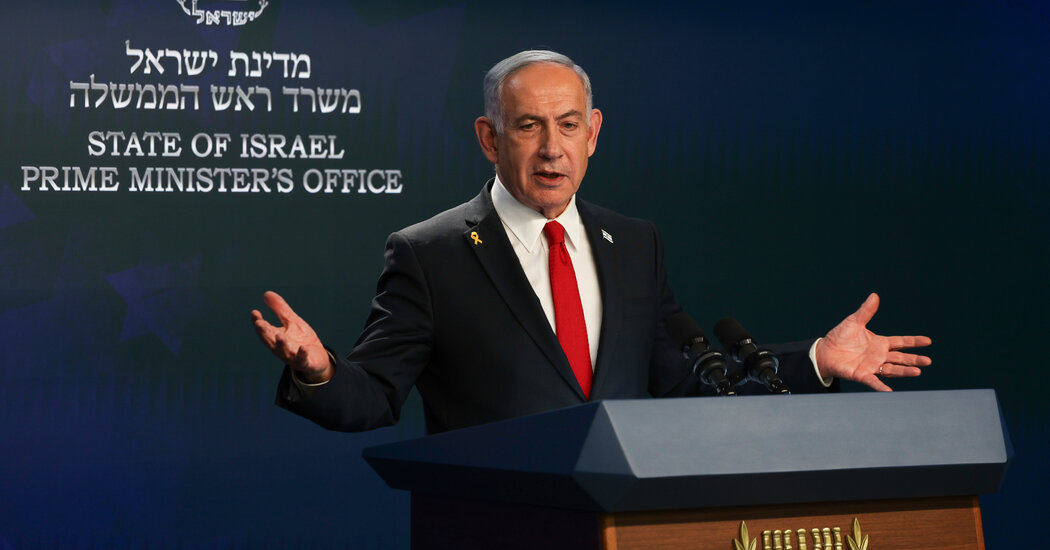
Israeli Prime Minister Benjamin Netanyahu is considering dissolving the Knesset and calling for new elections to navigate political crises, including conflicts with far-right partners and an impending court decision on drafting ultra-Orthodox Israelis, while also seeking to advance a deal with Hamas.
Ultra-Orthodox protesters blocked roads in Jerusalem as Israel’s Supreme Court reviewed the legality of military service exemptions for the religious community, a contentious issue that could destabilize Prime Minister Netanyahu’s coalition. The court suggested increasing ultra-Orthodox enlistment but not to full mandatory levels. Netanyahu faces a June 30 deadline to pass a new law on exemptions, risking his government’s stability.
The recent conflict with Hamas has reignited the debate in Israel over whether ultra-Orthodox Jewish men should continue to be exempt from compulsory military service, with calls for an end to the exemption gaining momentum. The government's decision on this issue carries significant political implications.
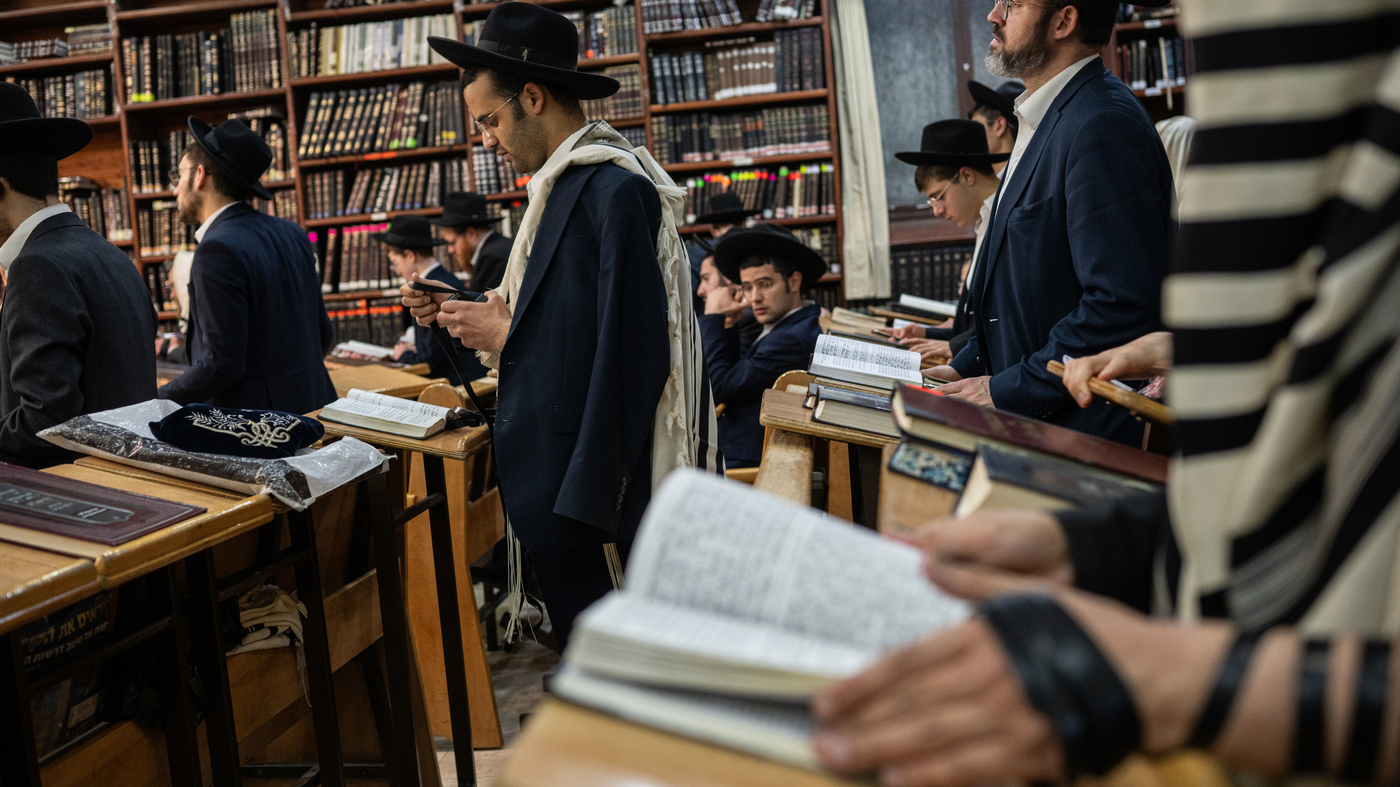
The Israeli government and society are pressuring ultra-Orthodox Jews to enlist in the military as their exemption from mandatory service has become a contentious issue. The Supreme Court has ordered the suspension of state funding for Jewish seminaries if students defy the draft, prompting Prime Minister Benjamin Netanyahu to seek a solution. The ultra-Orthodox community opposes military service, citing religious values, and their exemption has caused tension within the coalition government. The debate has the potential to trigger new elections and has sparked protests from the ultra-Orthodox community.
The Bank of Israel has warned of economic repercussions if more ultra-Orthodox Jewish men do not join the military, citing the increased personnel needs during the recent conflict with Hamas. The exemption of ultra-Orthodox Jews from military service since 1948 has led to a disproportionate burden on other soldiers and the economy. Prime Minister Benjamin Netanyahu's government aims to end these exemptions, but faces opposition from ultra-Orthodox Jewish parties, leading to a rift in the coalition. The Bank of Israel also highlighted the economic impact of the fast-growing ultra-Orthodox sector and emphasized the need for fiscal discipline in the face of increased defense spending.