On December 18, 2025, the President signed into law S. 2283, designating a post office in Guthrie, Oklahoma, as the Oscar J. Upham Post Office, and S. 356, reauthorizing the Secure Rural Schools and Community Self-Determination Act of 2000 through 2026.
The U.S. International Development Finance Corporation (DFC) received a six-year reauthorization and expanded authorities through the signing of the FY2026 NDAA, allowing for increased investments and strategic sector focus to support U.S. foreign policy and economic interests.
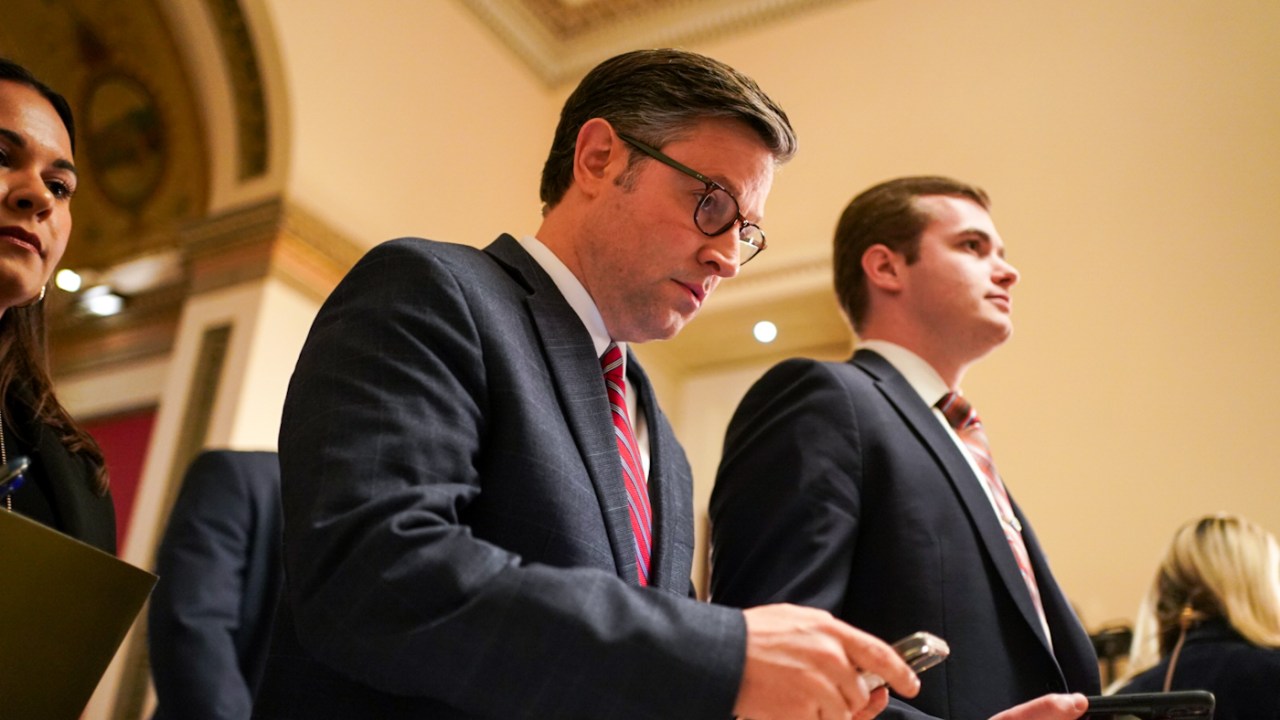
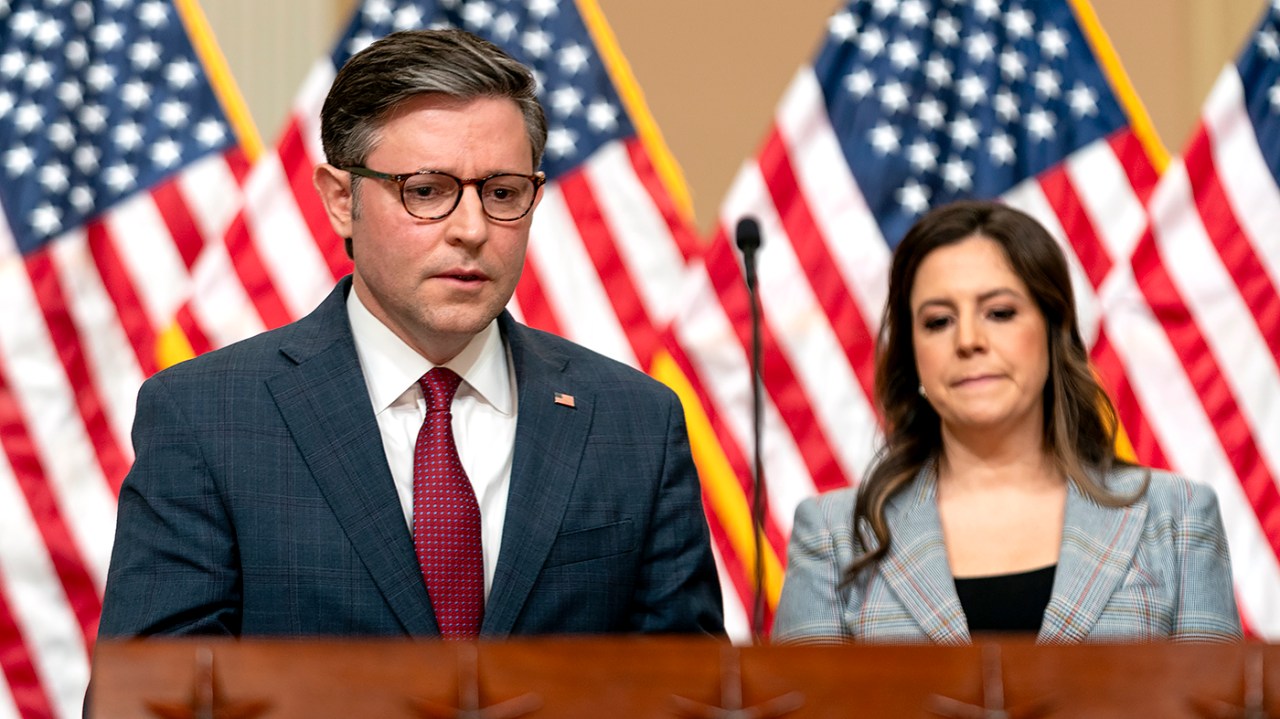
The House approved a two-year extension of the Foreign Intelligence Surveillance Act (FISA) in a bipartisan vote, declining to attach an amendment requiring a warrant for some searches. The bill reauthorizes warrantless surveillance powers and includes reforms to FISA Section 702, but the failure to include the warrant requirement amendment has sparked debate. Speaker Mike Johnson faced challenges in facilitating compromise on the controversial topic, and the bill's passage marks a win for him. The road ahead remains rocky for Johnson as he navigates a contentious debate over sending aid to Ukraine and faces a threat by Rep. Marjorie Taylor Greene to force a vote on ousting him.
The House has passed a bill to renew a portion of the Foreign Intelligence Surveillance Act (FISA) known as Section 702 for two years, following a conservative revolt that initially prevented the legislation from reaching the floor. The reauthorization, which allows the U.S. government to collect foreign intelligence without a warrant, faced opposition from some Republicans who sought more significant reforms. The bill's passage comes after months of GOP divisions over the FISA surveillance program, with concerns raised about civil liberties violations and the FBI's use of the intelligence repository.
The House passed a modified surveillance bill, reauthorizing the Foreign Intelligence Surveillance Act, after an earlier version failed. The bill now goes to the Senate, with a two-year reauthorization instead of five years. House Speaker Mike Johnson, facing challenges to his leadership, organized a classified reading room for members to view information ahead of the vote. The final vote was 273-147, with bipartisan support. The White House reiterated its support for the reauthorization, emphasizing its importance for national security.
The House passed a rule to reauthorize Section 702 of the Foreign Intelligence Surveillance Act, which allows the U.S. government to collect electronic communications of non-Americans without a warrant. After a previous setback, hard-line Republicans regrouped and advanced a new version of the bill for a two-year reauthorization. The White House strongly supports the reauthorization but opposes an amendment that would require a warrant to access data from Americans communicating with foreign targets. The amendment, backed by both progressive and far-right Republicans, will be one of six considered before final passage.
The House advanced a revised bill to reauthorize the U.S.'s warrantless surveillance authority, setting up a final vote on reauthorizing Section 702 of the Foreign Intelligence Surveillance Act (FISA) for two years with added reforms. The bill includes amendments, including one for a warrant requirement before the government can review information collected on Americans. The advancement follows a previous version being blocked by conservative Republicans, prompting negotiations and changes to the legislation to address concerns and secure support.
House Republicans are divided over the reauthorization of the Foreign Intelligence Surveillance Act (FISA), with a faction blocking its passage due to concerns about the lack of protections for Americans' privacy. The program, which allows intelligence agencies to spy on foreign nationals' communications, is set to expire soon. President Trump's influence and false information have affected the debate, and the timing of resolving the issue is complicated by other pressing matters in Congress.
Frustrations are mounting within the GOP as 19 Republicans blocked legislation to reauthorize the government’s surveillance powers, leading to a chaotic conference meeting and leaving GOP leaders scrambling for a Plan B before the powers expire next week. The internal tensions stem from disagreements over a warrant requirement in the legislation, with some Republicans frustrated by their colleagues' actions. The House is facing a deadline to reauthorize FISA, and the internal opposition has left GOP leaders with few options to break the logjam.
A bill to reauthorize a national security surveillance program was blocked by a conservative revolt in the House, leading to uncertainty about its passage before the April 19 deadline. The bill aimed to renew the program with reforms, but faced criticism from both Republicans and Democrats. Former President Donald Trump urged to "kill" the measure, citing misuse against his campaign. The program, known as Section 702 of the Foreign Intelligence Surveillance Act, has been controversial due to concerns about civil liberties violations and FBI abuses. Despite the looming deadline, the Biden administration expects the program's authority to remain operational for another year.
Former Senator Rick Santorum and Senator Ben Cardin are urging Republicans and Democrats to unite in reauthorizing the President's Emergency Plan for AIDS Relief (PEPFAR), a bipartisan program that has saved 25 million lives and prevented 5.5 million babies from being born HIV-positive. Despite allegations that PEPFAR supports abortion, the program's supporters emphasize that it is about saving lives and has provided stability, economic prosperity, and stronger relations with the United States in African nations. The obstruction of PEPFAR's reauthorization threatens its future role in the global fight against HIV/AIDS.
The Department of Defense is urging Congress to reauthorize Section 702 of the Foreign Intelligence Surveillance Act (FISA) before it expires in December. Section 702 allows intelligence collection on non-U.S. persons abroad who use U.S. communications services and have foreign intelligence value. Intelligence obtained through Section 702 has been crucial in protecting American servicemembers, providing insights on the battlefield, and addressing threats from countries like China and Russia. Failure to reauthorize Section 702 would limit the U.S. intelligence community's ability to deliver critical threat reporting and intelligence to policymakers, jeopardizing national security and the safety of military personnel.
Negotiations for the reauthorization of the President's Emergency Plan for AIDS Relief (PEPFAR), a successful U.S. global HIV/AIDS relief program, have reached a stalemate in Congress. The deadlock stems from a divide between Republicans who accuse the Biden administration of using PEPFAR to fund abortion providers overseas and House Democrats who refuse to reinstate Trump-era rules that prohibited foreign aid going to groups that provide or counsel on abortions. Talks have also stalled in the Senate, and the best hope for reauthorization now lies in the government spending process, which is expected to drag into early 2024. The 2024 election further complicates the issue, with some Republicans opposing a long-term reauthorization to prevent restrictions from being tied to a future conservative president. Without a long-term commitment, groups fighting HIV and AIDS worldwide will struggle to hire staff and launch long-term projects.
Former President George W. Bush is getting involved in the fight to save the President's Emergency Plan for AIDS Relief (PEPFAR), a global HIV-AIDS program set to expire on September 30. House and Senate Republicans are working on a bill to extend the program, despite opposition from anti-abortion and conservative groups. Bush, who helped create PEPFAR in 2003, has been reaching out to GOP members to defend the program. Reauthorization is in jeopardy as some Republicans and advocacy groups claim that PEPFAR funds flow to abortion providers, a claim that is denied by Bush, President Biden's administration, and program leaders. Without reauthorization, the program's long-term projects and staff hiring will be affected.
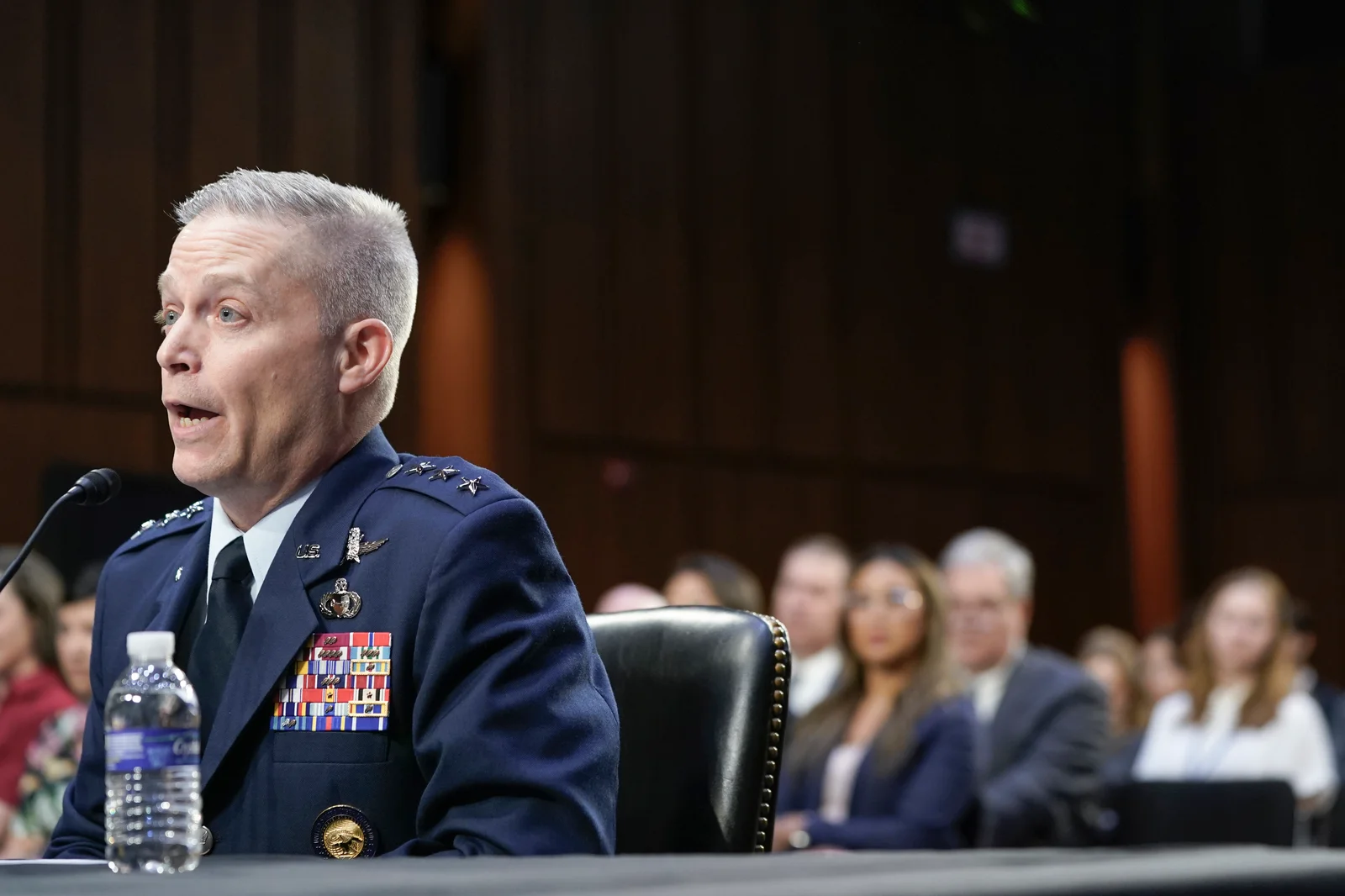
U.S. Air Force Lt. Gen. Timothy Haugh, President Joe Biden's nominee to lead the National Security Agency and U.S. Cyber Command, urged the Senate Intelligence Committee to reauthorize Section 702 of the Foreign Intelligence Surveillance Act, a controversial surveillance authority set to expire at the end of the year. Haugh argued that despite past misuse against Americans, Section 702 remains essential for providing intelligence to the highest levels of government. While some members of Congress support an extension, others are calling for significant reforms to the program, which allows intelligence agencies to monitor the electronic communications of foreigners abroad. Haugh also pledged not to weaken encryption for Americans and emphasized the need to invest in new technologies and cybersecurity to counter threats from countries like China and Russia.