A bill to reauthorize a national security surveillance program was blocked by a conservative revolt in the House, leading to uncertainty about its passage before the April 19 deadline. The bill aimed to renew the program with reforms, but faced criticism from both Republicans and Democrats. Former President Donald Trump urged to "kill" the measure, citing misuse against his campaign. The program, known as Section 702 of the Foreign Intelligence Surveillance Act, has been controversial due to concerns about civil liberties violations and FBI abuses. Despite the looming deadline, the Biden administration expects the program's authority to remain operational for another year.
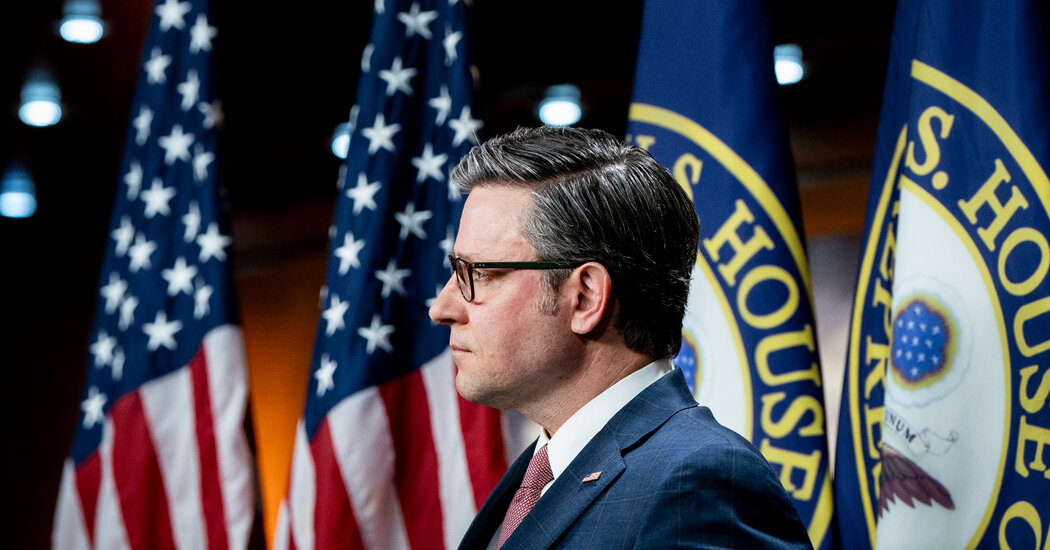
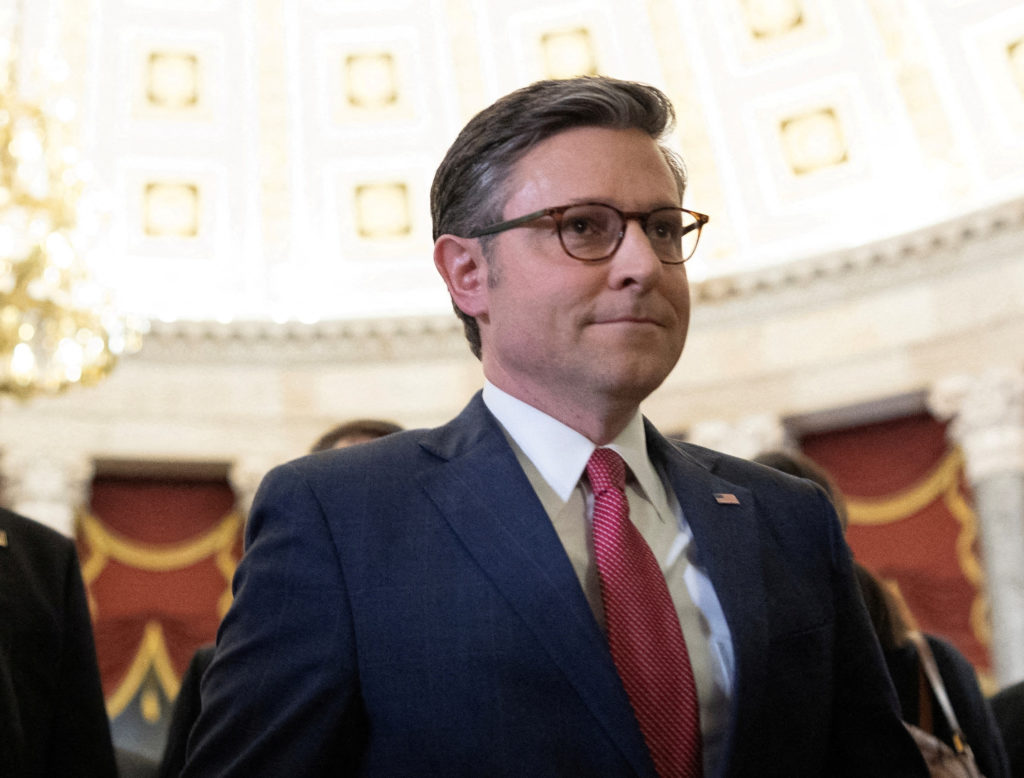
Congressional leaders are rushing to pass a $1.2 trillion bipartisan spending bill to fund the government before a midnight deadline to avoid a partial shutdown. Conservative Republicans are expressing anger over the package, with House Republican leaders working to quell defections in their ranks. Speaker Mike Johnson is relying on a coalition of Democrats and some Republicans to push the bill through the House, but its passage remains uncertain. The legislation, which includes funding for various government departments, has sparked controversy and opposition from ultraconservatives.
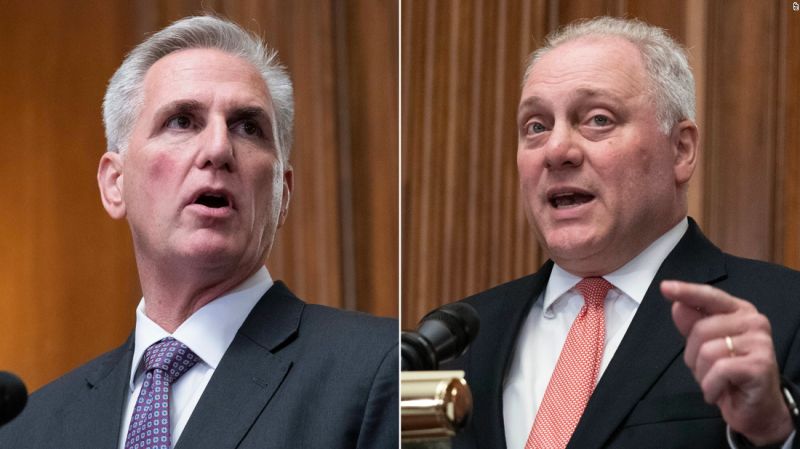
Tensions have erupted in the House GOP as party leaders squabble over hardliners' demands, with top Republicans blaming each other for Tuesday's surprise floor defeat when a band of Republicans tanked a procedural vote on a GOP messaging bill. Allies of Speaker Kevin McCarthy have directed their frustration at his top deputy, House Majority Leader Steve Scalise, for mishandling a demand by a conservative hardliner, Rep. Andrew Clyde of Georgia, for a vote on a bill to loosen a gun regulation. Meanwhile, Scalise's allies believe it falls on McCarthy, whose deal-cutting with President Joe Biden to suspend the debt limit prompted accusations from the far-right that he violated the terms of his January agreement to become speaker.
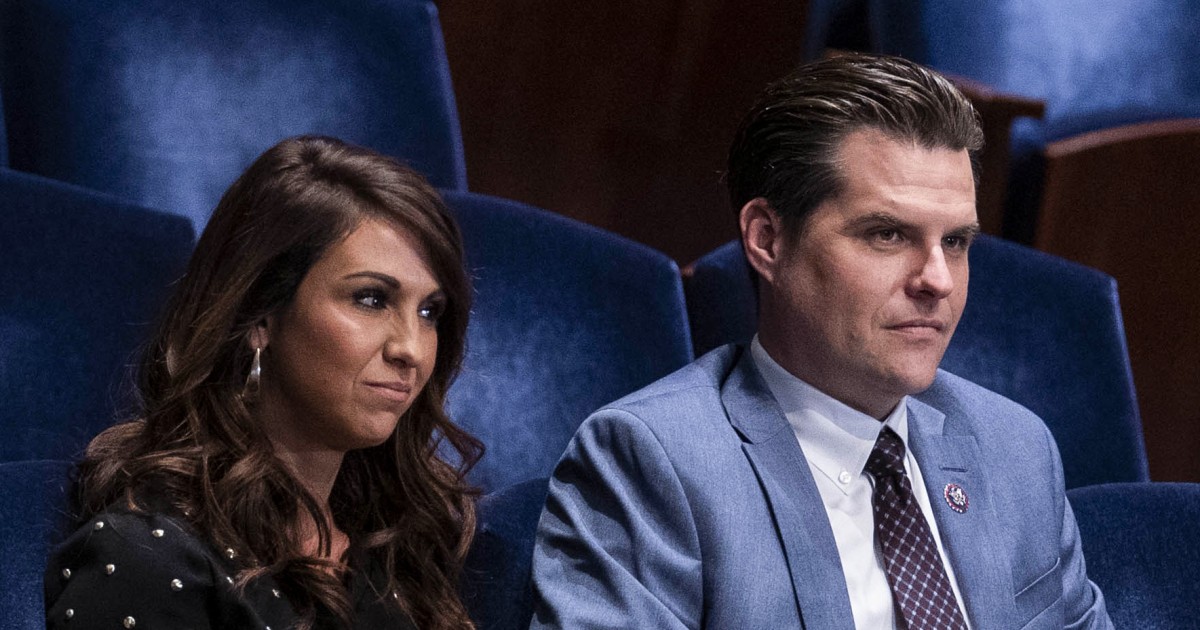
A group of conservative House members, including Reps. Matt Gaetz and Lauren Boebert, are blocking several bills from moving forward in protest of Speaker Kevin McCarthy's handling of the debt deal he struck with President Joe Biden. The conservatives accuse GOP leaders of retaliating against Rep. Andrew Clyde for voting against the rule on the debt package last week. The revolt has ground legislating on the chamber floor to a halt, undermining the GOP majority and McCarthy's power. It is unclear what the conservatives are demanding of leadership.
House Republican leadership may hold another vote to advance legislation related to gas stoves and regulatory reform after an extraordinary conservative revolt blocked the bills from moving to the floor one day earlier. The vote is scheduled to take place less than 24 hours after 11 conservative lawmakers, most of whom are members of the House Freedom Caucus, opposed the same rule, a rare move for members of the majority party that was done in retaliation for the debt limit deal McCarthy cut with President Biden that was signed into law over the weekend.
Conservative lawmakers are pushing back against the emerging deal on the debt ceiling between President Biden and House Speaker Kevin McCarthy, arguing that McCarthy failed to extract sufficient concessions from the Biden administration in exchange for raising the debt ceiling. Negotiators are closing in on an agreement that would raise the debt ceiling by two years while essentially freezing government spending on domestic programs and slightly increasing funding for the military and veterans affairs. The conservative revolt could prove crucial to the ongoing debt ceiling standoff, as well as McCarthy’s future.