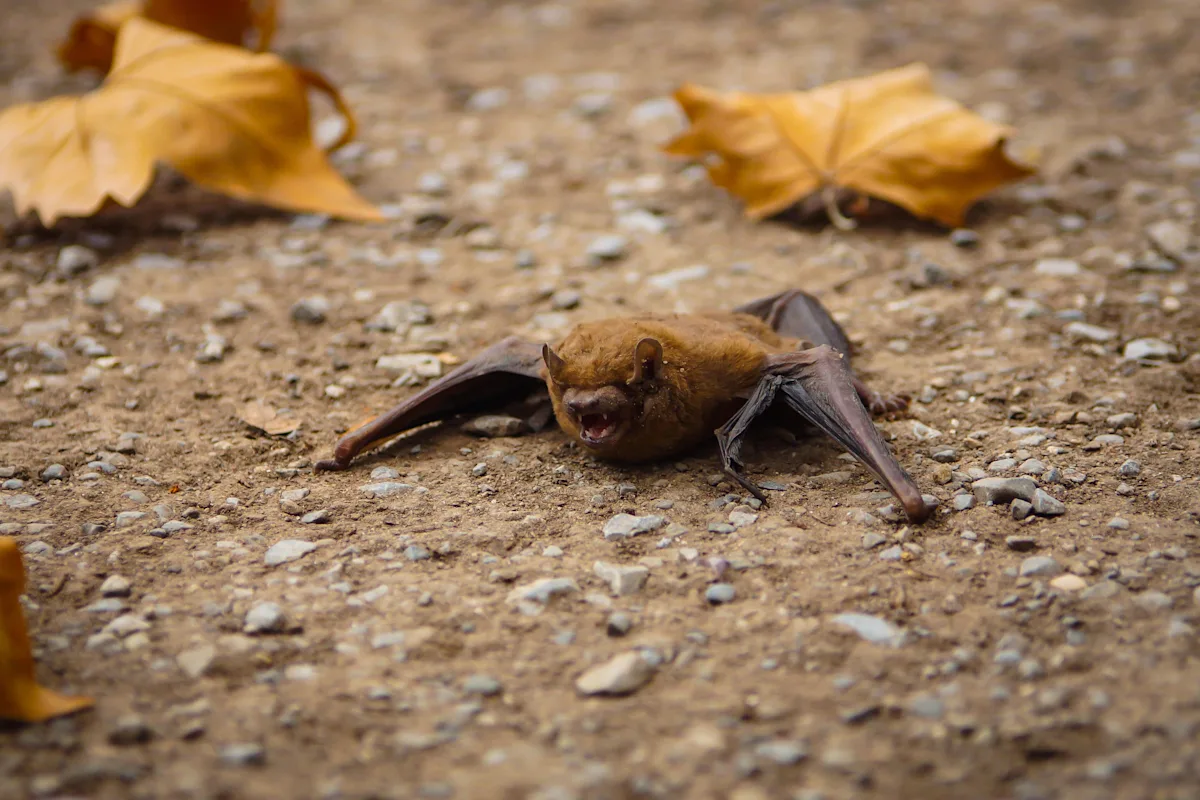
An Australian man in his 50s died after being infected with the rare and deadly Australian bat lyssavirus, transmitted through a bat bite, highlighting the risks of handling bats and the absence of effective treatment for the virus.
A 12-year-old girl, Ansley 'Payce' Chappell, who was a student at Dacusville Middle School, passed away from a rare bacterial meningitis infection, prompting a community memorial gathering to honor her life.
A Lee County man continues to battle a rare mycobacterial infection following Hurricane Ian, which flooded his neighborhood and created a perfect storm for infection after he received injections for carpal tunnel syndrome. The unique pathogen took months to identify, and he's still undergoing a complicated combination of antibiotics, with the course of therapy expected to take another year. Thanks to the efforts of an infectious disease specialist, his hands are healing, and the recovery is in progress.
A 17-year-old girl from Georgia has died after contracting a rare brain infection known as brain-eating amoeba, likely from swimming in a freshwater lake. Despite doctors' aggressive efforts to save her, the infection caused by Naegleria fowleri proved fatal. This microscopic parasite, found in warm bodies of water, enters through the nose and travels to the brain. The infection is rare but almost always deadly. Concerns are rising about the potential increase in such infections due to climate change. Early symptoms include fever, headache, and a stiff neck. To prevent infection, it is advised to avoid jumping or diving into water, hold the nose, or wear nose clips.
A 17-year-old girl from Georgia has died after contracting a rare brain infection known as brain-eating amoeba, likely from swimming in a freshwater lake. Despite doctors' aggressive efforts to save her, the infection caused by Naegleria fowleri proved fatal. This microscopic parasite, found in warm bodies of water, enters through the nose and travels to the brain. The infection is rare but almost always deadly. Concerns are rising about the potential increase in such infections due to climate change. Early symptoms include fever, headache, and a stiff neck. To prevent infection, it is advised to avoid jumping or diving into water, hold the nose, or wear nose clips.
Megan Ebenroth, a highly driven 17-year-old from Georgia who dreamed of attending the University of Georgia, tragically died from a rare brain infection caused by the brain-eating amoeba Naegleria fowleri. The amoeba, found in warm freshwater lakes and rivers, destroys brain tissue and is usually fatal. Megan's death highlights the seriousness of this infection, which is difficult to diagnose and treat. Public health officials have not disclosed the location where Megan was exposed, but warn that the amoeba can exist in any body of freshwater. Only four people with confirmed cases have survived out of the 157 reported cases in the US since 1962.
A 2-year-old toddler in Nevada has died from a rare brain-eating amoeba called Naegleria fowleri. The child may have contracted the infection at a natural hot spring in Lincoln County, Nevada. Naegleria fowleri enters the body through the nose and can cause a brain infection that destroys brain tissue. Infections are incredibly rare, with less than eight cases reported annually, but the fatality rate is high at 97%. The majority of cases occur in males under 14 years old, and most infections happen during the summer months. With rising temperatures due to climate change, there is a concern that Naegleria fowleri infections may become more common. The CDC recommends avoiding activities that allow freshwater to go up the nose to prevent infection.
A 31-year-old mother from Wisconsin has died from blastomycosis, a rare fungal infection caused by the fungus blastomyces. The infection, mainly found in soil in wooded areas, is spreading rapidly across the US. The rarity of the condition led to a delayed diagnosis, and the family is now raising awareness to prevent others from experiencing the same tragedy. Deaths from blastomycosis infections are increasing, with a death rate of 23 percent reported in 2021. The fungus can be inhaled and cause respiratory failure, and symptoms include cough, fever, and chest pain. The family has set up a GoFundMe to celebrate the life of the deceased.
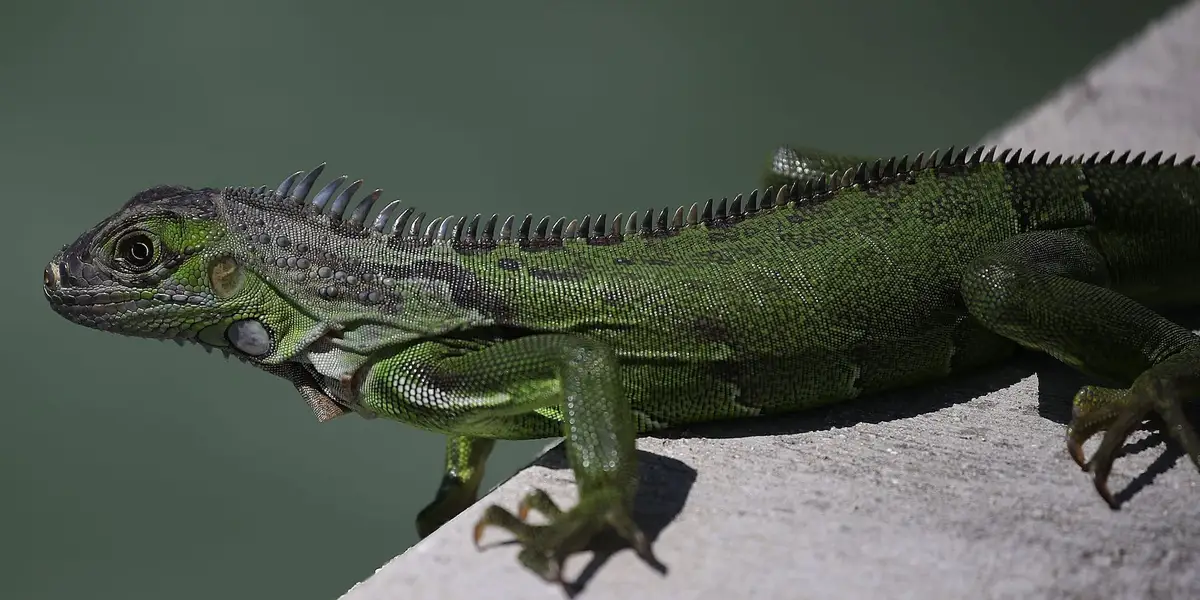
A 3-year-old girl was bitten by an iguana in Costa Rica while eating cake, and five months later, a cyst began to grow on the site of the bite. The girl was infected with a rare bacteria, Mycobacterium marinum, which is typically found in fish and rarely infects humans. This may be the first time a human has contracted the infection from an iguana bite. The infection does not respond well to typical antibiotics, but the girl is improving with treatment.