conflictpolitics1.26 min read
"Hamas Deputy Military Chief Targeted and Wounded in Israeli Strike, Fate Unclear"
1 year ago•Source: The Jerusalem Post

The latest conflictpolitics stories, summarized by AI
Yahya Sinwar, leader of Hamas in Gaza, has reportedly lost contact with other Hamas leaders "weeks ago" and is believed to be hiding in Khan Yunis, according to Israeli military sources. Israeli forces are targeting Hamas infrastructure in Khan Yunis and are preparing for a potential ground sweep in Rafah. The military claims to have killed, wounded, and captured numerous Hamas fighters, significantly weakening the group's presence in Khan Yunis. The situation is being closely monitored by Cairo, and the military remains committed to its operations in the area.
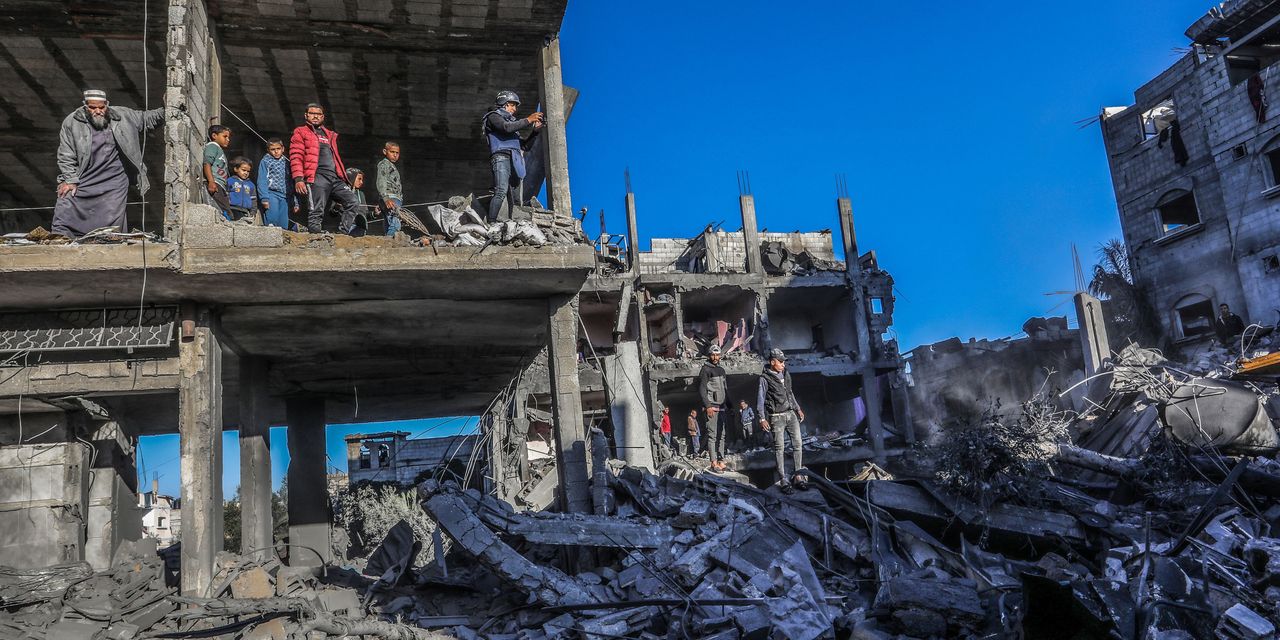
Palestinians in the Gaza Strip are starting to criticize Hamas for provoking Israel's attacks and failing to protect the population from the devastating war and worsening humanitarian crisis.
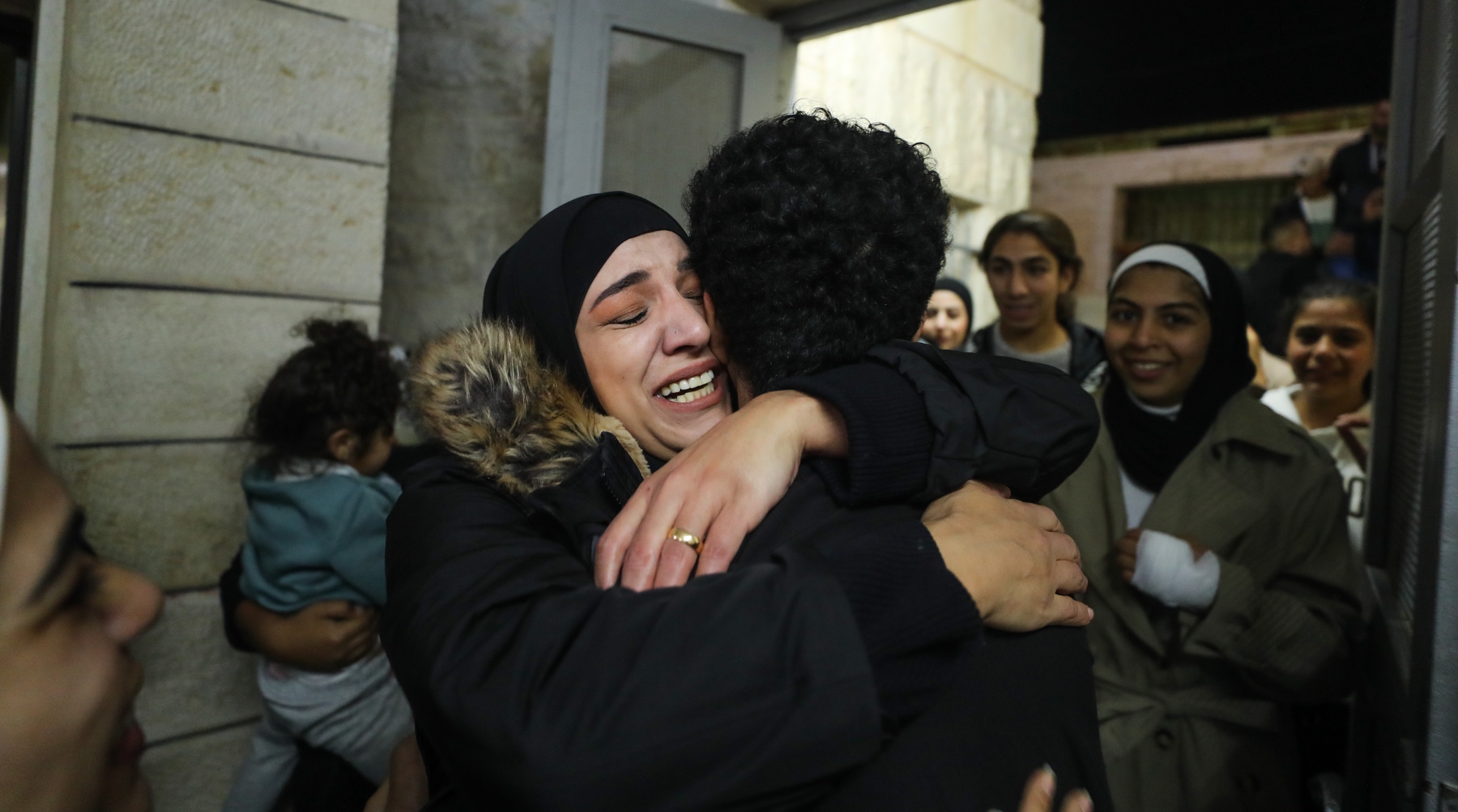
A recent poll shows that nearly three-quarters of Palestinians support Hamas' Oct. 7 attack, which has been used by Israeli officials to justify their war in Gaza. The survey also reveals increased support for Hamas and violence as a means to end the Israeli occupation. Analysts argue that the lack of sustained peace negotiations and the perception that diplomacy is not viable have led Palestinians to turn to violence. The poll also highlights the denial of mass atrocities committed during the attack and the declining support for the Palestinian Authority. The results underscore the need for a strong Palestinian leader who repudiates violence and long-term efforts to promote peace.
A poll conducted by the Israel Democracy Institute reveals that a majority of Israeli Jews prioritize the demolition of Hamas over the well-being of Gazan civilians, while expressing concerns about the fate of over 100 Israeli hostages held in Gaza. In contrast, Israeli Arabs believe that the suffering of Gazans should be taken into account to a large extent. The poll also highlights differing opinions on the IDF's adherence to international laws, with a majority of Jews believing that the IDF is making an effort, while most Arabs disagree. Additionally, the poll indicates that anti-Israel demonstrations are viewed as antisemitic by Jews, while Arabs attribute them to civilian casualties and property destruction. Furthermore, the survey shows that a significant number of Israelis doubt the existence of a clear plan for Gaza after the war, and a majority of respondents express a desire for fresh elections after the conflict.
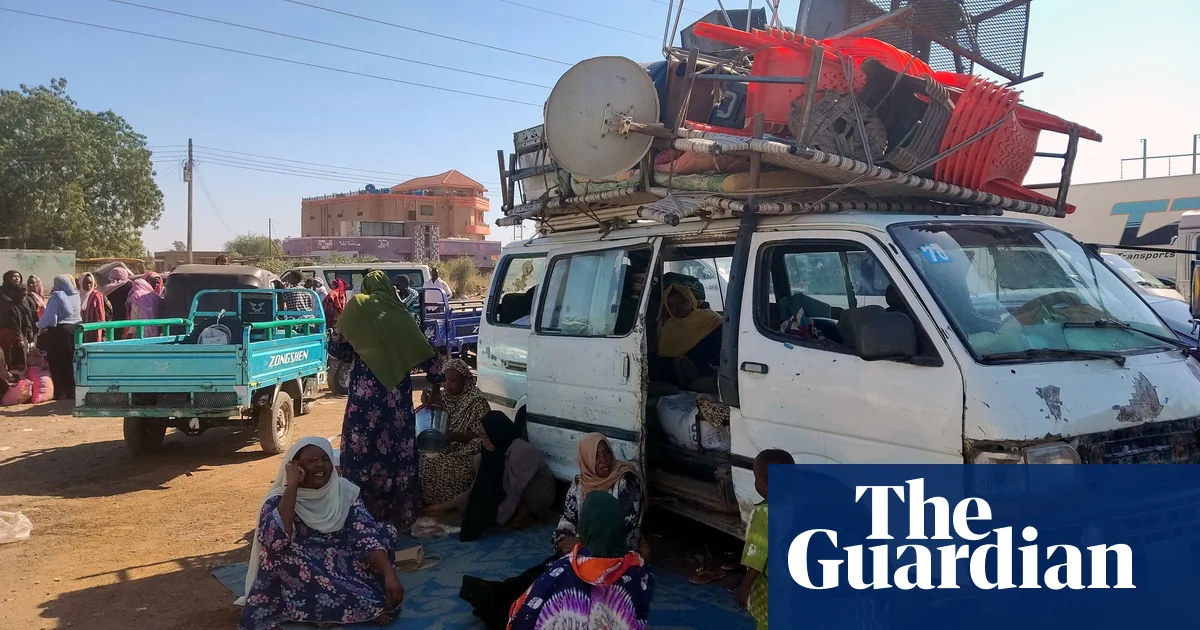
Sudan's paramilitary Rapid Support Forces (RSF) have seized control of Wad Madani, the country's second city, after intense fighting. The RSF's advance led to looting and arrests based on ethnicity, causing thousands to flee. Aid organizations suspended their work, exacerbating the already dire humanitarian crisis in Sudan. The war between the regular army and the RSF has resulted in over 10,000 deaths and forced six million people to flee their homes. The RSF has gradually taken control of major cities, while regional efforts to stop the conflict have failed.

The Democratic Republic of Congo is facing a long-standing conflict that has resulted in the displacement of over six million people and claimed the lives of six million more. The region is plagued by over 100 armed groups, foreign interference, corruption, and widespread violence. The upcoming election is exacerbating tensions, with President Felix Tshisekedi stoking hostility towards neighboring Rwanda. The situation has led to a dire humanitarian crisis, with over half a million people fleeing their homes and facing food shortages, disease outbreaks, and sexual violence. Aid groups struggle to draw attention to the suffering in Congo, despite the scale of the crisis.

In the wake of the recent deadly Hamas attack, Israel's extremist settler fringe sees an opportunity to expel Palestinians and expand Jewish settlements in the occupied territories, further undermining the viability of a two-state solution. The attack has emboldened the settlers, providing them with more resources and political support. Settlers have been increasingly carrying out attacks on Palestinians with a sense of impunity, displacing over 1,200 people. Some Zionist organizations are advocating for a return to the Gaza settlements from which they were expelled in 2005. The settlers' actions are becoming more legitimized and have entered the Israeli mainstream, threatening the prospects of peace.
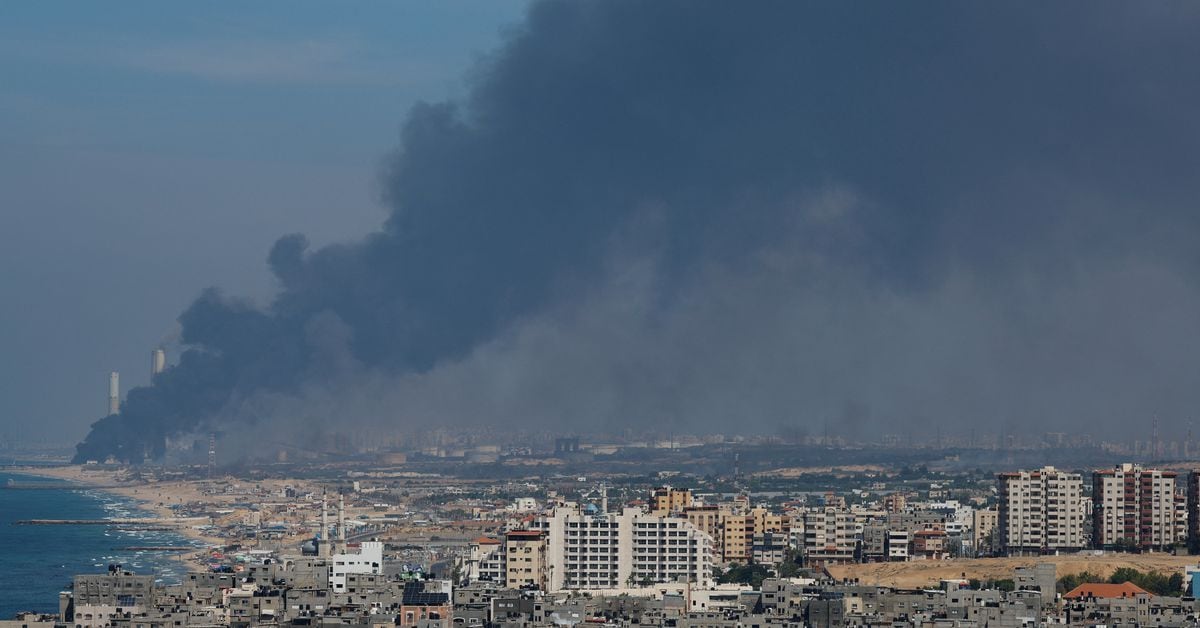
A survey conducted by the Palestinian Center for Policy Survey and Research (PCPSR) reveals that nearly three-quarters of Palestinians believe the October 7 attack by Hamas on Israel was justified, leading to increased support for the Islamist group in both Gaza and the West Bank. The poll also shows that satisfaction with Hamas's role in the ongoing Gaza war is high, while support for Palestinian Authority President Mahmoud Abbas has declined. The survey highlights the growing civilian toll in the Israeli counter-offensive against Hamas, with thousands of Palestinians killed and displaced.
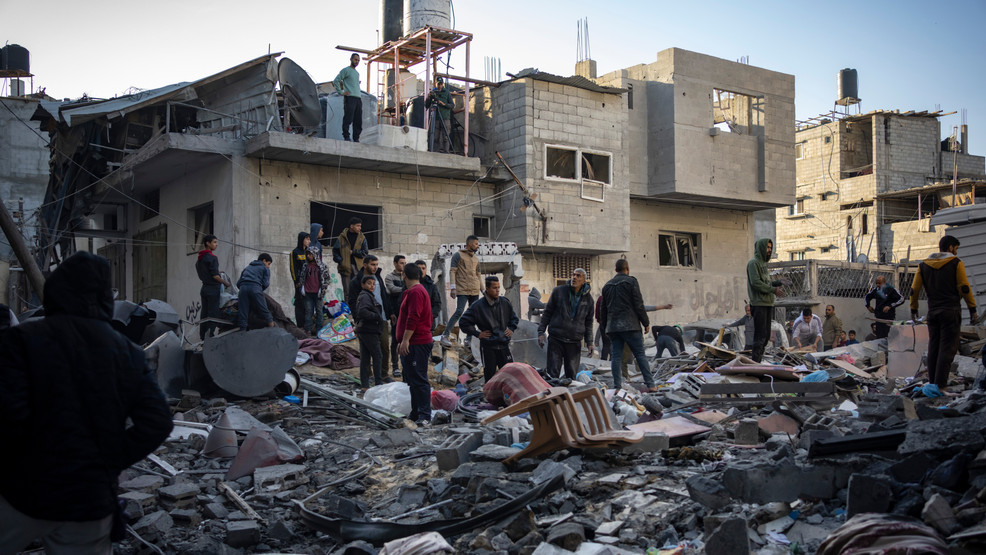
A recent poll conducted in the West Bank and Gaza Strip shows that a majority of Palestinians support Hamas's terrorist attacks on Israel on October 7. The poll also reveals that Palestinians believe Israel is committing war crimes, while only a small percentage believe the same of Hamas. Additionally, respondents believe that Israel's objective is to destroy the Gaza Strip and that its actions will lead to a second "Nakba." Similar sentiments are found among U.S. college students, with approximately one in five sympathizing with Hamas. The majority of Palestinians do not believe Israel will succeed in destroying Hamas, and a significant number do not believe international law allows the killing of civilians or the bombing of hospitals.
British journalist Douglas Murray discusses his coverage of the Israel-Hamas war, highlighting the prevalence of lies and misinformation in media portrayals of the conflict. Murray criticizes the lack of knowledge and nuance among journalists covering the Israel-Palestinian conflict, pointing out the biases and ignorance that shape their reporting. He also addresses the issue of mass migration and the challenges it poses, as well as the presence of Hamas leaders in the UK and the rise of antisemitism. Murray concludes by comparing the moral stance of AI to that of the president of Harvard, highlighting the failure of university leaders to condemn calls for genocide.
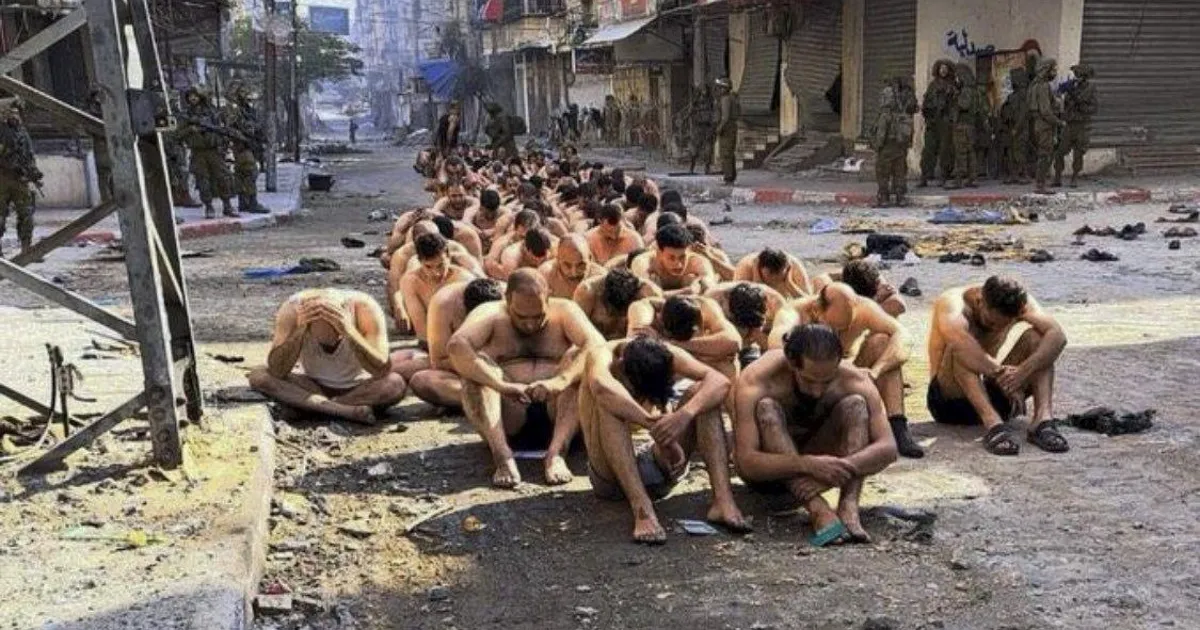
Experts argue that even a photo of Hamas leader Yahya Sinwar's death would not erase the sense of loss caused by the disturbing images from the ongoing Israeli-Palestinian conflict, highlighting the significance of war imagery and symbolism.