The article reports on the ongoing brutal conflict in El Fashir, Darfur, where families are being killed, held hostage, and extorted for ransom by the Rapid Support Forces amid a broader civil war in Sudan involving regional powers, with evidence of ethnic violence and potential genocide.
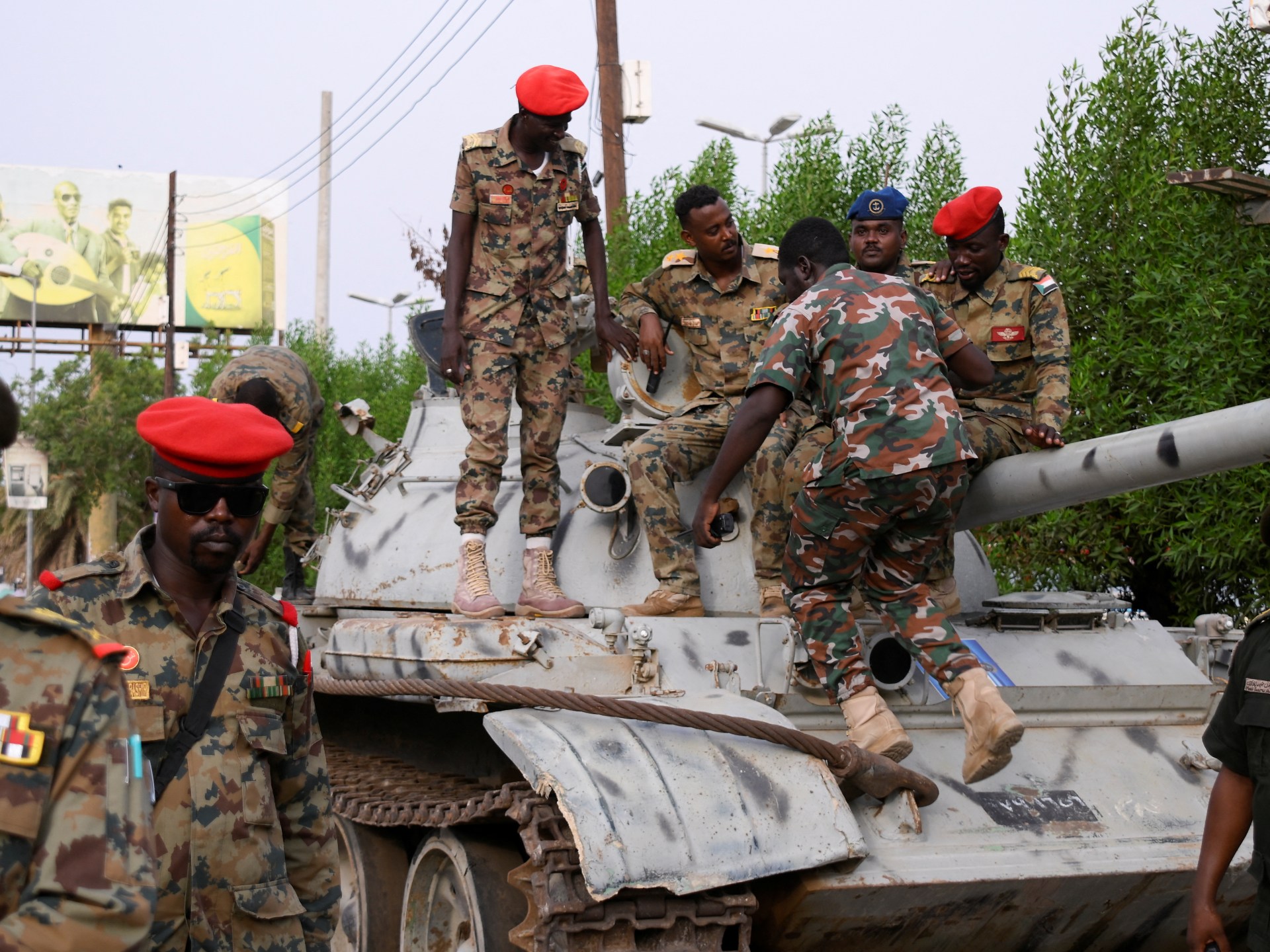
Fears are rising that Sudan's civil war between the army and the paramilitary Rapid Support Forces (RSF) could escalate into all-out ethnic violence in Darfur. The Joint Protection Forces (JPF), tasked with security in the region, have deployed reinforcements to protect civilians from possible attacks by the RSF, whose fighters mostly come from Arab tribes. The RSF has already defeated the army in four of Darfur's five states, committing atrocities such as killing civilians and subjecting women to sexual violence. The situation in North Darfur is particularly tense, with concerns that the RSF's capture of the region could lead to further violence and spillover into neighboring Chad.
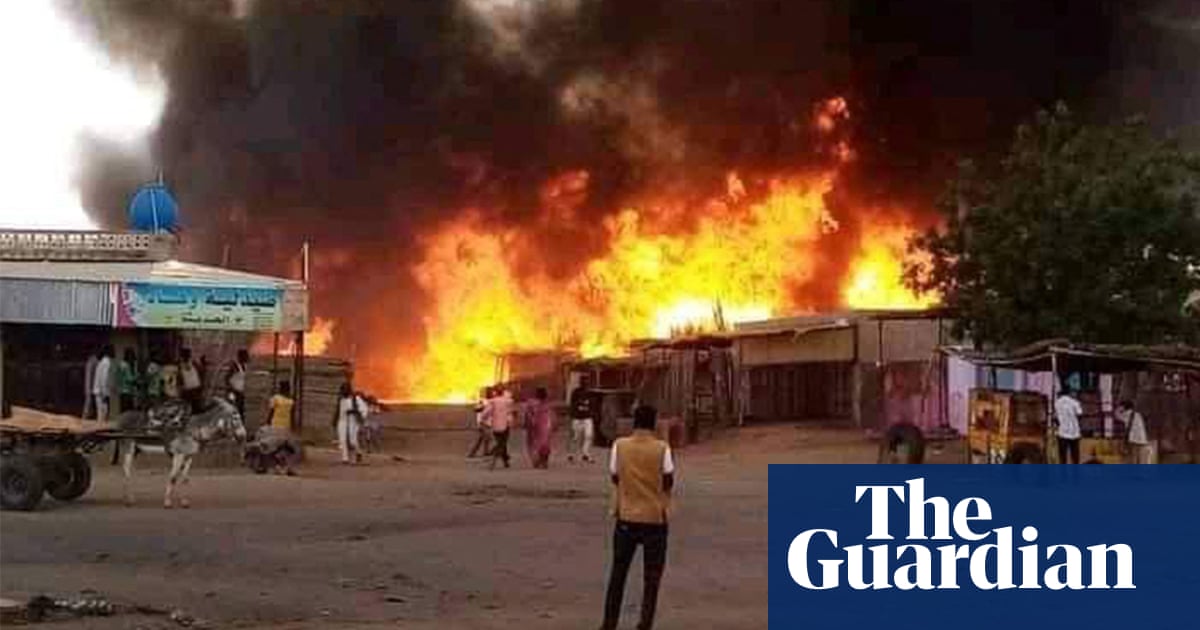
Sudan's Rapid Support Forces (RSF) paramilitaries have been accused of carrying out a genocide in west Darfur, targeting the Masalit ethnic group. The RSF fighters have been rounding up and killing people, burning down homes, and forcing survivors to bury the dead. Satellite imagery and videos have provided evidence of attacks on civilians. The RSF, led by Mohamed Hamdan Dagalo, has been in conflict with Sudanese Armed Forces (SAF) loyal to General Abdel Fattah al-Burhan, resulting in thousands of deaths and millions displaced. The RSF now controls most of the Darfur region. The UN warns of a potential repeat of the Darfur genocide in the 2000s, with a cycle of violence and complete lawlessness. The RSF denies responsibility for the violence. The conflict has created a humanitarian crisis, with shortages of water and medication, and displacement of people in El Fasher.
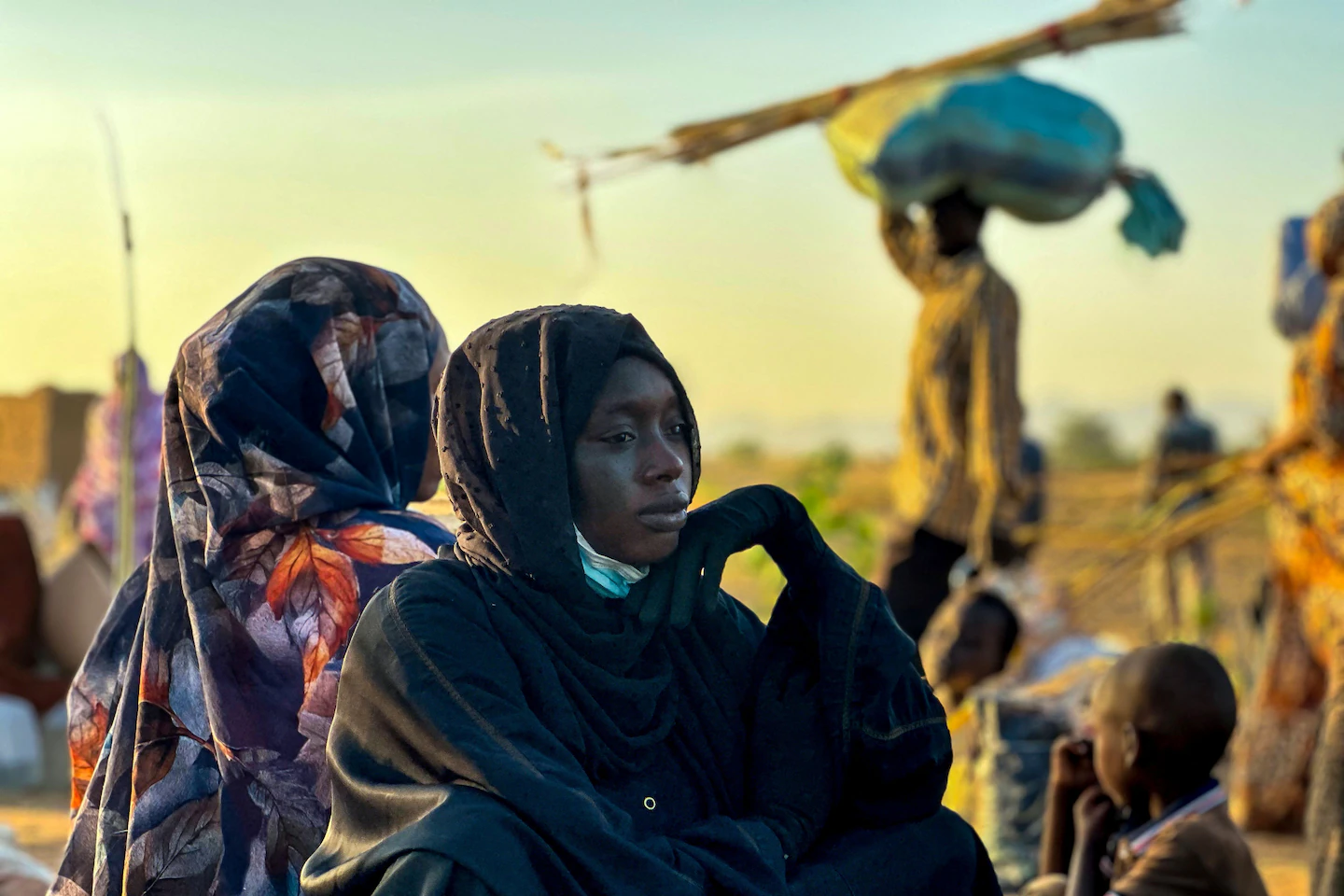
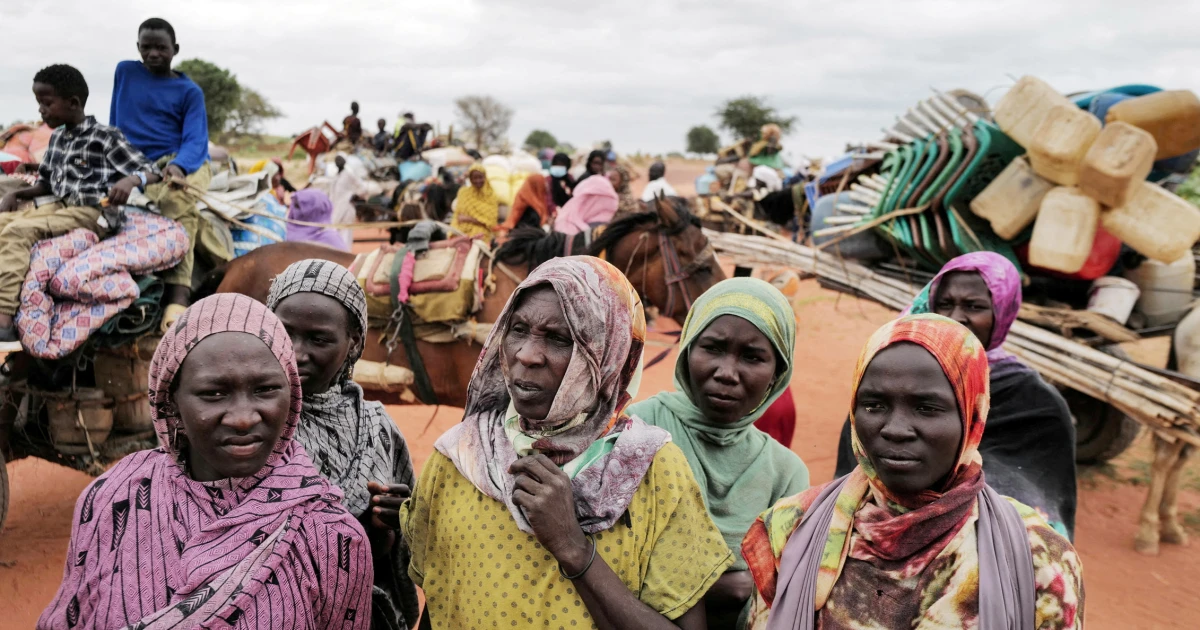
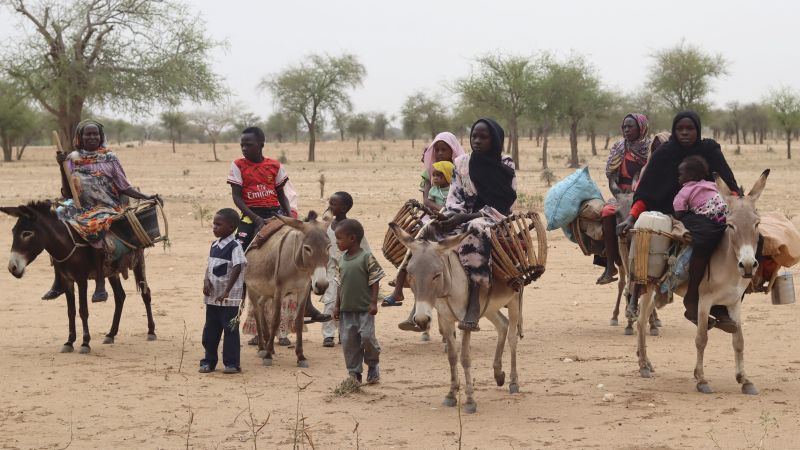
Refugees in Chad recount the violence they experienced while fleeing the civil war in Sudan, with Arab attackers targeting non-Arab Masalit people. Witnesses describe piles of bodies, rape, and summary executions, raising fears of a genocide similar to the one that occurred in Darfur in the early 2000s. The United Nations estimates that over 400,000 Sudanese have fled to Chad since mid-April, creating a growing humanitarian crisis. The conflict in Sudan has largely gone unnoticed by the Western world, with attention focused on other global issues. The International Criminal Court is now investigating allegations of war crimes and crimes against humanity in the Darfur region.
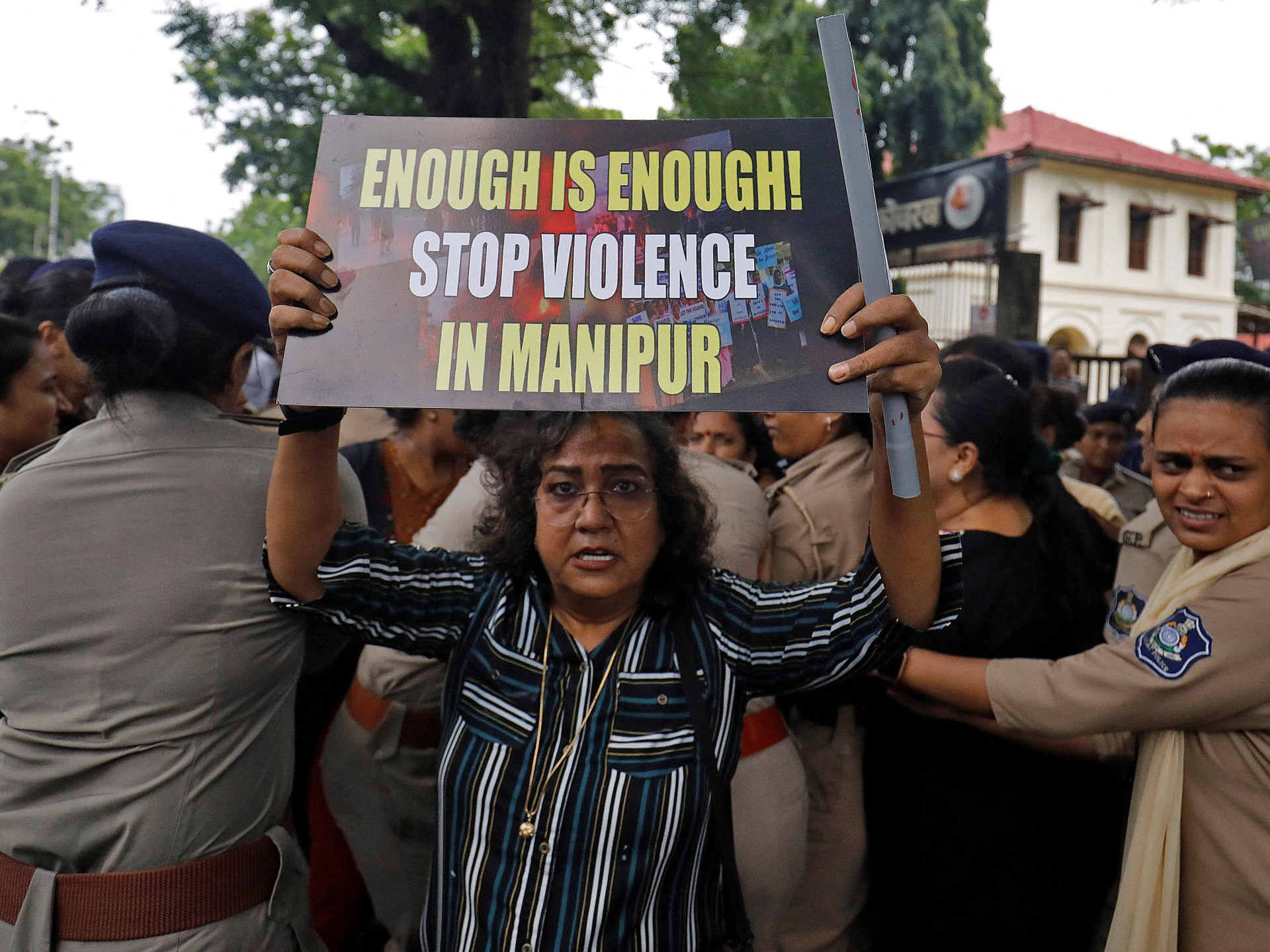
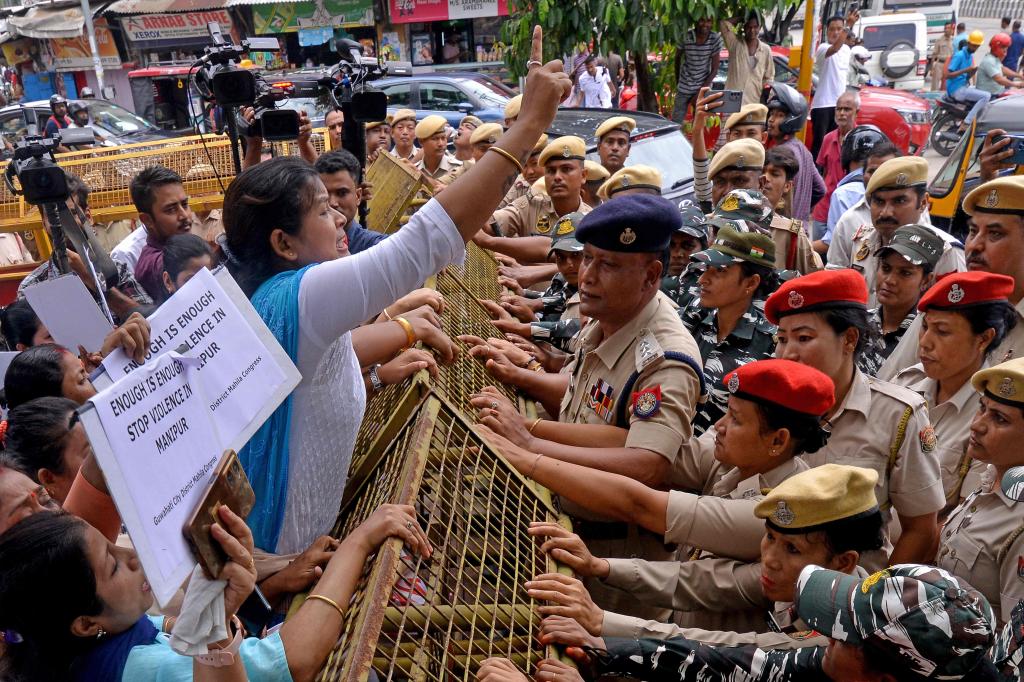
Police in Manipur, India have filed two cases against members of the Editors Guild of India (EGI), accusing them of promoting enmity between different groups and criminal conspiracy, among other charges. The cases were filed after the EGI issued a report condemning the local media's biased reporting of the months-long ethnic violence in Manipur. The report highlighted the allegedly partisan role of the state leadership in dealing with the violence. The United Nations' rights experts have criticized the Indian government's slow and inadequate response to the alleged rights violations in Manipur. Press freedom in Manipur has been under attack, with journalists facing defamation and sedition cases. The EGI report has been criticized for being biased in favor of the community that suffered greater losses, while local media reports in Manipur have been biased in favor of the dominant ethnic group. The Press Club of India has condemned the police cases against the EGI members and called for their withdrawal.
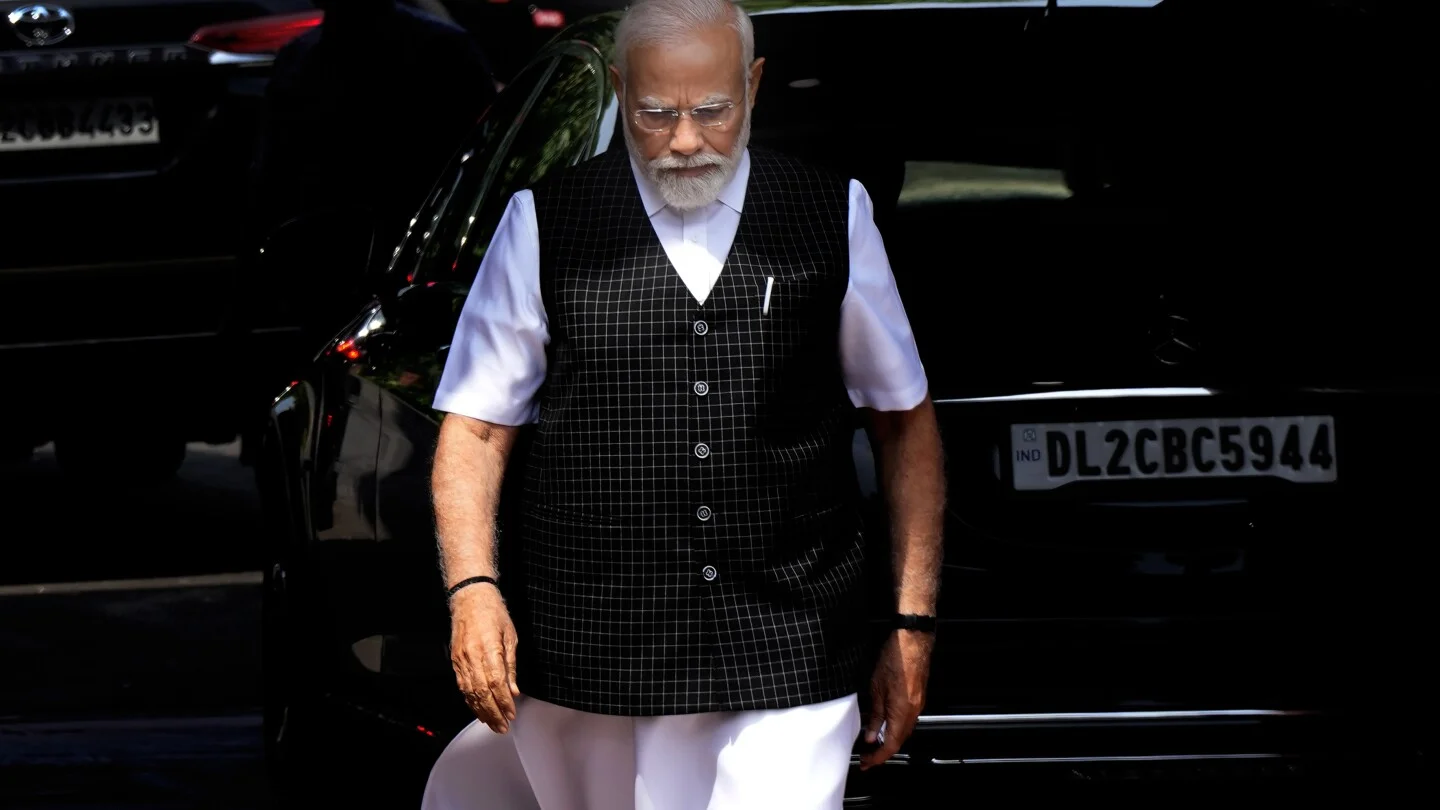
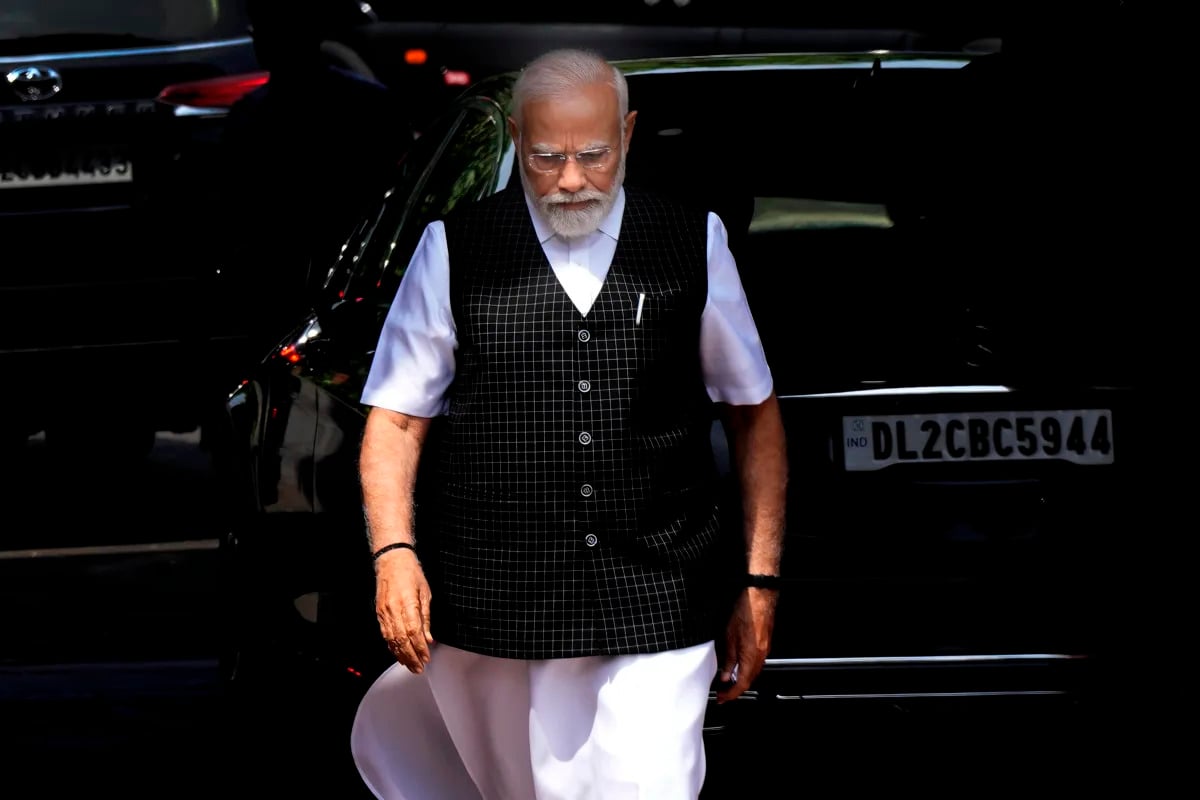
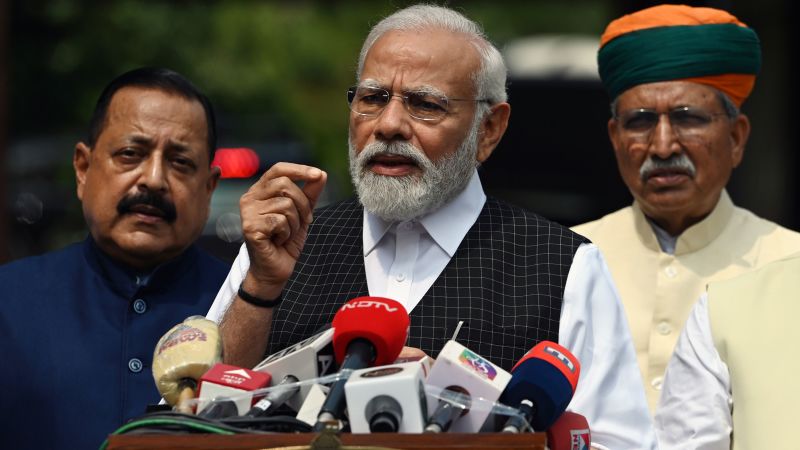
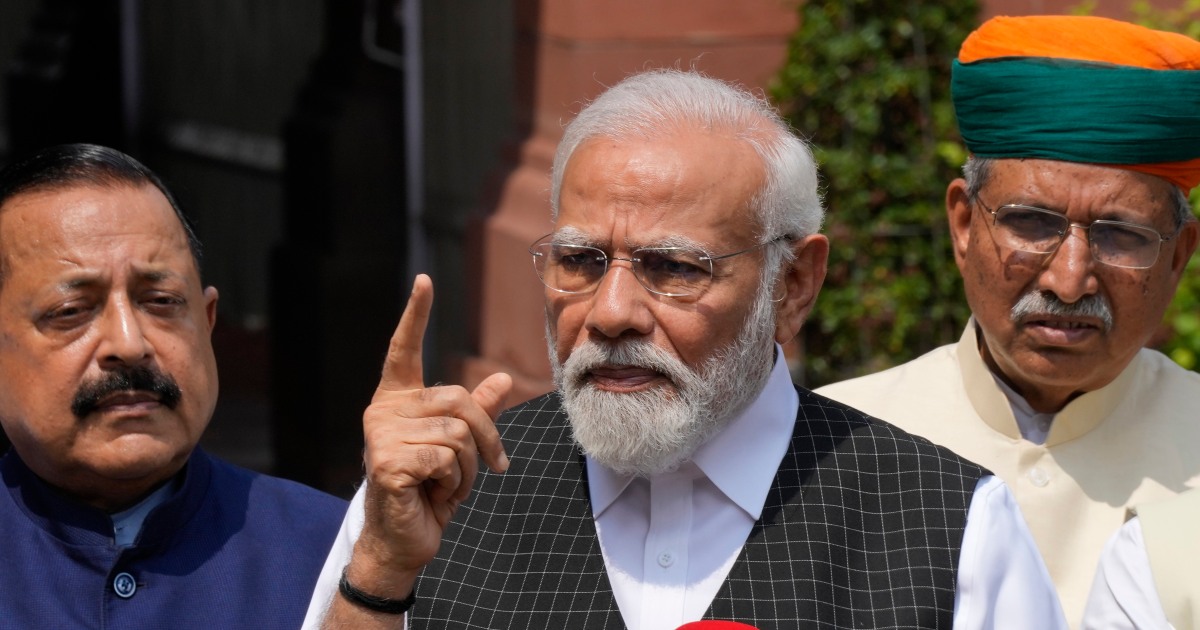
Indian Prime Minister Narendra Modi is facing a no-confidence vote in Parliament over his silence on the ethnic violence in Manipur, where his party is in power. The conflict, triggered by an affirmative action controversy, has resulted in over 150 deaths and the displacement of over 50,000 people. Critics argue that Modi's silence on such issues, including the COVID-19 Delta surge and communal violence, harms his image and shows a lack of empathy. The opposition hopes that the no-confidence motion will force Modi to address the crisis in Manipur. The violence in Manipur poses a danger to communal relations and could potentially spread to other states in India's northeast, with implications for India's defense posture against China.
Indian Prime Minister Narendra Modi is facing a no-confidence vote in Parliament over his silence on the ethnic violence in Manipur, where his party is in power. The conflict, triggered by an affirmative action controversy, has resulted in over 150 deaths and the displacement of over 50,000 people. Critics argue that Modi's silence on such issues harms his image and shows a lack of empathy. The opposition hopes that the no-confidence motion will force Modi to address the crisis in Manipur. The violence in Manipur poses a danger of spreading to other parts of India's northeast, and there are concerns about its impact on India's defense posture against China.
Four individuals have been arrested in connection with the abduction and gangrape of two women who were paraded naked through the streets by a mob in Manipur, India. The incident occurred on May 4, following deadly ethnic clashes in the state. A video of the assault went viral, sparking outrage. Prime Minister Narendra Modi condemned the assaults and vowed that the guilty would not be spared. The violence in Manipur, which has left over 130 people dead, is rooted in an affirmative action controversy between the Christian Kukis and the mostly Hindu Meiteis. The clashes have persisted despite the presence of the army, and more than 60,000 people have been displaced.
A graphic video showing two women being forced to walk naked through a crowd of men in India's Manipur state has sparked outrage and prompted Prime Minister Narendra Modi to address the ongoing sectarian conflict. The incident, which occurred on May 4, was described by police as a case of abduction, gang rape, and murder. Four people have been arrested, and investigations are ongoing. The Supreme Court has directed the government to take immediate action to hold the perpetrators accountable, while the Chief Minister of Manipur has condemned the incident and vowed to ensure the highest punishment for the culprits. The state has been grappling with ethnic violence, resulting in over 100 deaths and displacement of tens of thousands of people.
Indian Prime Minister Narendra Modi broke his silence on the deadly ethnic clashes in Manipur, expressing his outrage over the assault of two women who were paraded naked by a mob. The incident, captured in a widely shared video, drew massive public outrage. The clashes in Manipur, triggered by an affirmative action controversy, have left over 130 people dead since May. Modi called for the guilty to be punished and urged state governments to ensure the safety of women. The state police have made an arrest in the case, and a thorough investigation is underway. The Supreme Court expressed concern and demanded action from the government. Opposition parties and rights activists have criticized Modi's silence on the issue.
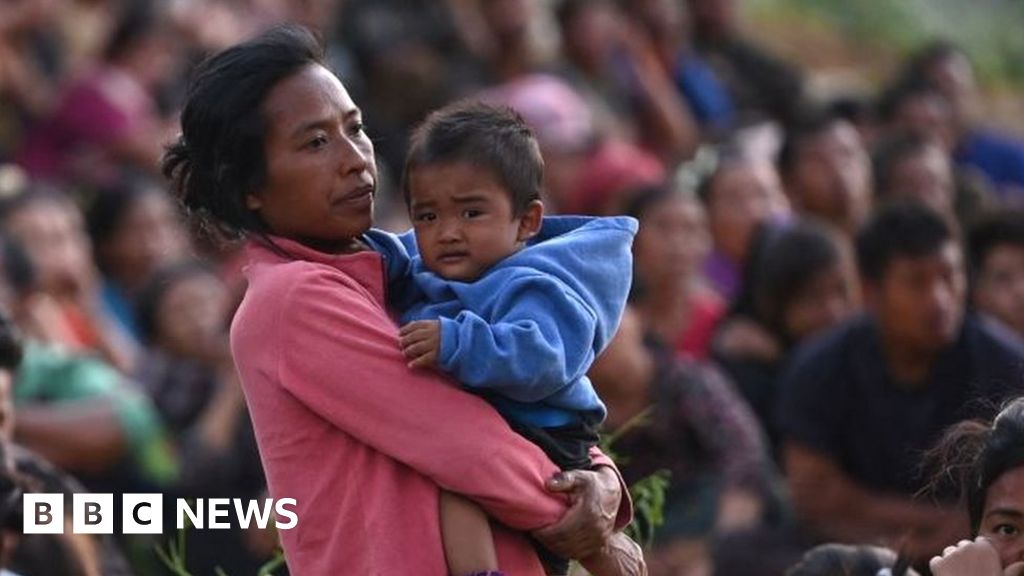
The small Indian state of Manipur is experiencing a state of civil war as the majority Meitei and minority Kuki groups clash over land and influence. The violence, which began in May, has resulted in at least 130 deaths, 400 injuries, and the displacement of over 60,000 people. Tensions escalated when Kukis protested against Meitei demands for official tribal status, leading to clashes and destruction of villages. The conflict is rooted in ethnicity rather than religion, and both sides have engaged in violence against women. The Indian government has deployed troops to the region, but the violence continues to spread.
Indian Prime Minister Narendra Modi has broken his silence on the deadly ethnic clashes in Manipur, condemning the assault of two women who were paraded naked by a mob. A video of the incident went viral on social media, sparking outrage. The violence in Manipur has resulted in over 130 deaths since May, with clashes between Christian Kukis and Hindu Meiteis over a demand for special status. Despite the presence of the army, the conflict continues, and more than 60,000 people have been displaced. The state police have made an arrest in connection with the assault, and the Supreme Court has expressed concern, urging the government to take action.
A viral video from the Indian state of Manipur showing men parading and assaulting two naked women has sparked outrage in the country. One of the women, aged 21, was gang-raped, according to the police complaint. The incident occurred after deadly ethnic riots broke out between the Meitei and Kuki-Zo tribes. The video emerged after a two-month internet ban in Manipur, and Prime Minister Narendra Modi expressed grief and anger over the incident. The Supreme Court has called for action against the perpetrators, and police have arrested one suspect. The survivors' families accuse the police of indifference and complicity in the attack.
Nearly 2.5 million people have been displaced in Sudan due to ongoing ethnic violence and attacks on civilians. The Sudanese Armed Forces (SAF) and the Rapid Support Forces (RSF) are engaged in a battle for control of the country, leading to a desperate humanitarian situation. The number of refugees fleeing to neighboring countries is also increasing, with an estimated 750,000 civilians leaving Sudan entirely. Human rights groups have raised concerns about rampant sexual violence against women and girls. The World Food Programme (WFP) has called for urgent funding to treat the wounded and help malnourished children. UN officials have condemned the increasing reports of gender-based violence and labeled Sudan "a crisis of humanity." The situation in Darfur is also critical, with continued reports of heavy fighting and attacks on civilians.
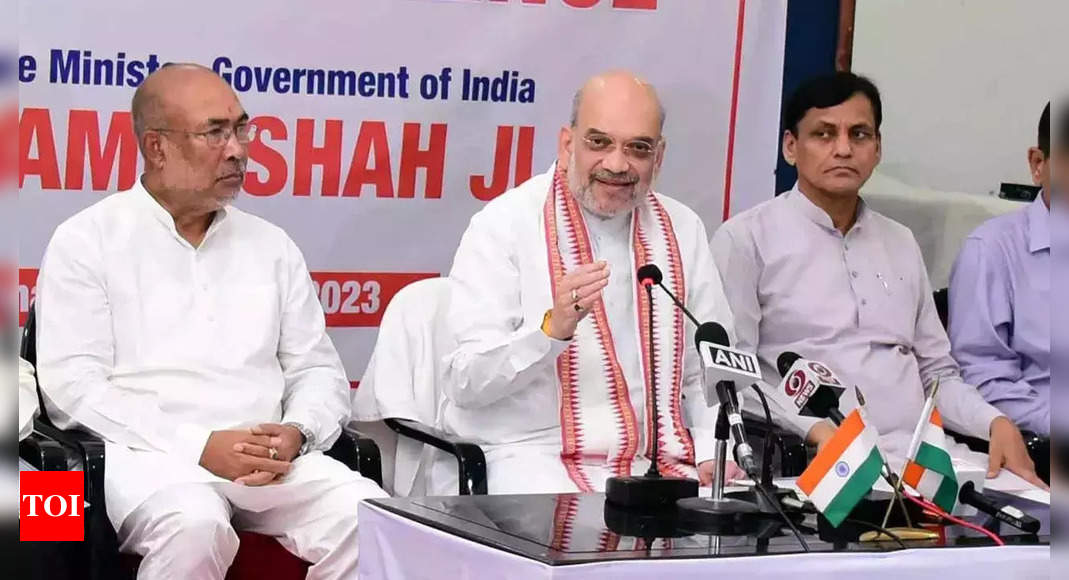
Home Minister Amit Shah informed an all-party meeting that efforts are being made to restore peace in Manipur on the instructions of Prime Minister Narendra Modi. Nearly 120 people have lost their lives and over 3,000 have been injured since ethnic violence broke out in the state. The opposition parties have criticized the Centre's handling of the situation and questioned the prime minister's "silence" on the issue. The home ministry gave a presentation on how the violence began in Manipur, what triggered it, and what steps have been taken so far to restore peace in the state.