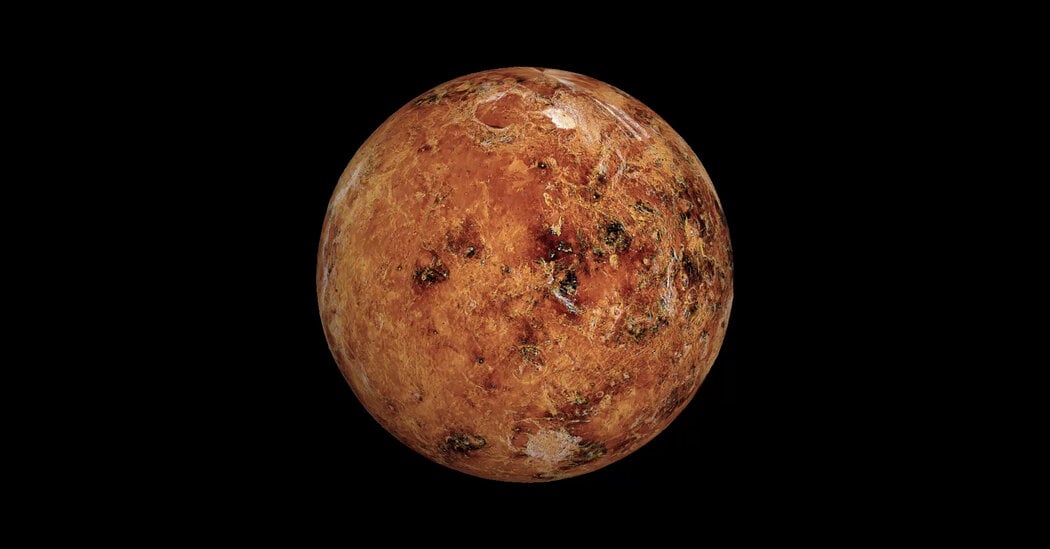
New software has allowed scientists to re-examine old radar images of Venus, revealing two vast lava flows and providing strong evidence that the planet is still volcanically active. This discovery helps to better understand Venus's hellish environment and its volcanic history.
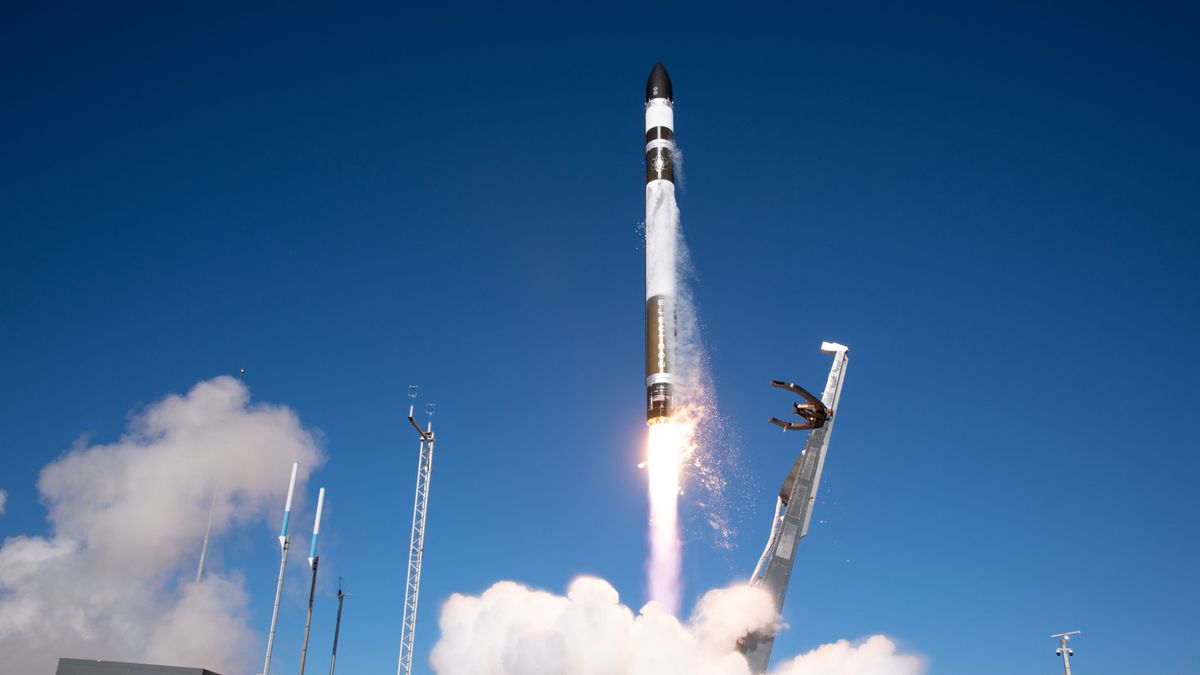
Rocket Lab is set to launch a commercial radar-imaging satellite, Strix-3, atop an Electron rocket from New Zealand, with a 40-minute delay announced. The satellite, developed by Synspective, will be deployed into a sun-synchronous orbit to capture consistent images of Earth's surface. The mission, named "Owl Night Long," marks Rocket Lab's fourth launch for Synspective, and the event can be watched live on Rocket Lab's website.
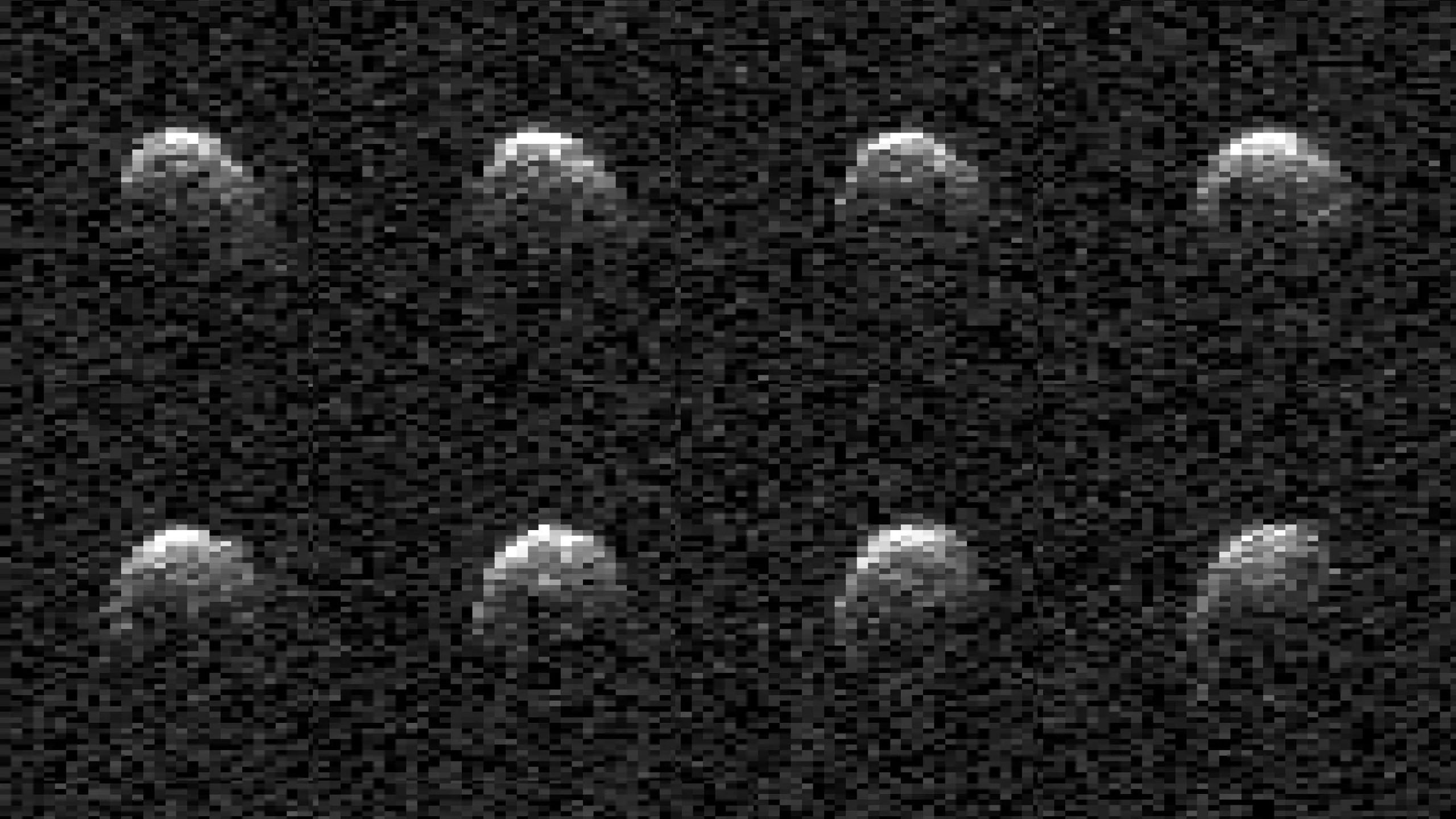
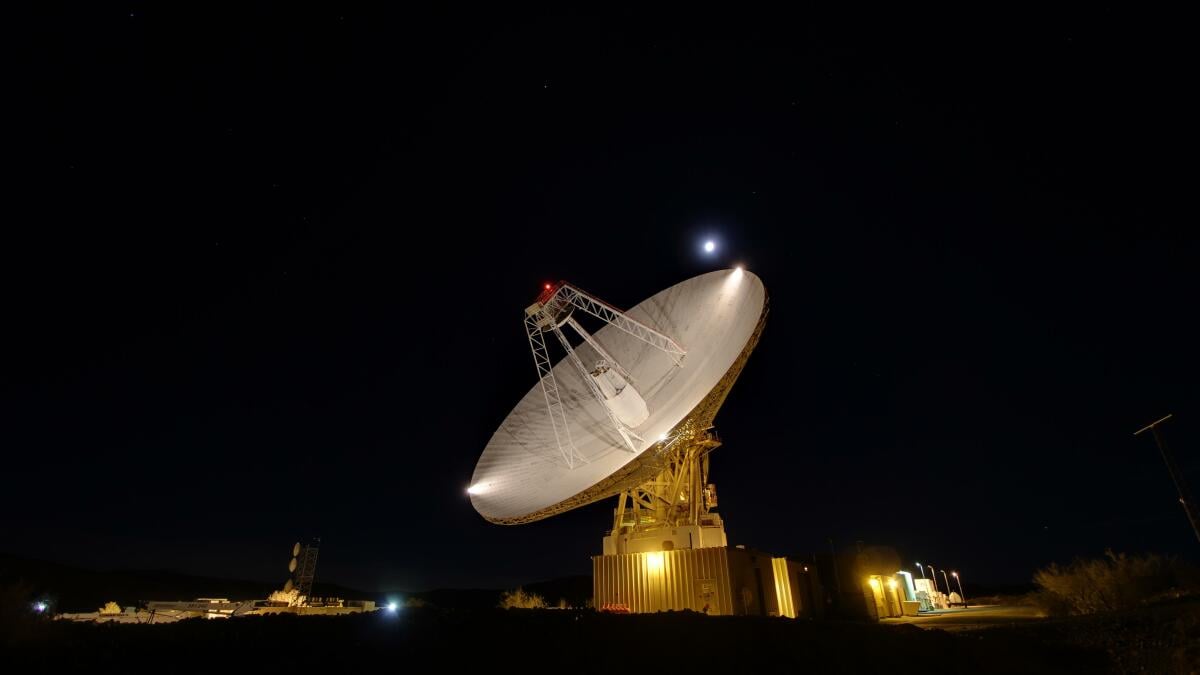
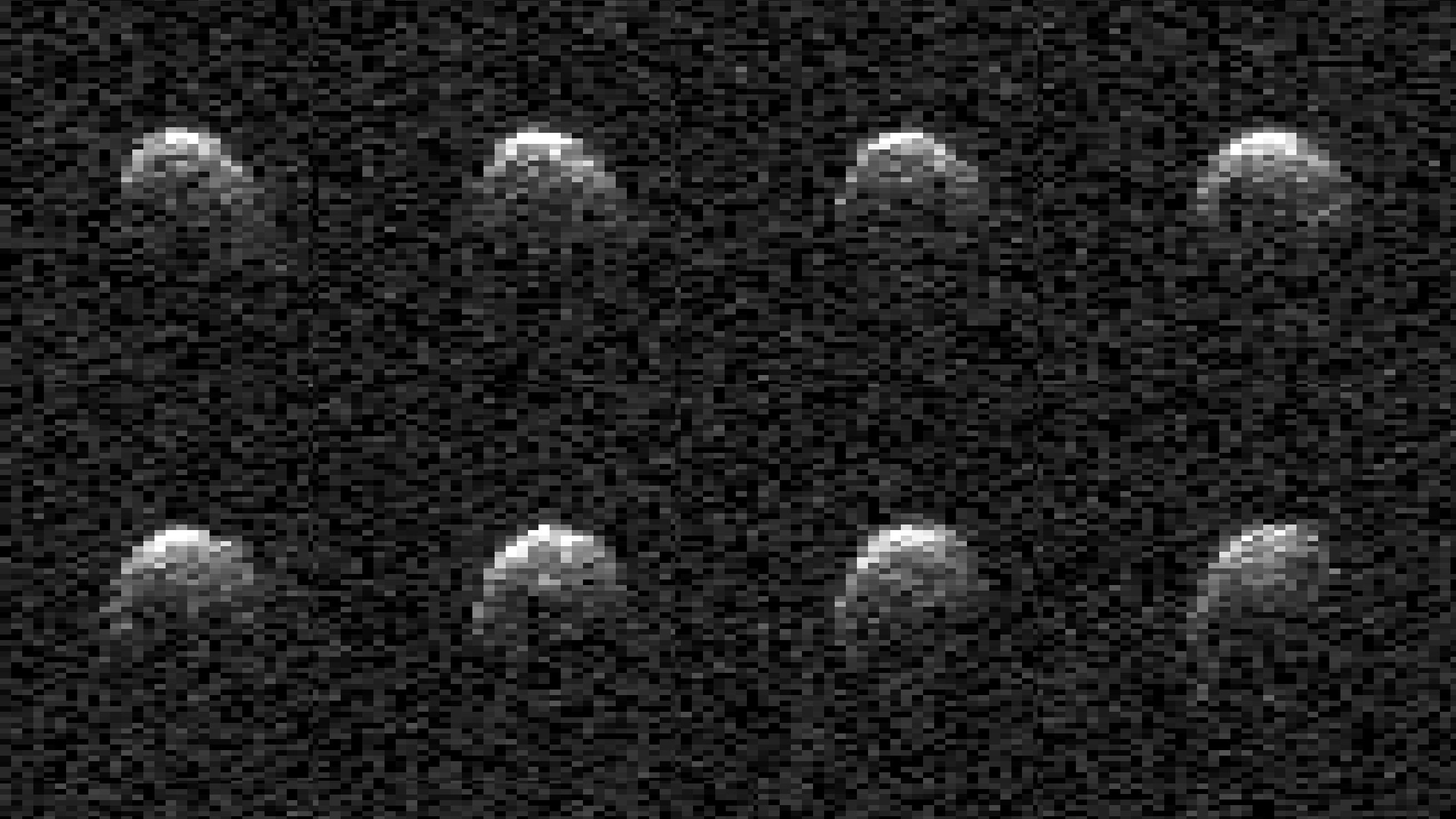
NASA's Deep Space Network planetary radar captured the first detailed images of asteroid 2008 OS7 as it made a close approach to Earth on February 2, revealing its size, rotation, shape, and surface details. The asteroid, discovered in 2008, was found to be smaller than previously estimated and has an uncommonly slow rotation. While classified as a potentially hazardous asteroid due to its proximity to Earth's orbit, the recent close approach posed no risk. The radar observations also helped refine calculations of the asteroid's orbital path, providing valuable data for NASA's Center for Near Earth Object Studies in assessing potential impact hazards.
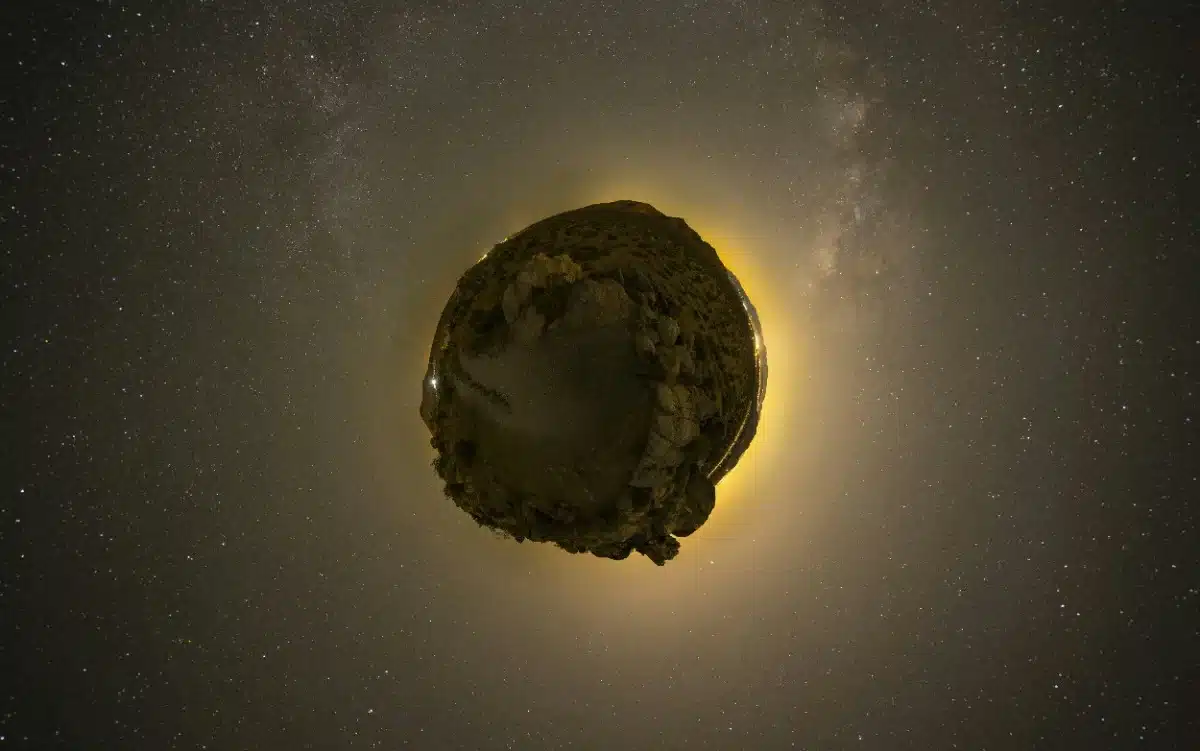
NASA captured images of the 1,640ft asteroid 2008 OS7 as it passed 1.8 million miles from Earth, using the Goldstone Solar System Radar in California. The asteroid posed no threat to Earth, and scientists used the radar to study its size, rotation, shape, and surface details. While the solar system still contains many asteroids, the likelihood of a catastrophic impact in the next century remains very low.
NASA captured detailed images of asteroid 2008 OS7, which passed 1.8 million miles from Earth in early February, using the Goldstone Solar System Radar in California. The asteroid's trajectory posed no danger, and NASA used a powerful radio antenna to determine its size, rotation, shape, and surface details. While the solar system used to be more chaotic, astronomers have identified most "planet-killer" asteroids and the likelihood of a significant impact in the next century is low.
NASA's Deep Space Network planetary radar has captured detailed images of the asteroid 2008 OS7 during its close approach to Earth, revealing its size, rotation, shape, and surface details. The asteroid, discovered in 2008, is smaller than previously estimated and has an uncommonly slow rotation. While classified as a potentially hazardous asteroid due to its proximity to Earth's orbit, the recent close approach posed no risk. The radar observations will help refine calculations of the asteroid's orbital path and support NASA's efforts to detect and track near-Earth objects for planetary defense.
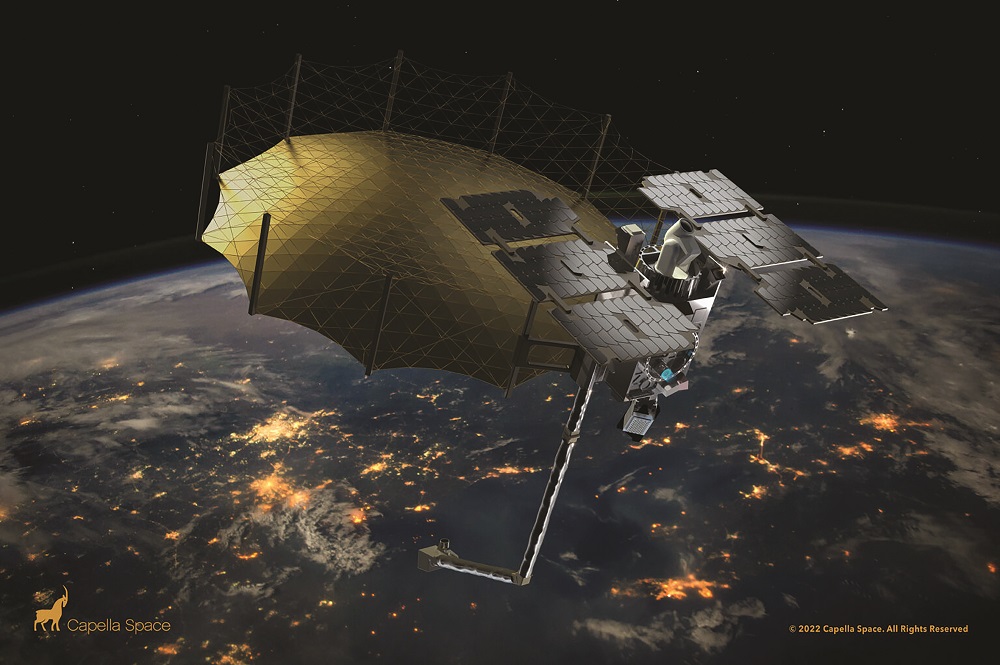
Capella Space has announced that it will launch two of its Acadia radar imaging satellites on SpaceX rideshare missions in the first half of 2024. The arrangement comes after a launch failure disrupted Capella's deployment plans with Rocket Lab. The diversity of orbits provided by SpaceX will enhance Capella's ability to provide greater coverage and higher revisits over key areas of interest. Capella will also continue working with Rocket Lab for future satellite launches.