The memorandum emphasizes the need for greater transparency in higher education admissions, criticizing race-based practices, and calls for technological upgrades and expanded reporting requirements for the IPEDS data system to ensure fair and accurate admissions data, aiming to promote fairness and national security.
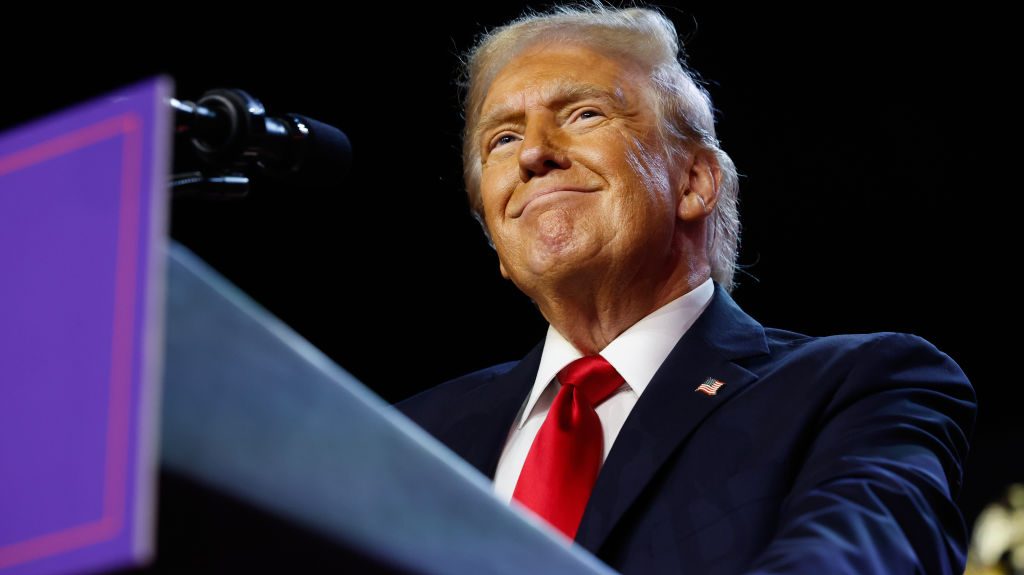
President-elect Donald Trump plans to eliminate the U.S. Department of Education, shifting educational responsibilities to states, and target diversity, equity, and inclusion (DEI) programs through the Department of Justice. His proposals include taxing and fining schools for racial equity work, with funds used as restitution for perceived victims of equity discrimination. Critics warn these actions could disproportionately affect Black and brown communities, particularly in terms of college accessibility and discrimination protections. Trump's plans face legislative hurdles, as Congress would need to pass a bill to dissolve the department.
The White House’s Office of Management and Budget has updated its directive to require federal agencies to differentiate among Asian American and Pacific Islander groups when collecting data, pushing for more detailed options beyond umbrella terms like Asian American and Native Hawaiian and Pacific Islander. The new standards aim to improve racial equity and inclusion through better data collection, research, and access, with agencies given 18 months to publish their plans implementing the new standards and five years to complete the updates. This move has been applauded by experts as a vital step forward in the movement for data equity, with particular benefits for the diverse Asian American and Native Hawaiian/Pacific Islander communities.
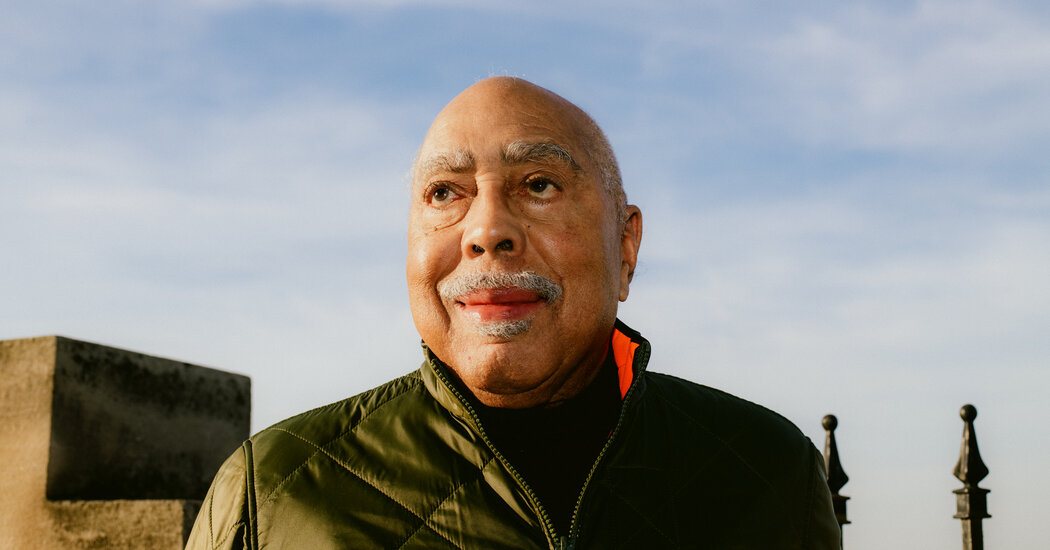
Walter Massey, a pioneering physicist, grappled with his love for physics and a desire to contribute to the struggle for racial equity in America, especially after the assassination of Dr. Martin Luther King Jr. He made significant contributions to the study of theoretical condensed matter while also supporting Black students and founding the National Society of Black Physicists to help aspiring Black scientists.
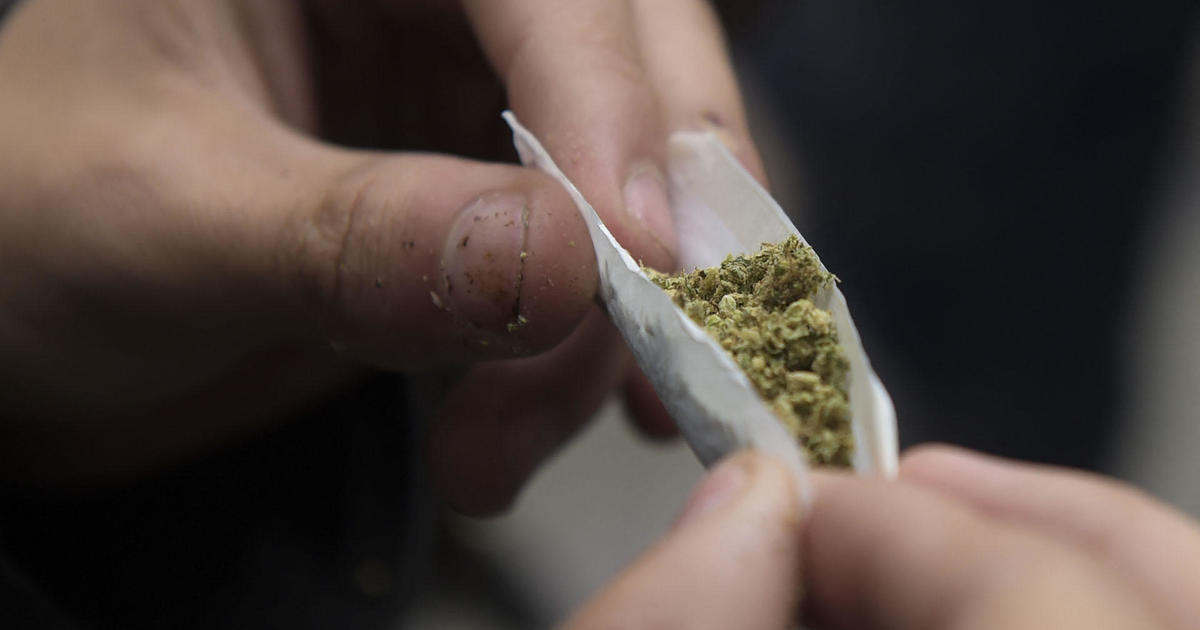
Massachusetts Governor Maura Healey plans to pardon hundreds of thousands of individuals with prior misdemeanor convictions for simple marijuana possession, following President Biden's lead in pardoning such convictions. The pardons, if approved by the Governor's Council, will be automatic and aim to remove barriers to housing and employment, particularly for communities of color disproportionately affected by marijuana-related arrests. The move is seen as a significant step in criminal justice reform and promoting racial equity in the state.
Duke University has revised its anti-discrimination policy to explicitly prohibit race-based hair discrimination, including hairstyles commonly associated with a particular race. The policy applies to employees, contractors, and third parties within Duke programs. The update aligns with a Durham City Council ordinance and the Creating a Respectful and Open World for Natural Hair (CROWN) Act, which aims to end hair discrimination. The move is seen as a signal of support for Black women and reinforces Duke's commitment to creating an inclusive and welcoming environment.
Chabot Elementary in Oakland, California, was evacuated and classes were canceled after the school received a bomb threat via email. The threat, which had racial undertones, is being investigated by the Oakland Police Department with assistance from the FBI. The incident follows a wave of hateful messages and social media posts targeting the school community for organizing a playdate for families of color. The Oakland Unified School District and city leaders are taking the threats seriously and have committed to ensuring the safety of students and families.
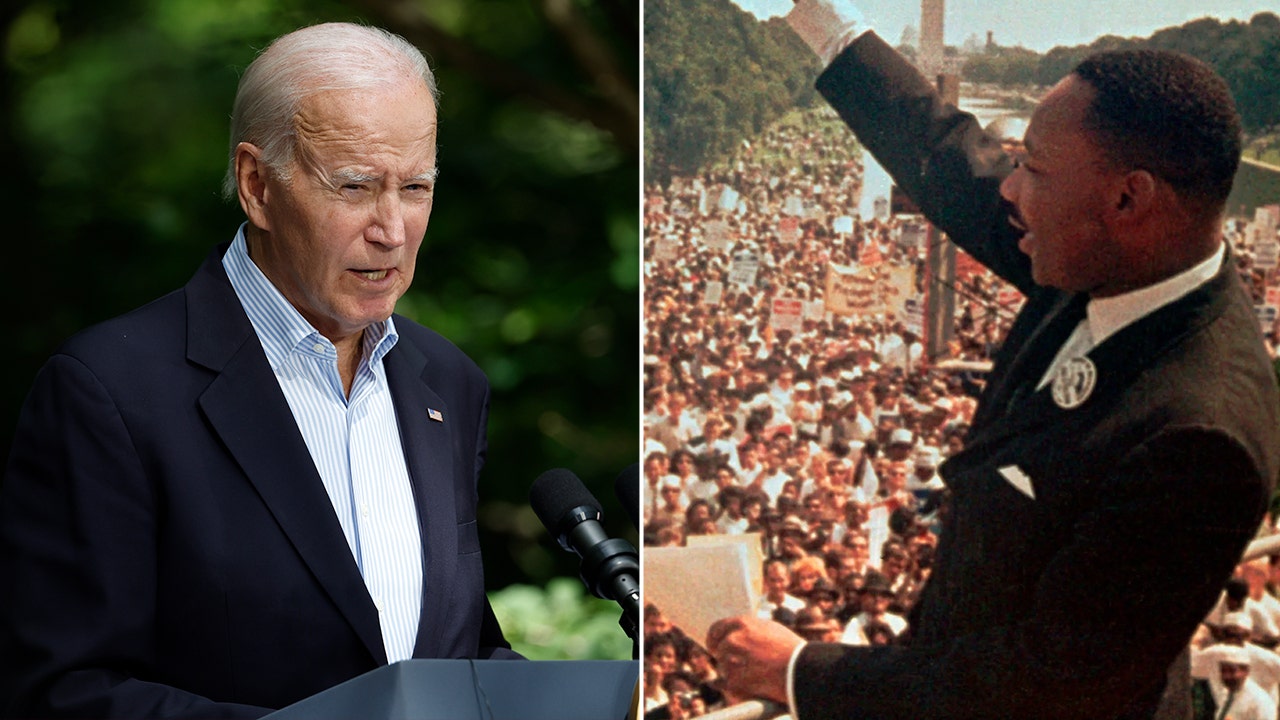
President Biden penned an op-ed in the Washington Post, touting his economic policies, known as "Bidenomics," and their impact on Black Americans. He highlighted the major laws, executive orders, and investments made during his administration, emphasizing the goal of advancing equity. Despite criticism and low approval ratings on economic issues, Biden expressed his commitment to creating a workforce that reflects America and rejecting the notion of a zero-sum game. The op-ed was timed with the 60th anniversary of Martin Luther King Jr.'s March on Washington, with Biden positioning his plan as a continuation of the march forward envisioned by King. Concerns about Biden's approval among Black voters and the economy remain for the White House.
An investigation into the failed "I Am My Ancestors Wildest Dreams" expo in Minneapolis found no evidence of a detailed plan and revealed that the former director of the city's Racial Equity, Inclusion, and Belonging office struggled with the city's contracting rules. The report recommended better training in procurement and purchasing and exploring the possibility of recovering some of the event's costs. The ex-equity director disputed many of the report's findings, claiming contradictory information from city staff and unfair blame. The report also highlighted minimal training for city employees in procurement and purchasing requirements.
Walmart is closing four of its eight stores in Chicago due to poor performance, despite its commitment to expanding in the city as part of its corporate racial justice initiative. The locations are in predominantly minority neighborhoods that have long struggled with grocery and retail access. The closures raise questions about the effectiveness of government strategies that rely on national chains to improve food and retail access in underserved areas. Walmart's decision follows years of attempts by the company to move into big US cities, but its typical supercenter model is not as well suited for urban neighborhoods as it is for suburban and rural areas.