
Nobel Laureate Physicist Chen Ning Yang Passes Away at 103
Chen-ning Yang, a Nobel Prize-winning physicist renowned for his work on the Yang–Mills theory which is fundamental to the Standard Model of particle physics, has died at age 103 in Beijing.

All articles tagged with #physicist
Chen-ning Yang, a Nobel Prize-winning physicist renowned for his work on the Yang–Mills theory which is fundamental to the Standard Model of particle physics, has died at age 103 in Beijing.
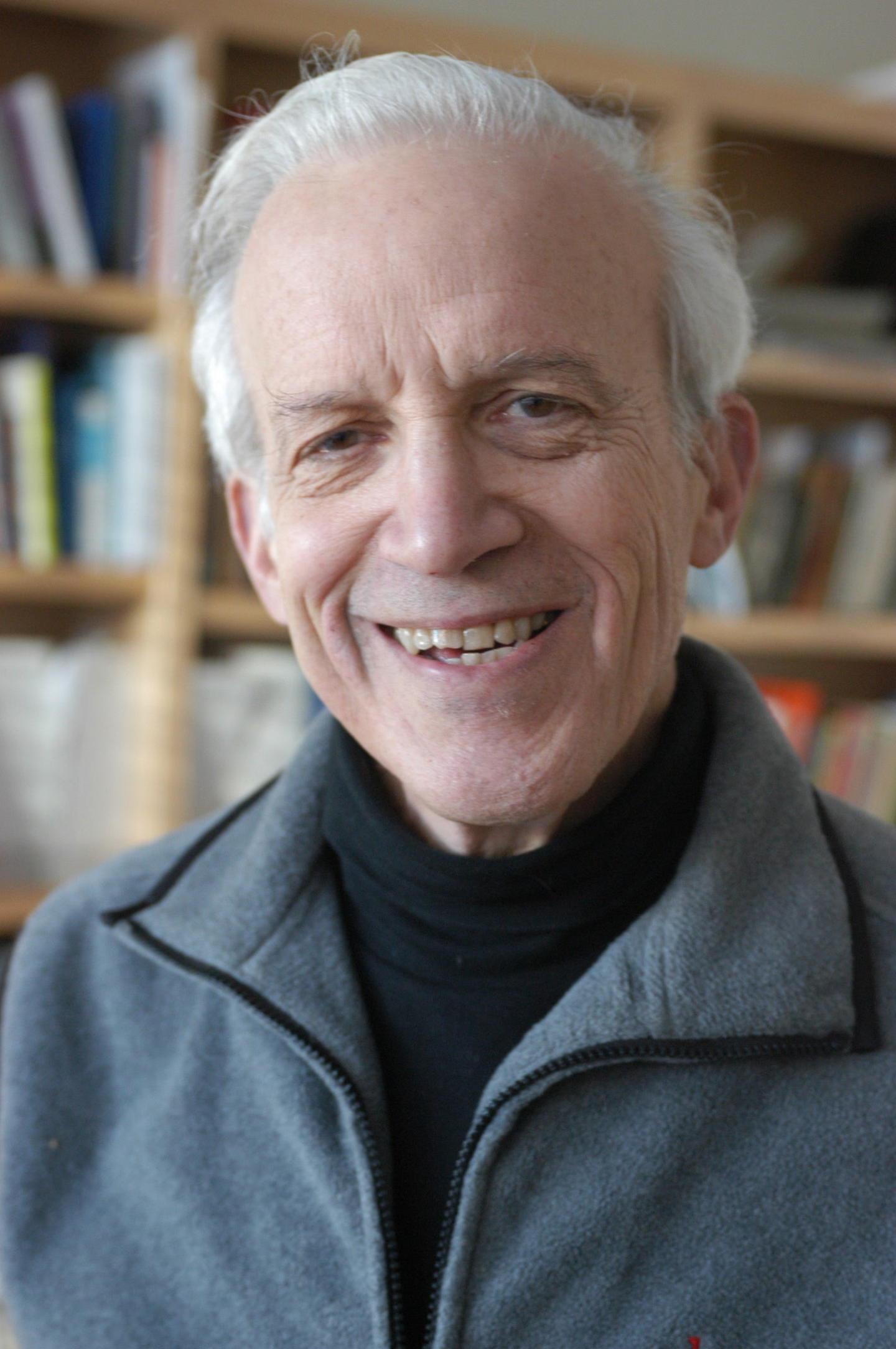
Daniel Kleppner, a renowned physicist known for his contributions to GPS technology and quantum computing, passed away at age 92 in Palo Alto.
Peter Higgs, the Nobel Prize-winning physicist known for his work on the Higgs boson, has passed away at the age of 95. His groundbreaking theoretical prediction of the Higgs boson particle, which was confirmed in 2012, earned him the Nobel Prize in Physics in 2013. Higgs made significant contributions to the field of particle physics and his legacy will continue to impact scientific research for years to come.
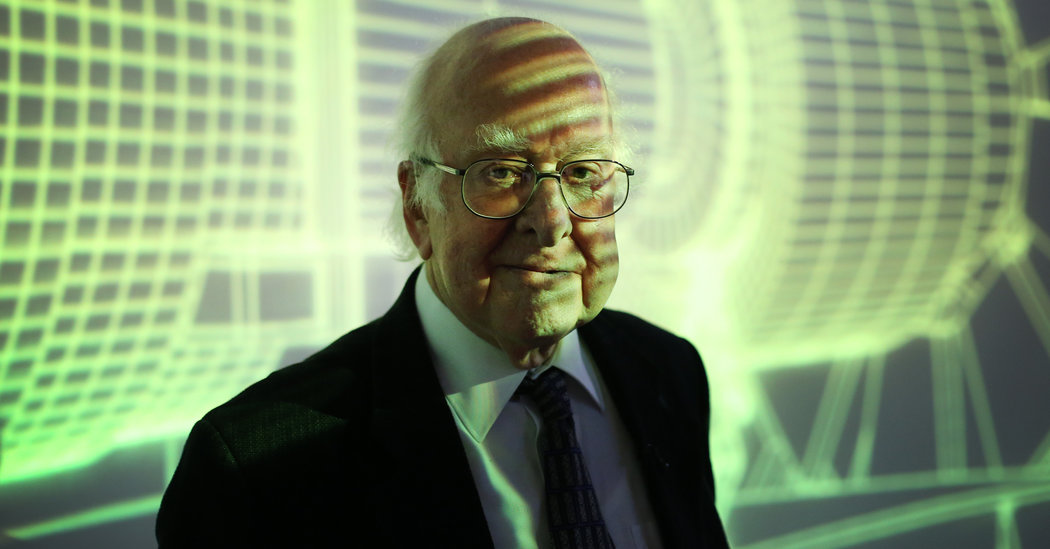
Peter Higgs, the physicist who predicted the existence of the Higgs boson, also known as the "God particle," and sparked a decades-long search for it, has passed away at the age of 94. His prediction of a new particle in 1964 led to the development of the Standard Model, encapsulating human knowledge about elementary particles. Higgs, a modest man who shunned fame, received a Nobel Prize in 2013 after the particle's discovery at CERN in 2012.
Peter Higgs, the renowned physicist known for his work on the Higgs boson particle, has passed away at the age of 94. His groundbreaking theoretical prediction of the Higgs boson's existence was confirmed in 2012, leading to his Nobel Prize in Physics. Higgs leaves behind a legacy of contributions to our understanding of the universe.
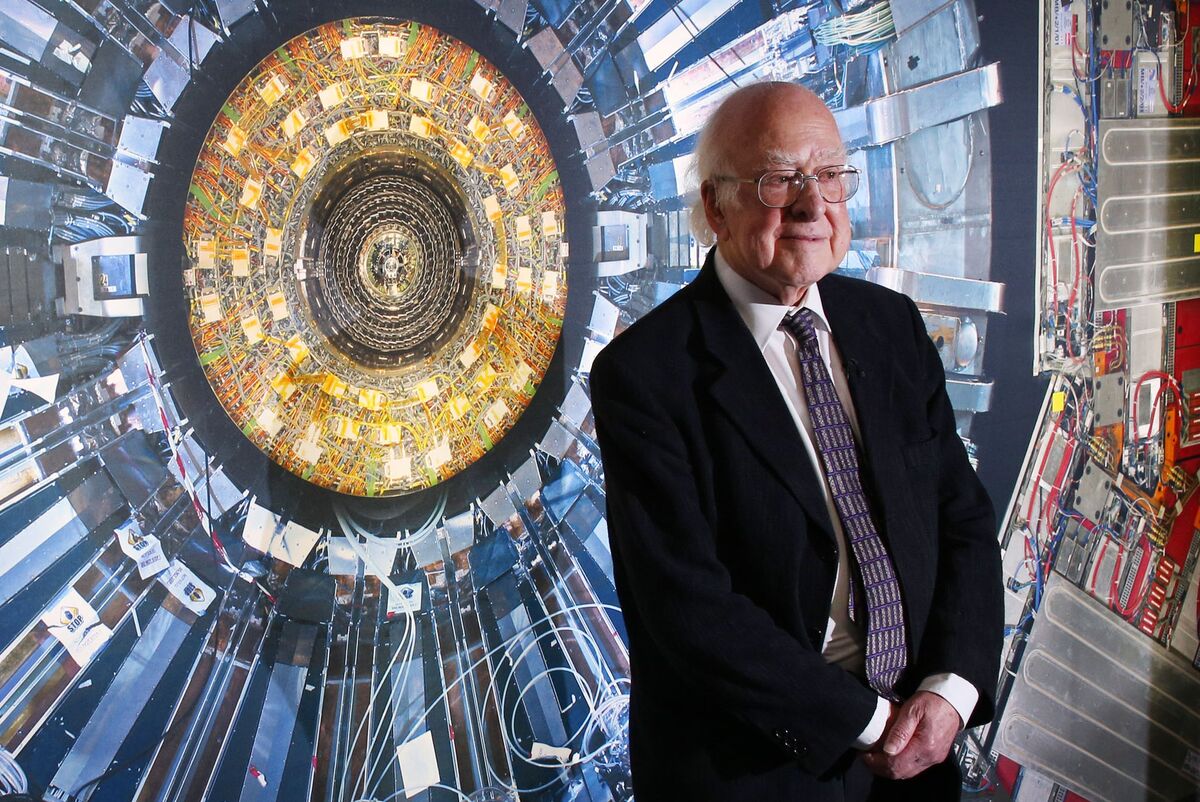
Peter Higgs, the British physicist known for his theoretical mechanism explaining the origin of mass in the universe, has passed away at the age of 94. Higgs, who won a Nobel Prize in 2013, was described as a gifted scientist whose contributions enriched our understanding of the world.
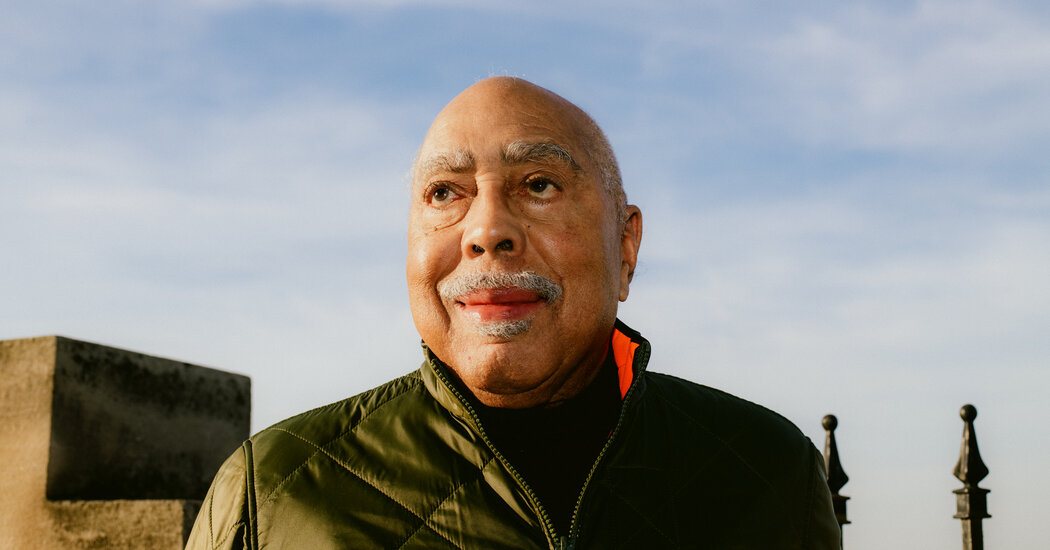
Walter Massey, a pioneering physicist, grappled with his love for physics and a desire to contribute to the struggle for racial equity in America, especially after the assassination of Dr. Martin Luther King Jr. He made significant contributions to the study of theoretical condensed matter while also supporting Black students and founding the National Society of Black Physicists to help aspiring Black scientists.

Physicist Annie Kritcher and her team at the US Department of Energy's National Ignition Facility (NIF) achieved a major breakthrough in nuclear fusion by compressing atoms tightly enough to generate more energy than the reaction consumes, a goal that had eluded laboratories for decades. The NIF's successful experiment has sparked optimism about the future of fusion energy, which could provide a safe, clean, and almost limitless source of power. Kritcher and her team are now working on further experiments to increase fusion yields and aim to eventually develop a prototype laser fusion energy reactor.

A Russian physicist, Anatoly Gubanov, has been sentenced to 12 years in a penal colony on treason charges for allegedly passing secret hypersonic development materials to colleagues from the Netherlands. Gubanov, the former head of the Aerodynamics of Aircrafts and Rockets Department at TsAGI, pleaded guilty but requested a penalty below the minimum sentence, which was denied. The charges against him and his colleague, Valery Golubkin, who was also employed on the project, have raised concerns about the state's increasing paranoia toward scientific cooperation with foreign countries and its potential chilling effect on young researchers.
A physicist from Boston University suggests that a recent SpaceX rocket launch may have created a temporary hole in the Earth's ionosphere, where the atmosphere meets space. Ionospheric holes have become more common due to the increasing number of rocket launches. The phenomenon occurs when rocket exhaust gases cause the ionosphere to recombine quickly, resulting in a red glow. SpaceX has experienced similar incidents in the past.
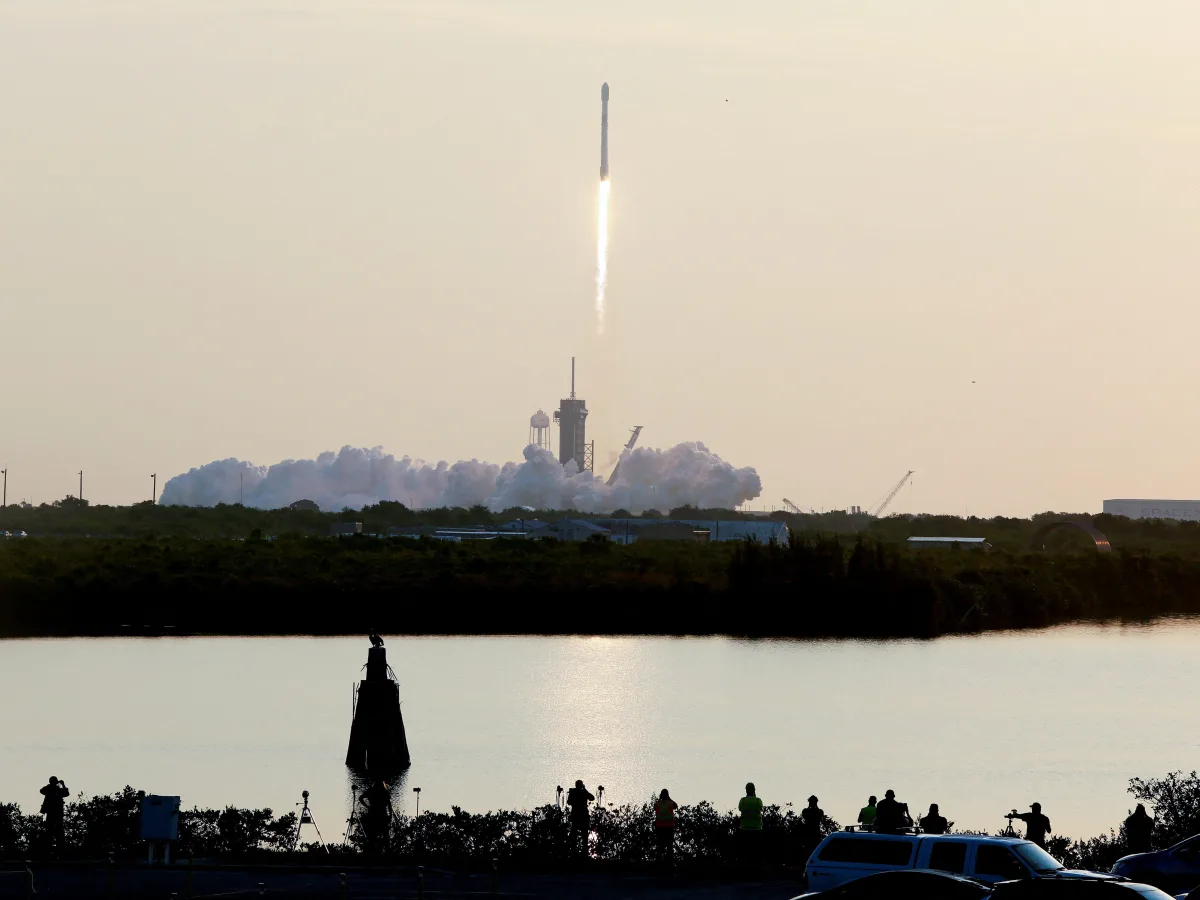
A physicist from Boston University has suggested that a SpaceX rocket launch may have created a temporary hole in the Earth's ionosphere, where the atmosphere meets space. Ionospheric holes have become more common due to the increasing number of rocket launches. The phenomenon occurs when rocket exhaust gases cause the ionosphere to recombine quickly, resulting in a red glow. SpaceX has experienced similar incidents in the past.