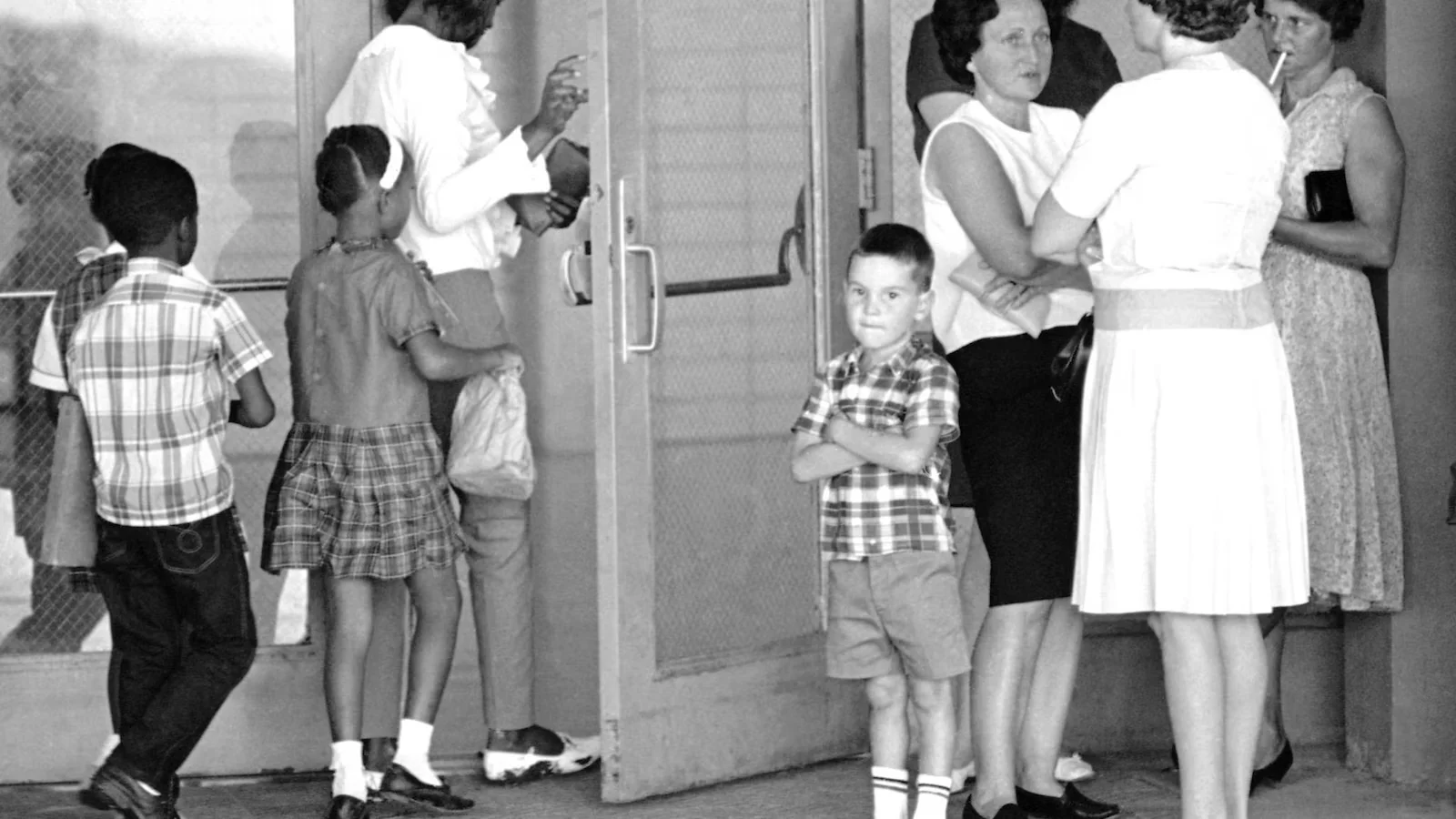
The Trump administration and Louisiana officials have successfully ended a decades-old court-ordered school desegregation case in DeSoto Parish, reflecting a broader effort to dismiss outdated desegregation mandates, despite ongoing debates about their necessity to combat racial disparities.
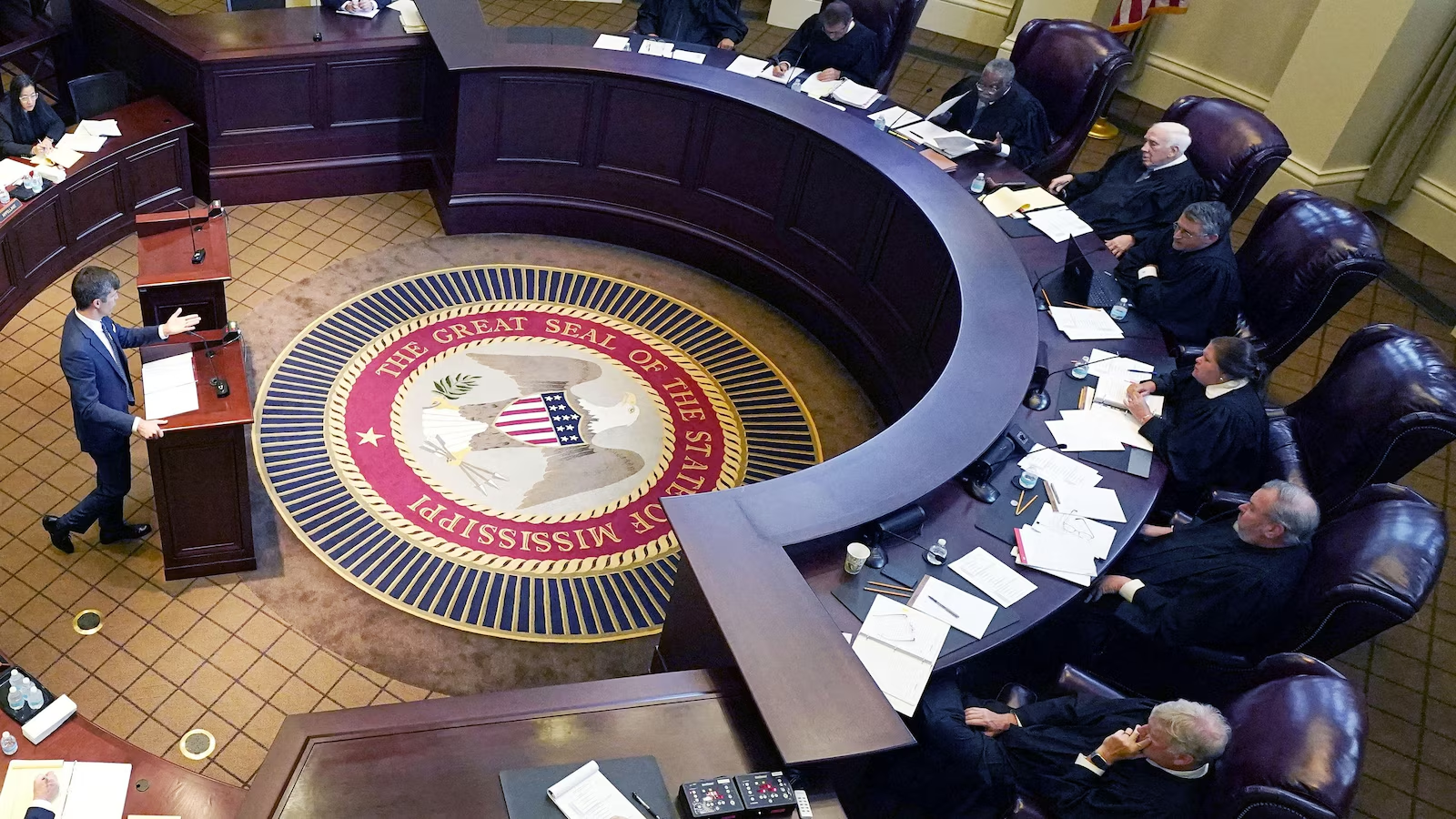
A Mississippi federal judge ordered special elections for the state's Supreme Court after ruling that the current electoral map, which dilutes Black voters' influence, violates the Voting Rights Act. The Mississippi Legislature has until the end of 2026 to redraw the map, with the new elections scheduled for November 2026, following a lawsuit by the ACLU highlighting racial disparities in representation.
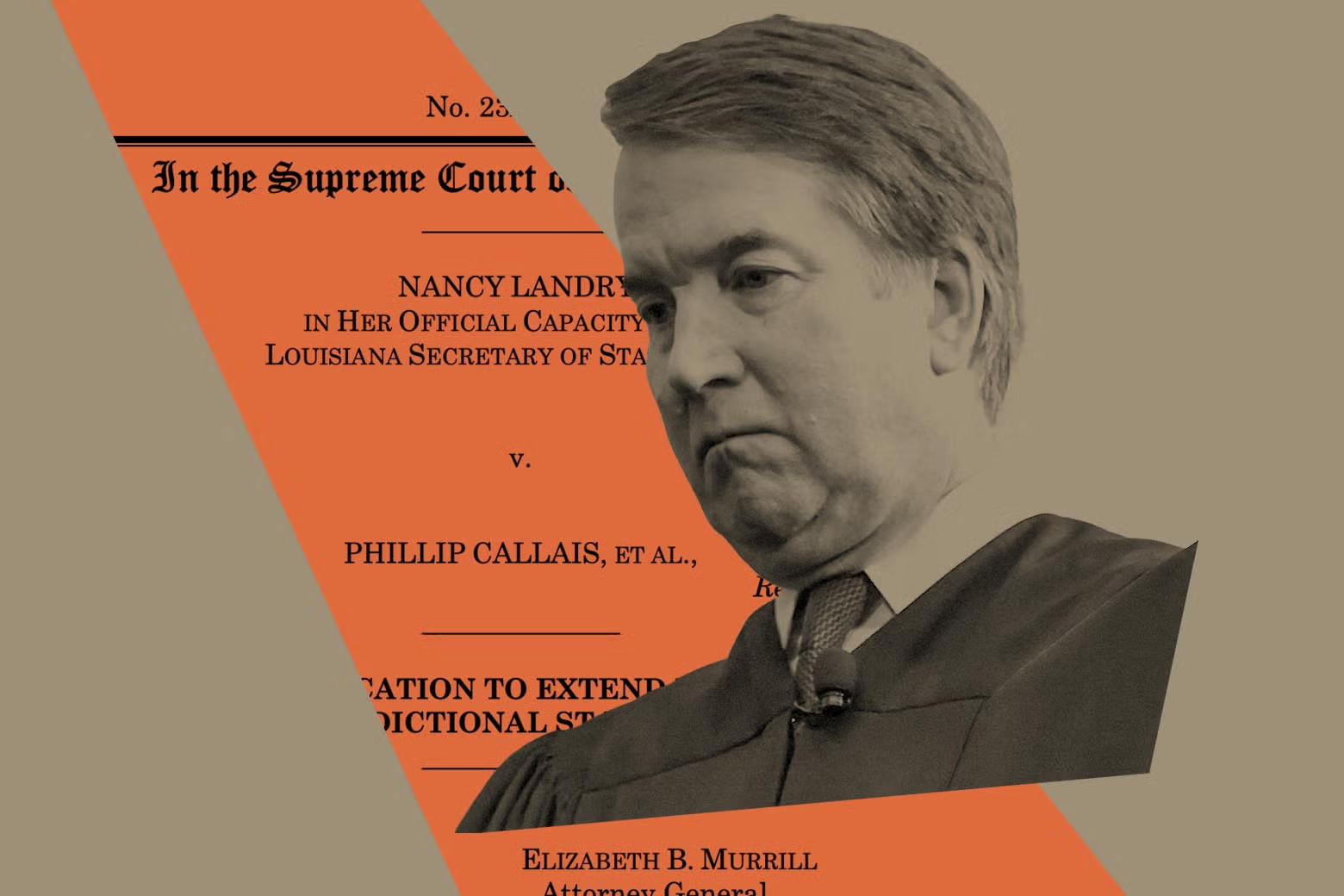
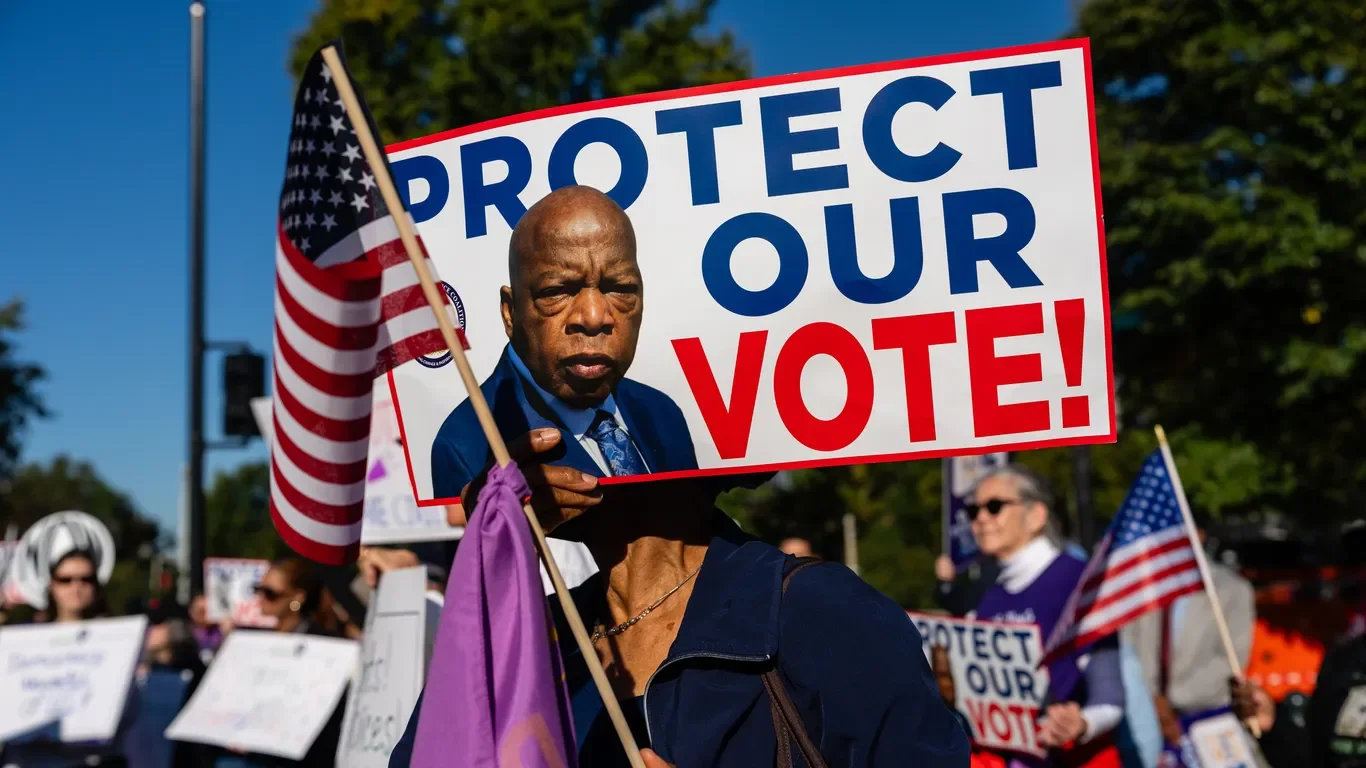
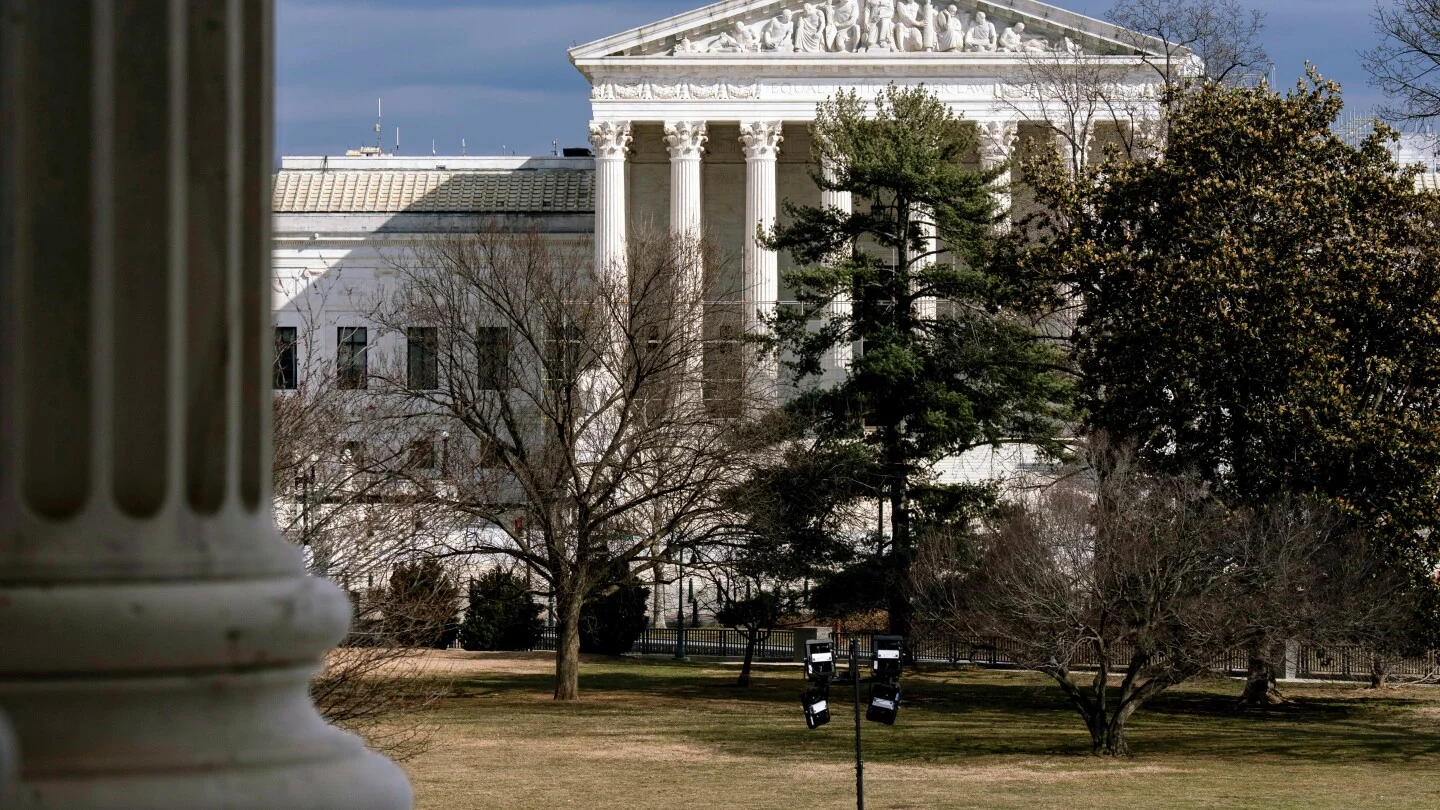
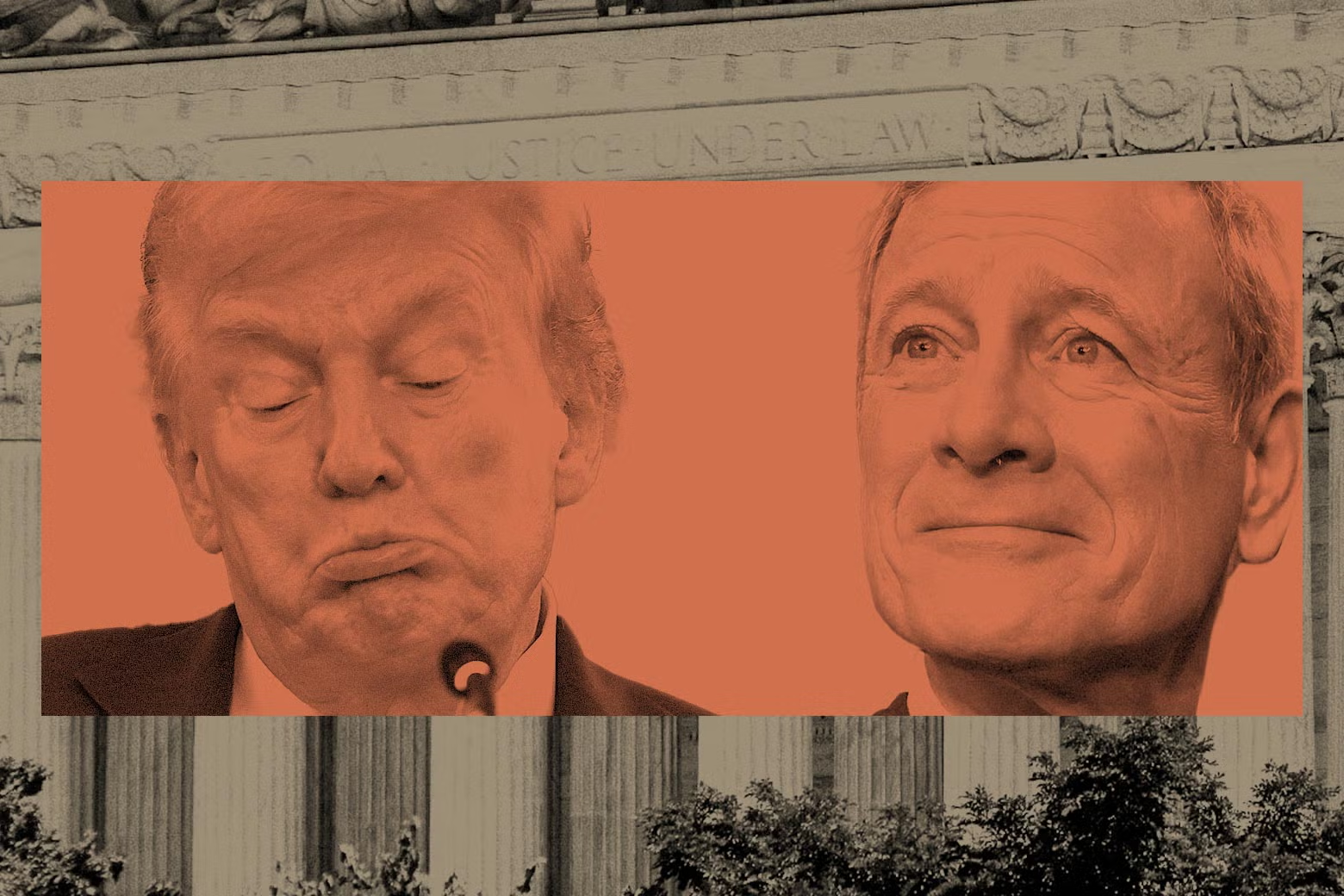
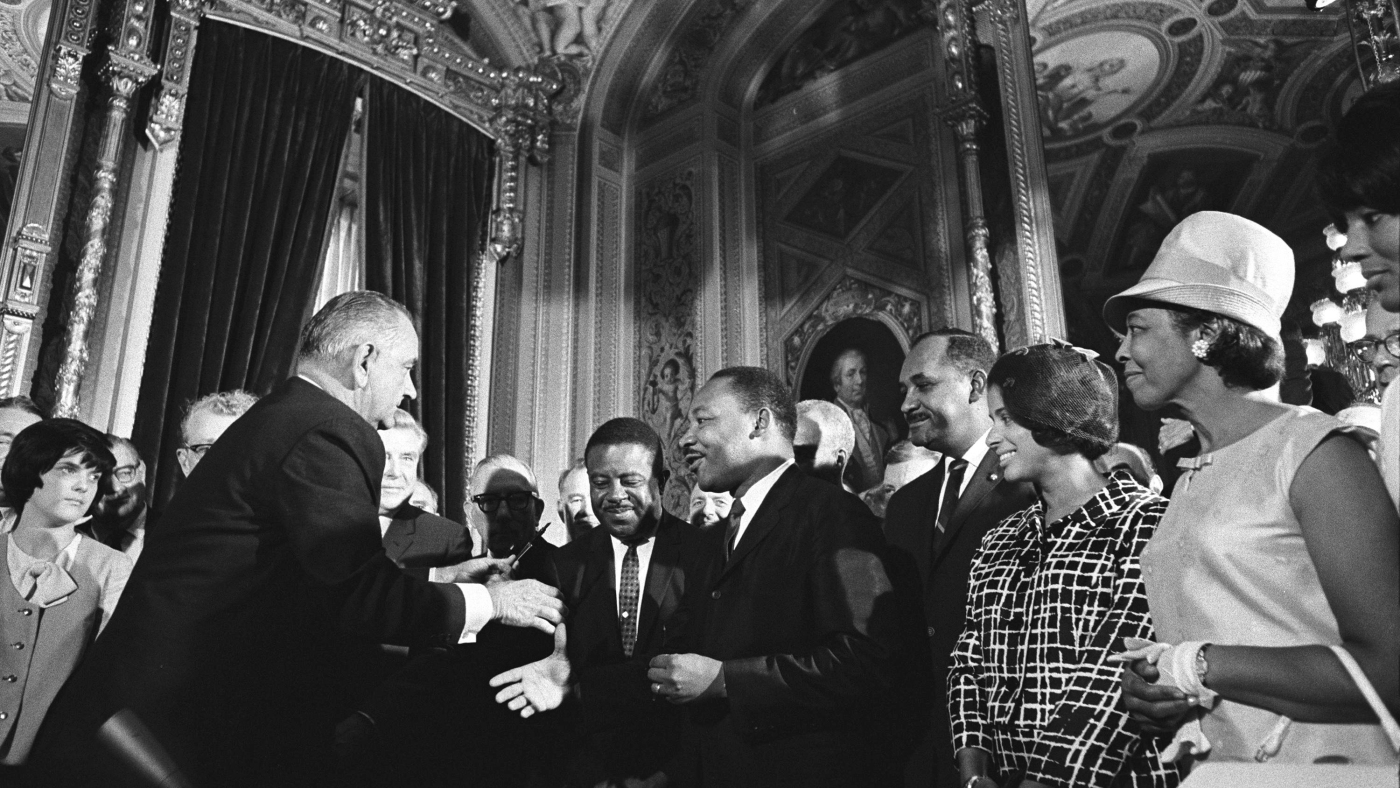
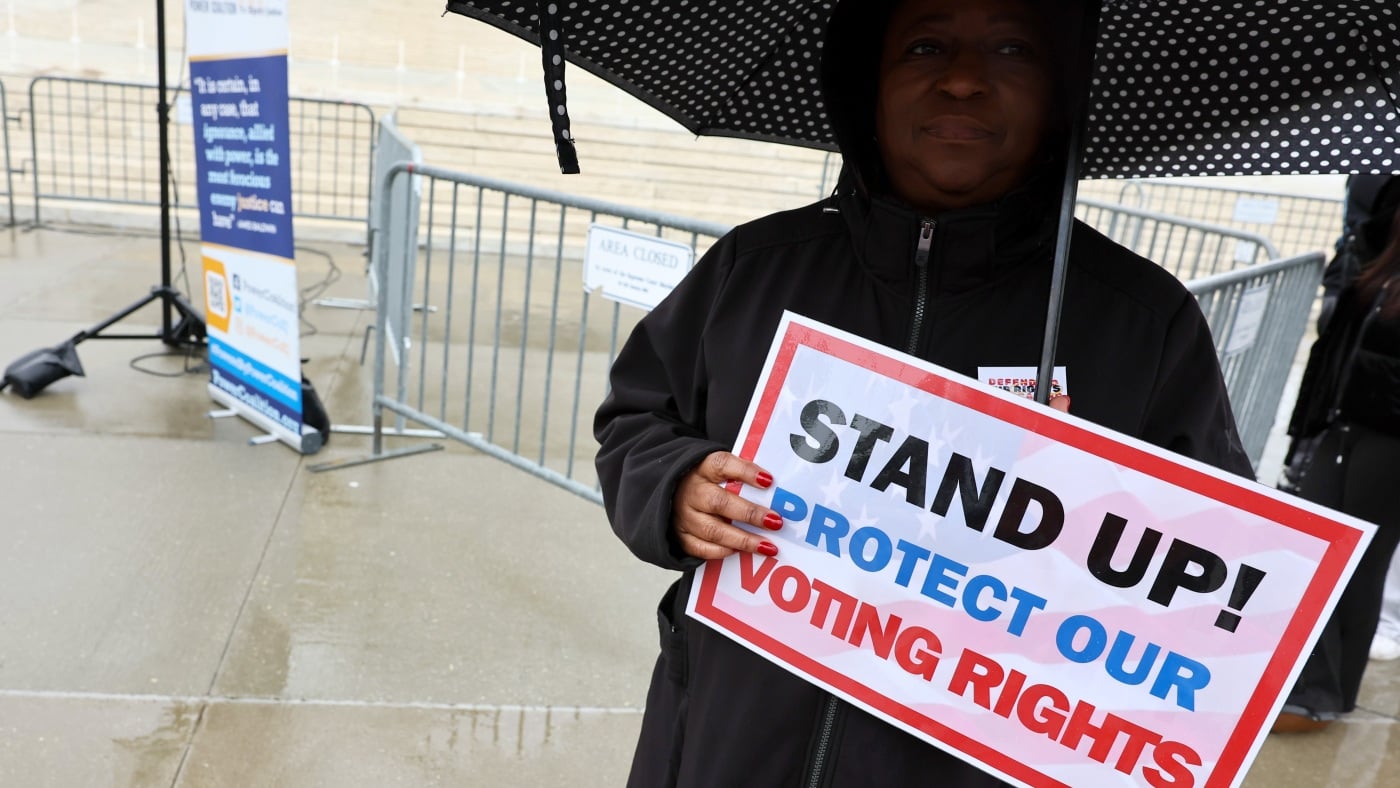
The Supreme Court is hearing a critical case, Callais v. Louisiana, which could significantly restrict or overturn protections against racial vote suppression under the Voting Rights Act of 1965, raising concerns about potential overreach and the future of multiracial democracy. Janai Nelson of the NAACP Legal Defense Fund emphasizes the importance of upholding longstanding legal precedents and the constitutional protections embedded in the Act, warning that a decision to weaken or eliminate these protections could have widespread and lasting impacts on voting rights and democracy in the U.S.
A Black police officer experienced racial discrimination at a Chick-fil-A in Georgia when he was asked to pay for his meal while his white colleagues received free meals; the restaurant owner apologized and promised to improve staff training and policies.
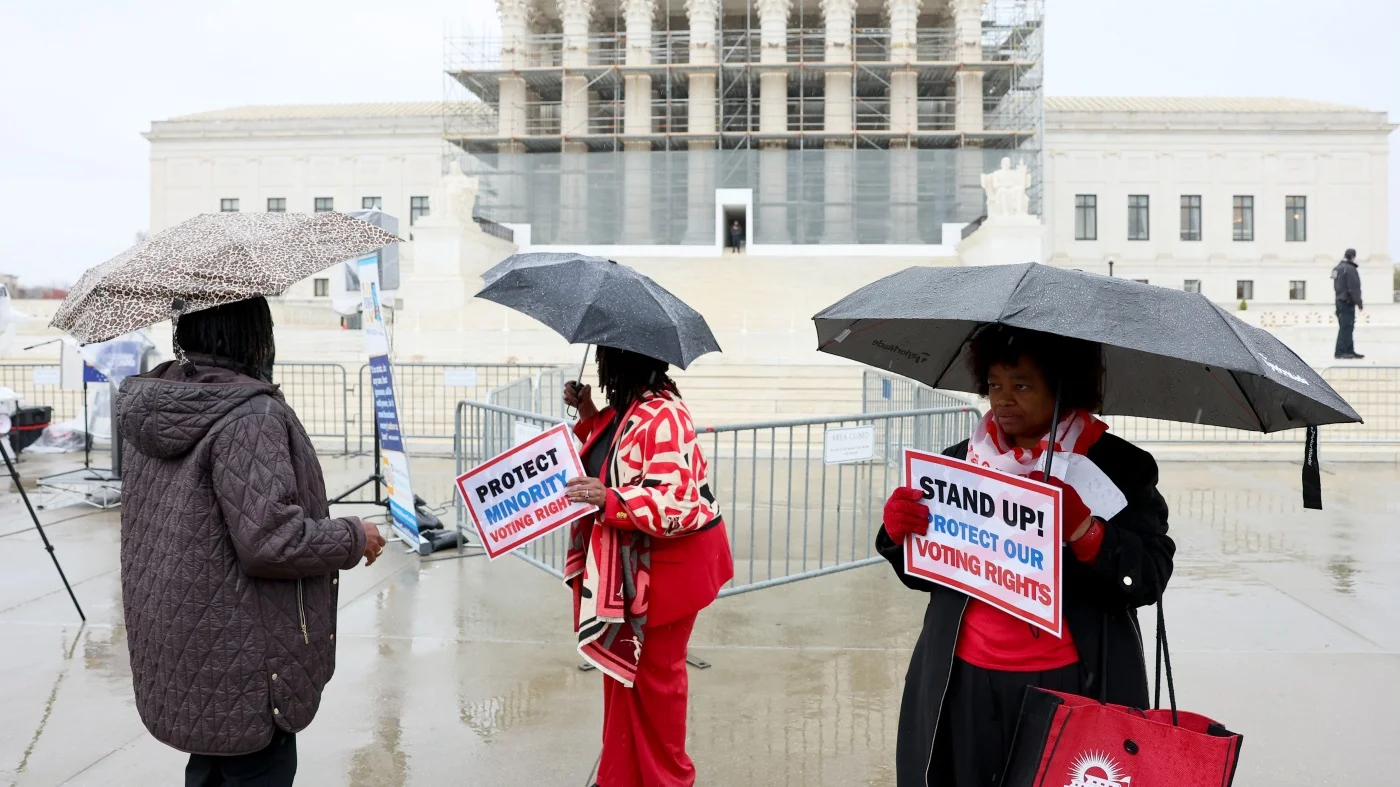
The U.S. Supreme Court's conservative justices are showing signs of potentially weakening key provisions of the Voting Rights Act, particularly Section 2, which protects against racial dilution in voting districts. This shift could impact future voting maps and minority representation, with implications for political power and racial equality in elections.
The Supreme Court appears inclined to weaken or eliminate key protections of the Voting Rights Act, potentially leading to increased gerrymandering and affecting minority voting rights, with a decision expected by summer.
A Supreme Court case could overturn or weaken the Voting Rights Act's Section 2, potentially allowing GOP-controlled states to redraw districts favoring Republicans, which could lead to significant reductions in minority and Democratic representation in Congress, impacting the balance of power for years to come.
The Supreme Court is reviewing a challenge to the Voting Rights Act that could weaken protections against racial discrimination in redistricting, potentially allowing states to redraw districts without regard to race, which may lead to increased gerrymandering and impact electoral representation, especially for Black and Latino communities.
The Supreme Court's rehearing of Louisiana v. Callais could lead to the dismantling of Section 2 of the Voting Rights Act, potentially enabling increased gerrymandering and racial discrimination in electoral maps, which could significantly shift political power in favor of Republicans and threaten democratic representation. The case highlights concerns about the court's direction and the need for legislative action to protect voting rights and fair elections.
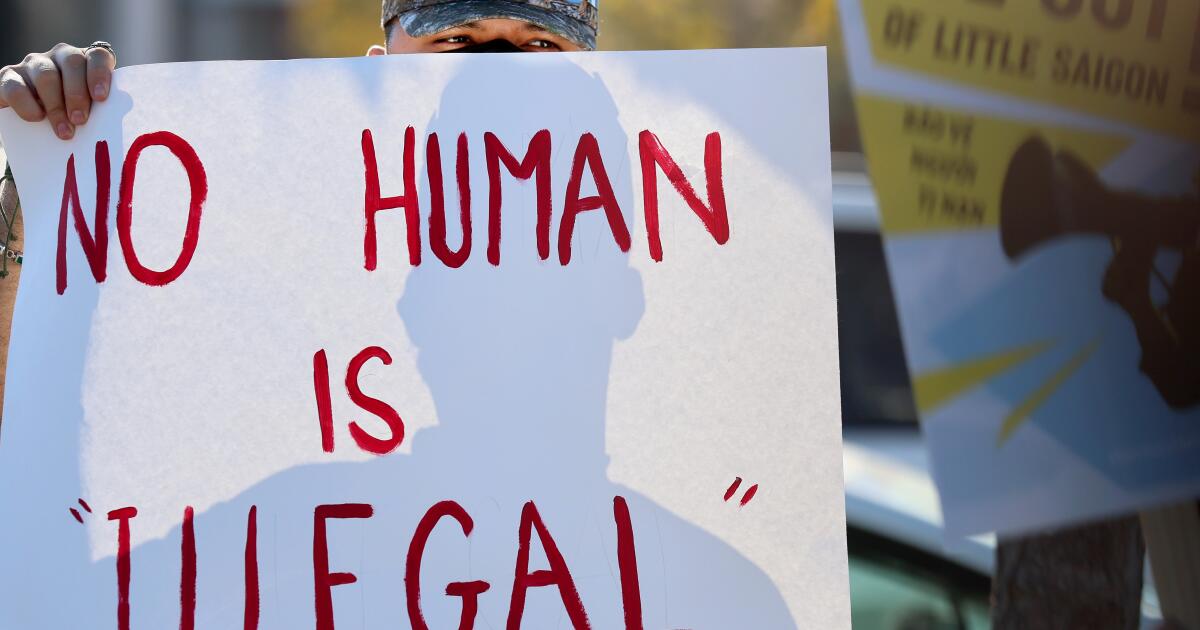
The article discusses the recent Supreme Court ruling that allows broad immigration raids based on racial profiling, highlighting how this policy targets not only Latinos but also other communities of color, and emphasizing the broader implications for racial discrimination and civil rights in the United States.
A lawsuit has been filed against Texas Governor Greg Abbott and state officials challenging the new congressional map, which is accused of being racially discriminatory and violating the Constitution and Voting Rights Act by dismantling majority-minority districts and favoring Republican interests, leading to ongoing legal and political battles.
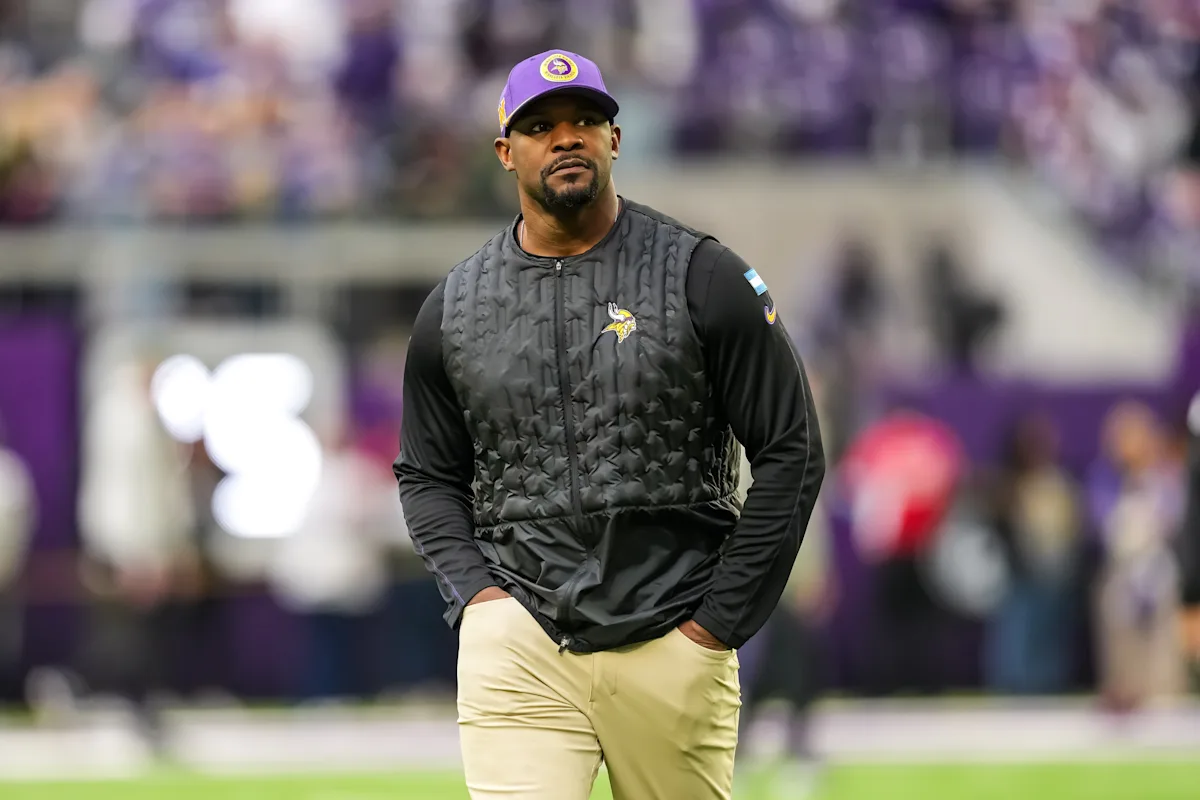
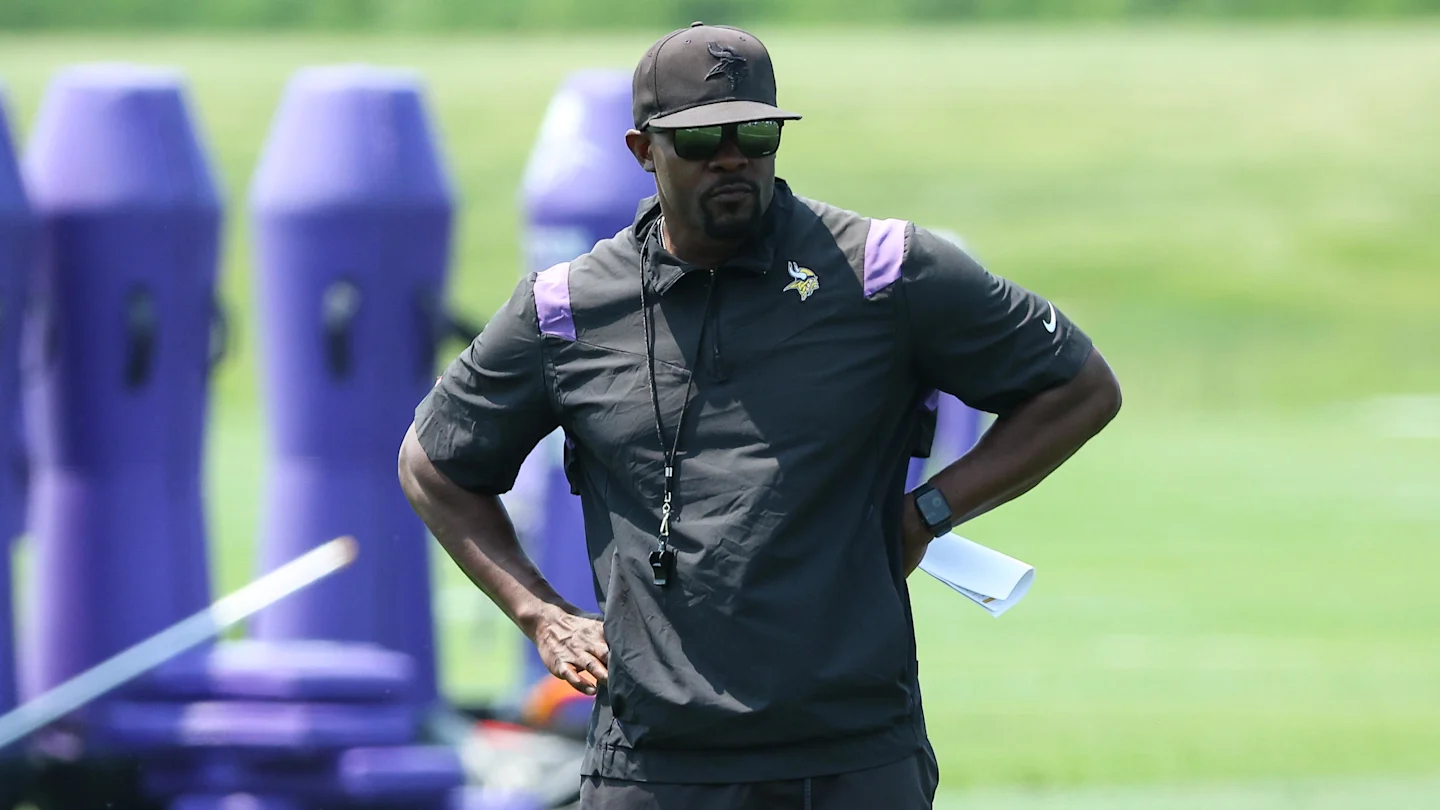
A federal appeals court has allowed Brian Flores's racial discrimination lawsuit against the NFL and three teams to proceed to trial, criticizing the league's arbitration process as biased. The lawsuit alleges discriminatory hiring practices, including the Rooney Rule, and claims retaliation after Flores's firing from the Miami Dolphins. The ruling signifies a significant legal development in the ongoing case, with the NFL planning to seek further review.
A federal appeals court has allowed Vikings DC Brian Flores to proceed with his lawsuit against the NFL and several teams, rejecting arbitration for some claims and paving the way for a trial to address allegations of racial discrimination in NFL hiring practices.
The article discusses the ongoing threats to the Voting Rights Act's protections for minority voters, highlighting recent legal challenges that could limit private individuals' ability to enforce voting rights, potentially weakening the law's effectiveness and impacting future civil rights cases.
The U.S. Supreme Court has temporarily paused a lower court ruling that weakened the Voting Rights Act by limiting private lawsuits against racial discrimination in voting, allowing Native American tribes in North Dakota to maintain their current voting maps for now. The case highlights ongoing legal debates over the scope of the law and could further impact voting protections nationwide, especially if the Court decides to review the issue fully.