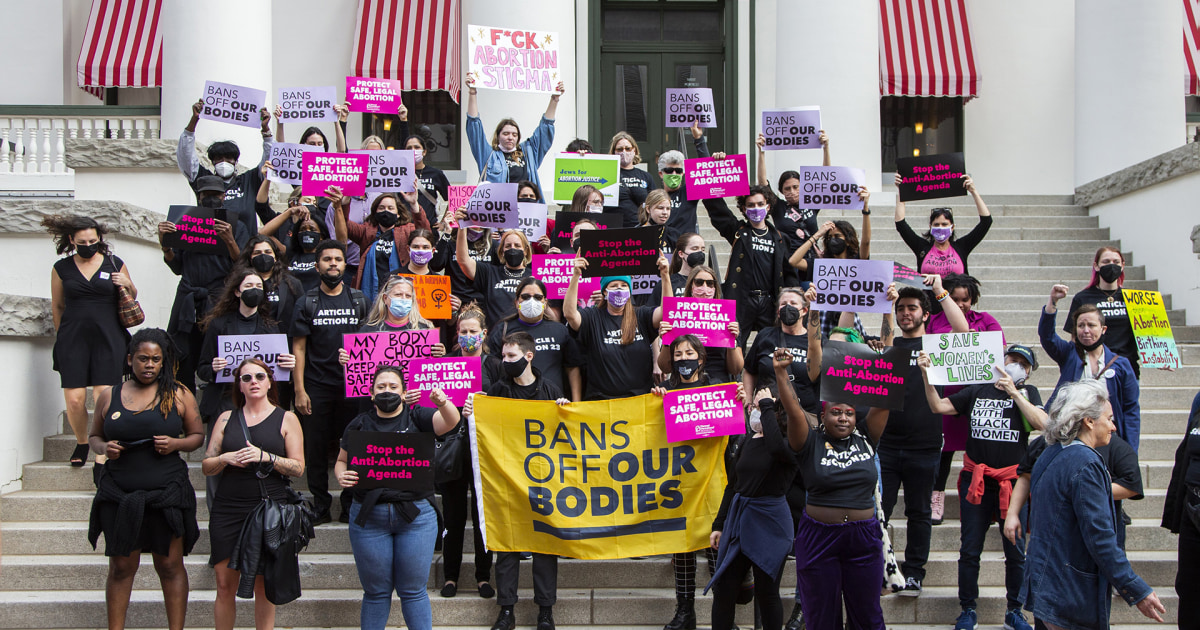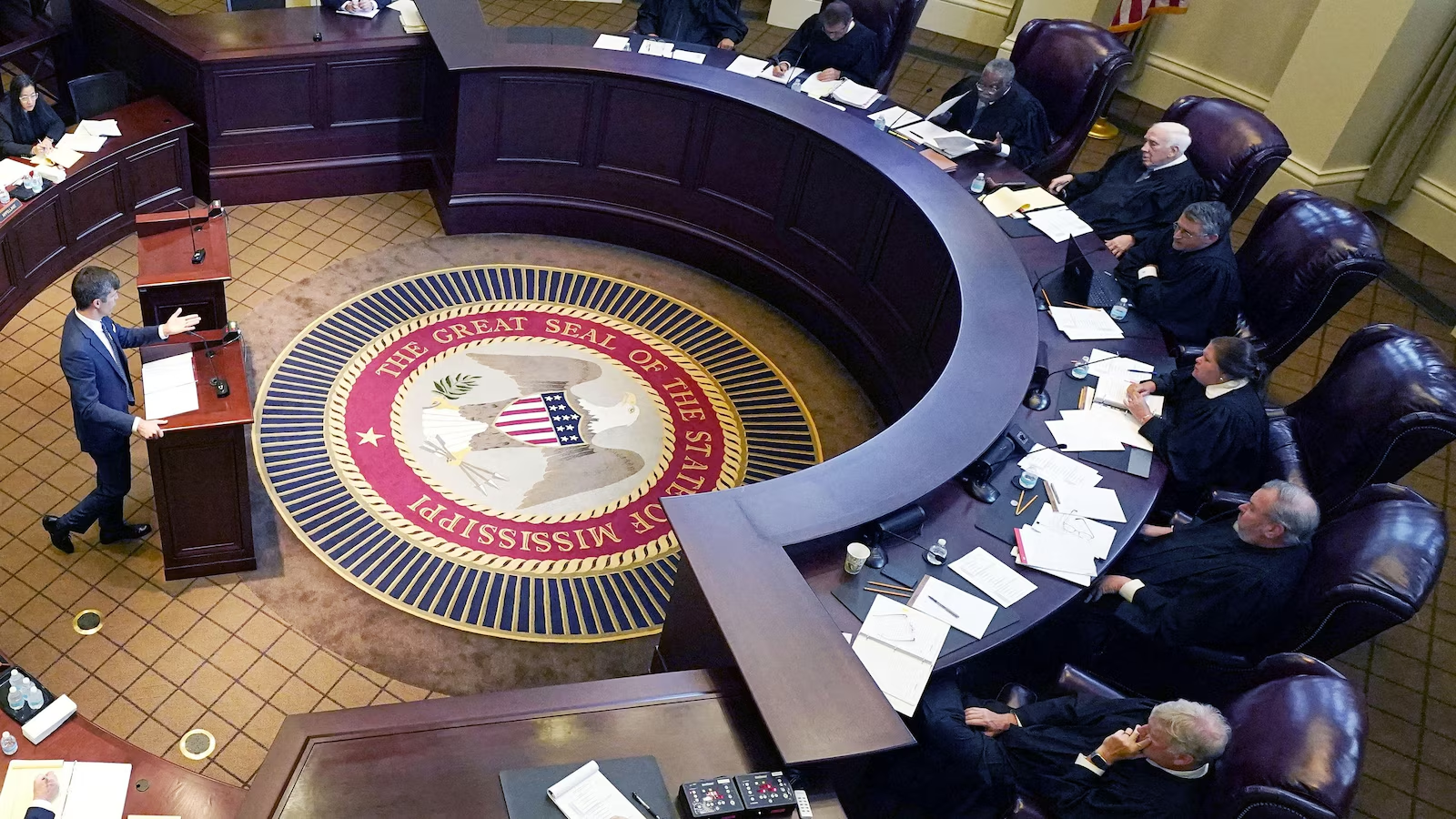
A Mississippi federal judge ordered special elections for the state's Supreme Court after ruling that the current electoral map, which dilutes Black voters' influence, violates the Voting Rights Act. The Mississippi Legislature has until the end of 2026 to redraw the map, with the new elections scheduled for November 2026, following a lawsuit by the ACLU highlighting racial disparities in representation.
The article discusses the results of the 2024 presidential election, highlighting the electoral map and key voting trends that influenced the outcome. It provides an analysis of how different states voted and the overall impact on the political landscape in the United States.
The Democrats' electoral map for the 2024 election has undergone significant changes, with potential implications for the party's strategy and dynamics.
The New York State Court of Appeals has sent the current electoral map back to the state's Independent Redistricting Commission, potentially giving Democrats a more favorable map. Elections expert Dave Wasserman has created a hypothetical "worst-case scenario" map that could give Democrats six additional seats, enough to flip control of Congress. However, Wasserman notes that such a map might face legal challenges as being too partisan.
The US Supreme Court has ruled in favor of Black voters who challenged a Republican-drawn electoral map in Alabama, finding the state violated the 1965 Voting Rights Act. This could force Alabama to redraw its seven House districts so that two would contain Black majorities or near-majorities, up from one now, giving Democrats a greater chance of winning seats across the South. The ruling could affect redistricting cases across the country and help deliver a House of Representatives that better reflects the diversity of the nation, said Suzan DelBene, chair of the Democrats' House campaign arm.