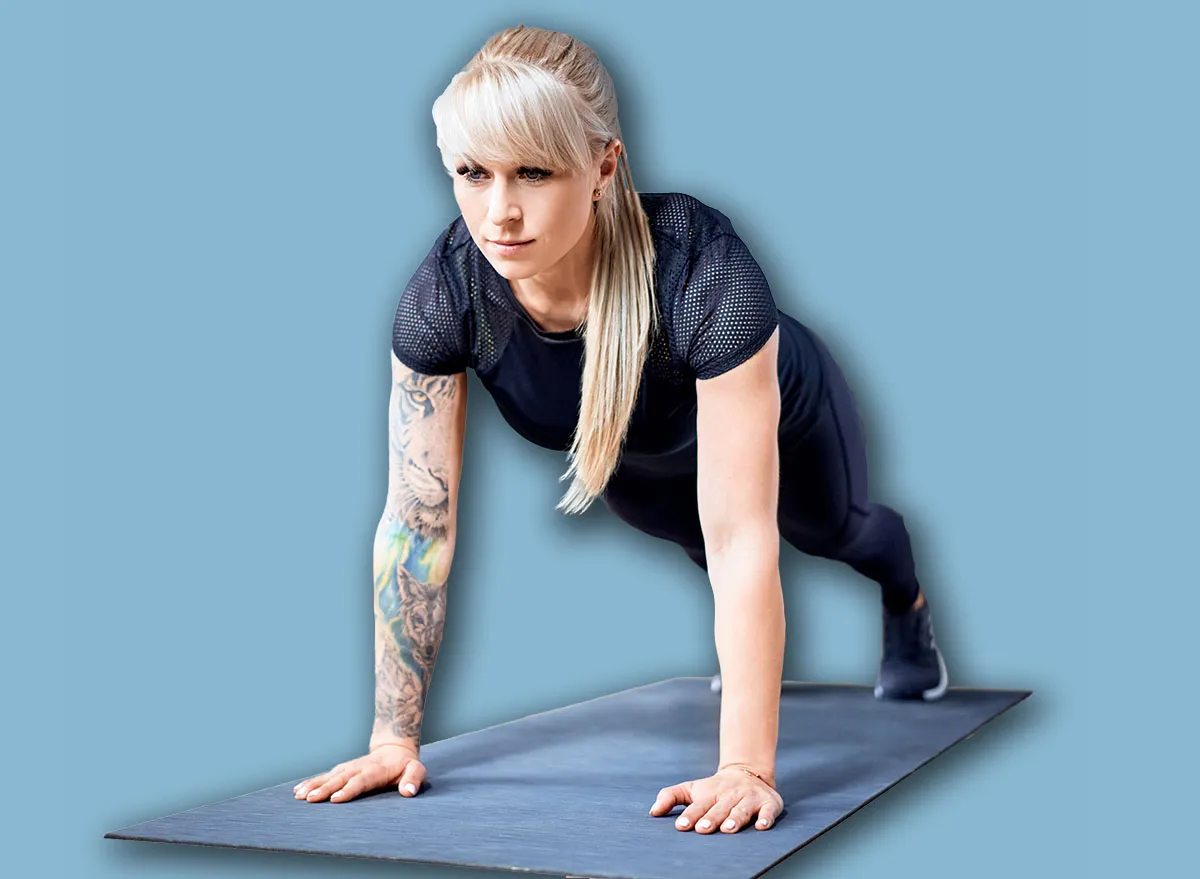
Performing hands-elevated pushups after age 50 indicates top-tier upper-body strength, as this variation maintains core and hip engagement and is a better alternative to knee pushups, which can compromise stability and effectiveness. Regular resistance training is crucial to combat age-related muscle loss and neuromuscular decline.
Performing high numbers of pushups after age 50 indicates elite upper-body strength and overall health. To achieve this, incorporate exercises like incline pushups, resistance band chest presses, planks, dumbbell rows, and tricep dips to build pressing power, shoulder stability, back strength, and core endurance, which are essential for improving pushup performance and promoting healthy aging.
The Mayo Clinic suggests pushup targets as a measure of fitness, with recommended counts decreasing with age. For example, 25-year-old men should aim for 28 pushups, while women should aim for 20. However, fitness experts argue these targets should be adjusted based on individual factors like lifestyle and training history. Regular exercise, including pushups, is linked to numerous health benefits, such as reduced risks of heart disease and dementia. The CDC recommends 150 minutes of moderate exercise weekly, including strength training.
Endurance exercise is crucial for staying healthy and in shape, especially after 60. Pushups, planks, squats, swimming, indoor cycling, and walking are some of the most beneficial endurance exercises for improving cardiovascular and muscular endurance. These exercises can help improve posture, core stability, and lower body strength, while also being low-impact and easy on the joints. Walking for just 30 minutes a day can decrease the risk of developing type 2 diabetes, heart disease, and stroke.
Bodyweight exercises can be an effective way to build strength and improve overall health. Here are seven bodyweight exercises for men to build strength: pushups, squats, pull-ups, tricep dips, planks, lunges, and side planks. Perform three sets of 10 to 20 repetitions of each exercise per day, split into two workouts or done together during a single session, with 60 to 90 seconds of rest between sets.