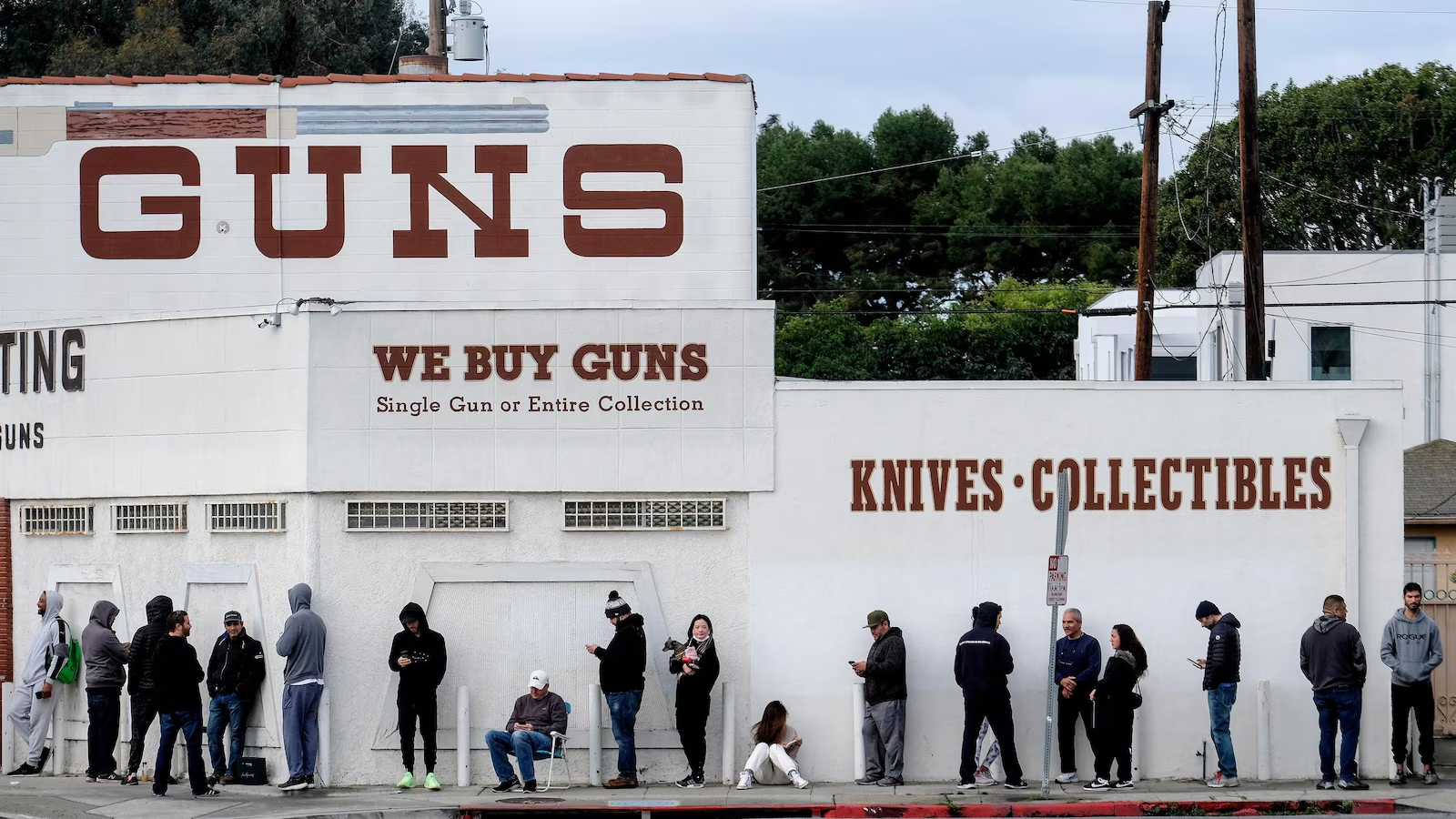
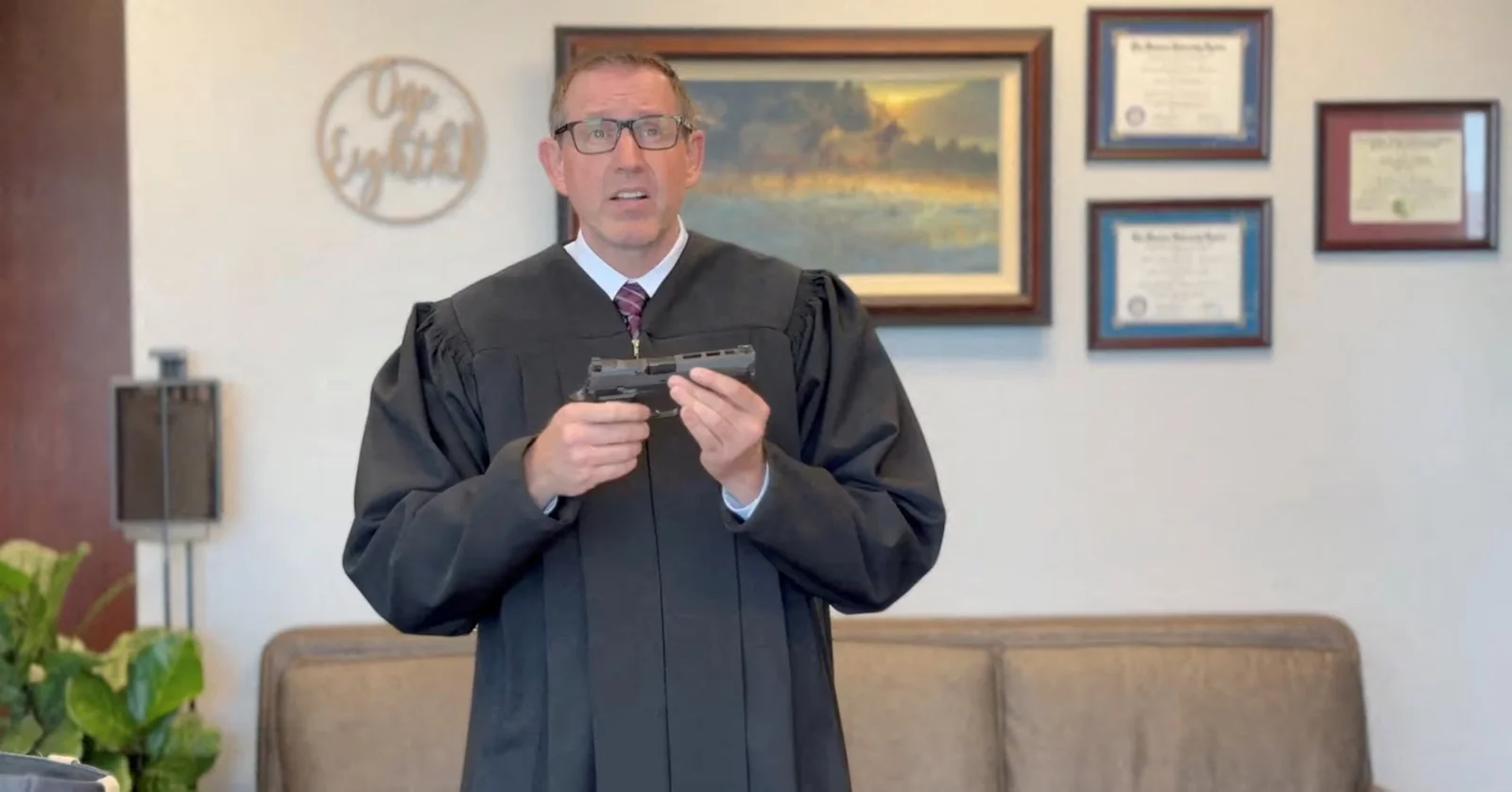
A federal appeals panel ruled that California's ban on open carry in urban areas is unconstitutional, citing conflicts with the Second Amendment, sparking debate over gun rights and regulations in the state.
A U.S. appeals court ruled that California's ban on openly carrying firearms in most areas is unconstitutional, citing the state's restrictions as inconsistent with the Second Amendment and historical firearm practices, though the decision is subject to further legal review.
A federal appeals court will rehear the case over the deployment of the Oregon National Guard to Portland, reversing a previous ruling that allowed federalization, and emphasizing that the president cannot deploy the military into U.S. cities unnecessarily, as legal battles over the authority to deploy troops continue.
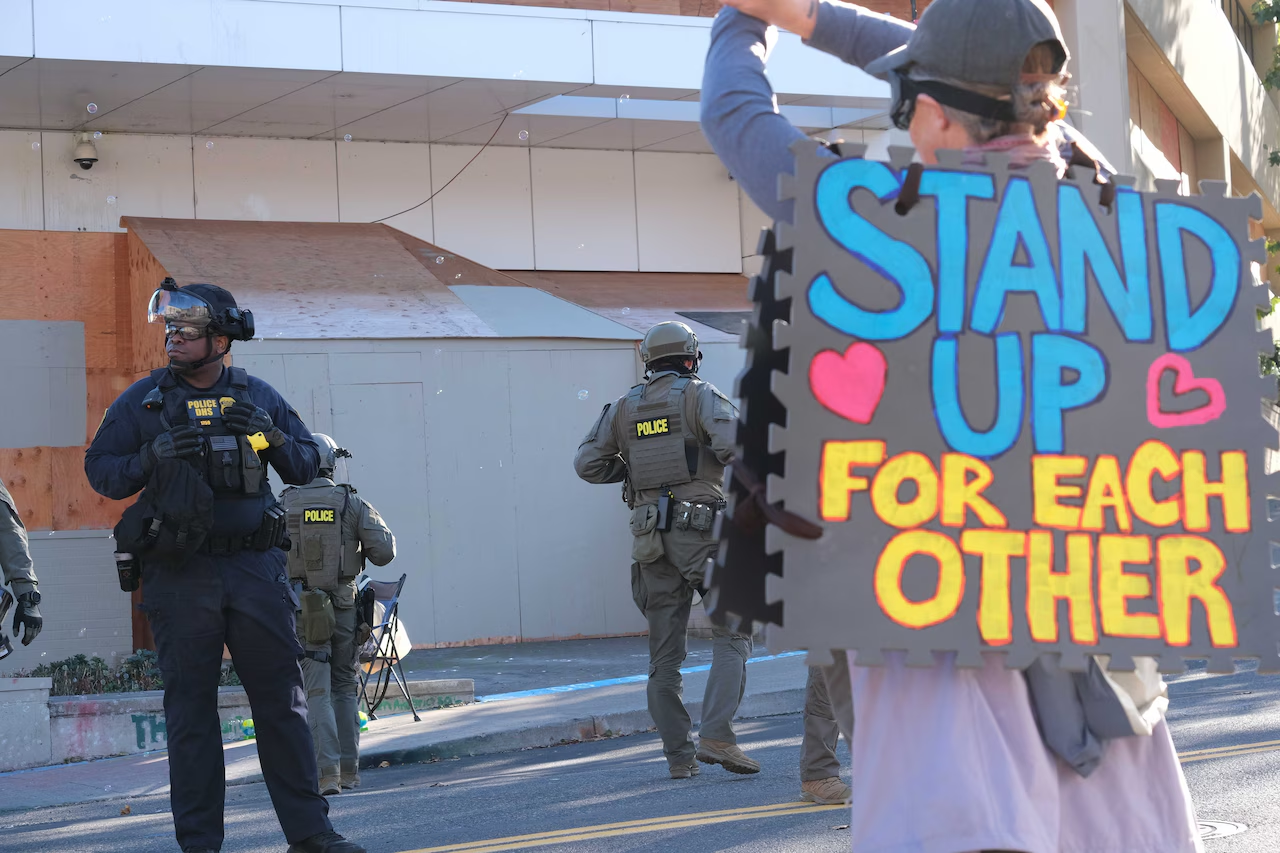
Protests outside Portland's ICE building continue amid legal debates over President Trump's potential deployment of National Guard troops, with the 9th Circuit Court weighing the issue and some federal tactics appearing less aggressive. Meanwhile, a unique wedding took place during the protests, highlighting the changing tone of demonstrations and local residents' frustration with how Portland is portrayed in the media.
A federal appeals court showed skepticism towards a temporary order blocking President Trump from deploying the Oregon National Guard to Portland, questioning the legal basis and the president's authority in the context of ongoing protests and violence at the ICE facility. The court highlighted the broad powers of the president in law enforcement and the challenges in limiting such executive actions, with a decision pending.
Cities across the U.S., including Los Angeles and Chicago, support Oregon's legal challenge to prevent the deployment of National Guard troops to Portland, arguing that the federal government is attempting an unlawful military mobilization without sufficient justification, and emphasizing the potential costs and local law enforcement's capacity to handle protests.
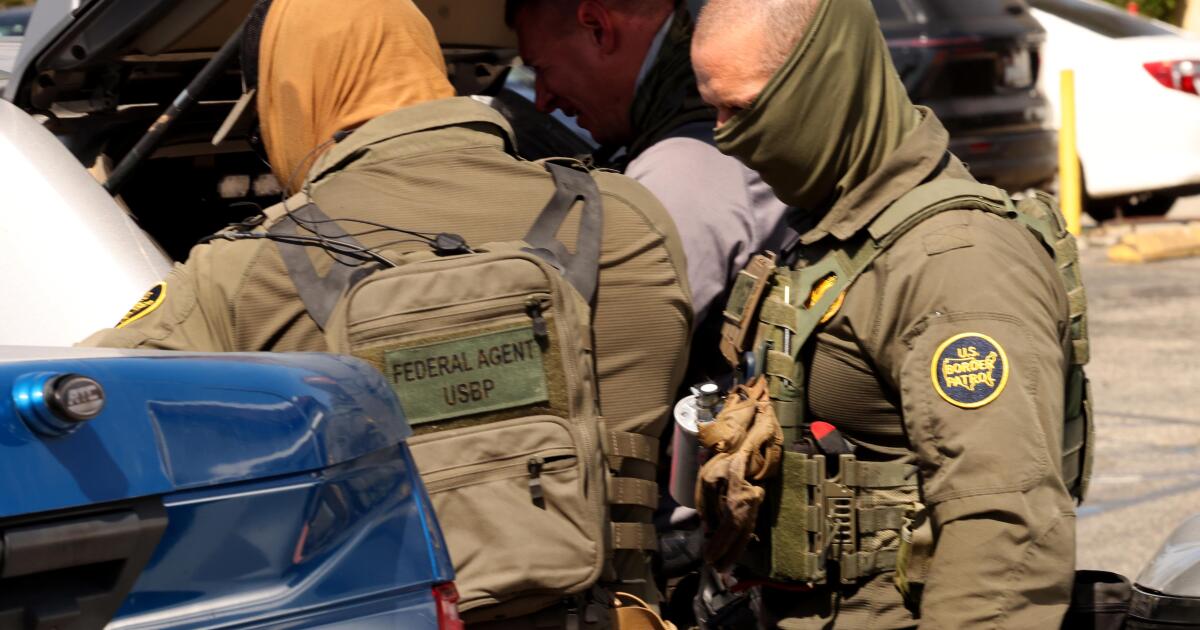
The 9th U.S. Circuit Court of Appeals upheld a temporary restraining order blocking aggressive ICE 'roving patrols' in Southern California, emphasizing the need for reasonable suspicion in stops and criticizing the government's misreading of the order, with ongoing legal proceedings expected.
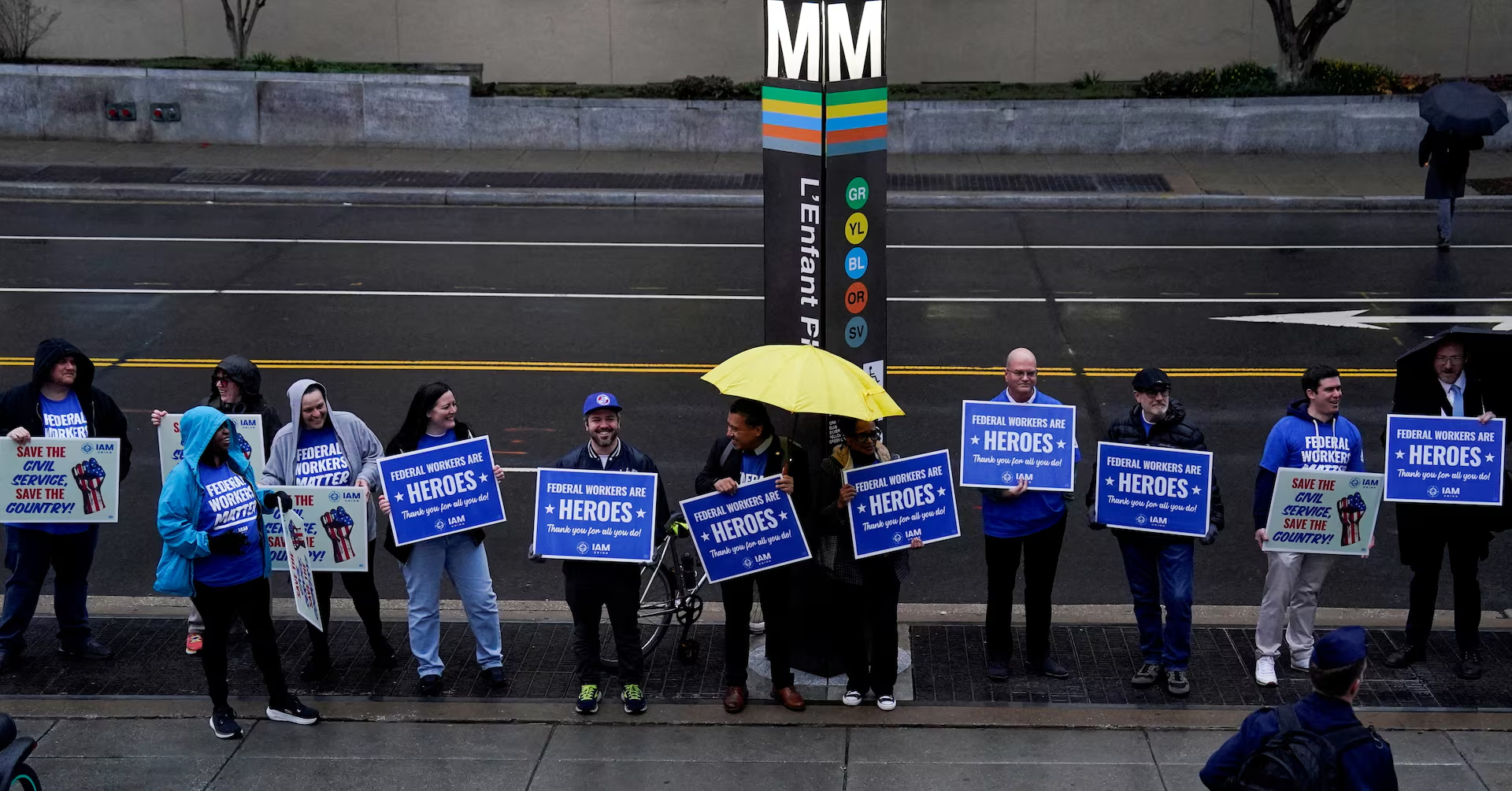
A federal appeals court in the 9th Circuit has temporarily allowed the Trump administration to end union bargaining rights for certain federal workers through an executive order, overturning a lower court injunction that had blocked the order due to concerns over free speech and retaliation against unions. The case remains open for further legal proceedings.
A U.S. appeals court is scrutinizing whether the Trump administration set specific deportation quotas, including reports of aiming for 3,000 deportations daily, amid concerns that such targets may lead to illegal or unjustified immigration arrests. The court is seeking clarity from the DOJ on the existence of these quotas and their legal implications, especially in the context of ongoing legal challenges to large-scale immigration sweeps.
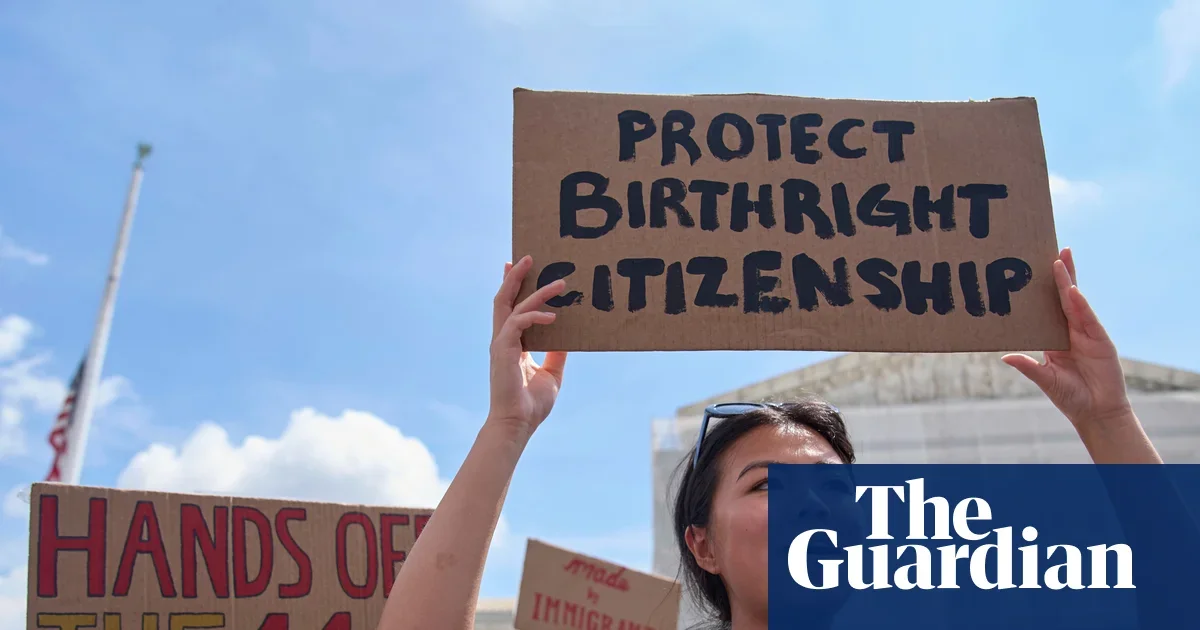
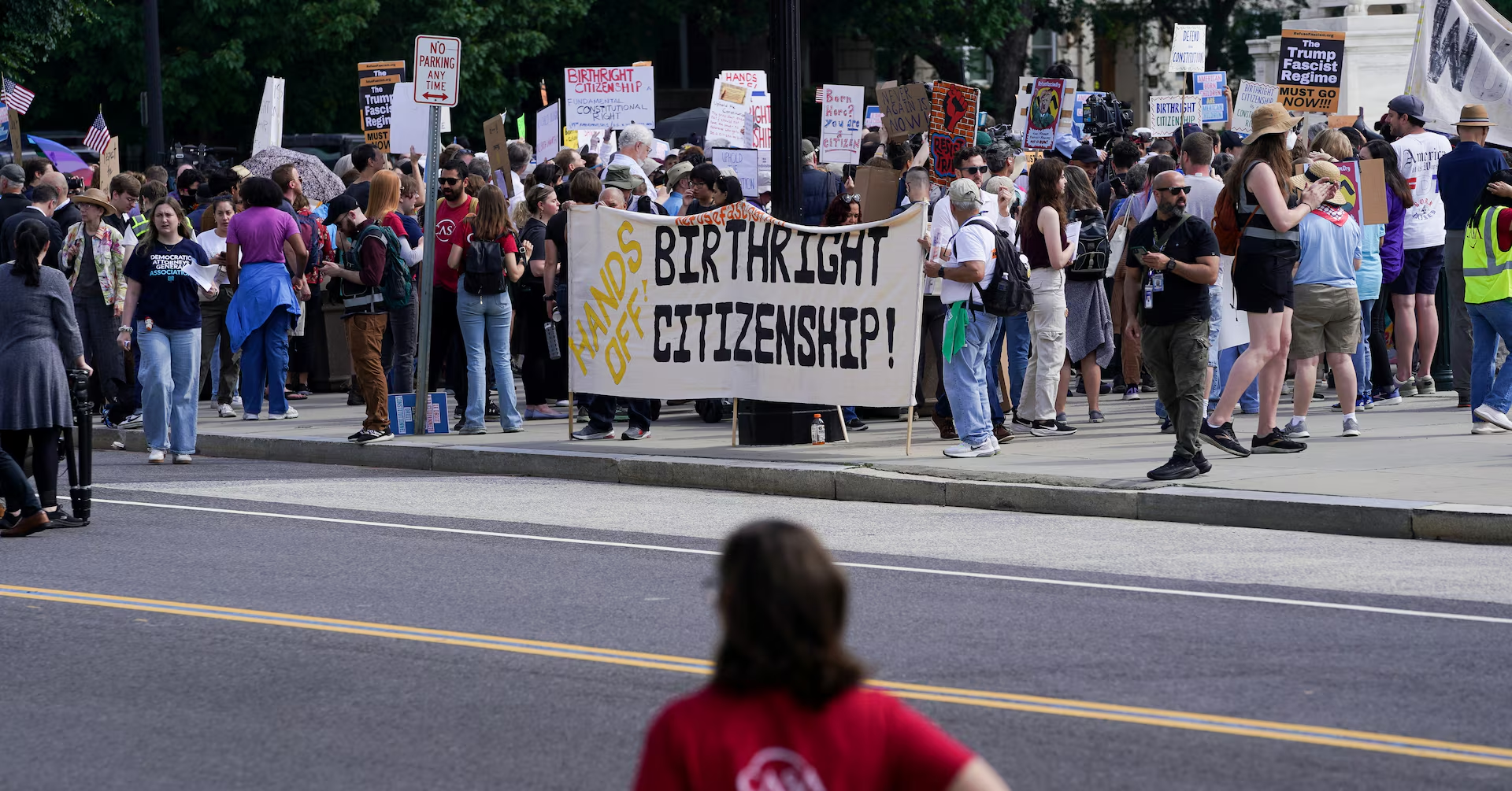
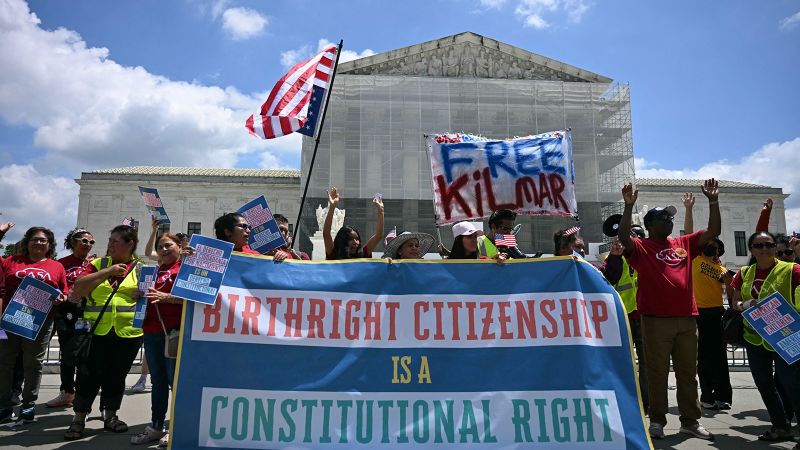
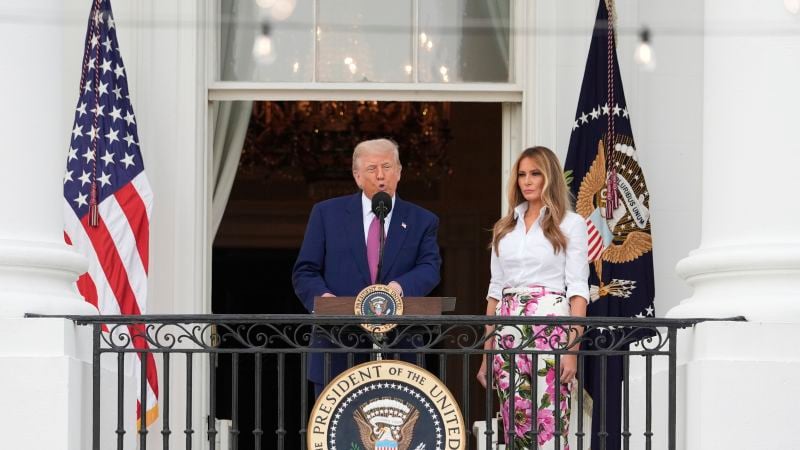
A US federal appeals court in San Francisco ruled that Donald Trump's attempt to revoke birthright citizenship via executive order is unconstitutional, continuing a series of legal challenges against the order which was signed shortly after his inauguration. The case now moves closer to the Supreme Court, with previous rulings blocking the order and debates over its legality rooted in the 14th Amendment.
A federal appeals court blocked Trump's order to restrict automatic birthright citizenship, ruling it unconstitutional, marking the first such assessment by an appeals court since a Supreme Court ruling limited lower courts' power to block federal policies nationwide. The case may be appealed further, with the Supreme Court expected to have the final say.
A federal appeals court upheld a nationwide block on President Trump's attempt to end birthright citizenship, ruling it unconstitutional and emphasizing that it contradicts the Citizenship Clause of the Constitution, marking the first time an appeals court has fully concluded Trump's order is unconstitutional.
A federal appeals court paused a ruling that required President Trump to return control of California's National Guard to the state, citing legal and constitutional concerns, including violations of federal law and the Tenth Amendment, with a hearing scheduled for Tuesday to further review the case.
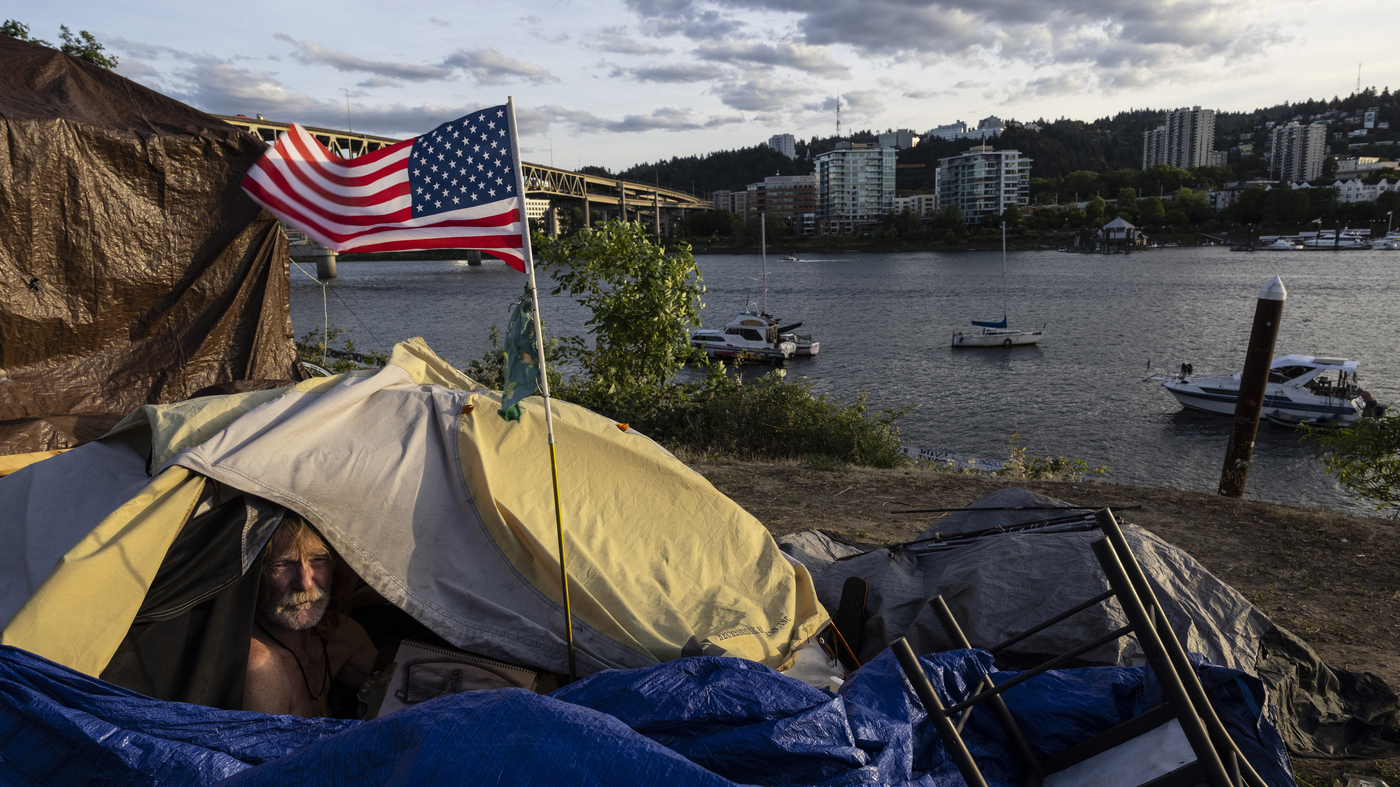
The U.S. Supreme Court will hear a case in April that could redefine how cities address homelessness, focusing on whether they can penalize individuals for sleeping outside when no shelter is available. The case, Grants Pass v. Johnson, originated from a lawsuit filed on behalf of homeless individuals in Oregon and has drawn support from various officials. Critics argue that such penalties exacerbate the housing crisis and criminalize homelessness, while cities contend that court rulings have hindered their efforts to manage public safety. The outcome of this case could have significant implications for the growing number of people living in tents and cars across the United States.
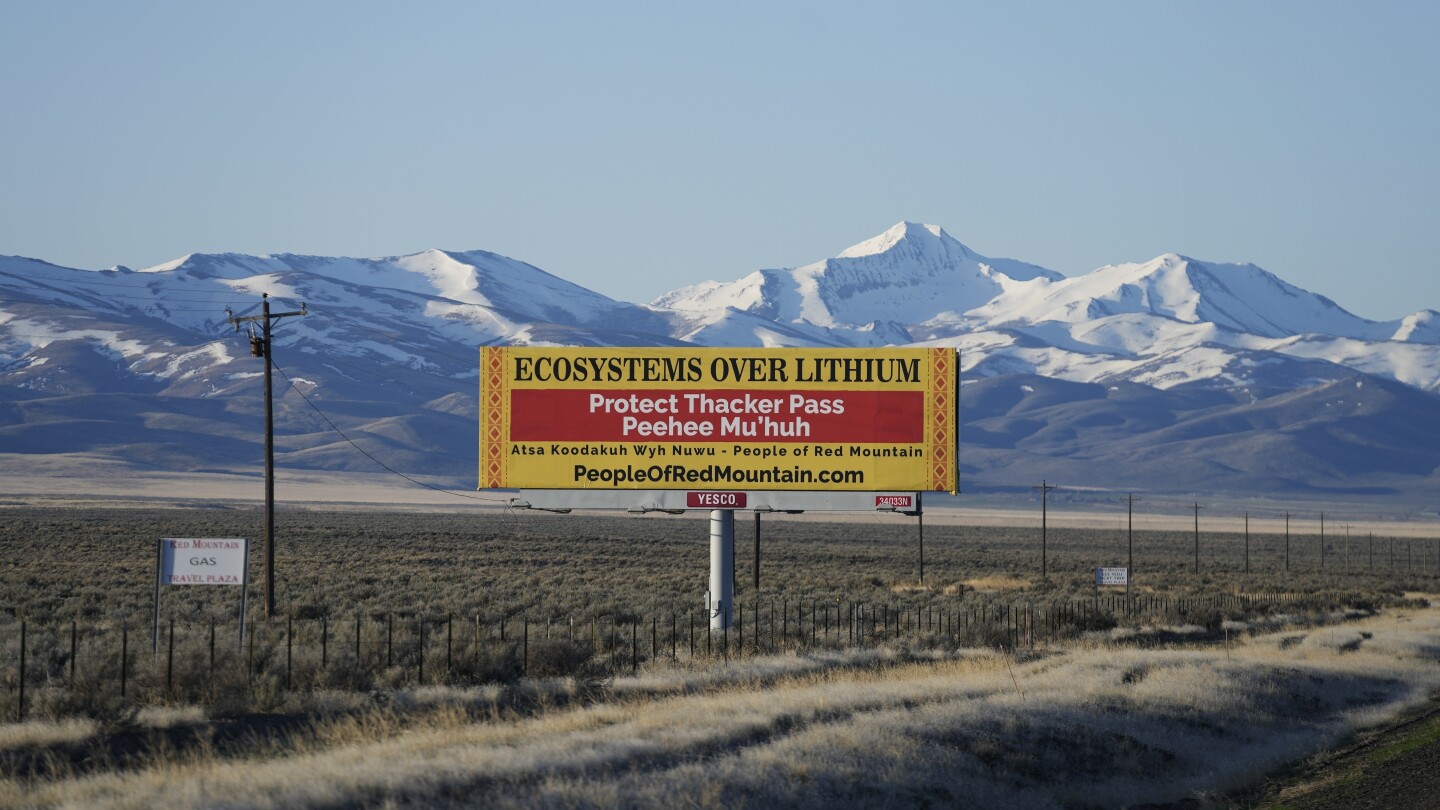
The 9th U.S. Circuit Court of Appeals has denied a bid by environmentalists and tribal leaders to block the construction of a large lithium mine along the Nevada-Oregon line. The court rejected multiple legal arguments put forth by the opponents, who have been fighting the mine in federal court for two years. The mine, supported by the Biden administration, is seen as a key project in transitioning to cleaner energy sources. Critics claim it will violate environmental laws and destroy sacred lands. The court deferred to the expertise of the U.S. Bureau of Land Management, which approved the mine, and a U.S. District Judge's decision to allow construction to proceed.