The return of the All-Star Game to Atlanta has largely gone uncriticized by top Georgia Democrats, despite their previous opposition to the 2021 election law that led to its earlier boycott, highlighting a shift in political stance or priorities. Meanwhile, Georgia voters are choosing a Democratic nominee for the Public Service Commission amid concerns about undervotes and candidate disqualifications, and other political developments include education funding debates and election procedure reviews.
National Grid has requested the New York State Public Service Commission to approve a 15-20% rate hike for residential electric and gas customers starting in spring 2025. The increase aims to support infrastructure, customer service, economic growth, and the transition to clean energy. The proposal could potentially spread costs over several years to mitigate the immediate impact. This follows similar rate increases approved for RG&E and NYSEG. Public hearings will be held for customer feedback.
The Maryland Public Service Commission has authorized Baltimore Gas and Electric's multi-year rate plan, which includes a rate increase over three years totaling nearly $408 million. The approved rates will result in average year-one bill increases of $4.08 per month for residential electric customers and $10.43 per month for residential gas customers in 2024. The increases will decline in subsequent years, reaching 34 cents per month for electric and $2.80 per month for gas in year three. The use of federal tax credits will partially offset the rate increases in year one. BGE has expressed appreciation for the decision and stated that it will continue to engage with stakeholders to ensure transparency and clarity in implementing the plan.
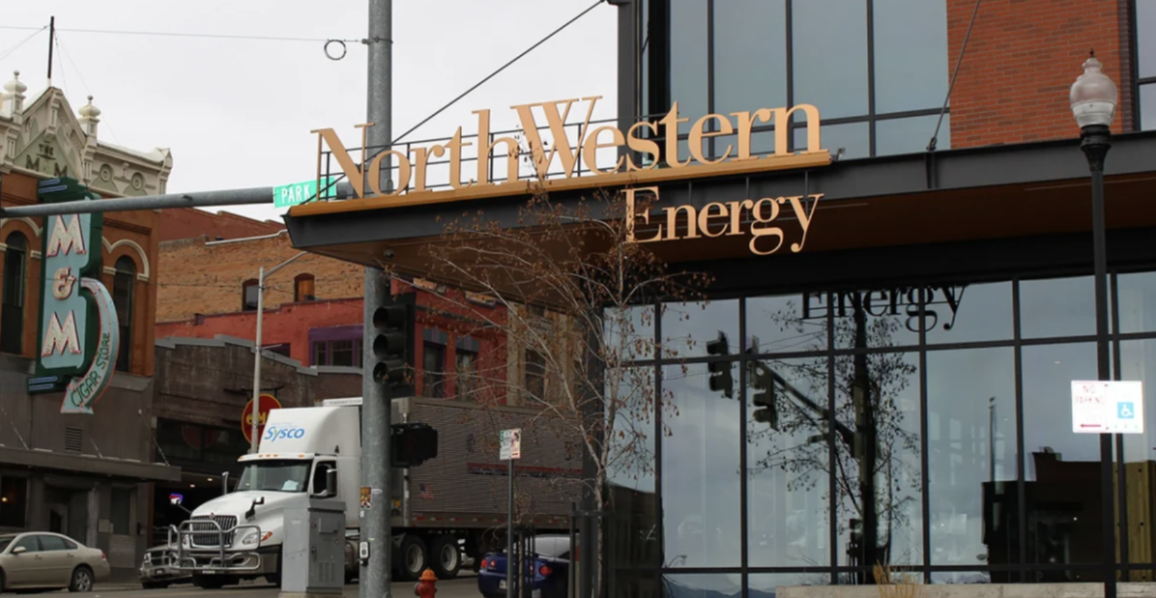
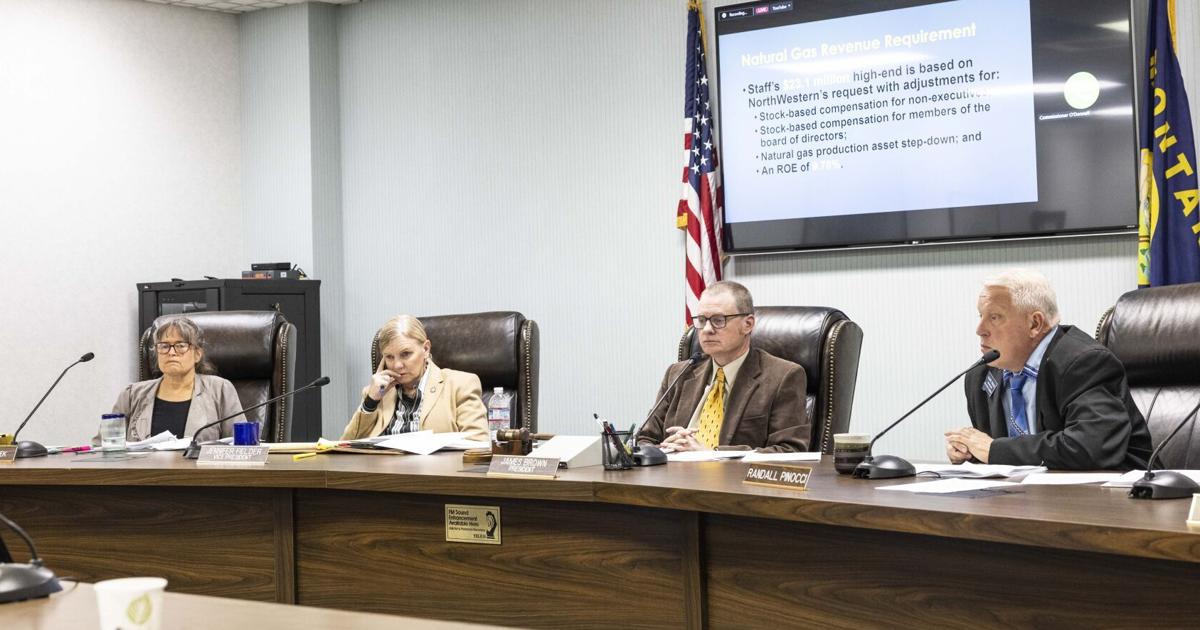
The Public Service Commission has approved a new rate structure for NorthWestern Energy, Montana's largest monopoly utility, despite opposition from the public. Residential customers will see a 28% increase in bills compared to August 2022, or an 8% increase since the interim rate increase approved last fall. Critics argue that the rate increase will be devastating for many consumers, particularly older Montanans on fixed incomes. The approved rate changes are expected to increase NorthWestern's electricity-related revenue by $82 million and its natural gas revenue by $18 million.
Montana regulators have approved a rate increase of up to 28% for residential and small business customers of NorthWestern Energy, the state's largest monopoly utility. The increase, which has been incrementally rising since August 2022, is attributed to infrastructure investments and taxes. The approval has sparked criticism from customers who argue that residential and small business customers are facing higher rate hikes compared to large businesses. The rate increase does not include the cost of NorthWestern's newly constructed gas-fired power plant, which will be billed separately next year. Other Montana utilities, such as Montana Dakota Utilities, have also recently increased rates.
The New York State Public Service Commission has approved a modified version of NYSEG's rate hikes, reducing the increases to 50% of the initial proposal. NYSEG President & CEO Trish Nilson defended the rate hikes, stating that they would benefit customers by allowing critical investments in infrastructure and green energy initiatives. Governor Hochul acknowledged that the approved rates may strain household budgets and announced $400 million in relief funds for impacted customers. Under the new rate plan, NYSEG electrical customers can expect average monthly bill increases of 10.3% in November 2023, 8.4% in May 2024, and 9.9% in May 2025. Gas customers will see increases of 3.6% in November 2023, 1.5% in the second year, and 2.9% in the third year.
The New York State Public Service Commission is set to vote on Thursday on proposed rate increases for RG&E, with the utility company seeking a 19% increase for electric and a 20% increase for gas. Customers and politicians have raised concerns about poor service during storms and customer service issues. RG&E argues that the rate increases are necessary to invest in clean energy, grid infrastructure, and customer service.
Evergy, an electric utility company, has requested permission to change the default plan for customers who do not select one of the four new time-based plans that will be implemented next month. The Missouri Public Service Commission had ordered Evergy to switch to time-based plans for peak summer hours starting in November 2022. Evergy is offering four plans for Missouri residential customers, and they are seeking to change the default plan to the Peak Reward Saver plan, which offers lower rates during peak weeknight hours compared to the current default plan. Evergy is also asking for the option to offer a standard tier rate plan in 2024 for customers who may not be able to adjust their electricity usage for time-based plans.
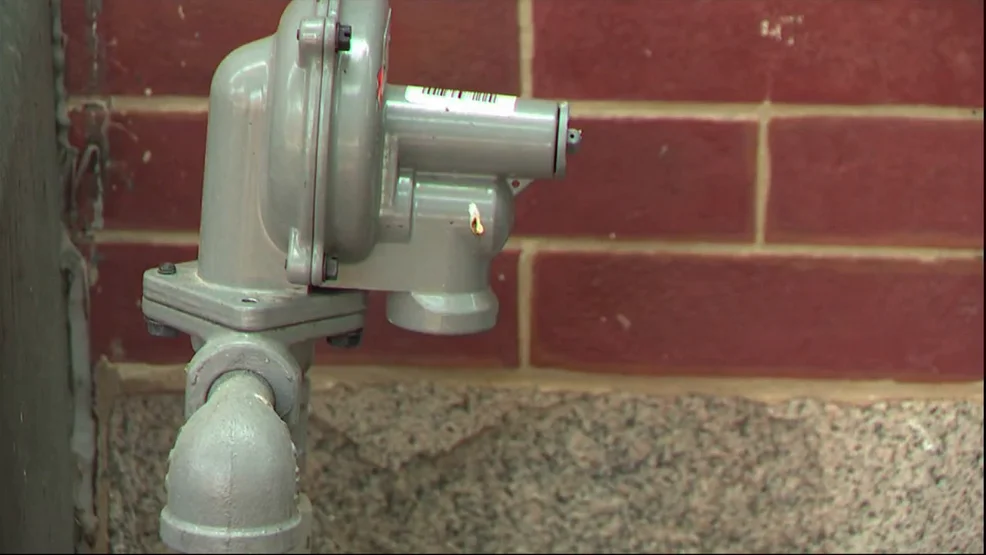
The Maryland Public Service Commission has ruled in favor of homeowners in Baltimore, stating that residential gas customers can choose whether gas pressure regulators are installed inside or outside their homes, except under certain circumstances. The commission also stated that utilities cannot cut off gas service or threaten to do so if a customer declines an exterior regulator, unless outdoor installation is required by law. Homeowners who filed a class action lawsuit against Baltimore Gas and Electric Co. (BGE) plan to seek damages or a reversal of work for anyone in the BGE service territory who had an external regulator installed against their objections. The commission's decision is seen as a victory for residents, but the fight is not over as the lawsuit continues.
The Maryland Public Service Commission is questioning Baltimore Gas and Electric (BGE) regarding the use of controversial gas regulators. The regulators have been the subject of controversy due to safety concerns and potential risks. The commission is seeking answers from BGE regarding their decision to use these regulators and the steps taken to ensure public safety.
NYSEG and RG&E will face penalties of $8.72 million and $5.9 million, respectively, for failing to meet customer service standards set by the New York State Public Service Commission. The penalties will be assessed through reduced customer revenue. Four other utilities were also penalized for a record $22.5 million. News10NBC has been investigating billing and customer service issues with RG&E and NYSEG for over a year. The companies have released a statement saying they have made significant improvements to customer service and reliability.
The State Public Service Commission is deciding the fate of the Pleasants Power Station, a coal-fired power plant in West Virginia that is targeted for closure by Energy Harbor. First Energy subsidiaries Mon Power and Potomac Edison are potentially interested in buying the plant, but they want their rate payers to subsidize the power plant’s operation during the year-long analysis. The Pleasants Power Station issue is emblematic of the difficulties associated with the transition in electricity generation that is happening in this country, as power companies move away from coal and natural gas power plants to lower their CO2 emissions and to meet customer demands for more electricity generated by renewables.