Tag

Public Health Threat

All articles tagged with #public health threat

science2 years ago

"Resurrecting Ancient 'Zombie' Bugs and Viruses: Scientists' Remarkable Achievement"

Scientists have successfully revived ancient bacteria, prehistoric viruses, and now a 46,000-year-old roundworm that started reproducing after being thawed from Siberian permafrost. As the climate crisis continues to melt ancient ice sheets, experts are concerned about the potential risks these "zombie" creatures could pose to humanity. The discovery of prehistoric viruses in permafrost has raised public health concerns, as they could potentially infect animals and humans. Additionally, the melting ice could release previously eradicated or controlled bugs, leading to unforeseen outbreaks.


health2 years ago

Rising Climate Change Linked to Increasingly Dangerous Fungus

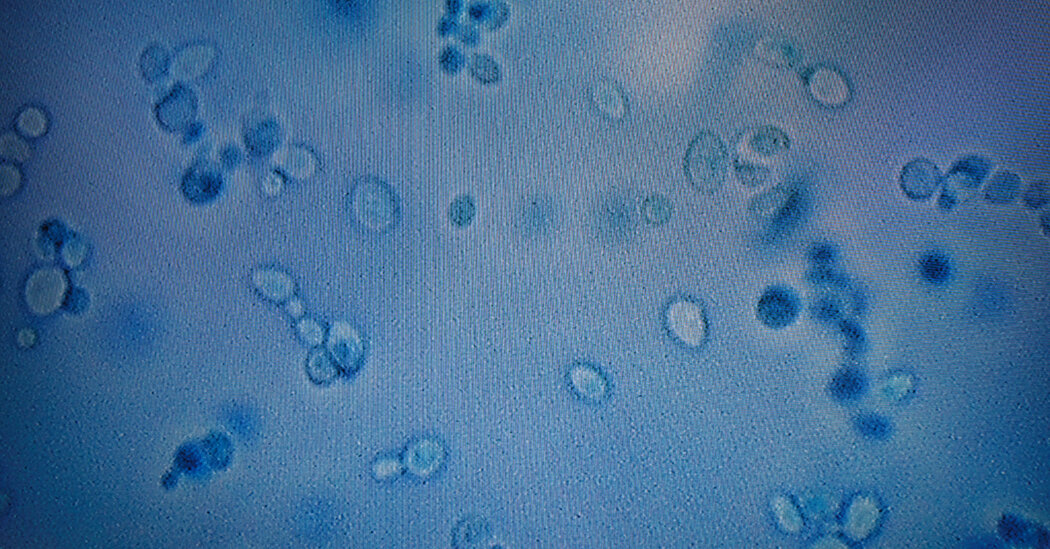
Candida auris, a dangerous and potentially deadly fungal infection, is becoming more prevalent globally, with New York City being a major hotspot. The rise of this infection, which was first identified in the United States in 2016, is believed to be linked to climate change. Rising temperatures may allow fungi to develop tolerance to warmer environments, potentially compromising human resistance. Candida auris is resistant to common antifungal treatments and can spread rapidly in healthcare settings. The infection poses a significant threat to immunocompromised patients and is challenging to diagnose and treat. Researchers are investigating the emergence of Candida auris, with climate change being a widely accepted theory. Urgent efforts are underway to mitigate transmission in healthcare settings.

health2 years ago

Rising Climate Change Linked to Increasingly Dangerous Fungus

Candida auris, a dangerous and potentially deadly fungal infection, is becoming more prevalent globally, with New York City being a major hotspot. The rise of this infection, which was first identified in the United States in 2016, is believed to be linked to climate change. Rising temperatures may allow fungi to develop tolerance to warmer environments, potentially compromising human resistance. Candida auris is resistant to common antifungal treatments and can spread rapidly in healthcare settings. The infection poses a significant threat to immunocompromised patients and is challenging to diagnose and treat. Researchers are investigating the emergence of Candida auris, with climate change being a widely accepted theory. Urgent efforts are underway to mitigate transmission in healthcare settings.

health2 years ago

Rapid Spread of Deadly Fungus in US Healthcare Facilities Detected by CDC

Candida auris, a drug-resistant fungus that preys primarily on older people with weakened immune systems, has spread rapidly during the pandemic and is now in more than half the 50 states, according to a new research paper. The surge represents a “dramatic increase” in caseload and transmission of C. auris, which is particularly dangerous because it resists treatment by common antifungal medications. The pandemic likely worsened the spread of C. auris, as less emphasis was put on screening for it and personal protective gear was reused due to supply shortages. Health officials are concerned that if resistance to frontline treatment class of drugs called echinocandins becomes more common, C. auris could become extremely difficult, if not impossible, to treat.