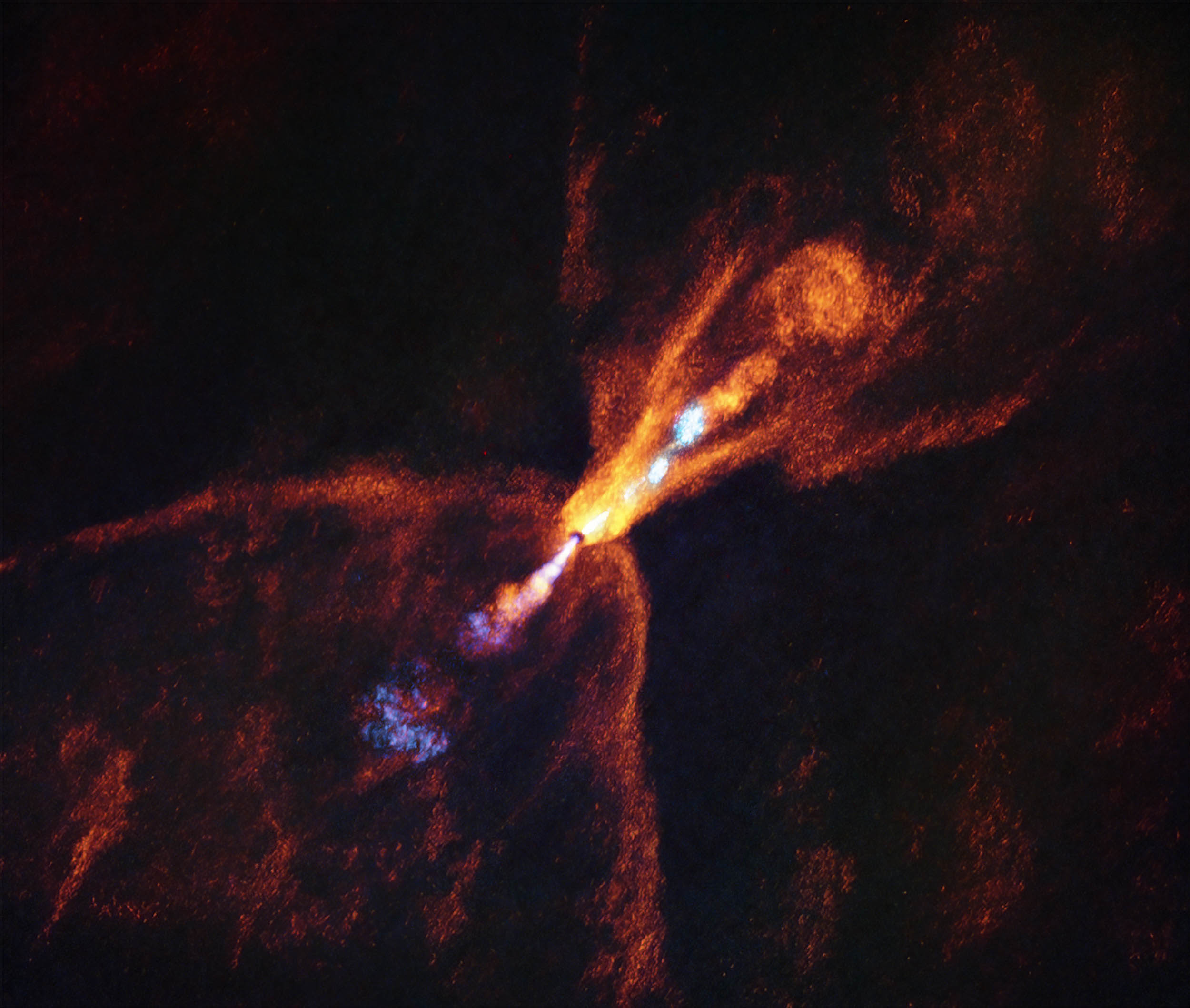
Astronomers have captured the first direct evidence of planet formation in a young star system, HOPS-315, using the James Webb Space Telescope and ALMA, observing hot silicon monoxide vapor and crystallizing silicates that mark the initial steps of planet building, providing a real-time glimpse into the early stages of our Solar System's formation.
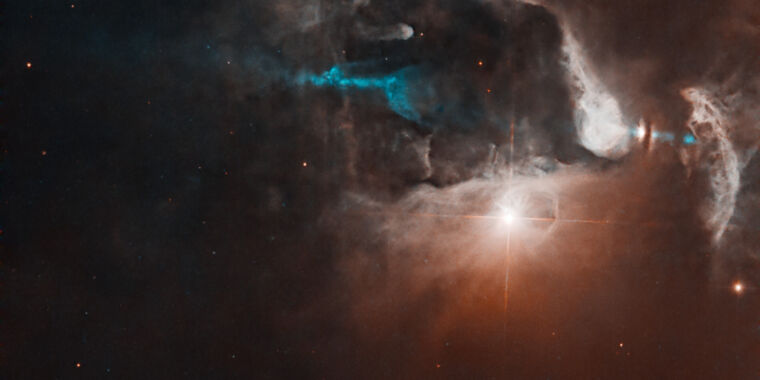
The Hubble Space Telescope captured an image of the young multi-star system FS Tau, showcasing a T Tauri binary system and a protostar surrounded by a protoplanetary disc. The system is approximately 2.8 million years old and located about 450 light-years away from Earth, offering a glimpse into the formation of stars and planets in the universe.
Researchers from the University of Warwick have proposed a new method of planet formation called "sandwiched planet formation," where a smaller planet forms between two larger ones in a protoplanetary disc. This theory could potentially explain the formation of smaller planets like Mars and Uranus. The presence of two large planets hinders the inward flow of dust, leading to the accretion of less dust between them. Over time, the gathered dust can come together to form a smaller planet "sandwiched" between the two larger ones. Further research is needed to validate this theory.
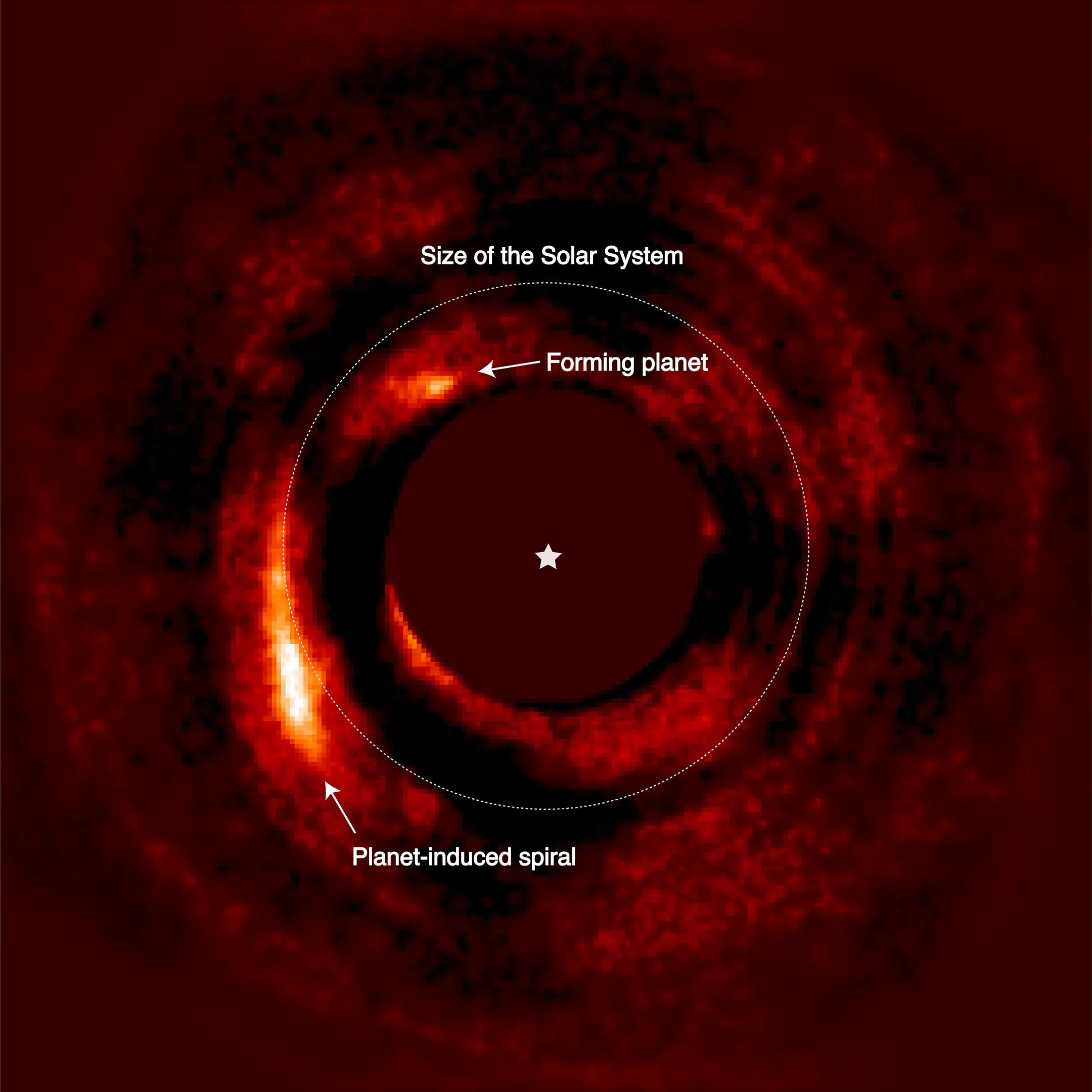
Astronomers have confirmed the existence of a protoplanet, HD169142 b, located 374 light years away from Earth. Using data from the SPHERE instrument of the European Southern Observatory, researchers from the University of Liège and Monash University were able to detect the thermal signature of the forming planet. The protoplanet, which is still in the process of gathering material, is located in a disk of gas and dust surrounding the star HD 169142. This discovery increases the number of confirmed protoplanets to three and provides valuable insights into the early stages of planet formation. Further observations with the James Webb Space Telescope could provide additional characterization and confirmation of the protoplanet.
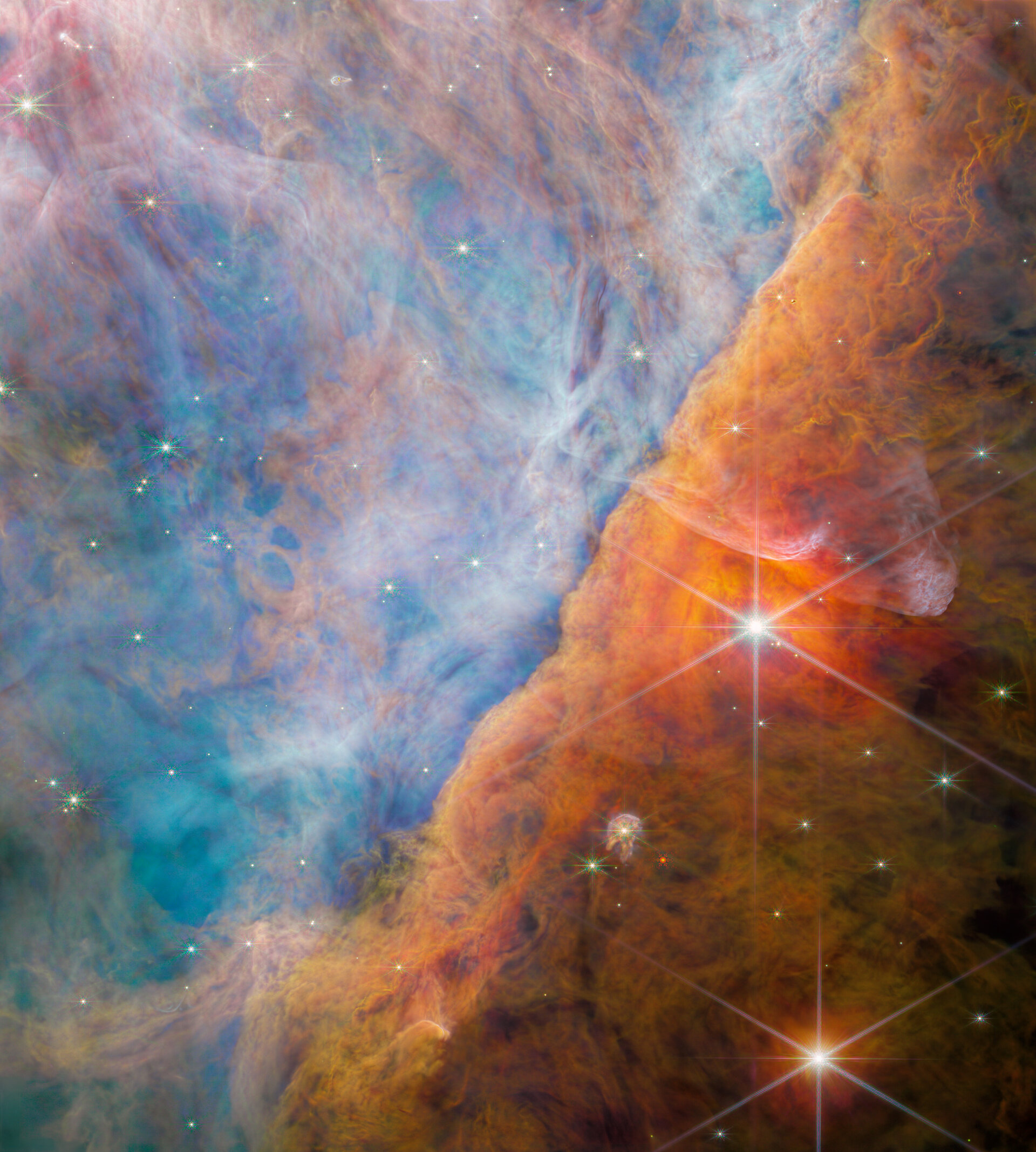
The James Webb Space Telescope has detected the methyl cation (CH3+) for the first time in a protoplanetary disc surrounding a young star, providing insight into interstellar carbon chemistry and the potential for life elsewhere in the universe. CH3+ is a crucial carbon-based molecule that initiates the growth of more complex organic compounds. The molecule's detection was made possible through a cross-disciplinary analysis, including input from laboratory spectroscopists. The discovery was made in the Orion Nebula, where the system is bombarded by strong ultraviolet radiation from nearby hot, young, massive stars, which may play a critical role in the early chemical stages of the origins of life.