ProPublica published 25 in-depth investigations over the past year covering topics such as delayed justice in Alaska, federal health agency cuts, drug pricing, online extremism, and public health crises, highlighting systemic issues and accountability.
ProPublica's most-read stories of 2025 include in-depth investigations into government actions, healthcare issues, immigration, and political controversies, highlighting significant societal and political challenges faced in the year.
ProPublica investigated the FDA's limited testing of generic drugs, revealing irregularities and quality concerns in widely used medications like bupropion and metoprolol, which could compromise their effectiveness and patient safety, highlighting the agency's reliance on manufacturers and sporadic testing practices.
ProPublica has sued the FDA for withholding records about the safety and manufacturing conditions of generic drugs, aiming to increase transparency and protect consumers amid concerns over overseas manufacturing and recent safety incidents.
Ahead of elections where abortion access is a key issue, reports have emerged of life-threatening consequences due to strict abortion bans in Texas and Georgia. ProPublica highlighted cases where women died after being denied timely miscarriage care due to these laws. While Texas and Georgia are not voting on abortion measures, 10 other states have ballot initiatives that could expand or protect abortion rights. Advocates argue that these stories resonate with voters nationwide, potentially influencing the outcome of these measures.
A new investigation has revealed that the replacement breathing devices sent out by Philips after the 2021 safety recall may also pose dangerous problems, raising concerns about the safety of these widely used machines.
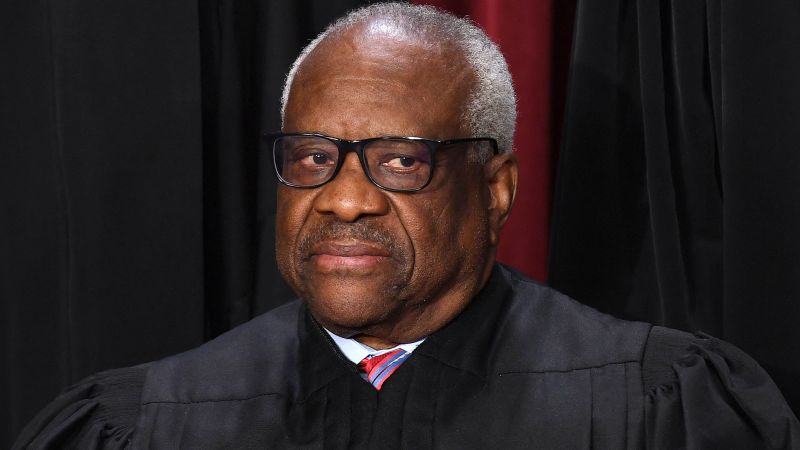
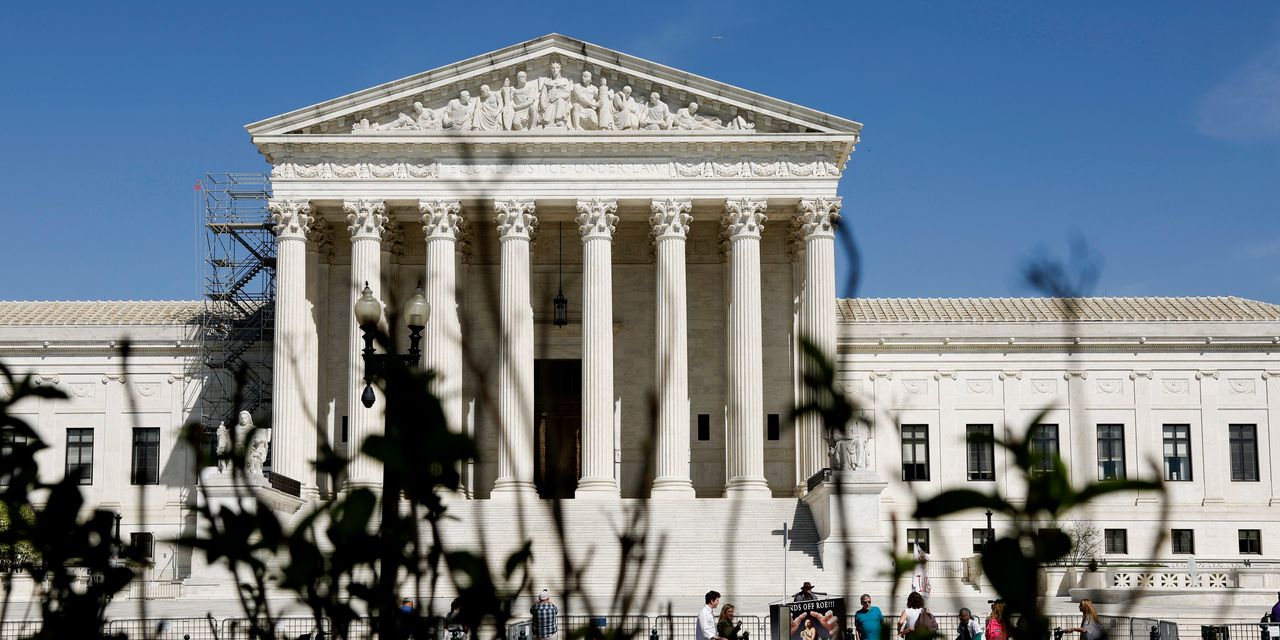
A report from ProPublica reveals that Supreme Court Justice Clarence Thomas secretly attended two donor events hosted by the Koch network, potentially putting him in violation of federal law.
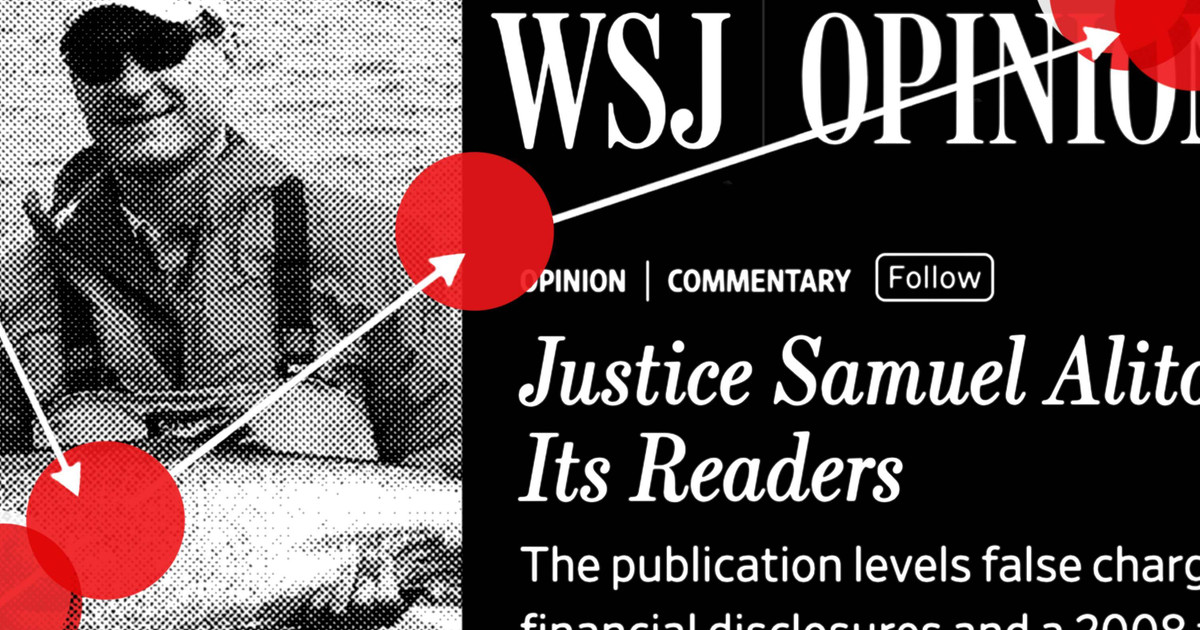
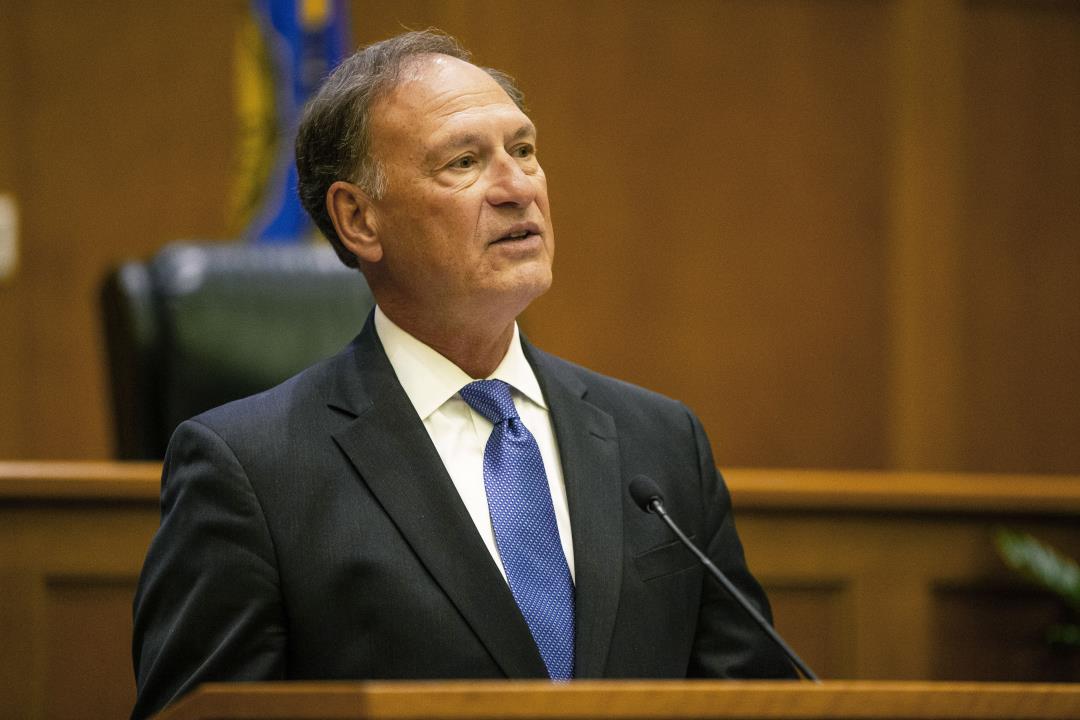
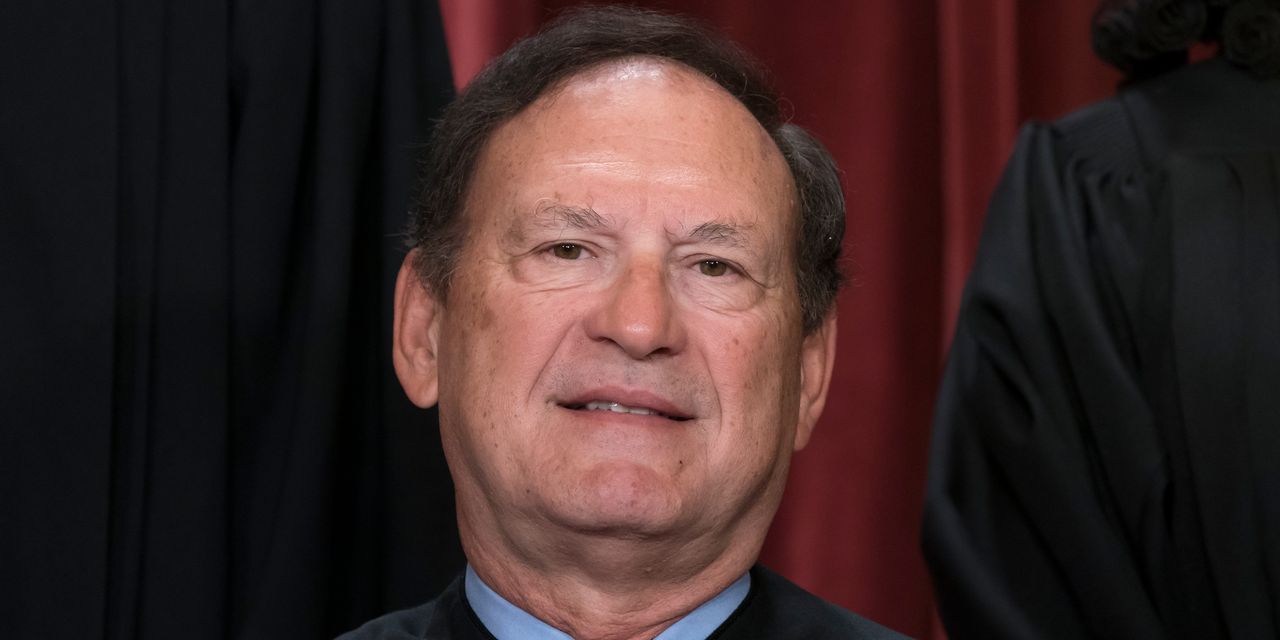
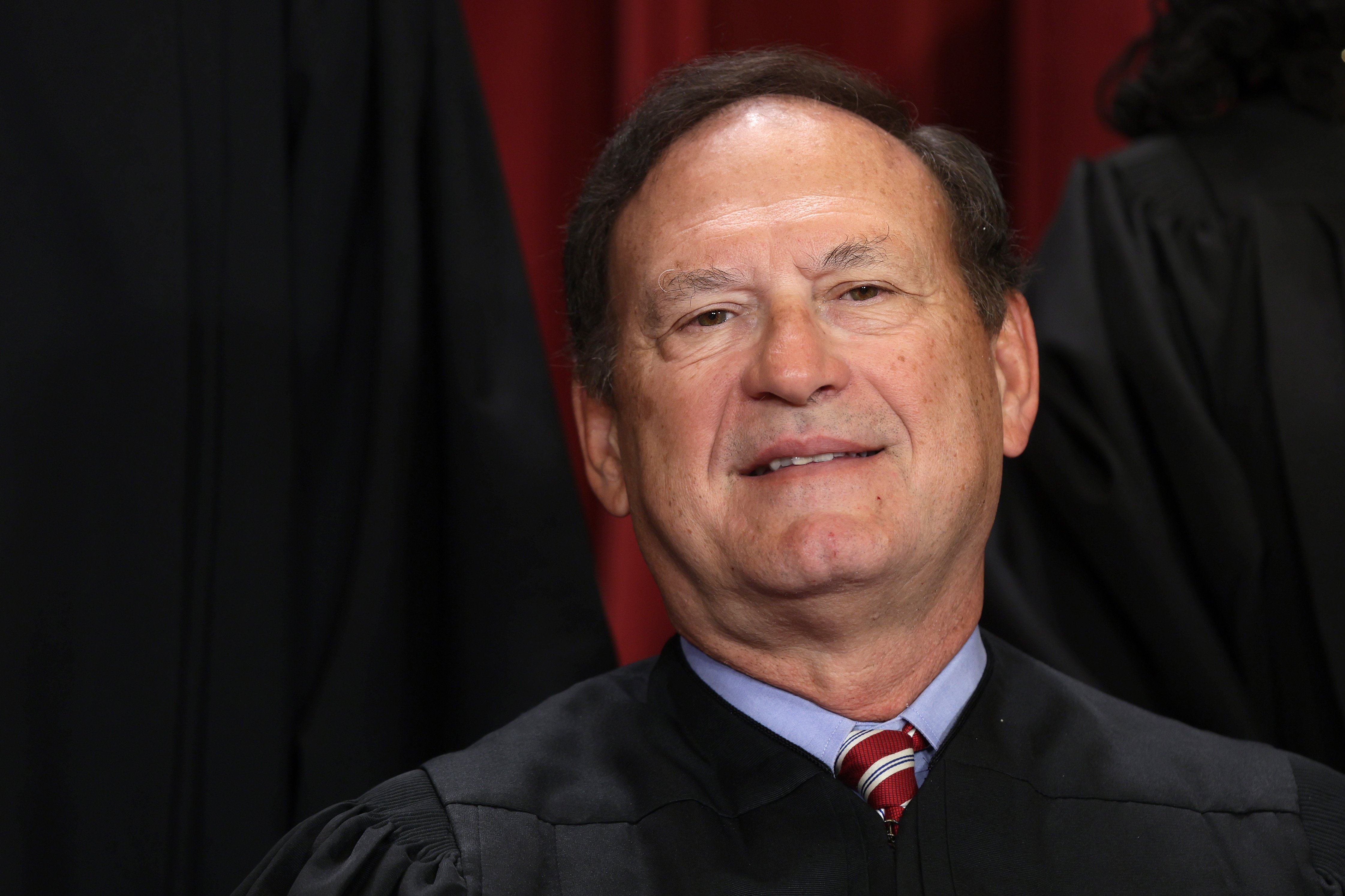
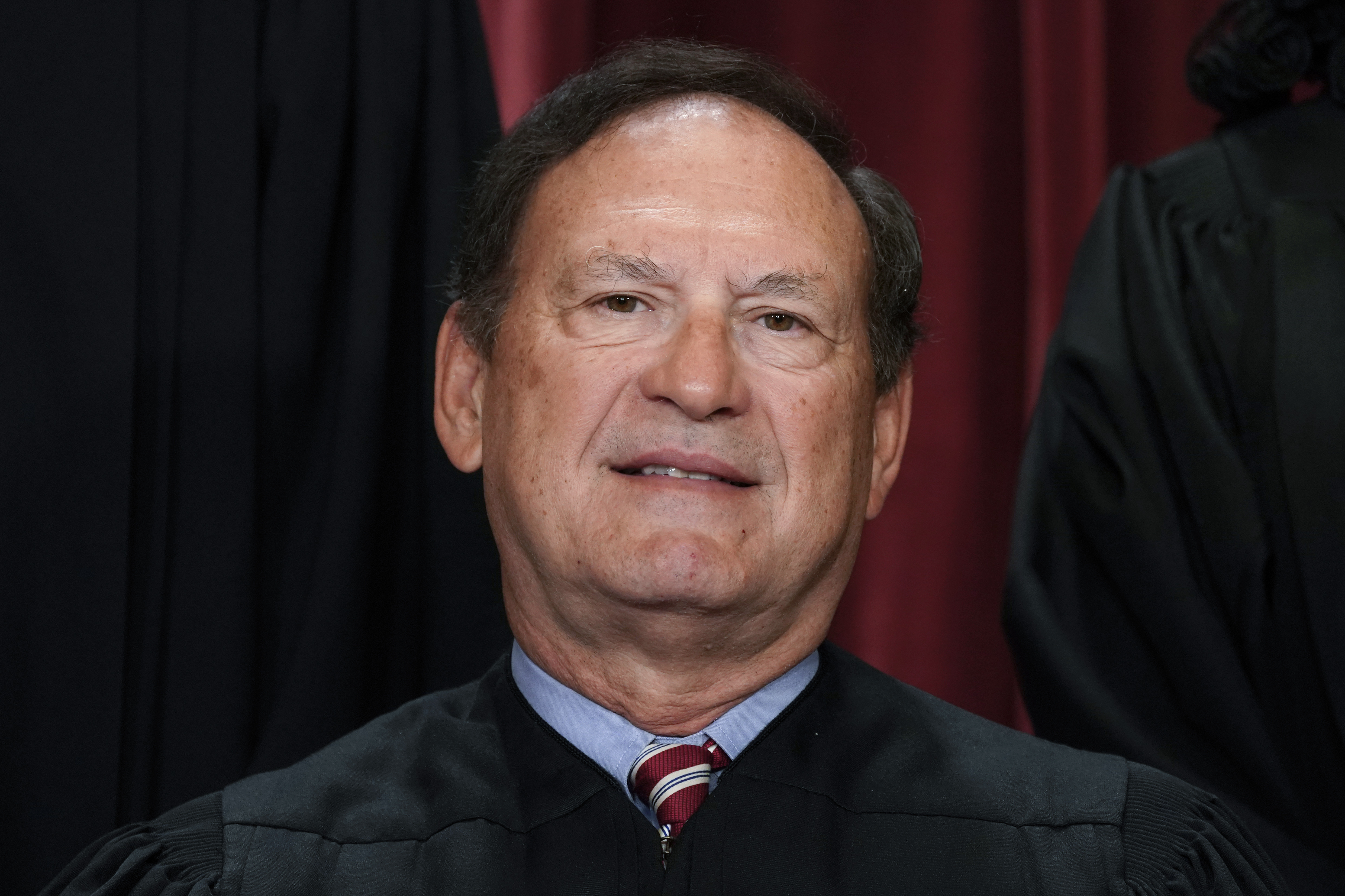
Supreme Court Justice Samuel Alito used an essay in The Wall Street Journal to pre-empt a forthcoming investigative story by ProPublica about his fishing trip to Alaska with a hedge fund billionaire. Alito used the essay to guess at the points in the unpublished story and rebut them in advance. The Journal's editorial page was criticized for helping the subject of another news organization's investigation "pre-but" the findings. ProPublica's "no surprises" approach involves taking a risk, allowing subjects to "spit in our soup," but the practice is a matter of both accuracy and fairness.
The Wall Street Journal published an opinion piece by Supreme Court Justice Samuel Alito defending himself against possible ethics violations before ProPublica's investigation into the matter was published. The Journal then criticized ProPublica's investigation in another opinion piece, claiming they didn't need to read it to know where it was going. ProPublica's editor-in-chief questioned whether the Journal fact-checked Alito's essay before publication and criticized the Journal for attacking his publication without seeking comment. Critics have called the Journal's actions uncommon and unethical.
ProPublica, an independent newsroom, has been accused of waging a partisan attack against conservative donors and Supreme Court justices. The newsroom's work is said to be selectively highlighting cases and votes, resulting in an egregiously slanted approach that is not consistent with ethical principles.
The Wall Street Journal's editorial board defended Supreme Court Justice Samuel Alito and his previously undisclosed fishing trip with a GOP donor in an editorial, calling ProPublica's report "a non-scandal built on partisan spin." Alito came under scrutiny after a ProPublica investigation revealed that the justice had taken an expensive and previously undisclosed luxury fishing trip with prominent conservative donor Paul Singer in 2008. The editorial board lambasted ProPublica for its "typically slanted" reporting alleging that Alito had violated the court's ethics policy of disclosing gifts.
ProPublica reported that Justice Samuel Alito went on a fishing trip to Alaska with a billionaire in 2008 and did not report it on his annual Court disclosure form. However, this is a non-scandal built on partisan spin intended to harm the Justice and the current Court majority.
Justice Samuel Alito's preemptive defense against a ProPublica article accusing him of taking a luxury fishing vacation with a GOP billionaire who later had cases before the court was a PR miscue that gave fresh publicity to the growing series about the justices' conflicts of interest. Alito's dense argument lacked the connective tissue to explain what precisely ProPublica's piece was accusing him of, and his excuse-making was William Scott caliber but with a modern, Trumpian twist. The article reports that Alito didn't report the Alaska trip, in apparent violation of the law that requires members of the Supreme Court report most gifts, and that the billionaire's hedge fund came before the Supreme Court at least 10 times after the trip.
Supreme Court Justice Samuel Alito is facing scrutiny over a previously undisclosed luxury fishing trip he took with a prominent conservative donor over a decade ago. The trip was paid for by Robin Arkley II, a prolific donor to conservative legal causes, and included room and board at Alaska’s pricey King Salmon Lodge. Alito denies any wrongdoing and wrote a defensive op-ed in The Wall Street Journal preemptively denying the allegations. The report comes amid ongoing discussions about the Supreme Court’s policy for gift disclosures and calls for ethics reform on the nation’s highest court.
Justice Samuel Alito did not disclose a 2008 trip he took on a private jet with hedge fund billionaire Paul Singer, who later asked the Supreme Court to intervene on his behalf, according to a report by ProPublica. Alito preemptively disputed the report, saying he has only spoken to Singer on a few occasions and that the charges against him are not valid. The report adds to the growing list of ethics questions surrounding the Supreme Court, which have become a key focus of congressional Democrats.