Tag

Privacy Risks

All articles tagged with #privacy risks

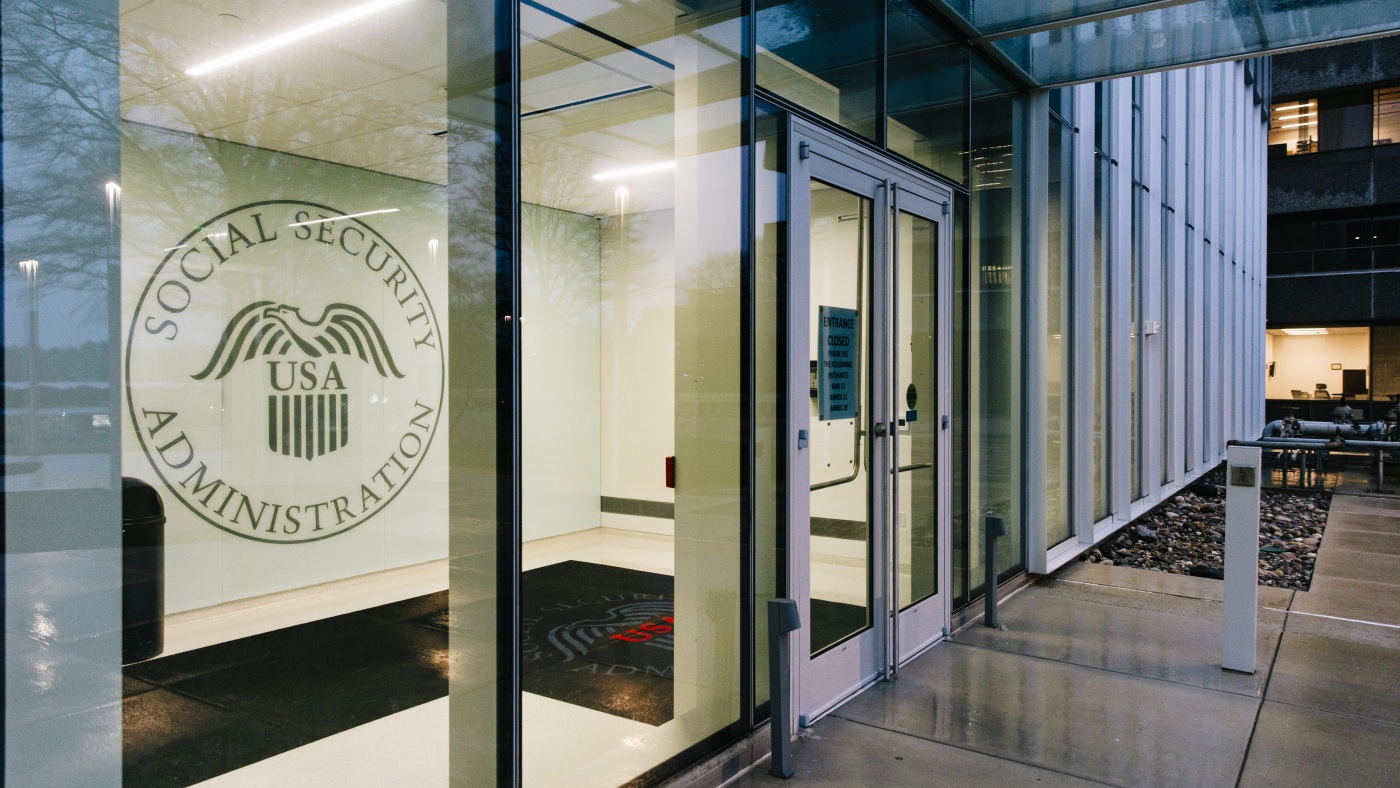
Whistleblower Warns of Social Security Data Breach via DOGE

Originally Published 4 months ago — by NPR

Featured image for Whistleblower Warns of Social Security Data Breach via DOGE
Source: NPR

A whistleblower claims that former officials at the Department of Government Efficiency copied the personal data of over 300 million Americans, including Social Security numbers, to a private, inadequately secured server within the SSA's cloud infrastructure, raising concerns about potential data exposure and misuse, despite SSA's assurances of data security.

Bluetooth vulnerabilities turn popular headphones into potential spy devices

Originally Published 6 months ago — by BleepingComputer

Featured image for Bluetooth vulnerabilities turn popular headphones into potential spy devices
Source: BleepingComputer

Researchers discovered vulnerabilities in Bluetooth chipsets affecting over 29 audio devices from multiple brands, which could allow hackers to eavesdrop, hijack calls, or steal sensitive information, though practical exploitation requires high skill and proximity. Device manufacturers are working on patches, but many devices remain unpatched, posing potential privacy risks for high-value targets.

Urgent: Delete These Apps and VPNs to Protect Your Data from Chinese Surveillance

Originally Published 6 months ago — by Forbes

Featured image for Urgent: Delete These Apps and VPNs to Protect Your Data from Chinese Surveillance
Source: Forbes

Tens of millions of Android and iPhone users are warned to delete certain free VPN apps linked to Chinese companies, as these apps pose significant privacy and national security risks by potentially routing sensitive data to foreign entities. Despite assurances from Apple and Google, experts highlight the lack of transparency and the need for stricter vetting and monitoring of such apps to prevent data breaches and security threats.

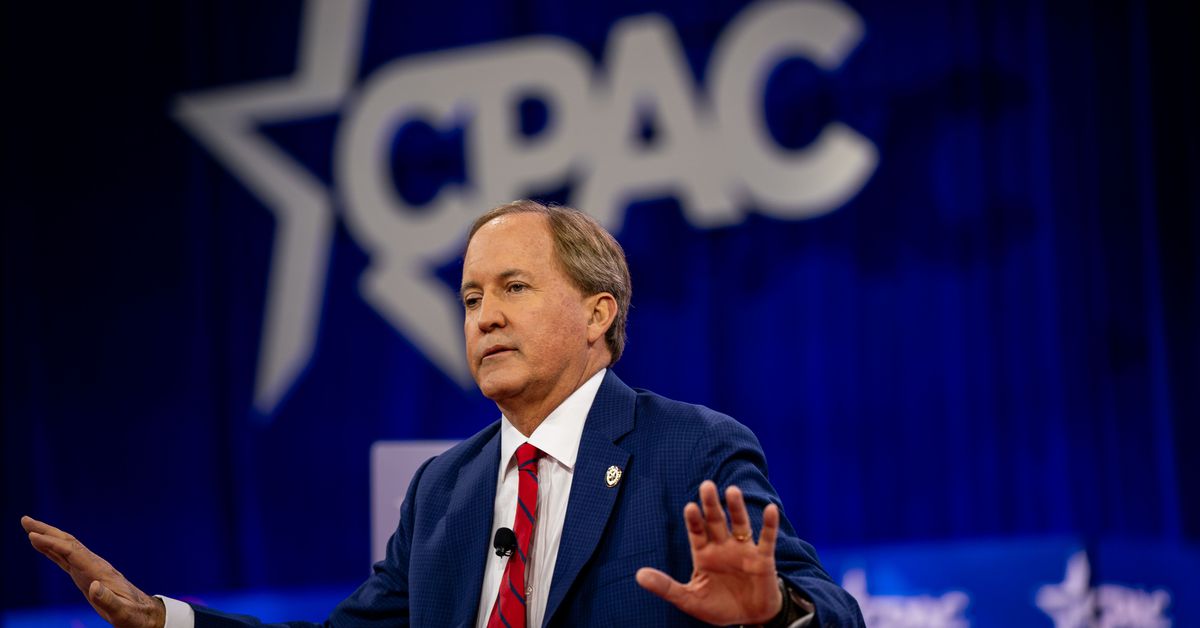
"Texas Attorney General Takes Legal Action Against Pornhub Over Age Verification"

Originally Published 1 year ago — by The Verge

Featured image for "Texas Attorney General Takes Legal Action Against Pornhub Over Age Verification"
Source: The Verge

Texas Attorney General Ken Paxton has sued Pornhub's parent company, Aylo, for failing to implement "reasonable age verification methods" on its adult sites, seeking millions of dollars in damages under a state law. The law, HB 1181, requires pornographic sites to use age verification methods and display sexual materials health warnings. Aylo, facing mounting regulatory battles, declined to comment on the lawsuit, which demands fines of $10,000 per day for violations and a lump sum of up to $1.6 million.

"Privacy Concerns Raised Over C.D.C.'s H.I.V. Sample Tracking"

Originally Published 1 year ago — by The New York Times

Featured image for "Privacy Concerns Raised Over C.D.C.'s H.I.V. Sample Tracking"
Source: The New York Times

H.I.V. advocacy groups have raised concerns about the Centers for Disease Control and Prevention's practice of tracking genetic signatures of viruses from newly diagnosed H.I.V. patients, citing potential privacy violations and civil rights issues. While the C.D.C. has revised its guidelines to encourage more transparency, some advocates feel that the changes are not sufficient to protect patients, especially in states where H.I.V. transmission can lead to prosecution. The C.D.C. defends the program, emphasizing its benefits in guiding treatment decisions, but the debate continues over the balance between public health surveillance and individual privacy rights.

"Neuralink: Balancing Potential Benefits and Risks in Connecting Human Brains to Computers"

Originally Published 2 years ago — by TMZ

Featured image for "Neuralink: Balancing Potential Benefits and Risks in Connecting Human Brains to Computers"
Source: TMZ

Elon Musk's Neuralink is set to begin human testing and has the potential to help individuals with brain disorders and paralysis. However, there are concerns about privacy risks, as the Neuralink chip could potentially grant access to a person's thoughts, raising concerns about cybersecurity and privacy breaches.

"Worldcoin Raises $115M for Eye-Scanning Crypto Project"

Originally Published 2 years ago — by CoinDesk

Featured image for "Worldcoin Raises $115M for Eye-Scanning Crypto Project"
Source: CoinDesk

Worldcoin, a project that aims to solve the problem of digital identity by scanning users' retinas and offering a form of universal basic income (UBI), has raised $115 million in venture capital. However, the project's lack of a clear tokenomic model and privacy risks have raised concerns. The company's representatives have been accused of using deceptive marketing practices and collecting more personal data than acknowledged, potentially violating GDPR and local laws. The project's reliance on an army of Orb Handlers to onboard customers means manipulations will inevitably continue, undermining Worldcoin's promise to solve digital identity.

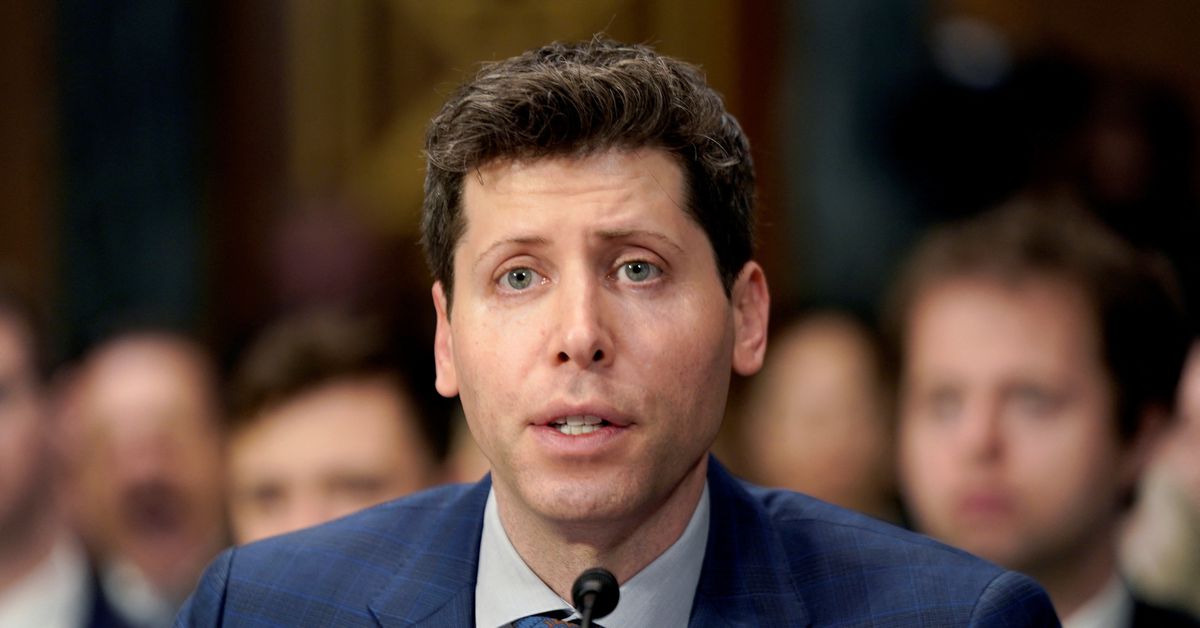
OpenAI's Sam Altman raises $115M for Worldcoin crypto startup with eye-scanning technology.

Originally Published 2 years ago — by Reuters

Featured image for OpenAI's Sam Altman raises $115M for Worldcoin crypto startup with eye-scanning technology.
Source: Reuters

OpenAI CEO Sam Altman has raised $115 million in a Series C funding round led by Blockchain Capital for Worldcoin, a cryptocurrency project that aims to distribute tokens to people based on their unique identity confirmed through iris scanning. The project has faced criticism for privacy risks, and the token will not be available in some countries. Investors including a16z crypto, Bain Capital Crypto, and Distributed Global also participated in the funding round.

The TikTok Ban Debate: Congress vs. Younger Americans and the Future of Media.

Originally Published 2 years ago — by FiveThirtyEight

Featured image for The TikTok Ban Debate: Congress vs. Younger Americans and the Future of Media.
Source: FiveThirtyEight

Congress is considering a nationwide ban on TikTok due to concerns over national security and privacy risks. Polls show that a majority of American adults support the ban, but younger Americans, who use the app more frequently, are opposed. Some progressives have criticized the ban as rooted in xenophobia against China. Meanwhile, President Biden's approval rating remains at 42.6 percent.